

Care Free Assisted Living in Albuquerque, NM

Save

Care Free Assisted Living in Albuquerque, NM

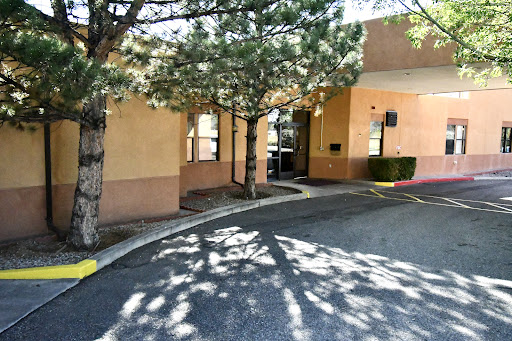
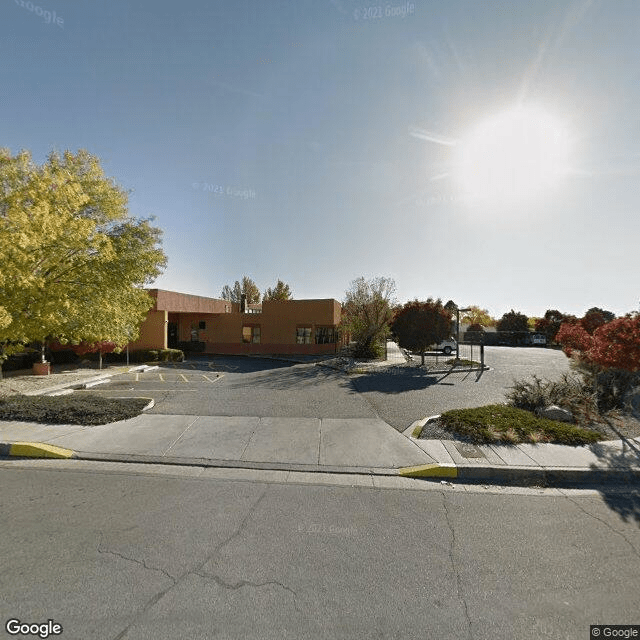
10916 Juan Tabo Place NE, Albuquerque, NM 87111

For more information about senior living options: (844) 490-3973

4.1 from 17 reviews
5 stars
10
4 stars
3
3 stars
2
2 stars
0
1 stars
2

Assisted Living Skilled Nursing Facility

Care Free Assisted Living Costs & Pricing

Care Free Assisted Living offers competitive pricing for its residents, particularly when compared to the broader market in Bernalillo County and across New Mexico. For a semi-private room, Care Free charges $1,800 per month, significantly lower than the county average of $3,285 and the state average of $3,324. Similarly, their studio accommodations are priced at $2,550 monthly, which is more favorable than both the county rate of $3,540 and the state rate of $3,553. These figures highlight Care Free Assisted Living's commitment to providing affordable care options without compromising on quality, making it an attractive choice for those seeking assisted living solutions in the region.

Floor plansCare Free Assisted LivingBernalillo CountyNew Mexico
Semi-Private$1,800$3,285$3,324
Studio$2,550$3,540$3,553

What level of care are you interested in?

Assisted Living

Memory Care

Independent Living

Skilled Nursing Facility

Continuing Care Retirement Community (CCRC)CCRC

Other


Request a tour at Care Free Assisted Living

    Overall Review of Care Free Assisted Living

    Pros

    • pro Carefree Living is described as a Godsend to residents and their families.
    • pro The staff are caring and attentive, taking time to know each resident and accommodate their preferences.
    • pro The facility celebrates holidays with residents and their families, creating a joyful atmosphere.
    • pro Carefree Living maintains a high staff-to-resident ratio with many long-tenured staff.
    • pro The owners are hands-on and actively involved in daily care, contributing to a warm, family-like environment.
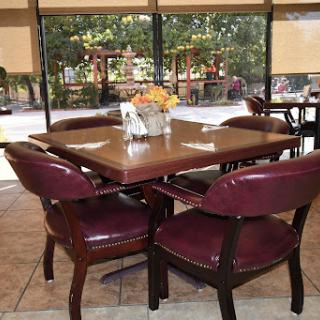
    • pro The meals are prepared from scratch, and the dining area is clean with very good food.

    Cons

    • pro The facility kicked him out after a few days and left him on the street.
    • pro They didn't take the time to treat him when he had a reaction to a new medication, just kicked him out and called the police.
    • pro This place only wants your loved one if they can pay and if they are heavily sedated.
    • pro It is a sham; the people in this place are basically being warehoused.
    • pro The staff were rude to her and did not want to help her to the toilet.
    • pro Two weeks into her stay she asked for help to the bathroom and was told "go in your pants."
    • pro The caregiver who said that then rifled through the dresser under the pretense of cleaning.
    • pro The meals were gross and not up to par; the menu did not match what was served.
    • pro The price was extremely high and there was no transportation or shopping trips; residents had to pay for taxis.

    Review

    This community is best suited for families that prize a warm, home-like atmosphere, a high level of personal attention, and hands-on leadership. Care Free Assisted Living tends to shine for residents who respond to strong staff engagement, long-tenured caregivers, and a culture that treats each resident like family. When the goal is social connection, holiday celebrations, and frequent direct contact with owners and front-line staff, this setting can deliver real peace of mind. It's a solid match for someone who is relatively independent or needs light to moderate assistance but wants meaningful activities, a welcoming environment, and clear, ongoing relationships with the care team. Those seeking extensive, dementia-specific programming or a modern, highly structured memory-care workflow may want to explore other options.

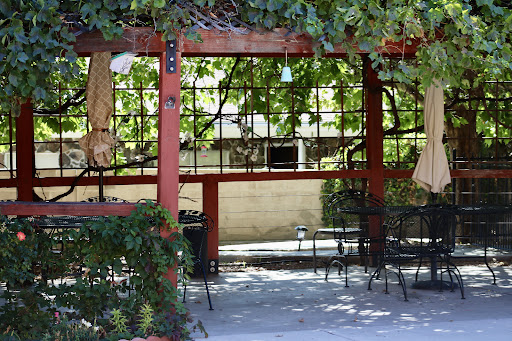
    On the plus side, the standout strengths revolve around people. Families consistently note a high staff-to-resident ratio and caregivers who remember preferences, celebrate milestones, and invest time in getting to know residents. The owners' visible involvement, a culture of sincere care, and a bias toward treating residents like part of a extended family create a sense of security that can be hard to find in larger operations. The facility typically reads as clean, with thoughtful outdoor spaces, private or semi-private rooms, and a layout that supports social interaction. Activities, music, Bible study, and arts programs provide anchors for daily life, and the overall atmosphere tends to feel calmer and more homelike than clinical.

    Yet the most troubling notes in the feedback cannot be ignored. Several warning signs circle around care for residents with memory issues: instances of eviction after brief stays, with one case framed as a sudden street-side removal following a medication reaction. Such reports raise real questions about how emergencies and behavioral challenges are managed, and they underscore the need for careful due diligence when memory care needs are present. Additional concerns focus on care quality gaps perceived in some interactions, including rude or dismissive responses to basic needs, and even accusations of residents being warehoused. These sounds contrast with the otherwise positive picture and should sharpen scrutiny for anyone considering placement in this community.

    Food quality and program breadth emerge as other material tensions. Across multiple accounts, dining experiences range from surprisingly good to notably disappointing, with some reviewers describing meals as inconsistent or unappealing. The absence of transportation and limited shopping or off-site outings in some reviews further narrows options for residents who crave regular outings or need reliable means to attend appointments. At times, the price point is described as high given the service mix, especially when transportation, extensive activities, or robust dining improvements are not clearly bundled into the care plan. These factors can tip the balance for families comparing alternatives with more comprehensive dining and mobility offerings.

    The pros can offset the cons for a specific profile. For families prioritizing intimate, hands-on care and a community where staff know residents by name, the emotional and psychological benefits often justify the tradeoffs in dining variety or outings. When mental health improvements are a goal, and the resident responds well to a steady, familiar routine with frequent social contact, the care team's attentiveness can translate into tangible day-to-day stability. In short, this is less about a generic "facility" and more about a particular culture: one that can deliver comfort, belonging, and dependable staffing, even if it means accepting some limits on meals, mobility options, and budget flexibility.

    Those weighing alternatives should consider memory-care specialization, transportation-enabled programs, and transparent pricing as decisive factors. Families needing rigorous dementia-specific protocols, guaranteed 24/7 mobility assistance, or predictable, varied dining choices should look at facilities with proven memory-care track records and broader activity ecosystems. Budget-conscious families or those who want more frequent outings and transport-to-appointments should compare options that bundle transportation and off-site activities into the monthly rate. In other words, Care Free Assisted Living can be an excellent match for the right resident and family, but it is not a universal solution.

    For a practical decision, approach the visit as a diagnostic: observe caregiver interactions, assess how staff handle medication changes or behavioral triggers, and pace expectations against the reality of the dining room and activity calendar. Ask direct questions about what happened in memory-care incidents, the policy for managing crises, and the steps taken when a resident needs escalation. Inspect room sizes, noise levels, and the pathways for social engagement. Based on the patient's needs, the right-fit choice will be measured not just by warmth and cleanliness, but by the alignment of care protocols, mobility supports, and a dining and activity plan that matches long-term goals.

    Features

    Housing

    • 46 resident community capacity 46 resident community capacity
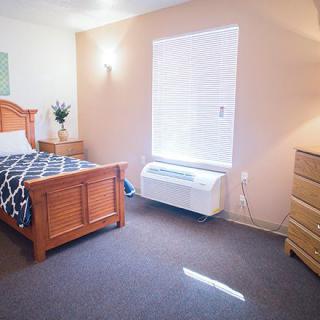
    • Studio apartments Studio apartmentsStudio apartments are important for seniors because they offer a smaller, more manageable living space that is easier to navigate and maintain as physical abilities decline. Additionally, studio apartments provide seniors with independence and privacy while still being part of a community that offers support and social opportunities.

    Types of Care

    • Assisted Living Assisted LivingAssisted living facilities provide crucial support and care for seniors who may need help with daily tasks such as medication management, bathing, and meal preparation. These communities offer a safe and comfortable environment where seniors can maintain their independence while receiving the assistance they need to thrive in their golden years.
    • Skilled Nursing Facility Skilled Nursing FacilitySkilled Nursing Facilities are crucial for seniors as they provide round-the-clock medical care, rehabilitation services, and assistance with daily activities. These facilities ensure that seniors receive the specialized care they need to maintain their health and well-being as they age.

    Amenities

    • Activities on-site Activities on-siteActivities on-site are important for seniors because they provide opportunities for socialization, mental stimulation, physical activity, and overall well-being. Engaging in activities can help seniors stay active, maintain their independence, and improve their quality of life.
    • Beautician on-site Beautician on-siteHaving a beautician on-site at a senior living community is important for seniors as it allows them to easily access grooming and personal care services, boosting their self-esteem and overall well-being. It also provides convenience and helps seniors maintain their sense of independence and personal style.
    • Beauty salon Beauty salonBeauty salons are important for seniors because they provide a space for them to feel pampered, socialize, and maintain their personal grooming and hygiene. Regular visits to a beauty salon can help boost seniors' self-esteem and overall well-being.
    • Cable or satellite TV Cable or satellite TVCable or satellite TV is important for seniors because it provides entertainment, news, and companionship, helping to combat loneliness and boredom. It also offers a wide range of programming options tailored to different interests and preferences.
    • Devotional services off-site Devotional services off-siteDevotional services off-site are important for seniors as they provide spiritual nourishment, social engagement, and a sense of community outside of the senior living facility. This can enhance overall well-being and help combat feelings of isolation and loneliness often experienced by older adults.
    • Dining room Dining roomDining rooms are important for seniors as they provide a space for socialization, connection, and nutritious meals. They offer opportunities for residents to bond over shared meals, foster a sense of community, and promote healthy eating habits. Dining rooms also ensure that seniors have access to well-balanced meals tailored to their dietary needs and preferences.
    • Financial aid Financial aidFinancial aid is crucial for seniors as it can help them cover the costs of essential living expenses such as housing, food, and healthcare. Many seniors have limited incomes and savings, so financial assistance programs can provide them with the necessary support to maintain a decent quality of life in their retirement years.
    • Financing advice Financing adviceFinancing advice is crucial for seniors as they navigate the complexities of retirement planning, including managing fixed incomes, healthcare costs, and potential long-term care needs. Proper financial guidance can help ensure seniors maintain financial stability and security in their golden years.
    • Fully furnished Fully furnishedFully furnished senior living communities are important for seniors because they provide convenience, comfort, and a hassle-free moving experience. Seniors can easily settle into their new living space without the stress of having to buy and move furniture. This allows them to focus on enjoying their new home and community.
    • Garden GardenGardens are important for seniors as they provide a peaceful and therapeutic environment for relaxation, physical activity, and socialization. Being in nature has been shown to reduce stress, improve mood, and promote overall well-being. Gardens also offer opportunities for seniors to engage in gardening activities, which can improve mobility, flexibility, and cognitive function. Additionally, gardens create a sense of community and connection with others who share a passion for plants and outdoor spaces.
    • Home sale assistance Home sale assistanceHome sale assistance is important for seniors because it can help alleviate the stress and complexities of selling their home. This service can provide guidance, support, and practical assistance throughout the entire selling process, allowing seniors to transition to a new living situation with ease and peace of mind.
    • Housekeeping services Housekeeping servicesHousekeeping services are important for seniors because they help maintain a clean and safe living environment, promote independence, and reduce the risk of accidents or illnesses. Additionally, having assistance with household chores can alleviate physical strain and allow seniors to focus on other aspects of their well-being.
    • Indoor common areas Indoor common areasIndoor common areas are crucial for seniors as they provide a space for socialization, recreation, and community engagement, promoting overall well-being and reducing feelings of isolation and loneliness.
    • Kitchenette KitchenetteKitchenettes are important for seniors living in senior living communities because they provide the convenience and independence of being able to prepare simple meals and snacks in the comfort of their own living space. This can help promote a sense of autonomy and well-being for seniors, allowing them to maintain some level of control over their dietary choices and daily routines.
    • Laundry LaundryLaundry services are important for seniors as they may have difficulty with physical tasks such as bending, lifting, or carrying heavy loads. Having access to laundry services can help seniors maintain personal hygiene, cleanliness, and independence in their daily lives.
    • Move-in coordination Move-in coordinationMove-in coordination is important for seniors because it helps ease the transition into their new living environment. It ensures that all logistics, such as packing, organizing movers, and setting up utilities are taken care of, allowing seniors to focus on settling in and adjusting to their new home. Having a smooth move-in process can alleviate stress and anxiety, making the transition smoother and more enjoyable for seniors.
    • Outdoor space Outdoor spaceOutdoor spaces are important for seniors as they provide opportunities for physical activity, social interaction, exposure to natural light and fresh air, and a sense of connection to nature. Having access to outdoor spaces can improve overall well-being and quality of life for older adults living in senior communities.
    • Respite or short term stays offered Respite or short term stays offeredRespite or short term stays provide seniors with a temporary solution when their regular caregiver is unavailable, offering them the opportunity to receive additional care and support during times of need, while also giving caregivers a chance to rest and recharge.
    • Restaurant-style dining Restaurant-style diningRestaurant-style dining is important for seniors because it allows them to enjoy delicious, nutritious meals in a social and upscale setting. This enhances their dining experience, promotes healthy eating habits, and fosters socialization with fellow residents, ultimately contributing to their overall well-being and quality of life.
    • Security gate Security gateSecurity gates provide an added layer of protection and peace of mind for seniors living in a community. They help prevent unauthorized entry, deter potential intruders, and create a sense of security for residents. This extra security measure can make seniors feel safe and secure in their living environment.
    • Small library Small librarySmall libraries are important for seniors as they provide access to a variety of reading materials, including books, newspapers, and magazines. This can help stimulate their minds, keep them engaged, and provide a sense of community through book clubs and other social activities. Additionally, reading has been shown to improve cognitive function and overall mental well-being in older adults.
    • Telephone TelephoneTelephones are important for seniors as they provide a lifeline for communication with loved ones, emergency services, and healthcare providers. They offer a sense of security and independence, enabling seniors to stay connected and access assistance when needed.
    • VA Benefits Consultation VA Benefits ConsultationVA Benefits Consultations are important for seniors because they provide valuable information on the benefits and resources available to them as veterans. These consultations can help seniors access financial assistance, healthcare services, and other support that can greatly improve their quality of life in their later years.
    • Wi-Fi/high-speed internet available Wi-Fi/high-speed internet availableWi-Fi/high-speed internet is important for seniors to stay connected with loved ones, access online resources, and participate in virtual activities to combat feelings of loneliness and isolation. It also allows them to easily manage healthcare needs, access entertainment, and engage in lifelong learning opportunities.

    Transportation

    • Albuquerque International (8 miles away) Albuquerque International (8 miles away)

    Care Services

    • 24-hour call system 24-hour call system24-hour call systems are important for seniors because they provide peace of mind and immediate assistance in case of emergencies. This technology ensures that help is always available, promoting safety and security for elderly individuals living alone or in assisted living facilities.
    • 24-hour supervision 24-hour supervision24-hour supervision is important for seniors to ensure their safety, well-being, and access to immediate assistance in case of emergencies or health issues. This constant support provides peace of mind for both seniors and their loved ones, allowing them to age in place with dignity and security.
    • Activities of daily living assistance Activities of daily living assistanceActivities of daily living assistance are important for seniors because they provide essential support with tasks such as eating, bathing, dressing, and mobility. This assistance helps seniors maintain their independence, dignity, and overall quality of life as they age.
    • Ambulatory care Ambulatory care"Ambulatory care services provide essential medical support and treatment to seniors without requiring hospitalization, allowing them to maintain their independence and quality of life while managing chronic conditions or receiving routine medical care."
    • Assistance with bathing Assistance with bathingAssistance with bathing is crucial for seniors as it helps maintain personal hygiene, prevents infections, and ensures their overall well-being and comfort. It also provides a sense of dignity and independence for seniors who may struggle with this task on their own.
    • Assistance with dressing Assistance with dressingAssistance with dressing is important for seniors because it helps maintain their independence, promotes personal hygiene, prevents accidents and injuries, and improves overall quality of life. This service ensures that seniors can continue to dress comfortably and confidently, despite any physical limitations they may have.
    • Assistance with transfers Assistance with transfersAssistance with transfers is crucial for seniors as it helps prevent falls and injuries, maintains their independence, and ensures they can safely navigate their living environment. It also provides peace of mind for both seniors and their loved ones.
    • Diabetes diet Diabetes dietA diabetes diet is crucial for seniors as it helps manage blood sugar levels, reduce risks of complications, and improve overall health and well-being. By following a balanced and nutritious diet tailored to their specific needs, seniors can better control their diabetes and enhance their quality of life.
    • Diabetic care Diabetic careDiabetic care is crucial for seniors as they are more susceptible to developing diabetes due to aging and other health conditions. Proper management of diabetes can help prevent complications such as heart disease, vision loss, and nerve damage, improving the overall quality of life for seniors in senior living communities.
    • Hospice care Hospice careHospice care is important for seniors as it provides specialized end-of-life support, pain management, and emotional comfort for both the senior and their loved ones. It allows seniors to maintain dignity, receive personalized care, and spend their remaining time in a peaceful and comfortable environment.
    • Meal preparation and service Meal preparation and serviceMeal preparation and service are crucial for seniors as they may have limited mobility or energy to cook nutritious meals. Having access to healthy and convenient food options can ensure they are getting the proper nutrition needed to maintain their overall health and well-being.
    • Medication management Medication managementMedication management is crucial for seniors to ensure they are taking the right medications at the correct dosages and times. This helps prevent adverse drug interactions, reduces the risk of medication errors, and promotes overall health and well-being. Proactive management also allows for adjustments as needed based on changing health conditions or new prescriptions.
    • Mental wellness program Mental wellness programMental wellness programs are essential for seniors as they promote cognitive stimulation, emotional support, and social engagement. These programs help prevent isolation, depression, and cognitive decline, ultimately enhancing the overall quality of life for older adults.
    • Special dietary restrictions Special dietary restrictionsSpecial dietary restrictions are important for seniors because age-related changes in metabolism and health conditions can make it difficult for their bodies to process certain foods. By following a diet tailored to their specific needs, seniors can maintain their overall health and well-being, manage chronic conditions, and reduce the risk of complications such as malnutrition or food interactions with medications.

    Dining

    • Diabetes diet Diabetes dietA diabetes diet is crucial for seniors as it helps manage blood sugar levels, reduce risks of complications, and improve overall health and well-being. By following a balanced and nutritious diet tailored to their specific needs, seniors can better control their diabetes and enhance their quality of life.
    • Meals provided Meals provided"Meals provided" are crucial for seniors in assisted living communities as it ensures they have access to nutritious, balanced meals without the stress of meal planning and preparation. This can help promote overall health and well-being for seniors who may have limited mobility or cognitive abilities.
    • Special dietary restrictions Special dietary restrictionsSpecial dietary restrictions are important for seniors because age-related changes in metabolism and health conditions can make it difficult for their bodies to process certain foods. By following a diet tailored to their specific needs, seniors can maintain their overall health and well-being, manage chronic conditions, and reduce the risk of complications such as malnutrition or food interactions with medications.

    Activities

    • Activities on-site Activities on-siteActivities on-site are important for seniors because they provide opportunities for socialization, mental stimulation, physical activity, and overall well-being. Engaging in activities can help seniors stay active, maintain their independence, and improve their quality of life.
    • Arts and crafts Arts and craftsEngaging in arts and crafts activities provides seniors with a creative outlet, promotes cognitive function, enhances dexterity and fine motor skills, fosters social interaction, and boosts overall well-being and mental health.
    • Community-sponsored activities Community-sponsored activitiesCommunity-sponsored activities are important for seniors as they provide opportunities for social interaction, mental stimulation, and physical activity. These activities can help improve overall well-being, combat loneliness and isolation, and promote a sense of belonging and purpose among older adults.
    • Devotional activities offsite Devotional activities offsiteDevotional activities offsite are important for seniors because they provide social engagement, spiritual growth, and a sense of community outside of their living environment. This can improve overall well-being, mental health, and combat feelings of isolation or loneliness.
    • Fitness programs Fitness programsFitness programs are crucial for seniors as they help improve strength, flexibility, balance, and overall well-being. Staying active can reduce the risk of chronic diseases, improve mental health, and enhance quality of life in older adults.
    • Games GamesGames are an essential part of senior living as they help promote cognitive function, social interaction, and overall well-being. Playing games can improve memory, concentration, and decision-making skills while also providing a fun and engaging way to connect with others. Seniors who participate in games regularly tend to experience higher levels of satisfaction and happiness in their daily lives.
    • Live musical performances Live musical performancesLive musical performances can provide seniors with a sense of joy, nostalgia, and connection. Music has the power to evoke emotions and memories, improve mood and cognitive function, and foster social interaction among seniors. It can also serve as a form of therapy and stress relief for older adults, making it an important activity to include in senior living communities.
    • Resident-run activities Resident-run activitiesResident-run activities are important for seniors as they encourage social interaction, creativity, and a sense of autonomy. These activities empower seniors to stay engaged and active in their community while fostering meaningful connections with their peers.
    • Scheduled daily activities Scheduled daily activitiesScheduled daily activities are important for seniors because they provide structure, socialization, mental stimulation, and physical activity. Engaging in regular activities can improve overall well-being and quality of life for seniors living in a community setting.

    Languages Spoken

    • English EnglishEnglish is important for seniors as it allows them to communicate effectively with healthcare providers, understand important information related to their health and medications, stay connected with loved ones, and engage in social activities within their communities. It also opens up opportunities for lifelong learning and intellectual stimulation.
    • Spanish SpanishSpanish is an important language for seniors because it allows them to communicate effectively with caregivers, medical professionals, and others in their community who may speak Spanish as their primary language. It also provides opportunities for cultural enrichment and social connections.

    Description

    Care Free Assisted Living in Albuquerque, NM is a premier senior living community that provides high-quality care and a comfortable living environment for older adults. Situated in a convenient location, our community offers various amenities and services to enhance the well-being and enjoyment of our residents.

    Our skilled nursing facility ensures that individuals with more complex medical needs receive exceptional care from our dedicated staff. We offer 24-hour supervision and assistance with activities of daily living, including bathing, dressing, and transfers. Our experienced team also provides medication management to ensure proper dosage and timing.

    At Care Free Assisted Living, we prioritize the mental wellness of our residents. We offer a mental wellness program that promotes emotional well-being through engaging activities tailored to each individual's preferences.

    To cater to different dietary needs, our dining options include special dietary restrictions. Residents can enjoy delicious meals prepared by our skilled chefs in a restaurant-style dining setting. We also provide assistance with diabetes diets and meal preparation services.

    In addition to outstanding care, we offer numerous amenities to enrich the lives of our residents. Our beautiful outdoor spaces allow for relaxation and enjoyment of nature. For those who love reading, we have a small library filled with books spanning different genres. Our community is equipped with Wi-Fi/high-speed internet for easy connectivity.

    We understand the importance of maintaining an active social life, which is why we organize community-sponsored activities and scheduled daily activities for residents to participate in. Additionally, fitness programs are available to encourage physical well-being. Live musical performances provide entertainment and joy for everyone.

    For added convenience, Care Free Assisted Living offers move-in coordination services as well as financing advice for those who require assistance or guidance during their transition. We also provide support for VA benefits consultation if applicable.

    Located in close proximity to various amenities, such as cafes, parks, pharmacies, restaurants, places of worship, theaters, hospitals, and transportation services; our residents have easy access to everything they may need or desire.

    At Care Free Assisted Living, we take pride in providing exceptional care, ensuring the comfort and happiness of our residents. With a focus on independence, dignity, and quality of life, our senior living community is the perfect place for older adults to call home.

    Nearby Places of Interest

    This part of Albuquerque, New Mexico, offers a convenient and diverse range of amenities for seniors looking to settle in the area. With a variety of restaurants, pharmacies, physicians, places of worship, cafes, parks, theaters, hospitals, and transportation options within a few miles radius, residents can easily access essential services and recreational activities. The neighborhood provides opportunities for social engagement and access to quality healthcare facilities. Additionally, the presence of parks and dog-friendly areas allows for outdoor recreation and a sense of community. Overall, this part of Albuquerque offers a comfortable and well-rounded setting for senior living.

    Restaurants

    • Golden Pride BBQ Chicken & Ribs (0.1 miles)
    • Blake's Lotaburger (1.2 miles)
    • Whataburger (1.3 miles)
    • Relish (2.4 miles)
    • Basil Leaf Vietnamese Restaurant (2.5 miles)
    • Taco Bell (2.6 miles)
    • South China Restaurant (2.8 miles)

    Pharmacies

    • Walgreens (0.3 miles)
    • Wahlert William PA (1.3 miles)
    • Walgreens (1.5 miles)
    • Walgreens (1.9 miles)
    • Sav-On Drugs (2.2 miles)
    • Smith's Food & Drug (2.3 miles)
    • CVS Pharmacy (2.4 miles)

    Physicians

    • Dr. Roger W. Rounds, DO (0.5 miles)
    • Medicus Clinic (0.6 miles)
    • Bill Galbreth, DMD, PC (0.8 miles)
    • Hearing Health Care Centers (1 miles)
    • Spine And Muscle Rehabilitation (2 miles)
    • Adult Health Care (2.3 miles)
    • Dr Glenn Wilcox (2.3 miles)

    Places of Worship

    • Sangre De Cristo Catholic Church (1.7 miles)
    • Sandia Presbyterian Church (3.3 miles)

    Cafes

    • The Range Cafe (2 miles)
    • Dutch Bros Coffee (2.4 miles)
    • Starbucks (3.2 miles)

    Parks

    • Jeannette MacPherson Rest Area (2.9 miles)
    • Midtown Dog Park (3.7 miles)
    • Workers Memorial Park (4.4 miles)

    Theaters

    • Regal Winrock IMAX & RPX (3.2 miles)

    Hospitals

    • Tri Core Reference Lab (4.3 miles)
    • HealthSouth Rehabilitation Hospital (4.9 miles)

    Transportation

    • Sandia Peak Tramway (5 miles)

    Frequently Asked Questions

    How much does it cost to live at Care Free Assisted Living in Albuquerque, NM?
    What floor plans and room types does Care Free Assisted Living offer?
    Where is Care Free Assisted Living?
    What photos are available for Care Free Assisted Living in Albuquerque, New Mexico?

    Nearby Communities

    • Avista Senior Living Albuquerque

      Avista Senior Living Albuquerque

      Albuquerque, NM

      4.6 from 88 reviews
      $4,900 to $5,600 / month

      pro Friendly staff, clean facility, and engaging activities in a warm setting.

    • Seniorcare

      Seniorcare

      Albuquerque, NM


      pro Small, intimate assisted living with 24-hour supervision, furnished apartments, and active programs.

    • Reina Home

      Reina Home

      Albuquerque, NM

      4.3 from 22 reviews
      $3,700 to $4,700 / month

      pro Convenient location with many nearby amenities and private rooms.

    • Homewatch CareGivers

      Homewatch CareGivers

      Albuquerque, NM

      4.5 from 40 reviews
       

      pro Excellent access to nearby amenities and healthcare services.

    • Oasis of the Living Treasure

      Oasis of the Living Treasure

      Albuquerque, NM

      5 from 2 reviews
      $3,000 to $3,500 / month

      pro Affordably priced semi-private and private rooms with a well-connected location near cafes, parks, healthcare, restaurants, worship, entertainment, and hospitals.

    • Golden Years LLC

      Golden Years LLC

      Albuquerque, NM

      5 from 1 review
       

      pro Excellent access to healthcare, parks, and cultural amenities nearby.

    • La Vida Llena Retirement Community

      La Vida Llena Retirement Community

      Albuquerque, NM

      4.7 from 26 reviews
      $4,000 to $50,000 / month

      pro Comprehensive care options with upscale amenities and strong local healthcare access.

    • Sandia View Spain LLC

      Sandia View Spain LLC

      Albuquerque, NM

      4 from 1 review
      $2,500 to $4,000 / month

      pro Comprehensive on-site care (meals, medication management, mobility support) and convenient access to nearby amenities.

    • Genesis Bear Canyon Rehabilitation

      Genesis Bear Canyon Rehabilitation

      Albuquerque, NM

      4.2 from 100 reviews
       

      pro Comprehensive care with abundant nearby dining and medical resources.

    Assisted Living in Nearby Cities

    Related Resources

    • does medicaid pay for assisted livingUnderstanding Medicaid Coverage for Assisted Living: A Comprehensive Guide

      The guide outlines the complexities of Medicaid coverage for assisted living, highlighting significant state-to-state variations, limited coverage often restricted to personal care services, and the existence of specialized waivers for certain needs like memory care. It advises families to consult local Medicaid offices for options while emphasizing the importance of understanding state-specific regulations and facility policies.

    • does medicaid pay for assisted livingHow and When Medicaid May Cover Assisted Living Costs

      Medicaid coverage for assisted living varies by state and is primarily available to low-income individuals, with eligibility dependent on strict income and asset limits. Some states offer HCBS waivers for specific services in assisted living, but families must generally cover room and board costs, and should verify facility acceptance of Medicaid while considering potential waiting lists.

    • assisted living waiver programA Detailed Exploration of Assisted Living Medicaid Waivers Across the United States

      Medicaid waivers for assisted living services provide vital support for seniors and individuals with disabilities in need of long-term care, with varying state-specific eligibility criteria and benefits. These waivers cover personal care and case management but often do not fully cover room and board, leading to waiting lists for many applicants.


    Get Pricing Ask A Question Schedule A Tour Contact Senior Advisor