
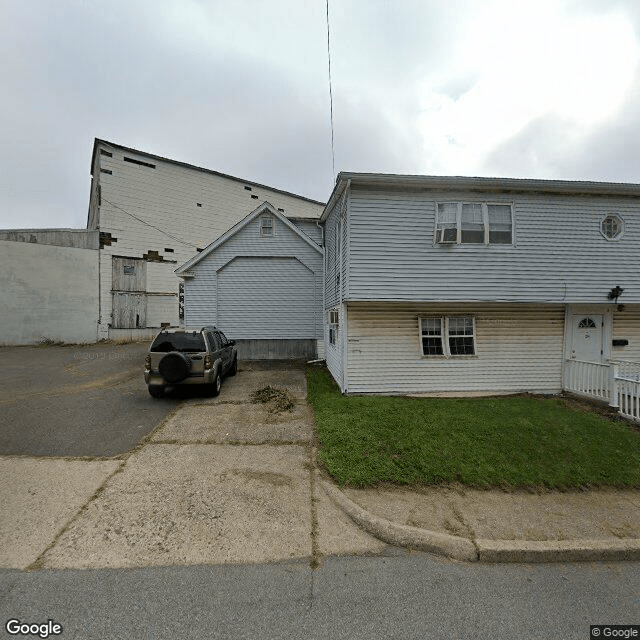
256 Belvidere Ave Suite A, Washington, NJ 07882
To contact a resident: (908) 835-1400
For more information about senior living options: (866) 208-4318
Overall Review of Home Instead - Washington, NJ
Pros
 Danny and his team at Home Instead are wonderful.
- Danny's compassion for the patient and the family is remarkable, and he arranges care quickly.
- The entire Home Instead staff truly works to meet the needs of patients and families and goes above and beyond.
- They make overwhelming situations manageable.
- Home Instead is a hidden gem in elder care.
- The Care Pro team is excellent—courteous, attentive, and supportive.
- The nurses and aides are wonderful, reliable, and punctual; the office staff is efficient and well-run.
- The caregivers are friendly, warm-hearted, and provide meaningful companionship during visits.
- Esther, Hectoria, Salamatu, Tracy, and Suzette are caring caregivers who bring gentleness, dedication, and help with daily tasks.
- Home Instead is accommodating, trustworthy, and consistently exceeds expectations.
Cons
 The owner of the place is very rude and disrespectful, and the reviewer would never use that service because of it.
Review
This community is best suited for families who want a loved one to stay at home while receiving reliable, deeply personal support that covers both daily tasks and meaningful companionship. It shines for post-hospital recovery, particularly after a stroke, and for dementia-care scenarios where consistent, attentive presence matters as much as practical help. The Washington, NJ team can mobilize quickly when time is of the essence, and the leadership and caregivers are repeatedly described as genuinely compassionate, hands-on, and focused on easing the family’s burden. For families seeking a human-centered solution that preserves independence at home, this option stands out as a practical, peace-of-m mind-providing choice.
If the priority is constant medical oversight or a highly structured social environment, alternatives should be considered. For loved ones requiring 24/7 nursing supervision, highly monitored memory-care settings, or a campus with built-in medical and social programs, an assisted living or skilled-nursing facility may deliver the level of intensity and regulation these settings demand. In-home care, while flexible and personalized, does not replicate the medical ecosystem and predictable routines found in a dedicated facility. Families should weigh whether the goal is intimate, home-based support or a more contained, facility-based environment with round-the-clock professional oversight.
The strongest upside centers on leadership, reliability, and caregiver quality. The team’s responsiveness stands out: a call can trigger rapid organization of support, sometimes within days, which is crucial during a crisis or post-discharge period. Caregivers are repeatedly described as courteous, attentive, and capable of offering genuine companionship, not merely a visit. Specific staff members emerge in memory for their warmth and effectiveness, engaging clients in conversations, reading aloud, playing cards, and guiding restorative activities. Beyond companionship, the Care Pros handle practical tasks, light housekeeping, meal prep, and personal care, while the office staff maintain efficient scheduling and dependable coverage, even when hours are extended or adjusted.
A notable caveat is a single negative voice regarding leadership demeanor. That isolated account suggests the experience can hinge on individual interactions and the person in charge at any moment, even while the vast majority of feedback praises a “can-do” mindset and compassionate service. While the service tends to deliver consistent quality and timely responses, this warning underscores the importance of early, explicit expectations and ongoing communication with the care manager. Additionally, in-home care cannot perfectly substitute the constant medical oversight provided by a facility, so families should remain involved in care planning and caregiver matching to preserve continuity.
Taken together, the advantages, swift crisis response, deeply personalized attention, and a stable cadre of caregivers who genuinely engage with clients, meaningfully offset the potential downsides. The care model is clearly designed to adapt to advanced dementia needs, post-stroke rehabilitation, and routine daily living, reducing risk and strengthening daily life for the person served. The ecosystem of CHHA clinicians, supervising nurses when needed, and a proactive office team creates a safety net that tends to minimize gaps and quickly address caregiver changes, preserving dignity, routine, and cognitive engagement.
For families prioritizing home-based support with a human touch and a proven track record of compassionate care, this Washington, NJ option is a compelling, trustworthy choice. Early in the process, secure clarity on caregiver matching, the specifics of the care plan, and escalation protocols. Request a consistent supervisor to oversee ongoing assignments, and confirm coverage for hospital discharge or transient medical needs. If 24/7, medically intensive supervision or a campus atmosphere is non-negotiable, exploring facility-based alternatives is prudent. Otherwise, the hands-on, family-first approach demonstrated here makes it a practical, effective route to sustaining independence at home while ensuring high-quality, relationship-driven care.

 Seniors and Modern Transportation: Exploring Uber, Lyft, and Other Ride-Hailing Options
 Comprehensive Guide to Qualifying for Home Health Care Services
 Powerful Realities of Elder Abuse and the Most Effective Ways to Report It