
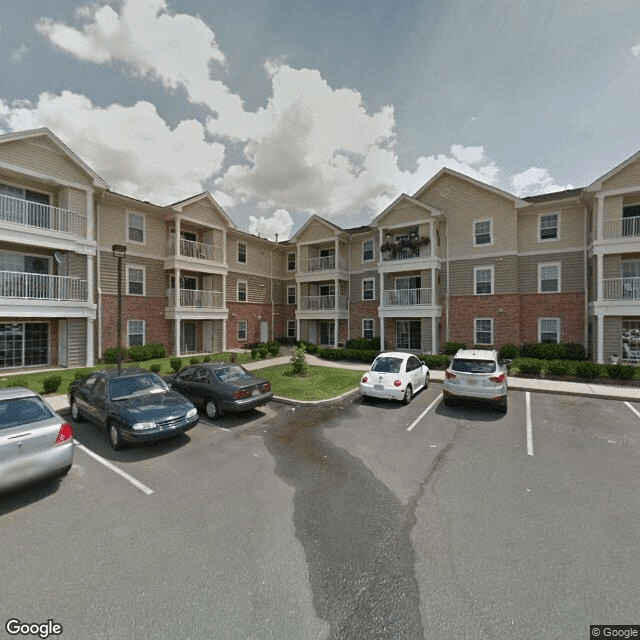
725 Denow Rd., Pennington, NJ 08534
To contact a resident: (609) 737-6538
For more information about senior living options: (866) 208-4318
Hopewell Gardens Costs & Pricing
Hopewell Gardens offers competitive pricing for its living arrangements, especially when compared to both Mercer County and the broader New Jersey market. For instance, a one-bedroom unit at Hopewell Gardens is available for $802 per month, significantly lower than Mercer County's average of $4,012 and the New Jersey state average of $5,994. Similarly, the two-bedroom units at Hopewell Gardens are priced at $973, which is again considerably more affordable than the county's rate of $5,804 and the state's average of $6,216. This makes Hopewell Gardens an attractive option for those seeking quality housing that doesn't compromise on comfort while remaining budget-friendly in comparison to surrounding areas.
| Floor plans | Hopewell Gardens | Mercer County | New Jersey |
|---|---|---|---|
| 1 Bedroom | $802 | $4,012 | $5,994 |
| 2 Bedrooms | $973 | $5,804 | $6,216 |
Senior living communities with a similar price nearby
-
from +$138 / mo
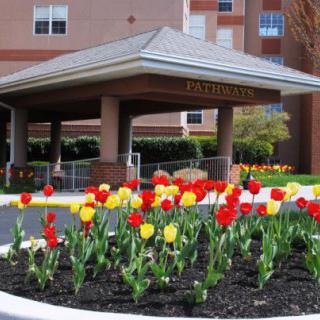
Philadelphia Protestant Home
$940 to $1,266 / month23.9 miles away -
from -$83 / mo

Zurbrugg Mansion
$719 to $960 / month19.7 miles away -
About the same
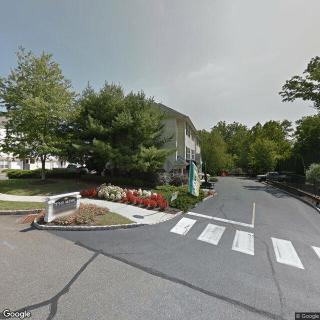
The Mews at Annandale
$790 to $935 / month24.2 miles away -
from -$106 / mo
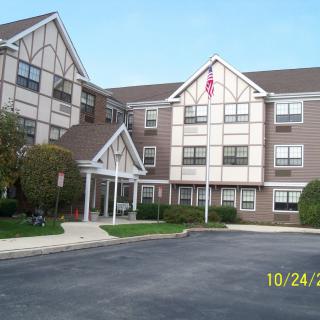
Park View at Cheltenham
$696 to $850 / month24.9 miles away -
from +$105 / mo

Heritage Village at Lambertville
$907 to $1,208 / month9.2 miles away
Overall Review of Hopewell Gardens
Pros
 The staff is very helpful.
- The apartments are nice and the neighbors are friendly.
- The property is very clean and quiet.
- Management has been prompt to respond to inquiries and provide solutions.
- The apartments are spacious and well laid out.
- The location is convenient and the strip mall across the street is a bonus.
- The redecorated areas look nice.
Cons
 The management is unprofessional and unresponsive.
 - The new manager yelled “you need to leave” and showed no condolences or professionalism.
- They locked residents out and threatened to charge more rent after a death.
- On-site management is extremely poor, with staff slow to respond or ignoring requests and making mistakes with important duties.
- The property manager was unprofessional, unsympathetic, insulting, and hung up on them.
- There is a sudden $20 service fee for using the resident management portal.
- The office staff doesn’t answer the phone or return calls.
- The lobby smells like stale cigarettes.
Review
Hopewell Gardens is best suited for independent seniors who want straightforward, apartment-style living in a quiet, low-maintenance setting and who can tolerate a management culture that is occasionally uneven in its responsiveness. The community can deliver on the basics: clean surroundings, predictable daily routines, and a sense of quiet stability that lets residents keep personal schedules intact without constant disruption. But this is not a winning choice for families that count on consistently empathetic, proactive management, or for residents who will need steady crisis support or transparent, dependable handling of sensitive life events. The telling issue is management stability and communication, which repeatedly undermine otherwise solid living conditions.
Explicitly, those who should consider alternatives are families who require high-touch service, smooth onboarding, and empathetic, compassionate handling during personal crises. Several reviews recount prolonged delays in processing move-ins, abrupt confrontations, and situations where staff responses were unprofessional or dismissive, especially during emotionally charged moments. Prospective residents who anticipate timely problem-solving, careful attention to lease terms, and respectful, supportive interactions will want to compare other nearby options. For residents who must navigate complex family dynamics, probate matters, or urgent access to an apartment after a death or emergency, the risk of getting bogged down in paperwork or facing curt, unsympathetic guidance is nontrivial.
The most tangible pros, cleanliness, a generally quiet environment, and the option to live in a familiar, apartment-based setting, often do provide a reasonable living experience when management is responsive. In favorable moments the staff can be helpful, and residents who encounter routine maintenance requests report courteous service. The physical environment, where it exists, tends to be orderly and familiar, which matters for seniors seeking predictable surroundings. These positives, however, are frequently overshadowed by the core drawbacks: inconsistent on-site leadership, erratic communication, and a pattern of administrative missteps that complicate even routine tasks like mail retrieval, file updates, and lease administration. When management is functioning well, these are stabilized by courteous interactions and prompt problem-solving; when it is not, the same pros quickly feel hollow.
The dominant cons center on management turnover and its ripple effects. The reviews repeatedly describe a revolving door of managers, a lack of responsiveness to straightforward requests, and inconsistent follow-through on basic duties such as processing applications, returning calls, and addressing financial matters like security deposits. In the most disturbing incidents, families recount confrontational encounters, abrupt enforcement actions, and even being asked to vacate or to stay out of an apartment during a time when bereavement logistics demand sensitivity and support. The impression is that policies exist, but their application depends heavily on which manager is present. In addition, there are practical irritants: a services fee creep in some portals, missed communications, and limited access to facilities, issues that accumulate into real stress for families already navigating loss and transition.
From a decision-making standpoint, several questions emerge as critical before moving in. How stable is the current leadership team, and what is the track record of responsiveness over the past year? Can a prospective resident meet the actual manager who will handle day-to-day needs, and is there an established protocol for emergencies or life events that respects next of kin and legal requirements? What is the policy on access to an apartment after a death or hospitalization, and how are related costs and timelines handled? Verifying clear, written policies on deposits, move-in timelines, and routine charges, plus a transparent grievance process, will help separate the solid operational promises from the episodic experiences that color many reviews. It is also prudent to request direct references from current residents and to observe how staff handle ordinary requests during a trial visit.
In the end, Hopewell Gardens presents a cautionary calculus. For households that can tolerate occasional administrative friction in exchange for a calm, independent-living environment in a desirable Pennington location, the value proposition can feel acceptable. For families where reliable, compassionate management and predictable crisis handling are nonnegotiable, the cons, especially the documented management instability, difficult interactions during sensitive moments, and the inconsistency in basic administrative tasks, far outweigh the benefits. The decision hinges on the ability to tolerate management variance and the certainty that dependable, empathetic support will be available when life events demand it. If choosing to explore this community, approach with a concrete information packet: current manager’s credentials, a recent resident reference list, a written policy on after-death access, and a clear breakdown of all recurring charges and deposits. A guided tour paired with candid conversations about response times and problem-resolution expectations will reveal whether the promises align with day-to-day reality.
 Active Adult Communities (55+)
 Cats allowed
 Dogs allowed
 Activities on-site
 Beautician on-site
 Indoor common areas
 Outdoor common areas
 Wheelchair accessible showers
 Trenton-Mercer County (2 miles away)
 Ambulatory care
 Diabetic care
 Supportive Employee Benefits That Help Caregivers Attain Better Work-Life Harmony
 Top Cars for Senior Drivers and Essential Safety Innovations
 A Closer Look at Private Pay Home Care