Three David Brainerd Drive, Monroe Township, NJ 08831
For more information about senior living options: (866) 208-4318
4.3 from 67 reviews
5 stars
53
4 stars
3
3 stars
0
2 stars
0
1 stars
11
Overall Review of Village Point
common2 reviews mention this
Activities feel structured
Activities staff keep residents engaged day to day.
Residents describe an activities department that provides something to look forward to and even checks on residents who aren’t up to leaving their rooms. Families also mention the activities team creating a stimulating experience over longer stays.
differentiator2 reviews mention this
Memory care unit support
The memory care unit is described as attentive and supportive.
Reviews specifically mention the Willow Unit and describe staff as watchful, skilled, and compassionate. One reviewer also ties the approach to a more stimulating environment meant to help with isolation, along with regular updates to family members.
common6 reviews mention this
Dining is a frequent point
Dining quality is consistently mentioned by families.
Several reviewers say the food was very good or at least acceptable during their stays, with some emphasizing that many meals were better than expected. A few reviews are less favorable, including one bluntly describing the food as awful and another saying it wasn’t great even if everything else was a strength.
caveat5 reviews mention this
Staffing and communication concerns
Multiple reviews raise concerns about staffing and follow-through.
A recurring theme in lower ratings is staffing adequacy, including comments that the facility is understaffed and that proper support wasn’t in place. Other reviews describe breakdowns in communication and responsiveness, such as delayed or missing updates to the family, phone access issues, or a belief that staff priorities weren’t patient-focused. There are also complaints about safety-related oversights and basic care execution.
How we summarize
Counts show how many written reviews mention each theme; a review can touch several themes, and only frequently mentioned themes are displayed.
Features
Housing
120 resident community capacity
Types of Care
Assisted Living
Memory Care
Amenities
Air-conditioning
Beauty salon
Cable or satellite TV
Computer center
Dining room
Fitness room
Fully furnished
Gaming room
Garden
Housekeeping services
Kitchenette
Move-in coordination
Outdoor space
Private bathrooms
Restaurant-style dining
Small library
Telephone
Wellness center
Wi-Fi/high-speed internet available
Transportation
Trenton-Mercer County (20 miles away)
Community operated transportation
Transportation arrangement
Transportation arrangement (non-medical)
Transportation to doctors appointments
Care Services
12-16 hour nursing
24-hour call system
24-hour supervision
Activities of daily living assistance
Assistance with bathing
Assistance with dressing
Assistance with transfers
Diabetes diet
Meal preparation and service
Medication management
Mental wellness program
Mild cognitive impairment
Special dietary restrictions
Specialized memory care programming
Dining
Diabetes diet
Special dietary restrictions
Activities
Community-sponsored activities
Concierge services
Fitness programs
Planned day trips
Resident-run activities
Scheduled daily activities
Nearby Places of Interest
Located in the peaceful town of Monroe Township, New Jersey, this area offers a variety of healthcare options including Princeton Orthopaedic Associates and Monroe Family Medicine for your medical needs. Nearby pharmacies such as CVS and Franklin Pharmacy make it convenient to fill prescriptions. For recreation, you can enjoy the serene Thompson Park or take a stroll in Half-Acre Park. Dining options include Gil & Bert's Ice Cream and Trattoria Ravello for delicious meals. Transportation is easily accessible with bus stops and car rental services nearby. In terms of worship, the Monroe Township Jewish Center Congregation Etz Chaim provides a spiritual community. Overall, this neighborhood offers a blend of healthcare services, recreational opportunities, and amenities for a comfortable senior living experience.
The features offered at Village Point play a crucial role in enhancing the quality of life for residents with dementia or Alzheimer's disease by addressing their unique needs and promoting overall well-being. Assistance with dressing, bathing, and transfers ensures that residents maintain personal hygiene and dignity while fostering independence. Medication management is vital for ensuring that residents receive their prescribed treatments on time, minimizing the risk of complications. Meal preparation and service not only provide nutritious meals tailored to individual dietary requirements but also create a comforting routine. Activities of daily living assistance helps residents engage in meaningful tasks, which can alleviate feelings of frustration or confusion. The 24-hour supervision guarantees safety and prompt support during emergencies, reducing anxiety for both residents and families. Complemented by a mental wellness program designed to stimulate cognitive function and specialized memory care programming that accommodates various stages of cognitive decline, these features work synergistically to create an environment where residents feel secure, supported, and empowered.
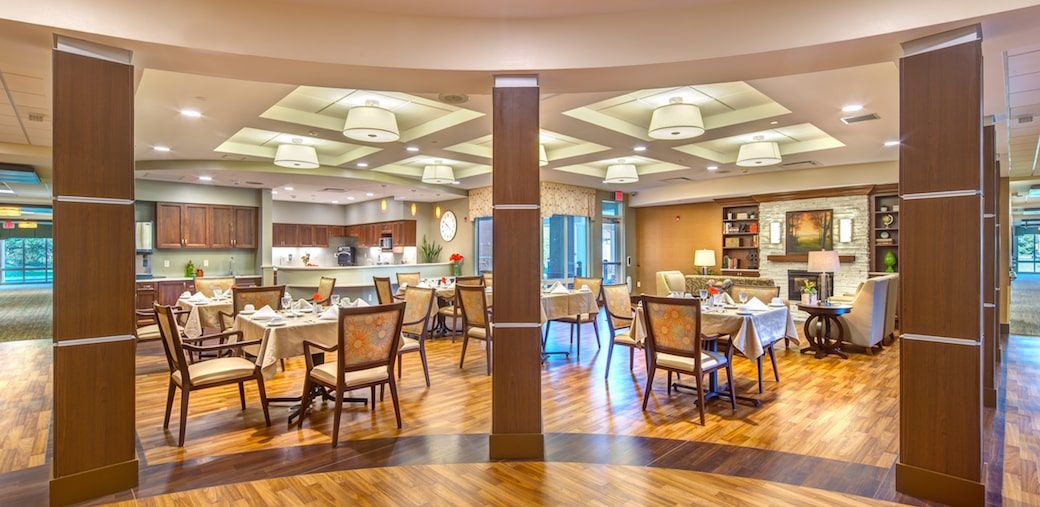
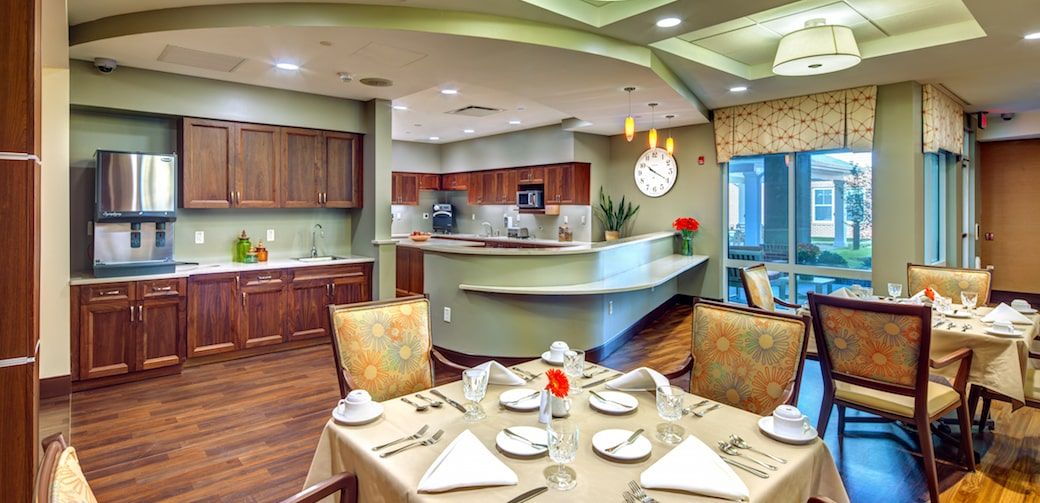
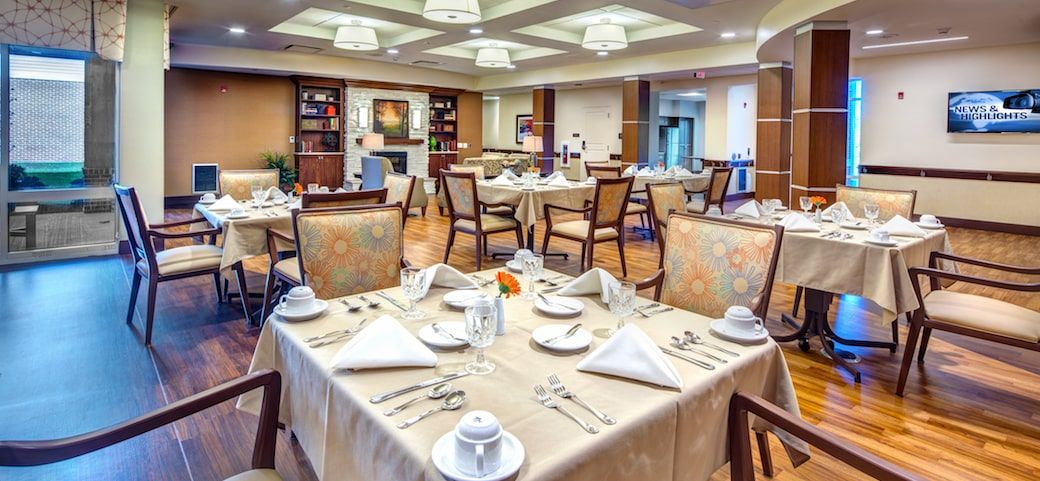
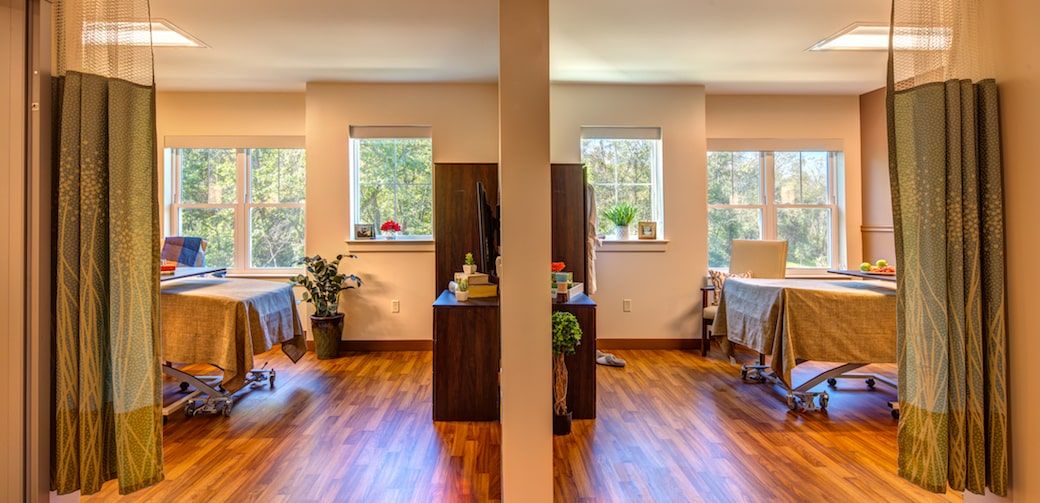
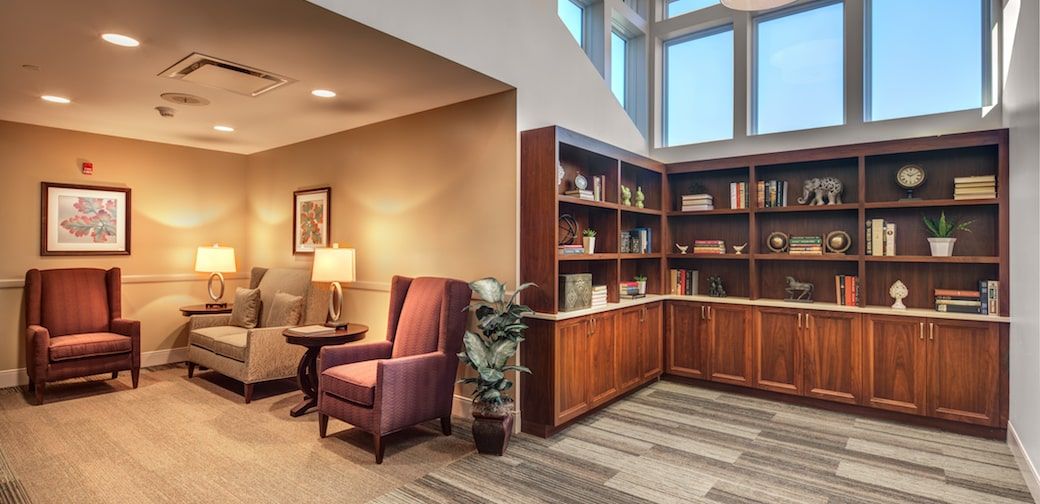
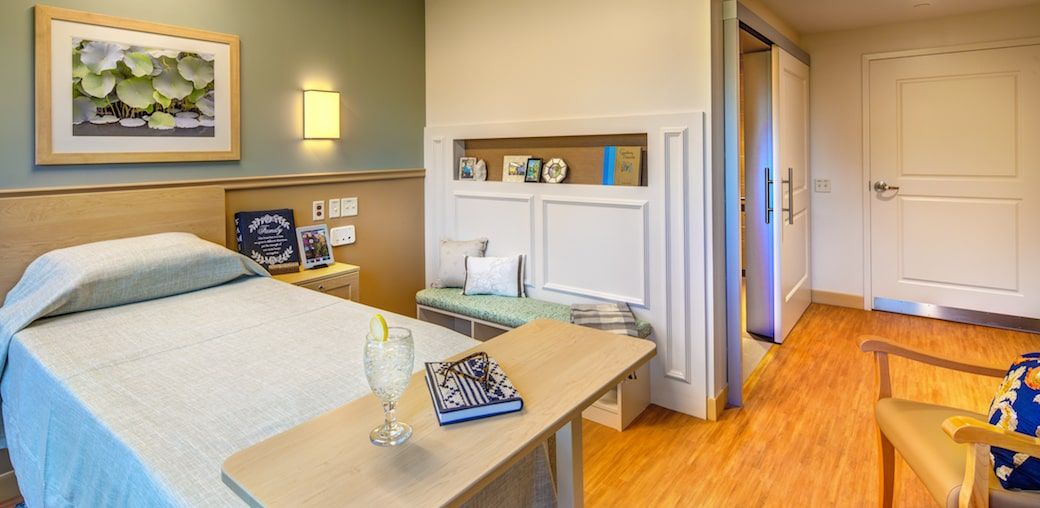
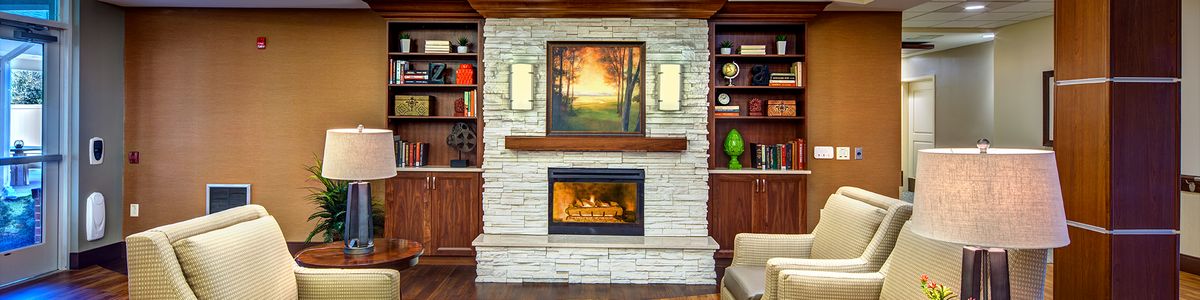
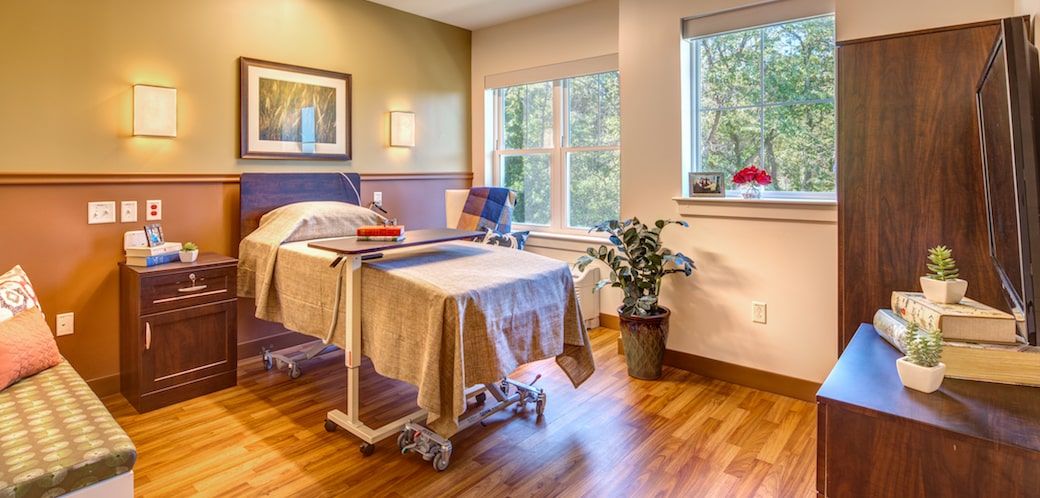
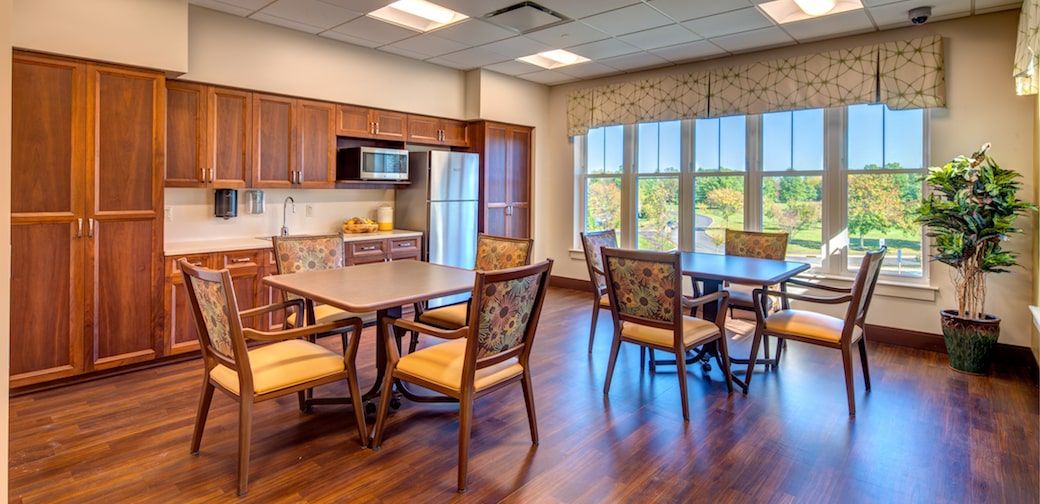
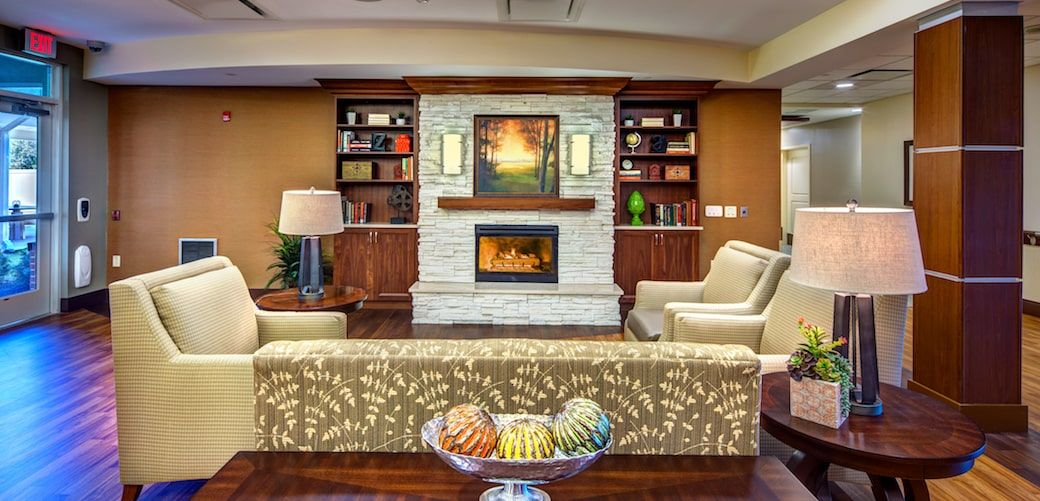
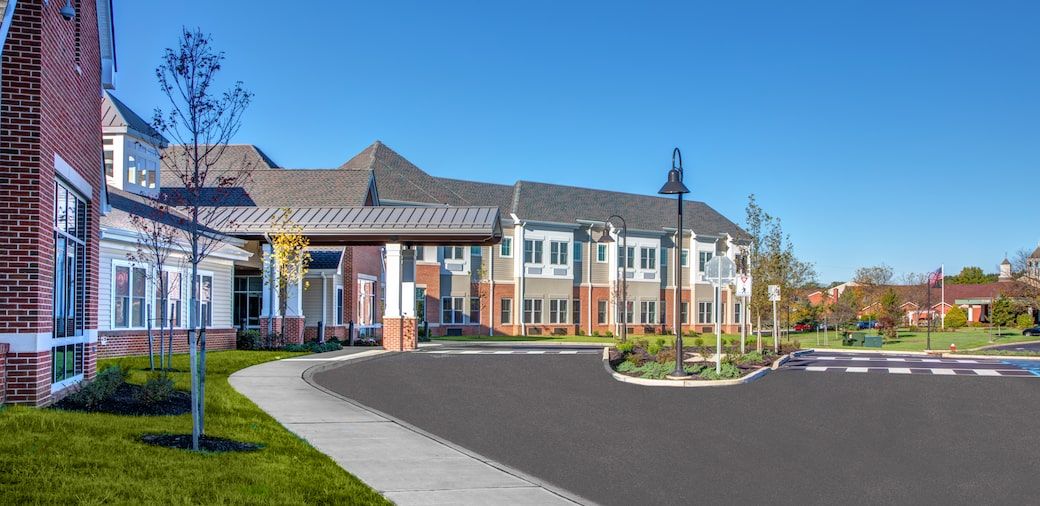
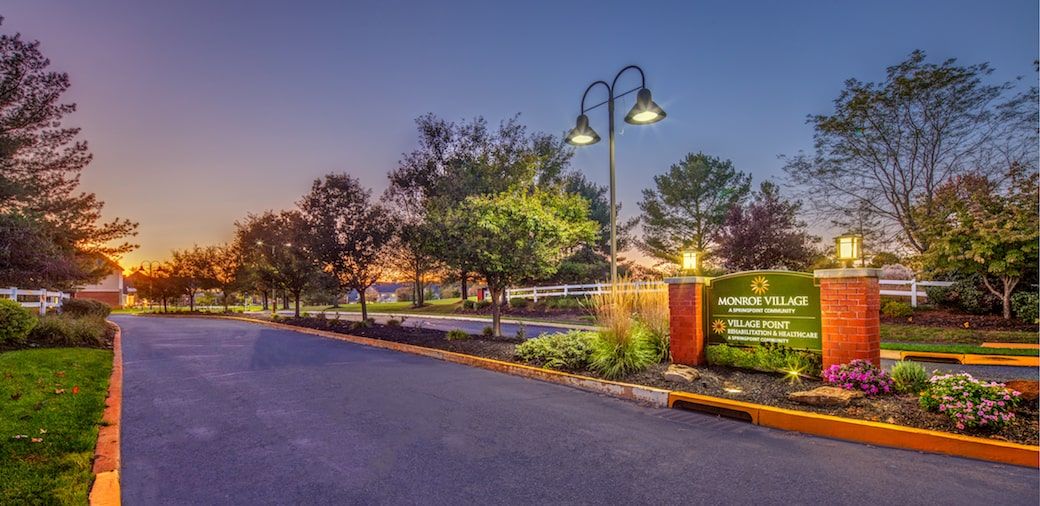
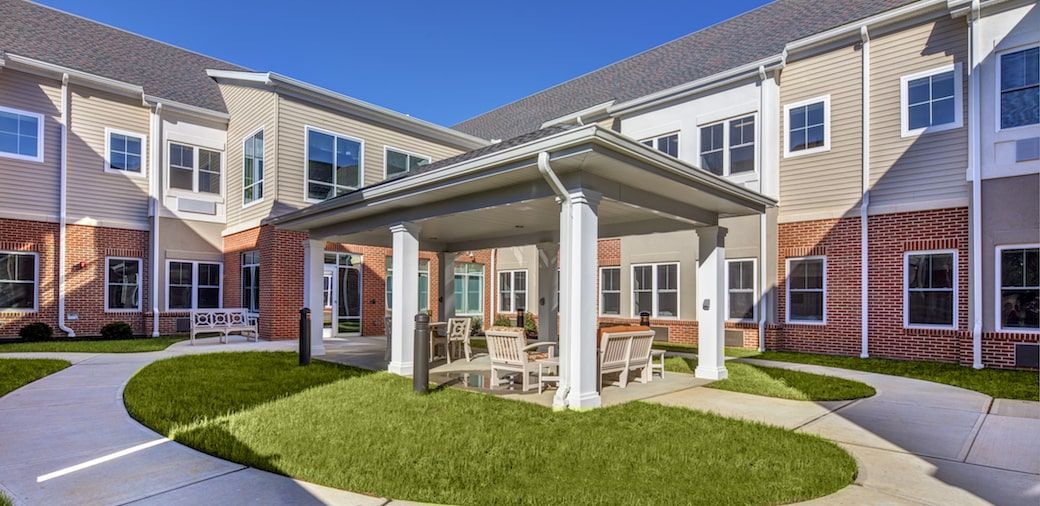
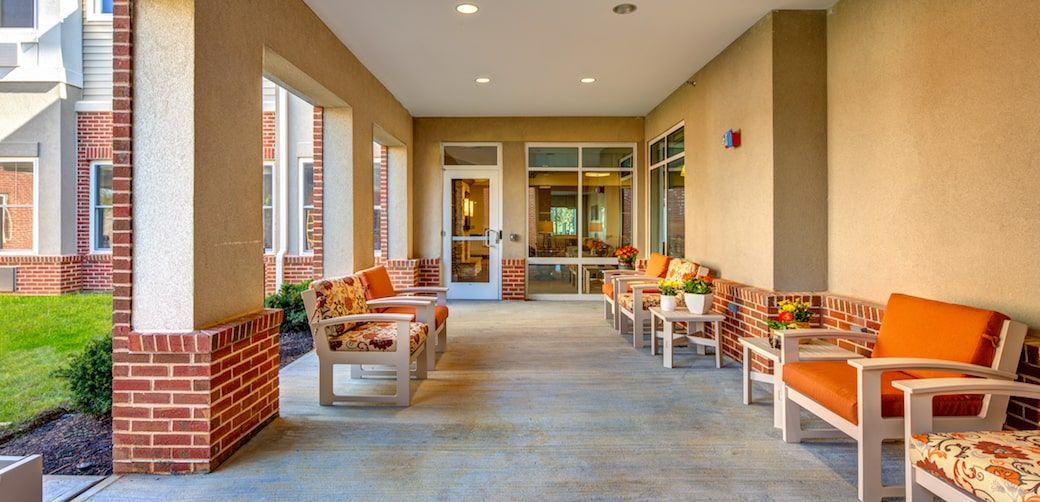
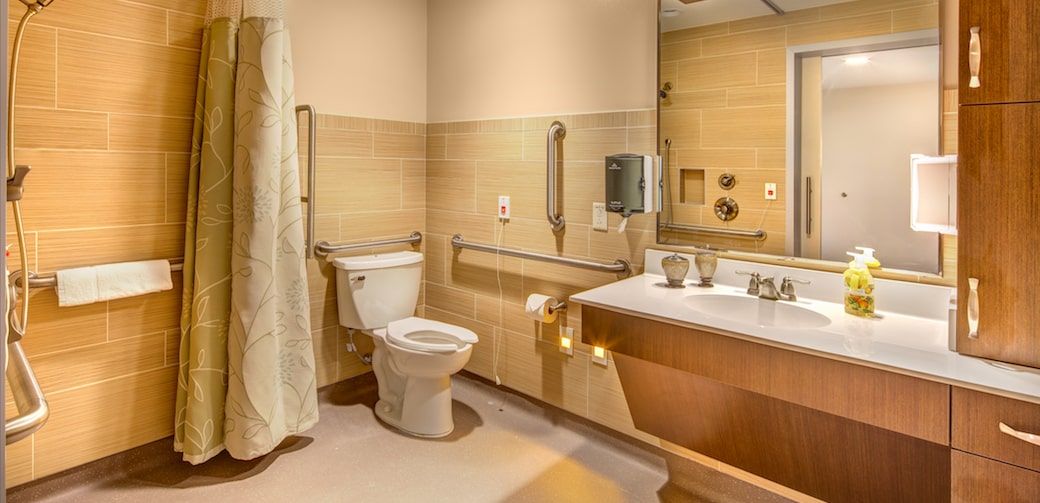
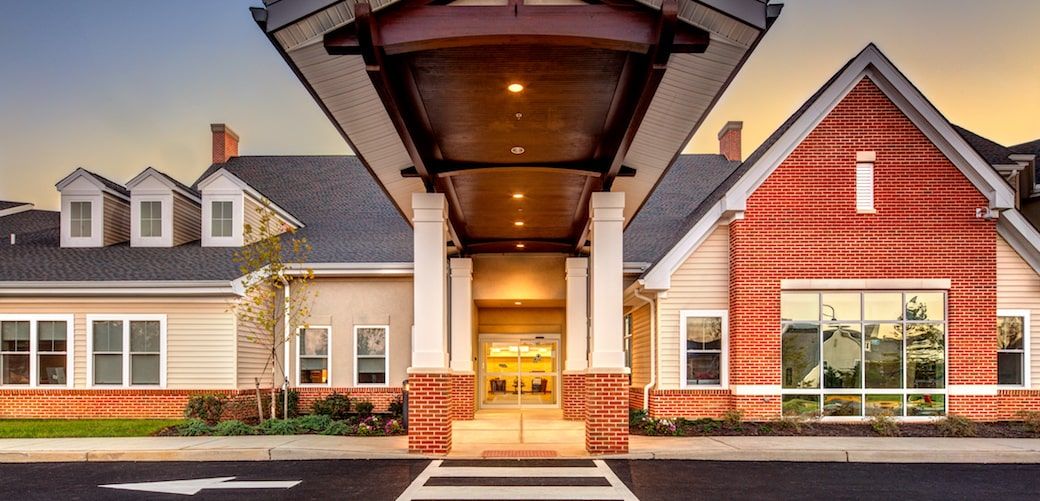
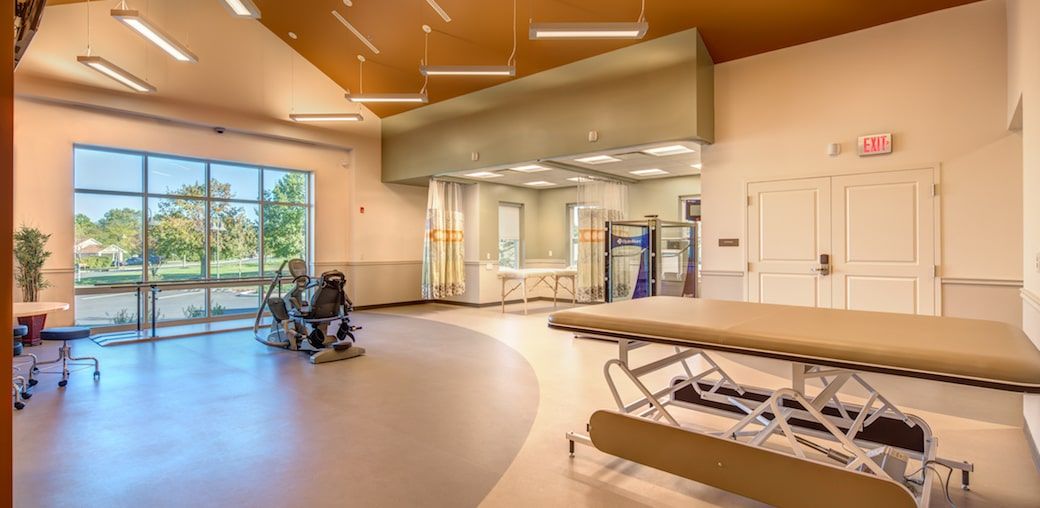
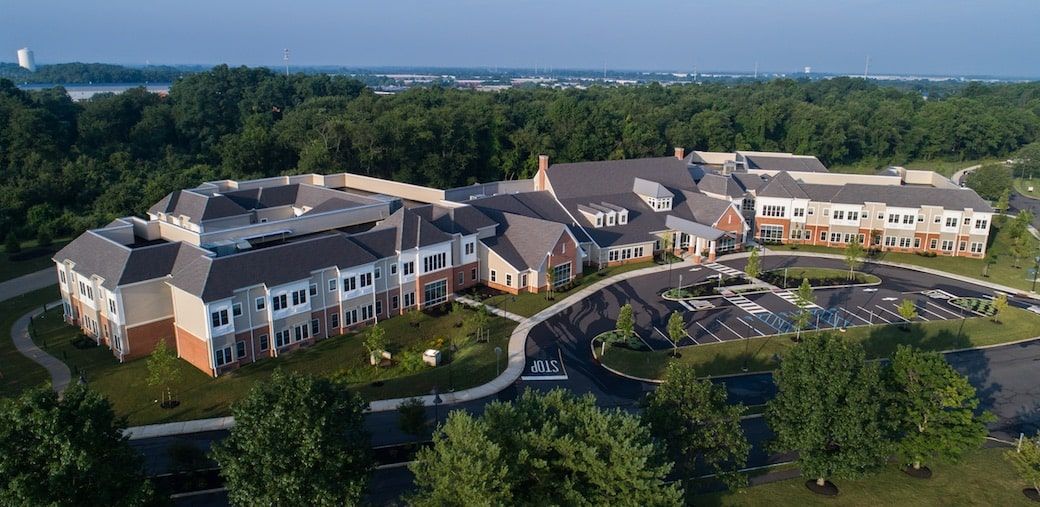
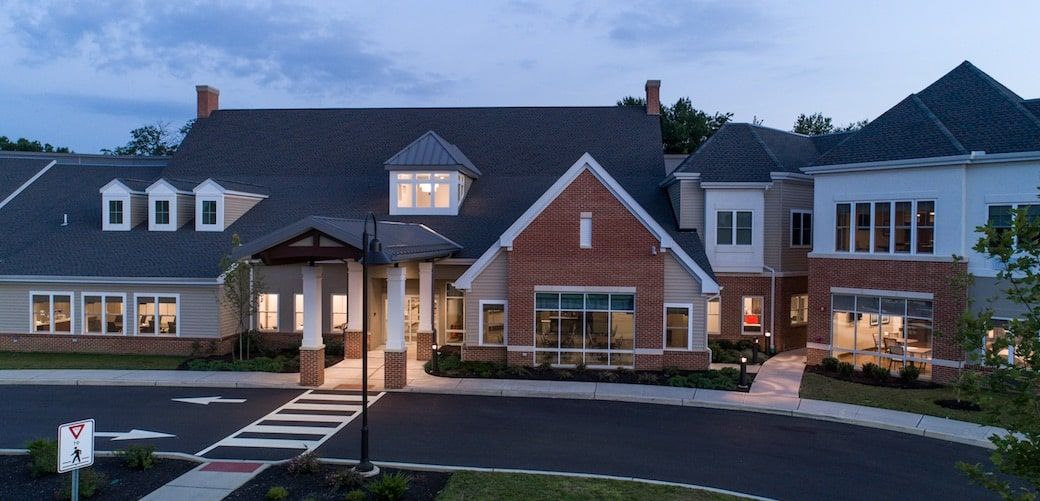
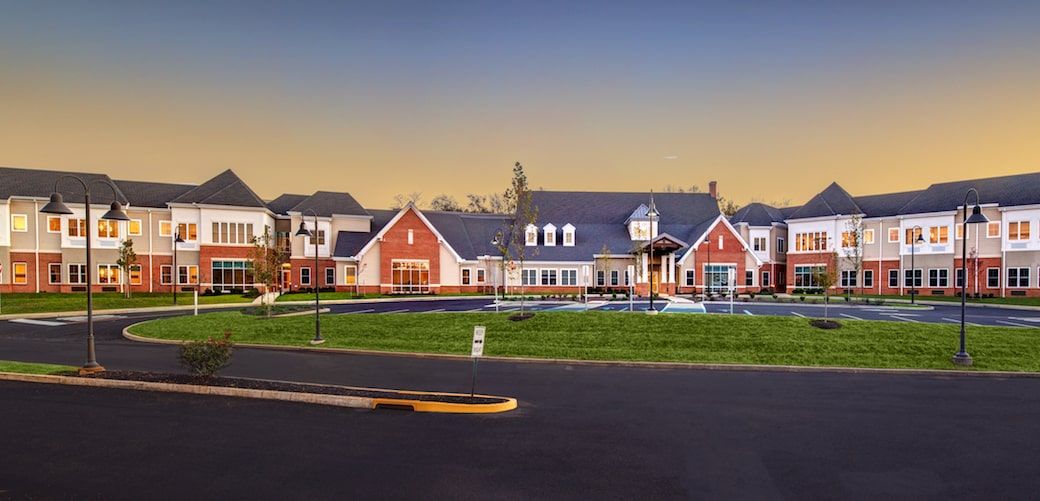
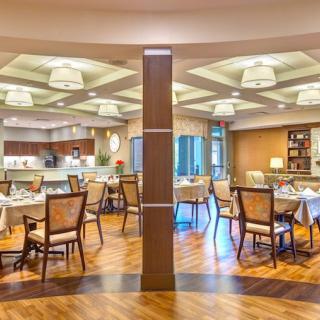
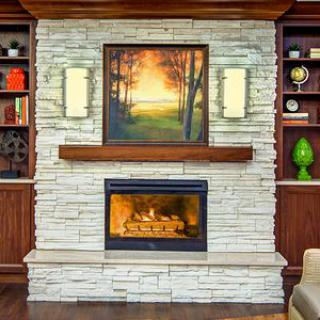
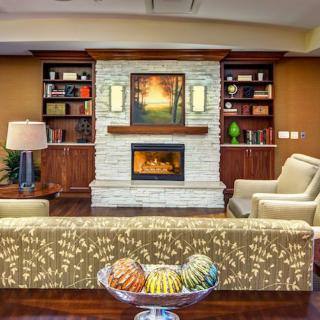
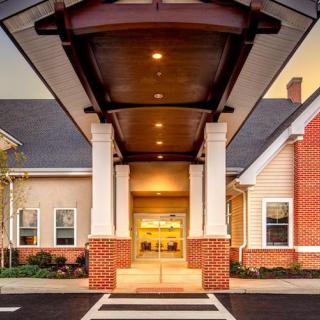
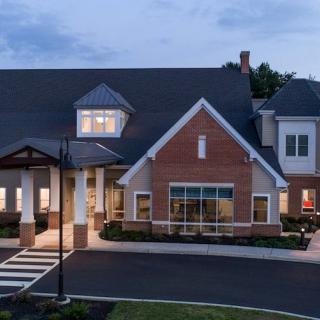
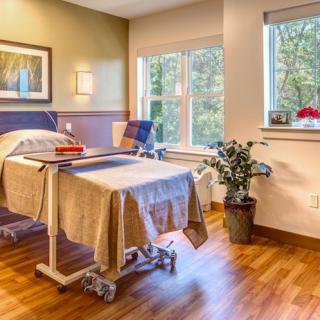
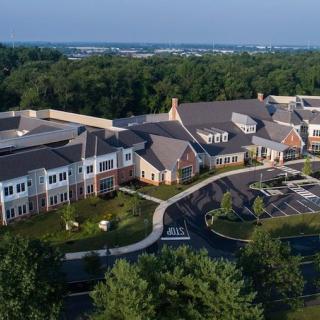
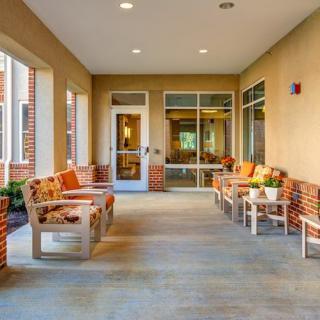
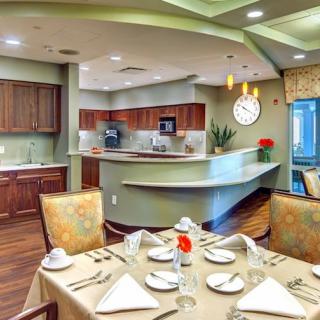
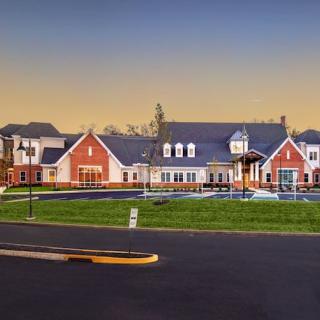
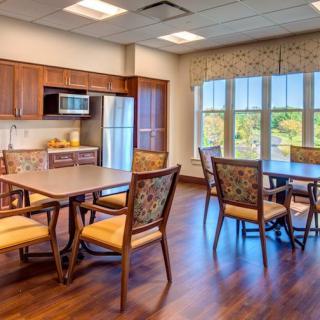
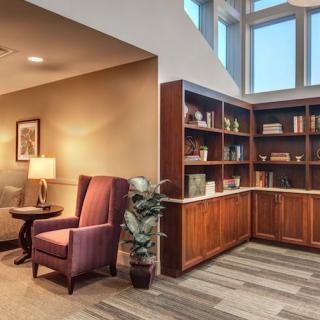
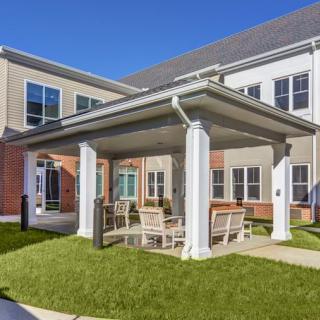
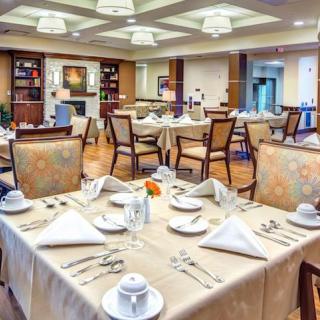
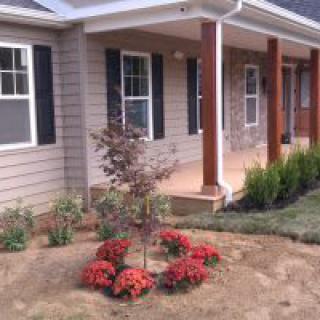
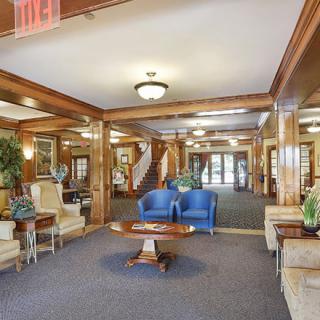
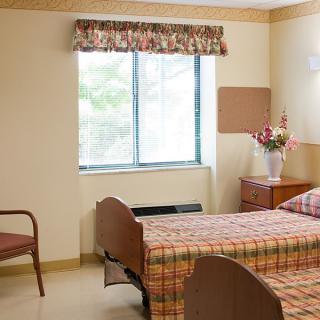
Village Point on seniors.fyi includes 20 photos including images showing building, dining, interior, landscaping, architecture, windows, entrance, seating area, and more.
Nearby Communities
Monroe Village Health Care
Jamesburg, NJ
3.9 from 13 reviews
Modern, well-kept accommodations with friendly staff and a wide range of activities and dining options.
The Chelsea at Forsgate
Monroe Township, NJ
4.1 from 66 reviews
$4,350 to $7,470 / month
Compassionate, responsive staff with personalized therapies in a warm, engaging environment.
Comforcare Senior Services
Jamesburg, NJ
3.9 from 7 reviews
Personalized care in a serene setting with nearby parks, pharmacies, doctors, dining, and worship.
Millennium Memory Care
Monroe, NJ
4.4 from 44 reviews
$8,000 / month
Attentive staff and clean, well-maintained facilities.
Rossmoor Village
Monroe, NJ
Small, intimate community with personalized care and meals.
SeniorBridge - Monroe Township, NJ
Monroe Township, NJ
4.5 from 108 reviews
Excellent proximity to parks, pharmacies, physicians, restaurants, and places of worship.
Brookdale Monroe
Monroe Township, NJ
4.5 from 106 reviews
$4,760 to $7,210 / month
Warm, engaging community with dedicated staff and memory care expertise.
Clearbrook
Monroe, NJ
3 from 8 reviews
Well-maintained community with diverse housing options and active social amenities.
Cranbury Center
Monroe Township, NJ
3.9 from 119 reviews
Caring, attentive staff and a clean, engaging environment with good dining and activities.
Dementia, influenced by aging and certain medications, may be exacerbated by drug classes such as anticholinergics, benzodiazepines, and antipsychotics, which are associated with cognitive impairment. Regular medication reviews by healthcare professionals are crucial for older adults to manage risks and optimize cognitive health.
Dementia often results in disrupted sleep patterns, leading to excessive daytime sleeping due to factors like brain damage affecting circadian rhythms, medication side effects, and lack of structure in daily activities. Caregivers must monitor these changes closely, as oversleeping can increase risks such as malnutrition or dehydration, and provide necessary support and routines to enhance patient engagement and well-being.
The transition from assisted living to skilled nursing care is often prompted by complex medical needs that assisted living cannot meet, with key indicators including frequent health declines, increased falls, severe memory issues, and caregiver burnout. Families should recognize these signs early to discuss options with healthcare providers and prepare for the emotional and logistical aspects of moving to a facility that offers comprehensive medical support.
Exercise Equipment, Rehabilitation, and Therapy Room
Pathway and Park
Exterior and Parking
Bookshelves
Nature and Aerial View
Library and Cozy Atmosphere
Brick
Lights
Bright Lighting
Lighting Fixtures
Fridge
Spa and Massage Room
Daylight
Get PricingAsk A QuestionSchedule A TourContact Senior Advisor
By clicking submit, you agree to our Partner's Terms of Use. You
also consent to receive calls and texts, which may be autodialed, from our Partner. Your consent is not a condition to
using our Partner's service. Please visit our Partner's Privacy Policy for information about their privacy practices.


 120 resident community capacity
 Assisted Living
 Memory Care
 Air-conditioning
 Beauty salon
 Cable or satellite TV
 Computer center
 Dining room
 Fitness room
 Fully furnished
 Gaming room
 Garden
 Housekeeping services
 Kitchenette
 Move-in coordination
 Outdoor space
 Private bathrooms
 Restaurant-style dining
 Small library
 Telephone
 Wellness center
 Wi-Fi/high-speed internet available
 Trenton-Mercer County (20 miles away)
 Community operated transportation
 12-16 hour nursing
 24-hour call system
 Activities of daily living assistance
 Assistance with bathing
 Assistance with dressing
 Assistance with transfers
 Diabetes diet
 Medication management
 Mental wellness program
 Special dietary restrictions
 Concierge services
 Planned day trips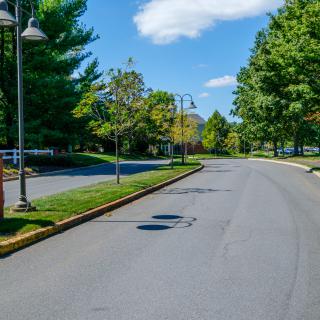
 Modern, well-kept accommodations with friendly staff and a wide range of activities and dining options.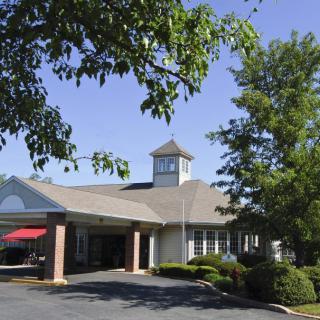

 A Thorough Discussion of Medications Potentially Linked to Dementia Risk
 Why Do Dementia Patients Sleep So Much? Understanding Oversleeping, Stages, and Care Approaches
 8 Key Indicators That Suggest It May Be Time to Transition from Assisted Living to Skilled Nursing Care