The Pines in Whiting, NJ

Save

  • Interior

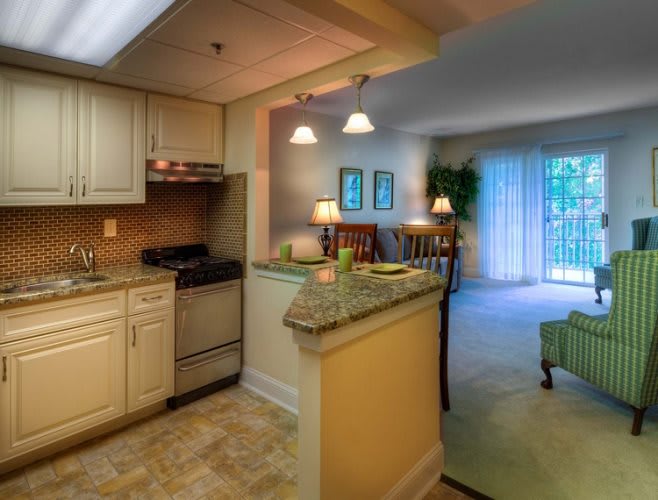
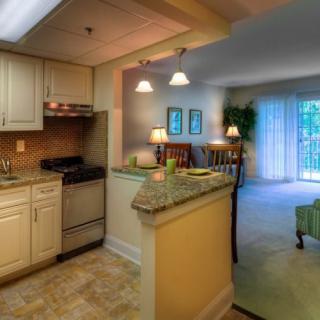
    A modern open-plan kitchen and living area with stylish decor and natural lighting.
  • Outdoors

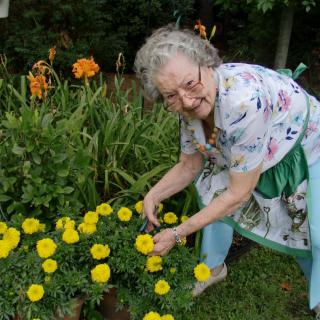
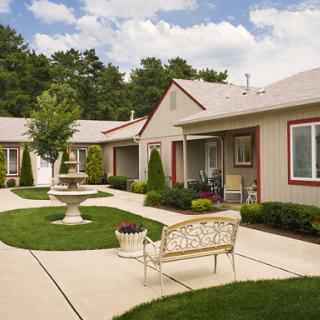
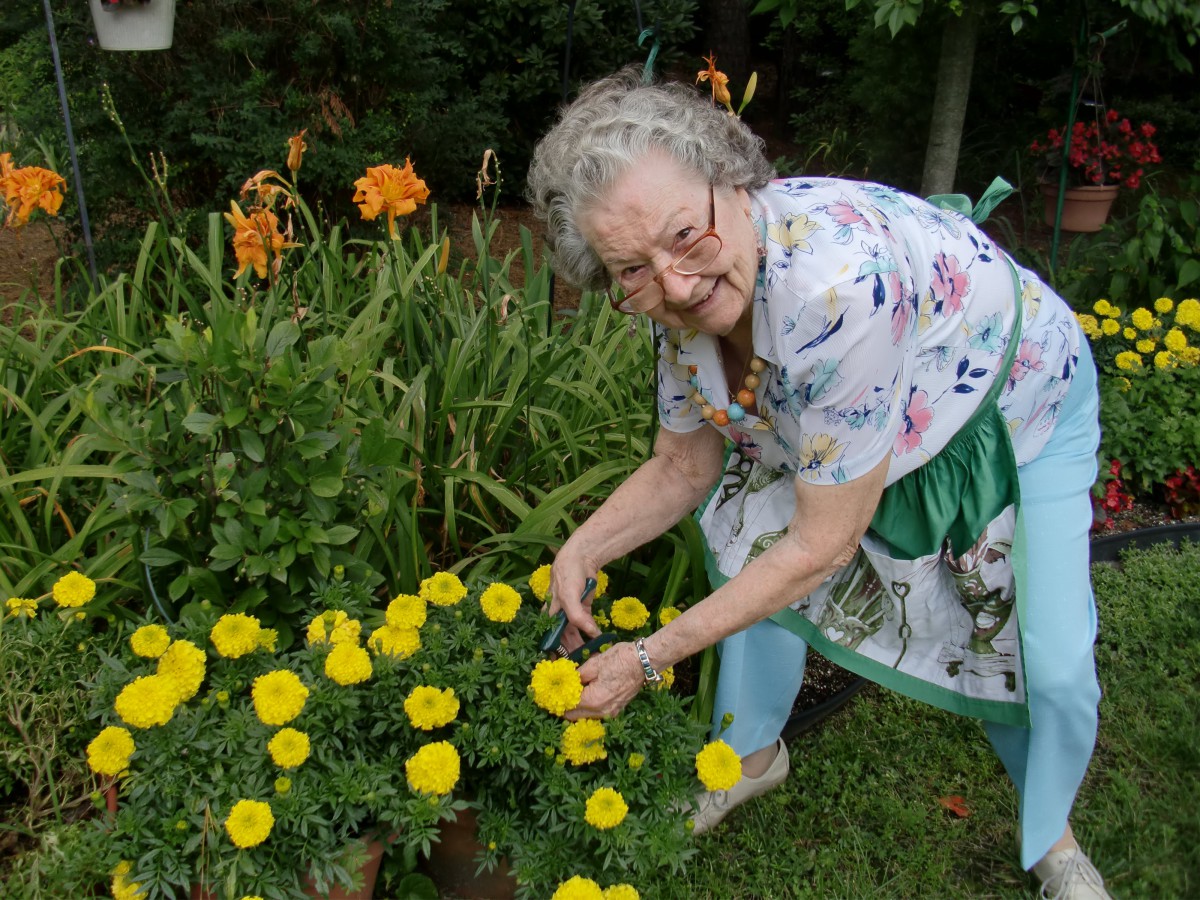
    An elderly woman tending to her vibrant garden filled with marigolds.
  • Decor

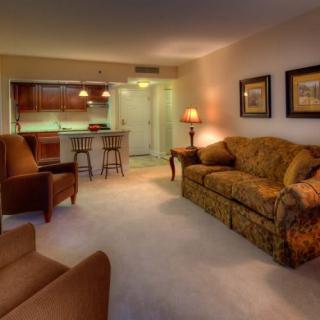
    Cozy living room with comfortable seating and warm lighting.
  • Living Room

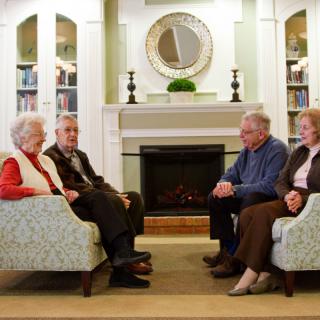
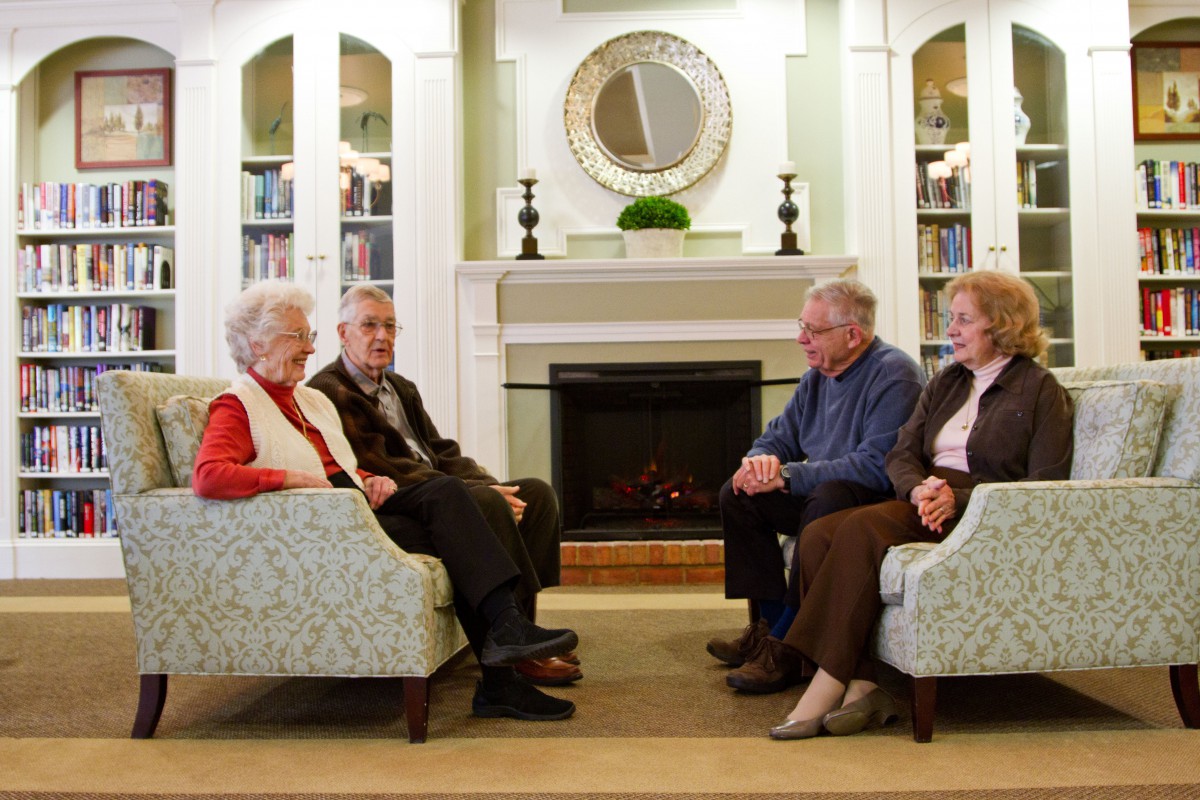
    A group of seniors sitting in a living room having a conversation near the fireplace.
  • Dining

    A chef in uniform standing inside a restaurant.
  • Fireplace

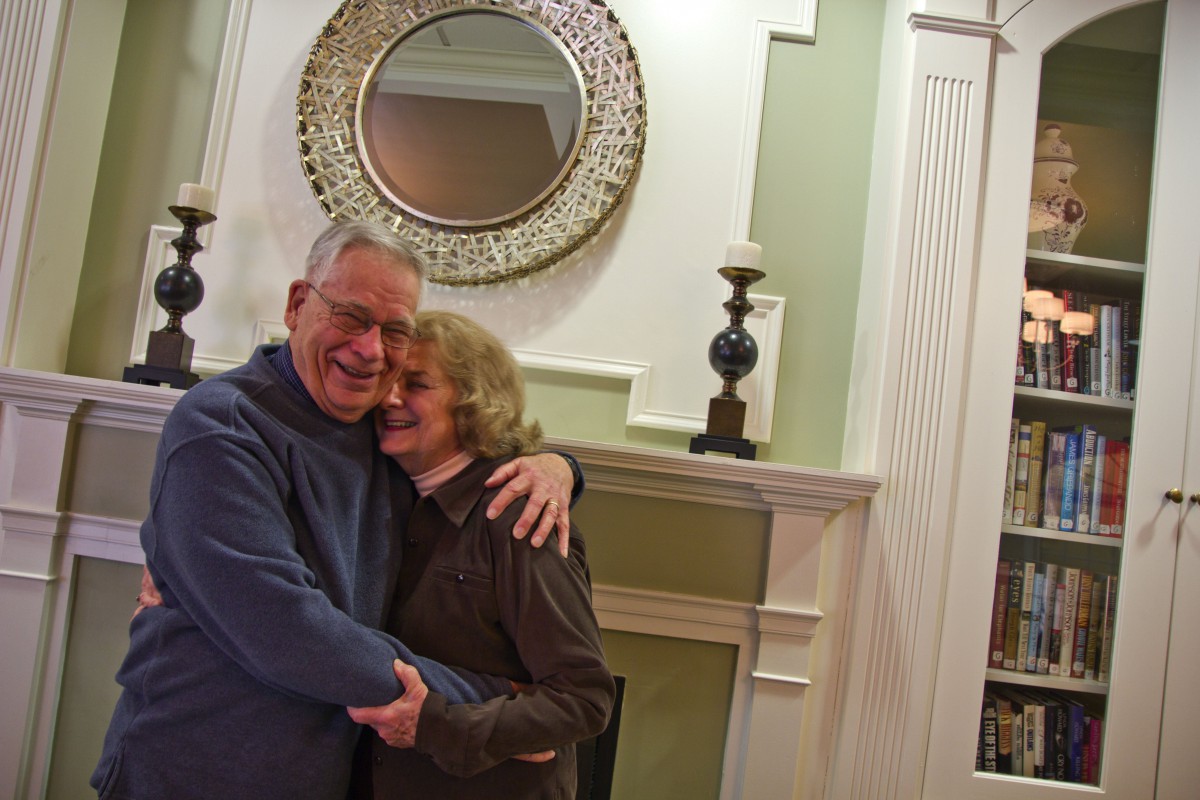
    A happy couple embracing in front of a fireplace with decorative items.
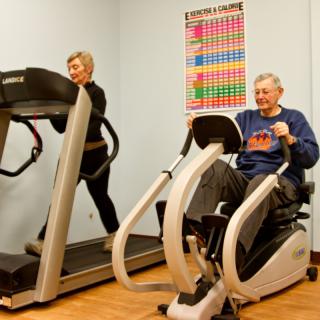
  • Exercise Equipment

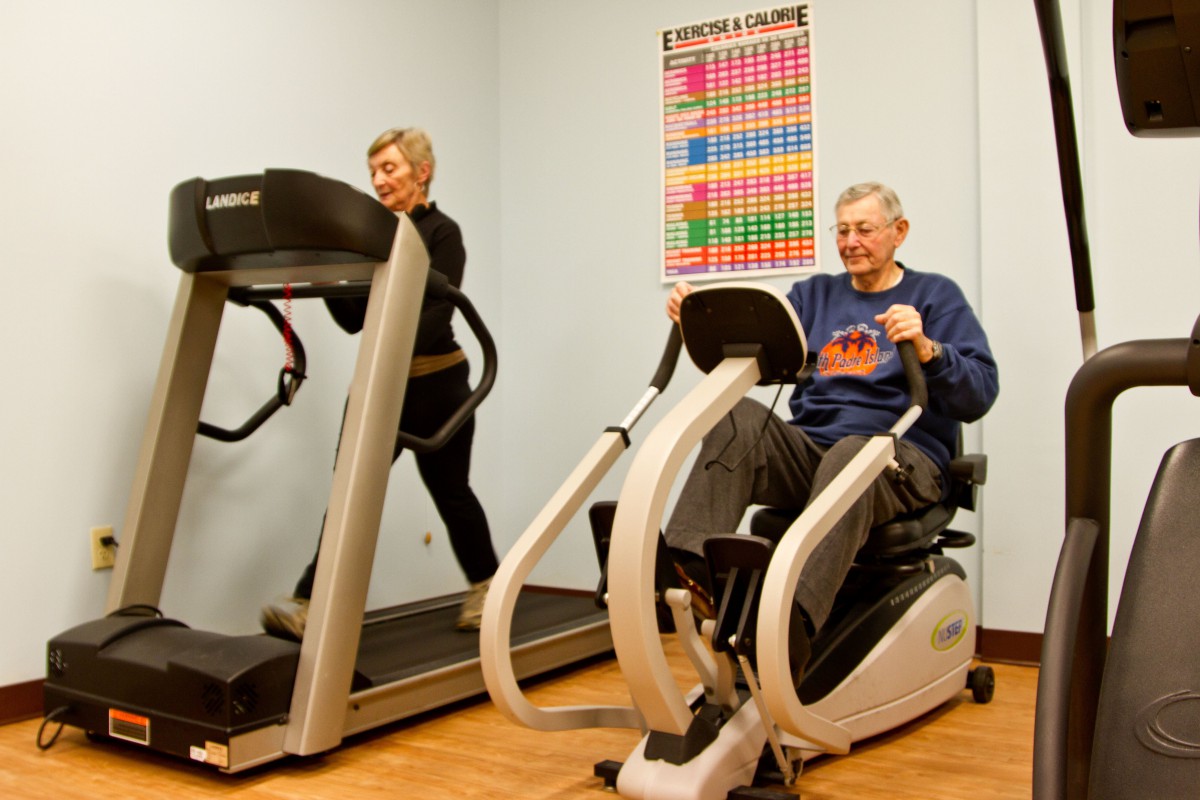
    Two elderly individuals exercising on gym equipment, with one using a treadmill and the other on a stationary bike.

The Pines in Whiting, NJ

Information last verified:

509 Route 530, Whiting, NJ 08759

For more information about senior living options: (844) 490-3973

4.4 from 77 reviews
5 stars
57
4 stars
8
3 stars
3
2 stars
1
1 stars
8

Seniors.FYI Elite Community Awards

Top 5% Senior Living Community in 2017Top 5% Senior Living Community in 2019Top 5% Senior Living Community in 2020

Add this award to your website

The Pines Costs & Pricing

The Pines offers competitive pricing for its accommodations, making it an appealing option in comparison to both Ocean County and the broader New Jersey market. For instance, a studio unit at The Pines is priced at $2,041 per month, significantly lower than the average of $4,500 in Ocean County and the state average of $5,286. Similarly, one-bedroom apartments are available for $2,378 - a considerable reduction compared to Ocean County's $4,332 and New Jersey's overall rate of $5,994. Even for two-bedroom options, The Pines remains economically attractive at $3,279 versus $4,353 in Ocean County and $6,216 statewide. These cost advantages underscore The Pines' commitment to providing quality living spaces without overwhelming financial burdens.

Floor plansThe PinesOcean CountyNew Jersey
Studio$2,041$4,500$5,286
1 Bedroom$2,378$4,332$5,994
2 Bedrooms$3,279$4,353$6,216

Overall Review of The Pines

Pros

  • pro The parents' quality of life has improved tremendously, and they are very happy.
  • pro The facility is clean and the decor is appealing.
  • pro The staff truly cares about the residents.
  • pro It has a wonderful, warm, cozy, and friendly atmosphere.
  • pro There are plenty of activities and events to keep residents entertained and stimulated.
  • pro The food is very good.
  • pro Hamilton Place at Pines Village is an excellent sub-acute rehab facility.
  • pro The staff—from dining services to housekeeping, aides, and nurses—go above and beyond.
  • pro The nurses are outstanding, always attentive and thoughtful, ensuring residents' needs are met with kindness and expertise.
  • pro The Pines is a great place to live.

Cons

  • pro The Pines is described as the worst, with rude, unhelpful nurses and chronic short-staffing.
  • pro The toilet paper policy, requiring families to provide supplies, is seen as cheap and unreasonable.
  • pro The new ownership has cut maintenance, increased costs, reduced on-site staffing, and prioritized upgrades over resident care.
  • pro The administration is viewed as profit-driven and not concerned with patients’ well-being.
  • pro There were instances of falls where family members were not notified promptly and proper medical care was not consistently provided.
  • pro Unit manager Alisia is described as unprofessional and rude, caring more about herself than her patients.
  • pro Transportation to medical appointments is now charged, a change perceived negatively.

Review

The Pines in Whiting, NJ, is best suited for active seniors who want an all-in-one continuum on a single campus. Families weighing a move for a loved one who can transition smoothly from independent living through assisted living and into nursing care will find a compelling fit here. The campus emphasizes a warm, social atmosphere, abundant activities, and robust dining options across multiple venues, all supported by convenient on-site rehab and memory-care capacity. For those who prize continuity of care and the opportunity to “age in place” without uprooting as needs change, The Pines offers a practical, destination-like setting in the Pine Barrens with easy access to Whiting’s amenities and medical services. This is not a no-frills, one-level operation; it is a full-service community designed to keep residents engaged as their care requirements evolve.

The facility earns praise for tone, cleanliness, and genuine staff care. Reviewers repeatedly highlight a welcoming, homey environment where the decor feels warm and the surroundings are well maintained. Residents have access to a broad slate of activities, from brain games and art classes to fitness programs, outings, and three dining rooms with varied menus. The presence of a chaplain and regular spiritual programming adds another layer of support for families seeking a spiritually grounded community. Nursing and therapy teams, when functioning smoothly, deliver attentive care and steady progress in rehabilitation, with many accounts praising the dedication of aides, nurses, and dining staff who go “above and beyond” to accommodate needs. The predictable result is a strong sense of belonging, with residents who feel connected to peers, staff, and the broader Pines family.

Yet, the experience at The Pines is not uniformly flawless, and several critical threads run through the feedback. A number of reviews describe persistent staffing gaps and uneven clinical responsiveness, particularly during shifts when demand outstrips coverage. Instances of rude or overwhelmed staff members, and frustration with administrative changes after new ownership, surface as notable drawbacks. Price sensitivity also appears in multiple complaints: some residents and families report notable cost increases, new charges for services such as transportation, and a policy stance around basic items that feels penny-pinching to relatives (for example, discussions around toiletries or similar necessities). A few reviews raise concerns about follow-through on medical issues or timely notification after accidents, underscoring that the medical oversight on a busy campus can be variable. Taken together, cons cluster around staffing stability, cost transparency, and leadership consistency.

The core strengths of the Pines, its continuum, its community, and its comprehensive activity menu, do offer meaningful offset to these drawbacks, but only when expectations align with current conditions. For families prioritizing continuity of care, the ability to move between independent living, assisted living, memory care, and rehab without relocating is a major value proposition. The on-site rehab wing and memory-care unit provide a protection against disruptive moves, and consistent praise for therapy teams and caregivers suggests that, when staffed adequately, clinical care remains solid. The campus-wide culture of warmth and engagement also cushions the sting of occasional service gaps, because residents often attribute improvements in mood, social participation, and overall well-being to the supportive, lively environment.

Those who should consider alternatives are clear-cut. If a loved one requires intensive, around-the-clock medical management with minimal risk of a staffing shortfall, or if a family places a premium on rock-solid cost transparency and predictable monthly pricing with no discretionary charges, another community may offer greater peace of mind. For seniors who insist on cutting-edge facilities with newer construction, or for families with tight travel or insurance constraints, the Pines’ older-but-well-kept campus and the reported variability in administrative practices may not be the best match. Additionally, if a family highly prioritizes consistently calm and uniformly responsive clinical staffing across all shifts, the described pattern of turnover and occasional understaffing could undermine confidence over time.

For families making a real-world decision, the recommended approach is practical and deliberate. Schedule in-person visits during mealtimes and program activities to observe how the staff interacts with residents; talk to multiple residents and family members about their day-to-day experiences; request a current staffing ratio snapshot for each shift and a copy of the latest incident or follow-up log. Ask for a clear, written explanation of all costs beyond the base rate, including transportation, care add-ons, and any policy-driven charges, and verify what is included in the “all-inclusive” feel often described by long-term residents. Seek opportunities to meet the administrator and the leadership team, and request current references from residents who recently transitioned within the Pines’ levels of care. When aligned, The Pines can deliver a vibrant, connected living experience with a built-in care continuum; when misalignment appears, especially around staffing stability or cost clarity, families may want to look elsewhere for steadier oversight and fewer financial ambiguities. In practical terms, The Pines represents a strong choice for active seniors seeking community, continuity, and engaged living, while alternatives may suit those prioritizing flawless medical traction, consistent staffing, and transparent, predictable pricing.

Features

Housing

  • 96 resident community capacity 96 resident community capacity

Types of Care

  • Assisted Living Assisted LivingAssisted living facilities provide crucial support and care for seniors who may need help with daily tasks such as medication management, bathing, and meal preparation. These communities offer a safe and comfortable environment where seniors can maintain their independence while receiving the assistance they need to thrive in their golden years.
  • Continuing Care Retirement Community (CCRC) Continuing Care Retirement Community (CCRC)Continuing Care Retirement Communities (CCRCs) are important for seniors because they provide a range of housing options and care services all in one location. This allows seniors to age in place and receive the level of care they need as their health changes, without having to move to a new facility. CCRCs provide a sense of security and peace of mind for seniors and their families, knowing that they will be taken care of no matter what the future holds.
  • Independent Living Independent LivingIndependent living communities are important for seniors because they offer a safe and supportive environment where older adults can live independently while still having access to amenities and services that enhance their quality of life. These communities provide social opportunities, recreational activities, and assistance with daily tasks, promoting overall well-being and allowing seniors to maintain their independence for as long as possible.
  • Memory Care Memory CareMemory care is crucial for seniors as it provides specialized support and services for individuals with dementia or Alzheimer's disease. These programs offer a safe and secure environment where residents receive personalized care, cognitive stimulation, and help with daily activities. Memory care helps seniors maintain their independence, quality of life, and dignity while also providing peace of mind for their families.
  • Skilled Nursing Facility Skilled Nursing FacilitySkilled Nursing Facilities are crucial for seniors as they provide round-the-clock medical care, rehabilitation services, and assistance with daily activities. These facilities ensure that seniors receive the specialized care they need to maintain their health and well-being as they age.

Amenities

  • Activities off-site Activities off-siteEngaging in off-site activities is crucial for seniors to maintain social connections, stay active, and stimulate their minds. It promotes overall well-being and helps combat feelings of isolation and loneliness.
  • Activities on-site Activities on-siteActivities on-site are important for seniors because they provide opportunities for socialization, mental stimulation, physical activity, and overall well-being. Engaging in activities can help seniors stay active, maintain their independence, and improve their quality of life.
  • Air-conditioning Air-conditioningAir conditioning is important for seniors as they are more vulnerable to heat-related illnesses and may have underlying health conditions that make it difficult for them to regulate their body temperature. It helps to keep them comfortable, safe, and healthy in hot weather.
  • Beautician on-site Beautician on-siteHaving a beautician on-site at a senior living community is important for seniors as it allows them to easily access grooming and personal care services, boosting their self-esteem and overall well-being. It also provides convenience and helps seniors maintain their sense of independence and personal style.
  • Beauty salon Beauty salonBeauty salons are important for seniors because they provide a space for them to feel pampered, socialize, and maintain their personal grooming and hygiene. Regular visits to a beauty salon can help boost seniors' self-esteem and overall well-being.
  • Cable or satellite TV Cable or satellite TVCable or satellite TV is important for seniors because it provides entertainment, news, and companionship, helping to combat loneliness and boredom. It also offers a wide range of programming options tailored to different interests and preferences.
  • Computer center Computer centerA computer center is essential for seniors as it provides access to technology, communication tools, and resources that can enhance their daily lives. It allows them to stay connected with loved ones, engage in online activities, and learn new skills, ultimately promoting socialization and mental stimulation.
  • Devotional services off-site Devotional services off-siteDevotional services off-site are important for seniors as they provide spiritual nourishment, social engagement, and a sense of community outside of the senior living facility. This can enhance overall well-being and help combat feelings of isolation and loneliness often experienced by older adults.
  • Devotional services on-site Devotional services on-siteDevotional services on-site provide seniors with spiritual support and a sense of community, as well as an opportunity for reflection and guidance during their senior living experience. This can promote emotional well-being and connection to others, leading to a more fulfilling and enriching lifestyle in their later years.
  • Fitness room Fitness roomHaving a fitness room in a senior living community is essential for seniors to stay active, maintain their physical health, and improve their overall well-being. Regular exercise can help prevent falls, reduce the risk of chronic diseases, and promote mental sharpness. It also provides social opportunities for residents to connect with others and enjoy a sense of community.
  • Fully furnished Fully furnishedFully furnished senior living communities are important for seniors because they provide convenience, comfort, and a hassle-free moving experience. Seniors can easily settle into their new living space without the stress of having to buy and move furniture. This allows them to focus on enjoying their new home and community.
  • Gaming room Gaming roomGaming rooms are important for seniors as they provide a fun and engaging environment for socializing, cognitive stimulation, and physical activity. Games can improve memory, problem-solving skills, and overall mental well-being while fostering friendships and reducing feelings of isolation.
  • Garden GardenGardens are important for seniors as they provide a peaceful and therapeutic environment for relaxation, physical activity, and socialization. Being in nature has been shown to reduce stress, improve mood, and promote overall well-being. Gardens also offer opportunities for seniors to engage in gardening activities, which can improve mobility, flexibility, and cognitive function. Additionally, gardens create a sense of community and connection with others who share a passion for plants and outdoor spaces.
  • Housekeeping services Housekeeping servicesHousekeeping services are important for seniors because they help maintain a clean and safe living environment, promote independence, and reduce the risk of accidents or illnesses. Additionally, having assistance with household chores can alleviate physical strain and allow seniors to focus on other aspects of their well-being.
  • Indoor common areas Indoor common areasIndoor common areas are crucial for seniors as they provide a space for socialization, recreation, and community engagement, promoting overall well-being and reducing feelings of isolation and loneliness.
  • Kitchenette KitchenetteKitchenettes are important for seniors living in senior living communities because they provide the convenience and independence of being able to prepare simple meals and snacks in the comfort of their own living space. This can help promote a sense of autonomy and well-being for seniors, allowing them to maintain some level of control over their dietary choices and daily routines.
  • Move-in coordination Move-in coordinationMove-in coordination is important for seniors because it helps ease the transition into their new living environment. It ensures that all logistics, such as packing, organizing movers, and setting up utilities are taken care of, allowing seniors to focus on settling in and adjusting to their new home. Having a smooth move-in process can alleviate stress and anxiety, making the transition smoother and more enjoyable for seniors.
  • Outdoor common areas Outdoor common areasOutdoor common areas are important for seniors as they provide a space for socialization, physical activity, and relaxation. Being outside in nature can improve mood and overall well-being, while also encouraging movement and engagement with others. These spaces can help combat feelings of isolation and promote a sense of community among residents.
  • Outdoor space Outdoor spaceOutdoor spaces are important for seniors as they provide opportunities for physical activity, social interaction, exposure to natural light and fresh air, and a sense of connection to nature. Having access to outdoor spaces can improve overall well-being and quality of life for older adults living in senior communities.
  • Private bathrooms Private bathroomsPrivate bathrooms are important for seniors in senior living communities because they provide independence, dignity, and comfort. Having a private bathroom allows seniors to maintain their personal hygiene routines without the need for assistance, promoting a sense of autonomy and privacy. Additionally, private bathrooms help prevent the spread of infections and provide a safe and clean environment for seniors to navigate safely.
  • Restaurant-style dining Restaurant-style diningRestaurant-style dining is important for seniors because it allows them to enjoy delicious, nutritious meals in a social and upscale setting. This enhances their dining experience, promotes healthy eating habits, and fosters socialization with fellow residents, ultimately contributing to their overall well-being and quality of life.
  • Small library Small librarySmall libraries are important for seniors as they provide access to a variety of reading materials, including books, newspapers, and magazines. This can help stimulate their minds, keep them engaged, and provide a sense of community through book clubs and other social activities. Additionally, reading has been shown to improve cognitive function and overall mental well-being in older adults.
  • Telephone TelephoneTelephones are important for seniors as they provide a lifeline for communication with loved ones, emergency services, and healthcare providers. They offer a sense of security and independence, enabling seniors to stay connected and access assistance when needed.
  • Wellness center Wellness centerWellness centers are important for seniors because they offer a variety of programs and services that promote physical, mental, and emotional well-being. These centers provide opportunities for exercise, socialization, education, and relaxation, helping seniors maintain their overall health and quality of life.
  • Wi-Fi/high-speed internet available Wi-Fi/high-speed internet availableWi-Fi/high-speed internet is important for seniors to stay connected with loved ones, access online resources, and participate in virtual activities to combat feelings of loneliness and isolation. It also allows them to easily manage healthcare needs, access entertainment, and engage in lifelong learning opportunities.

Transportation

  • Community operated transportation Community operated transportationCommunity operated transportation is crucial for seniors as it provides them with the means to access essential services, social activities, and medical appointments. It allows seniors to maintain their independence and quality of life by ensuring they can participate in activities outside of their homes. Additionally, community-operated transportation services offer a safe and reliable way for seniors to travel without having to rely on family or friends for assistance.
  • Transportation arrangement Transportation arrangementTransportation arrangements are crucial for seniors as they may face challenges with driving, mobility, or access to public transportation. Having reliable transportation services ensures that seniors can easily attend appointments, social activities, and maintain their independence and quality of life.
  • Transportation arrangement (non-medical) Transportation arrangement (non-medical)Transportation arrangements are essential for seniors as they provide access to essential services, activities, and social interactions outside the home. This service helps maintain independence, mobility, and overall well-being for seniors who may have limited transportation options.

Care Services

  • 24-hour call system 24-hour call system24-hour call systems are important for seniors because they provide peace of mind and immediate assistance in case of emergencies. This technology ensures that help is always available, promoting safety and security for elderly individuals living alone or in assisted living facilities.
  • 24-hour supervision 24-hour supervision24-hour supervision is important for seniors to ensure their safety, well-being, and access to immediate assistance in case of emergencies or health issues. This constant support provides peace of mind for both seniors and their loved ones, allowing them to age in place with dignity and security.
  • Activities of daily living assistance Activities of daily living assistanceActivities of daily living assistance are important for seniors because they provide essential support with tasks such as eating, bathing, dressing, and mobility. This assistance helps seniors maintain their independence, dignity, and overall quality of life as they age.
  • Assistance with bathing Assistance with bathingAssistance with bathing is crucial for seniors as it helps maintain personal hygiene, prevents infections, and ensures their overall well-being and comfort. It also provides a sense of dignity and independence for seniors who may struggle with this task on their own.
  • Assistance with dressing Assistance with dressingAssistance with dressing is important for seniors because it helps maintain their independence, promotes personal hygiene, prevents accidents and injuries, and improves overall quality of life. This service ensures that seniors can continue to dress comfortably and confidently, despite any physical limitations they may have.
  • Assistance with transfers Assistance with transfersAssistance with transfers is crucial for seniors as it helps prevent falls and injuries, maintains their independence, and ensures they can safely navigate their living environment. It also provides peace of mind for both seniors and their loved ones.
  • Diabetes diet Diabetes dietA diabetes diet is crucial for seniors as it helps manage blood sugar levels, reduce risks of complications, and improve overall health and well-being. By following a balanced and nutritious diet tailored to their specific needs, seniors can better control their diabetes and enhance their quality of life.
  • Meal preparation and service Meal preparation and serviceMeal preparation and service are crucial for seniors as they may have limited mobility or energy to cook nutritious meals. Having access to healthy and convenient food options can ensure they are getting the proper nutrition needed to maintain their overall health and well-being.
  • Medication management Medication managementMedication management is crucial for seniors to ensure they are taking the right medications at the correct dosages and times. This helps prevent adverse drug interactions, reduces the risk of medication errors, and promotes overall health and well-being. Proactive management also allows for adjustments as needed based on changing health conditions or new prescriptions.
  • Special dietary restrictions Special dietary restrictionsSpecial dietary restrictions are important for seniors because age-related changes in metabolism and health conditions can make it difficult for their bodies to process certain foods. By following a diet tailored to their specific needs, seniors can maintain their overall health and well-being, manage chronic conditions, and reduce the risk of complications such as malnutrition or food interactions with medications.

Dining

  • Diabetes diet Diabetes dietA diabetes diet is crucial for seniors as it helps manage blood sugar levels, reduce risks of complications, and improve overall health and well-being. By following a balanced and nutritious diet tailored to their specific needs, seniors can better control their diabetes and enhance their quality of life.
  • Meals provided Meals provided"Meals provided" are crucial for seniors in assisted living communities as it ensures they have access to nutritious, balanced meals without the stress of meal planning and preparation. This can help promote overall health and well-being for seniors who may have limited mobility or cognitive abilities.
  • Special dietary restrictions Special dietary restrictionsSpecial dietary restrictions are important for seniors because age-related changes in metabolism and health conditions can make it difficult for their bodies to process certain foods. By following a diet tailored to their specific needs, seniors can maintain their overall health and well-being, manage chronic conditions, and reduce the risk of complications such as malnutrition or food interactions with medications.

Activities

  • Activities off-site Activities off-siteEngaging in off-site activities is crucial for seniors to maintain social connections, stay active, and stimulate their minds. It promotes overall well-being and helps combat feelings of isolation and loneliness.
  • Activities on-site Activities on-siteActivities on-site are important for seniors because they provide opportunities for socialization, mental stimulation, physical activity, and overall well-being. Engaging in activities can help seniors stay active, maintain their independence, and improve their quality of life.
  • Community-sponsored activities Community-sponsored activitiesCommunity-sponsored activities are important for seniors as they provide opportunities for social interaction, mental stimulation, and physical activity. These activities can help improve overall well-being, combat loneliness and isolation, and promote a sense of belonging and purpose among older adults.
  • Concierge services Concierge servicesConcierge services are essential for seniors as they provide assistance with daily tasks and errands, enhance their quality of life by offering convenience and personalized care, and promote a sense of safety and security.
  • Devotional activities offsite Devotional activities offsiteDevotional activities offsite are important for seniors because they provide social engagement, spiritual growth, and a sense of community outside of their living environment. This can improve overall well-being, mental health, and combat feelings of isolation or loneliness.
  • Devotional activities on-site Devotional activities on-siteDevotional activities on-site provide seniors with a sense of community, spiritual fulfillment, and emotional support, promoting overall well-being and a positive sense of purpose in their lives.
  • Fitness programs Fitness programsFitness programs are crucial for seniors as they help improve strength, flexibility, balance, and overall well-being. Staying active can reduce the risk of chronic diseases, improve mental health, and enhance quality of life in older adults.
  • Planned day trips Planned day tripsPlanned day trips are important for seniors because they offer opportunities for socialization, mental stimulation, and physical activity. They provide a change of scenery and help seniors stay engaged and connected to their community, promoting overall well-being and quality of life.
  • Resident-run activities Resident-run activitiesResident-run activities are important for seniors as they encourage social interaction, creativity, and a sense of autonomy. These activities empower seniors to stay engaged and active in their community while fostering meaningful connections with their peers.
  • Scheduled daily activities Scheduled daily activitiesScheduled daily activities are important for seniors because they provide structure, socialization, mental stimulation, and physical activity. Engaging in regular activities can improve overall well-being and quality of life for seniors living in a community setting.

Description

The Pines in Whiting, NJ is a premier assisted living community that offers a range of care options including Continuing Care Retirement Community(CCRC), Independent Living, Memory Care, and Skilled Nursing Facility.

Residents at The Pines can enjoy a variety of amenities designed to enhance their overall well-being. They can participate in a wide array of activities right on-site, ranging from gaming rooms to fitness programs. Additionally, residents have access to a fully furnished facility with air-conditioning and cable or satellite TV. There is also a beautician on-site and a beauty salon for residents to pamper themselves.

Transportation services are readily available as the community operates its own transportation system. Devotional services are offered both on and off-site to cater to residents' personal beliefs. A computer center with Wi-Fi/high-speed internet allows residents to stay connected with loved ones.

Care services at The Pines include 24-hour supervision and assistance with activities of daily living such as bathing, dressing, and transfers. Medication management and special dietary restrictions are also provided by trained staff members. Transportation arrangements can be made for non-medical purposes.

Dining at The Pines is a delightful experience with delicious meals provided and special dietary restrictions accommodated.

A variety of activities are available for residents to engage in, including community-sponsored events, fitness programs, planned day trips, and concierge services. Devotional activities both on-site and offsite cater to residents' spiritual needs. Resident-run activities allow individuals to play an active role in shaping their community while scheduled daily activities keep them entertained and engaged.

Located within close proximity to 4 pharmacies and 2 physicians nearby ensures that residents have easy access to essential healthcare resources.

Overall, The Pines in Whiting offers an exceptional assisted living experience with high-quality care services, luxurious amenities, engaging activities, and convenient access to healthcare providers - all designed to create a comfortable environment where residents can thrive.

Nearby Places of Interest

Located in Whiting, New Jersey, this area offers convenient access to a variety of amenities and services that may be of interest to seniors looking for a vibrant community. With several pharmacies in close proximity, including CVS Pharmacy and Rite Aid, residents can easily access their medications and healthcare needs. Nearby physicians such as Whiting Foot & Ankle and Whiting Medical Associates provide medical care within reach. For dining options, popular restaurants like McDonald's and Applebee's are just a short drive away. In terms of healthcare facilities, Community Medical Center For Kids & Family and Children's Specialized Hospital Outpatient Centers are within a reasonable distance. Additionally, parks such as Jakes Branch County Park offer opportunities for outdoor recreation. The Toms River Bus Terminal provides easy transportation options for those looking to explore the surrounding areas. With various amenities nearby, this part of Whiting presents a well-rounded living option for seniors seeking convenience and accessibility in their daily lives.

Pharmacies

  • CVS Pharmacy (0.1 miles)
  • Rite Aid (1.4 miles)
  • Stop & Shop Pharmacy (2 miles)
  • CVS Pharmacy (2.1 miles)
  • Walgreens (5.7 miles)
  • CVS Pharmacy (5.8 miles)
  • Rite Aid (6 miles)

Physicians

  • Whiting Foot & Ankle (0.3 miles)
  • Whiting Medical Associates (0.7 miles)
  • Atlantic Ent Assoc PA (5.6 miles)
  • Sinha Prabhat, MD (5.8 miles)
  • Renal Center (5.9 miles)
  • Physician's Surgicenter (5.9 miles)
  • Anil Kumar Sharma (6 miles)

Restaurants

  • McDonald's (5.1 miles)
  • Applebee's (5.5 miles)
  • McDonald's (6.2 miles)
  • Burger King (6.3 miles)
  • Office Restaurant & Lounge & Sushi Bar (8.1 miles)
  • Baker's Water Street Bar & Grille (8.2 miles)
  • McDonald's (8.2 miles)

Hospitals

  • Community Medical Center For Kids & Family (6.6 miles)
  • Children's Specialized Hospital Outpatient Center – Toms River Lakehurst Road (7.4 miles)
  • Children’s Specialized Hospital Outpatient and Long Term Care Center – Toms River Stevens Road (8.1 miles)
  • Lacey Diagnostic Imaging Center (9.7 miles)
  • Southern Ocean Center For Health (10 miles)

Parks

  • Jakes Branch County Park (7.4 miles)
  • Gille Park (11 miles)

Transportation

  • Toms River Bus Terminal (7.8 miles)

Places of Worship

  • Presbyterian Church of Toms River (9 miles)

Cafes

  • Starbucks (9.5 miles)

Frequently Asked Questions

How much does it cost to live at The Pines in Whiting, NJ?
Where is The Pines?
Does The Pines provide care for residents with dementia or Alzheimer's disease?
What photos are available for The Pines in Whiting, New Jersey?

Nearby Communities

  • Georgetown Commons

    Georgetown Commons

    Whiting, NJ

    4.3 from 6 reviews
    $4,299 to $5,111 / month

    pro Attentive staff with good communication and quality meals.
  • Georgetown Commons At The Pines At Whiting

    Georgetown Commons At The Pines At Whiting

    Manchester Township, NJ

    3.7 from 29 reviews
     

    pro Wide range of services with on-site dining and transportation.

  • Crestwood Village 1

    Crestwood Village 1

    Whiting, NJ

    4.6 from 43 reviews
     

    pro Intimate 6-capacity community with on-site meals, medication management, housekeeping, and Wi?Fi, plus nearby pharmacies and physicians.

  • Crestwood Village 2

    Crestwood Village 2

    Whiting, NJ

     
    $3,995 to $5,530 / month

    pro Competitive pricing across multiple unit types with essential care services.

  • Crestwood Manor Health Care

    Crestwood Manor Health Care

    Whiting, NJ

    4.6 from 48 reviews
     

    pro Active, engaging community with personalized care.

  • Crestwood Manor New Jersey

    Crestwood Manor New Jersey

    Whiting, NJ

    4.6 from 42 reviews
     

    pro Well-maintained rooms with good food, engaging activities, and attentive staff.

  • Aristacare At Whiting

    Aristacare At Whiting

    Whiting, NJ

    4.3 from 125 reviews
    $6,960 / month

    pro Compassionate staff, effective therapy services, and a clean environment.

  • Silverwoods

    Silverwoods

    Toms River, NJ

    4.5 from 164 reviews
    $1,650 to $2,600 / month

    pro Friendly staff, clean modern apartments, and engaging activities.

  • Gardens of Pleasant Plains

    Gardens of Pleasant Plains

    Toms River, NJ

    4.5 from 30 reviews
     

    pro Intimate, small-capacity community with personalized care and included meals.

Related Resources

  • when to move from assisted living to nursing home8 Key Indicators That Suggest It May Be Time to Transition from Assisted Living to Skilled Nursing Care
    The transition from assisted living to skilled nursing care is often prompted by complex medical needs that assisted living cannot meet, with key indicators including frequent health declines, increased falls, severe memory issues, and caregiver burnout. Families should recognize these signs early to discuss options with healthcare providers and prepare for the emotional and logistical aspects of moving to a facility that offers comprehensive medical support.

  • best foods for dementia patients to eatNourishing the Mind: Essential Dietary Approaches for Dementia

    Dementia is characterized by cognitive decline, with nutrition playing a vital role in brain health; while no specific diet can prevent or reverse it, a nutrient-dense diet rich in antioxidants and healthy fats may support cognitive function. The MIND diet, which emphasizes beneficial foods and limits processed items, along with proper hydration and individualized meal strategies, can enhance the well-being of dementia patients.

  • dementia behaviorsUnderstanding Dementia Behaviors: Practical Insights and Strategies for Caregivers

    Dementia affects memory and cognitive function in older adults, presenting challenges for caregivers due to behavioral changes such as confusion and mood swings. Compassionate, person-centered care that considers individual history and preferences, along with effective communication and environmental modifications, is essential for supporting both patients and their caregivers.