

1 Bridge Plaza North, Fort Lee, NJ 07024
To contact a resident: (201) 402-0152
For more information about senior living options: (866) 208-4318
Overall Review of A Helping Hand
Pros
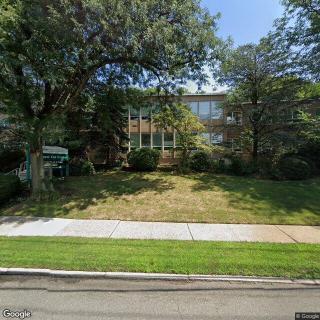
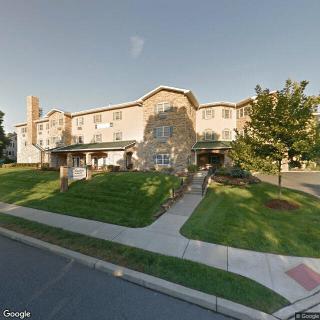
 The place is nice and clean.
- It has a beautiful view.
- The upgrades to public spaces look really great.
- It earned an A+ rating.
- The service is very flexible on scheduling and can provide help on short notice.
- They assess needs with an RN and family members and match a caregiver to the individual's needs and personality.
Cons
 The sign ruins the skyline at night.
- The parking lot is too crowded.
- The service was horrible, and the lady at the door is very unprofessional.
- They insist that people never scream at others.
- The place is congested due to ongoing construction.
- It is mostly heavily crowded, especially during office hours and Friday through Sunday evenings after 3pm.
- The bridge has horrible service.
- The bridge has been neglected and looks like a ghost house, and it is one of the most expensive tolls in North and South America.
Review
A Helping Hand in Fort Lee, NJ is best suited for families seeking flexible, in-home care coordination with clinician-led intake and caregiver matching rather than a traditional on-site assisted living campus. The core appeal lies in rapid scheduling and a personalized approach: an RN helps assess a loved one’s needs, then the team pairs a caregiver whose skills and personality align with those needs. For families who value a thoughtful care plan, documented steps, and the option to bring help in on short notice, this provider stands out as a practical, responsive choice. The overall impression from many comments is that the organization remains focused on tailoring support to individual circumstances, with some breezy moments of efficiency and professional engagement.
But there are clear reasons to consider alternatives. If the goal is a static, campus-style living arrangement with fixed routines, ample on-site amenities, and a more predictable day-to-day cadence, a traditional assisted living community may deliver a calmer baseline experience. Several reviewers highlight external annoyances that could color the daily experience: congested parking, ongoing construction that makes the surroundings feel crowded, and a front-desk encounter described as unprofessional. Those factors matter less for purely in-home care, but they are real headaches for families arranging frequent visits or tours, and they can detract from the sense of ease many seek in elder-care decisions.
On the positive side, the strongest pro lines up with the core service promise. The ability to mobilize care quickly and to tailor the caregiver team to the loved one’s needs and personality creates a practical safety net for families juggling schedules, reliability, and evolving care needs. The RN-involved assessment provides clinical credibility that helps reduce misalignment between what is needed and what is delivered. When conversations with the manager reveal thorough questions, transparent next steps, and a clear path to getting information by mail or in-person, the decision becomes more straightforward. In short, for families who prize a responsive, clinician-informed matching process, this option delivers meaningful leverage over uncertainty.
Yet the downsides cannot be ignored, and they tend to cluster around logistics and frontline professionalism. Congestion during busier periods, from office hours through weekends, can complicate scheduling and access. Parking limitations and the perception of a cluttered or noisy environment can erode the sense of calm that families want when initiating or adjusting care. Front-desk service that feels abrupt or unprofessional adds a subjective friction that colors initial impressions and ongoing interactions. Taken together, these cons don’t nullify the value of flexible, RN-guided in-home care, but they do tilt the balance for some families toward settings that emphasize quiet, stable on-site operations.
When weighing these elements, the advantages of a clinician-led, rapid-entry care model tend to offset many of the practical drawbacks, provided the family’s priority is adaptable, in-home support and caregiver matching more than a self-contained campus life. The presence of ongoing public-space upgrades and a generally favorable view of management responsiveness in conversations with the team further suggests a willingness to invest in improving the client experience. For those who can tolerate occasional congestion in exchange for a highly personalized care plan implemented with clinician oversight, the offset is substantial: high relevance to real-world care needs, and a pathway to adjust as conditions change.
Bottom line: this option is a strong fit for families prioritizing flexible, assessment-driven in-home care and caregiver matching, especially when the goal is timely support and ongoing personalization rather than an all-in-one residential setting. It works best for loved ones who can tolerate some logistical rough edges and who value quick access to care coordinators and RN-informed planning. Families who want a quiet, predictable on-site living environment with minimal external noise, strict front-desk protocol, and ample built-in amenities should consider traditional assisted living or memory-care communities as viable alternatives. In any case, arrange a direct meeting with the RN assessor and the care manager, tour during varied hours to gauge crowds, and probe front-desk interactions openly. When care goals are aligned with in-home coordination, this provider can offer substantial, actionable value.
 LaGuardia (7 miles away)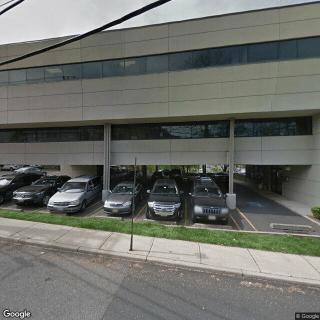



 Understanding the Full Cost of 24/7 In-Home Care: A Detailed Overview
 Exploring the World of Home Health Nurses: Qualifications, Roles, and Hiring Tips
 Navigating Medicare Coverage for In-Home Care Services