
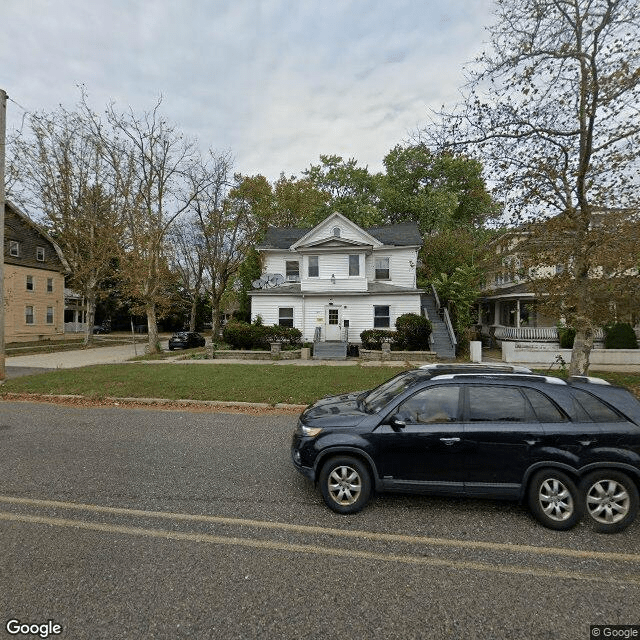
501 Atlantic Ave, Egg Harbor, NJ 08215
To contact a resident: (609) 965-5935
For more information about senior living options: (866) 208-4318
Harbor Hall Costs & Pricing
At Harbor Hall, we offer competitive pricing for our accommodations that significantly undercuts both Burlington County and the broader New Jersey market. Our semi-private rooms are available for just $900 per month, a stark contrast to the average costs in Burlington County at $5,329 and statewide at $5,068. For those seeking more privacy, our private rooms are priced at $1,500 monthly, which is also more affordable than the county's average of $6,286 and the state average of $5,799. These pricing structures reflect our commitment to providing accessible care while ensuring high-quality living environments for our residents.
| Floor plans | Harbor Hall | Burlington County | New Jersey |
|---|---|---|---|
| Semi-Private | $900 | $5,329 | $5,068 |
| Private | $1,500 | $6,286 | $5,799 |
Senior living communities with a similar price nearby
-
from -$150 / mo

New Standard at Hammonton
$750 / month9.6 miles away -
from -$50 / mo

The Ocean at 101 Boardwalk
$850 to $1,084 / month17.0 miles away -
from -$150 / mo

New Standard at Egg Harbor Township
$750 / month8.9 miles away -
from +$100 / mo
Primrose Personal Care Home
$1,000 to $1,550 / month20.5 miles away
Overall Review of Harbor Hall
Cons
 One should not bring loved ones here.
- The place is disgusting.
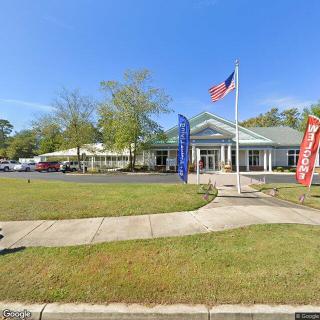
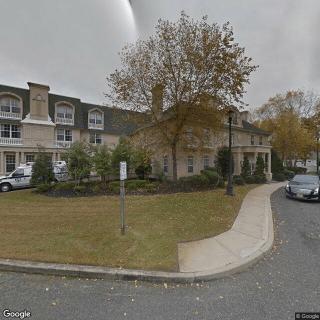
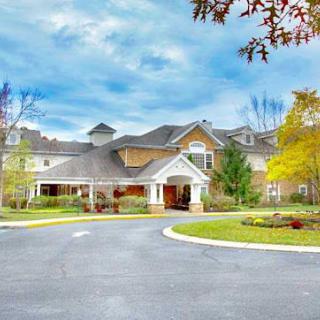
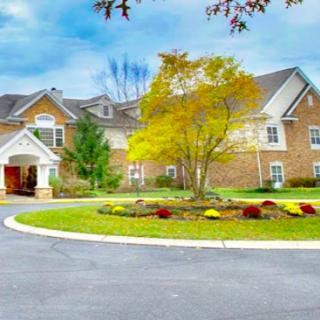
- The rooms accommodate three people and look nothing like the pictures.
- It is filthy and never cleaned.
- There is false advertising.
Review
Harbor Hall in Egg Harbor, NJ is best suited for families that must choose the lowest-priced option at any cost to basic standards of care. When price is the sole driver and dignity, cleanliness, and truthful marketing can be sacrificed, this community becomes the logical, though troubling, choice. For families with a loved one who requires consistent cleanliness, reliable maintenance, and transparent operations, Harbor Hall does not stand up to the demands of safe, respectful senior living.
Anyone weighing Harbor Hall should strongly consider alternatives. The red flags raised by the available account suggest that any family prioritizing health, comfort, and peace of mind would be well served to look elsewhere. Those whose loved ones depend on regular housekeeping, odor control, or honest advertising will find the contrast with more reputable options stark. Even for short-term stays, the risk of substandard conditions and misrepresentation makes it prudent to explore other communities first.
The core cons are severe and unambiguous. Rooms reportedly sleep three people and look nothing like the promotional images, signaling a fundamental misalignment between marketing and reality. Filth and neglect are described as ongoing, with cleanliness not being kept up. The combination of overcrowded rooms and habitual uncleanliness strikes at basic dignity and safety, creating environments that many families would expect to be unacceptable for anyone requiring assisted living. The allegation of false advertising compounds the concern, suggesting a pattern rather than an isolated lapse.
From a values-and-risk perspective, the absence of credible pros in the account means there is no offset to the dominant drawbacks. In a facility intended to support vulnerable seniors, the lack of dependable cleanliness, accurate representation, and reliable upkeep is a decisive failure. The few potential plusses that would typically balance risk, responsive care, well-maintained premises, transparent billing, and consistent communication, are not demonstrated in the available portrayal. Without tangible evidence of these safeguards, the cons overwhelmingly dominate the calculus.
For decision-makers, a disciplined due-diligence workflow is essential. Start with an in-person, unannounced tour focused on cleanliness, room layout, and shared spaces; verify whether rooms truly accommodate three residents and how that arrangement affects safety and noise. Scrutinize current and past contracts for accuracy in marketing claims, admission criteria, and billing practices. Request references from current residents and families, and contact local regulators or licensing bodies to confirm inspections and compliance records. Ask for written statements on housekeeping schedules, maintenance response times, and any recent corrective actions. If any of these checks reveal gaps, Harbor Hall should be crossed off the list in favor of facilities with verifiable, high standard practices.
In the end, Harbor Hall presents a decision where the risk-to-value ratio is decisively negative. The available account makes a compelling case to pursue alternatives, whether another assisted-living community with proven cleanliness and transparent operations or, where appropriate, in-home care options that allow the family to control environment and standards. If confronted with a choice between keeping costs lowest at Harbor Hall and safeguarding dignity, safety, and predictable service, the prudent conclusion is to opt for a different path. Families deserve a living environment they can trust, not one that invites compromise on the basics.
 Board and Care Home
 Private
 Atlantic City International (6 miles away)
 Diabetic care
 Attentive owner with personalized caregiver matching and compassionate care.
 Comprehensive Guide to Blood Pressure Charts for Older Adults: Understanding Normal and High Readings by Age
 Financing Long-Term Nursing Home Care Through Social Security: A Thorough Exploration
 Essential Knowledge on Pneumonia in Older Adults