Residents and families consistently describe staff who are kind and attentive to day-to-day needs.
Across many reviews, people highlight nursing and aides who are described as compassionate, responsive, and focused on making residents comfortable. Several families mention clear communication and support from specific team members, including nursing, social services, admissions, and therapy. A smaller number of reviews still include negative experiences, but the overall thread is that families remember staff presence and follow-through.
differentiator23 reviews mention this
Rehab therapy supports recovery
Physical and rehab therapy is frequently described as skilled and motivating during recovery.
Many reviewers talk about therapy teams helping residents regain strength and mobility, with descriptions of knowledgeable, encouraging care. Some reviews connect rehab progress to being able to do more after therapy, and others emphasize the tailored approach to individual recovery goals. Even when reviews are critical overall, positive comments still often mention therapists as standout staff.
common19 reviews mention this
Food quality is mixed
Dining draws both compliments and complaints, with particular attention to taste and temperature.
Several residents and families describe the food as good, plentiful, or served warm with good flavor, and a few mention enjoying specific meals they saw. Others report problems like food being cold, not being edible, or not being delivered as ordered. A separate set of reviews also points to responsiveness issues affecting care tasks tied to mealtimes and assistance.
caveat6 reviews mention this
Staffing and response can slip
Some reviews report delayed assistance and short-staffing that makes care feel less reliable.
A set of reviews describes call buttons or requests not being answered for extended periods, including delays for bathroom assistance and other basic needs. Other comments mention short-staffing-related problems such as med timing issues and missing supplies, plus situations where families had to advocate repeatedly. While many other reviews praise attentiveness, these reports focus on moments when care did not feel timely enough.
caveat11 reviews mention this
Cleanliness and updates vary
Reviews are split between mentions of a clean, modern facility and concerns about hygiene and maintenance.
Numerous reviewers praise cleanliness and note renovations or updates, describing the building as clean and well maintained. Others raise concerns about hygiene, such as dirty tray items, soiled areas, or unpleasant odors, and some describe rooms or bathrooms as not well cared for. Taken together, cleanliness is a frequent point of comment, but the experiences don’t consistently match.
How we summarize
Counts show how many written reviews mention each theme; a review can touch several themes, and only frequently mentioned themes are displayed.
Features
Housing
216 resident community capacity
Types of Care
Assisted Living
Memory Care
Respite Care
Skilled Nursing Facility
Amenities
Air-conditioning
Beauty salon
Cable or satellite TV
Computer center
Dining room
Fitness room
Fully furnished
Gaming room
Garden
Housekeeping services
Kitchenette
Move-in coordination
Outdoor space
Private bathrooms
Restaurant-style dining
Small library
Telephone
Wellness center
Wi-Fi/high-speed internet available
Transportation
Westchester Cty (22 miles away)
LaGuardia (23 miles away)
Newark International (24 miles away)
Community operated transportation
Transportation arrangement
Transportation arrangement (non-medical)
Transportation to doctors appointments
Care Services
12-16 hour nursing
24-hour call system
24-hour supervision
Activities of daily living assistance
Assistance with bathing
Assistance with dressing
Assistance with transfers
Diabetes diet
Meal preparation and service
Medication management
Mental wellness program
Mild cognitive impairment
Special dietary restrictions
Specialized memory care programming
Dining
Diabetes diet
Special dietary restrictions
Activities
Community-sponsored activities
Concierge services
Fitness programs
Planned day trips
Resident-run activities
Scheduled daily activities
Nearby Places of Interest
Restaurants
Savini Restaurant (0.8 miles)
Allendale Bar & Grill (1.1 miles)
Chick-Fil-A (1.2 miles)
Varka Estiatorio (1.4 miles)
Wendy's (2.3 miles)
Kinchley's Tavern (2.5 miles)
Blue Moon Mexican Cafe (3.3 miles)
Pharmacies
Walgreens (1.5 miles)
Rite Aid (2.2 miles)
Walgreens (2.4 miles)
Walgreens (2.4 miles)
CVS Pharmacy (2.8 miles)
Franklyn's Pharmacy (3.2 miles)
CVS Pharmacy (3.3 miles)
Places of Worship
St Pauls Parish (1.7 miles)
Hawthorne Gospel Church (5.1 miles)
Good Shepherd Lutheran Church (5.3 miles)
All Saints Episcopal Church (5.6 miles)
Community Church Of Glen Rock (5.7 miles)
Congregation Tzemach Tzedek Lubavitch of Monsey (6.7 miles)
Bais Hamedrash (6.8 miles)
Physicians
New Jersey Regional Eye Care (1.8 miles)
Md Partners (2.3 miles)
Women's Total Health of Woodcliff Lake (2.5 miles)
Memorial Sloan Kettering Cancer Center Bergen (2.7 miles)
Dr Mondana S. Yazdi, MD (3.5 miles)
Tenafly Pediatrics (4.1 miles)
Costello Oral Surgery Associates (4.7 miles)
Cafes
Panera Bread (2.1 miles)
Starbucks (3.1 miles)
Starbucks (3.2 miles)
Willow & Whisk (3.3 miles)
Starbucks (4.1 miles)
Starbucks (6.3 miles)
Starbucks (6.7 miles)
Transportation
NJT - Waldwick Station (2.2 miles)
IHA Arbor Road Bus Stop (3.9 miles)
Metro North / NJT - Suffern Station (5.1 miles)
Bus Stop (6.2 miles)
NJT - Hawthorne Station (7.2 miles)
Hospitals
The Valley Hospital (4.3 miles)
Hackensack Meridian Health Pascack Valley Medical Center (6.9 miles)
Parks
Saddle River County Park (5.8 miles)
Saddle River County Park - Dunkerhook Area (6.7 miles)
The features offered at Allendale Carlton Court are designed to create a supportive and safe environment tailored to the unique needs of residents with dementia or Alzheimer's disease. Assistance with dressing ensures that individuals can maintain their dignity while receiving help with tasks they may find challenging, which also encourages independence. Medication management is crucial for ensuring residents take their prescribed medications correctly and on time, reducing anxiety around health concerns. Meal preparation and service provide nutritious options tailored to residents' dietary requirements, promoting both physical health and social interaction during mealtime. Support with activities of daily living, such as bathing and transfers, enhances comfort and safety, minimizing the risk of falls or accidents. The provision for 24-hour supervision offers peace of mind for families and helps to ensure timely intervention if needed. Meanwhile, mental wellness programs address cognitive decline by engaging residents in meaningful activities that stimulate their minds. Specialized memory care programming is structured specifically to cater to varying stages of cognitive impairment, fostering an environment conducive to memory retention and overall well-being while promoting a sense of community among those facing similar challenges.
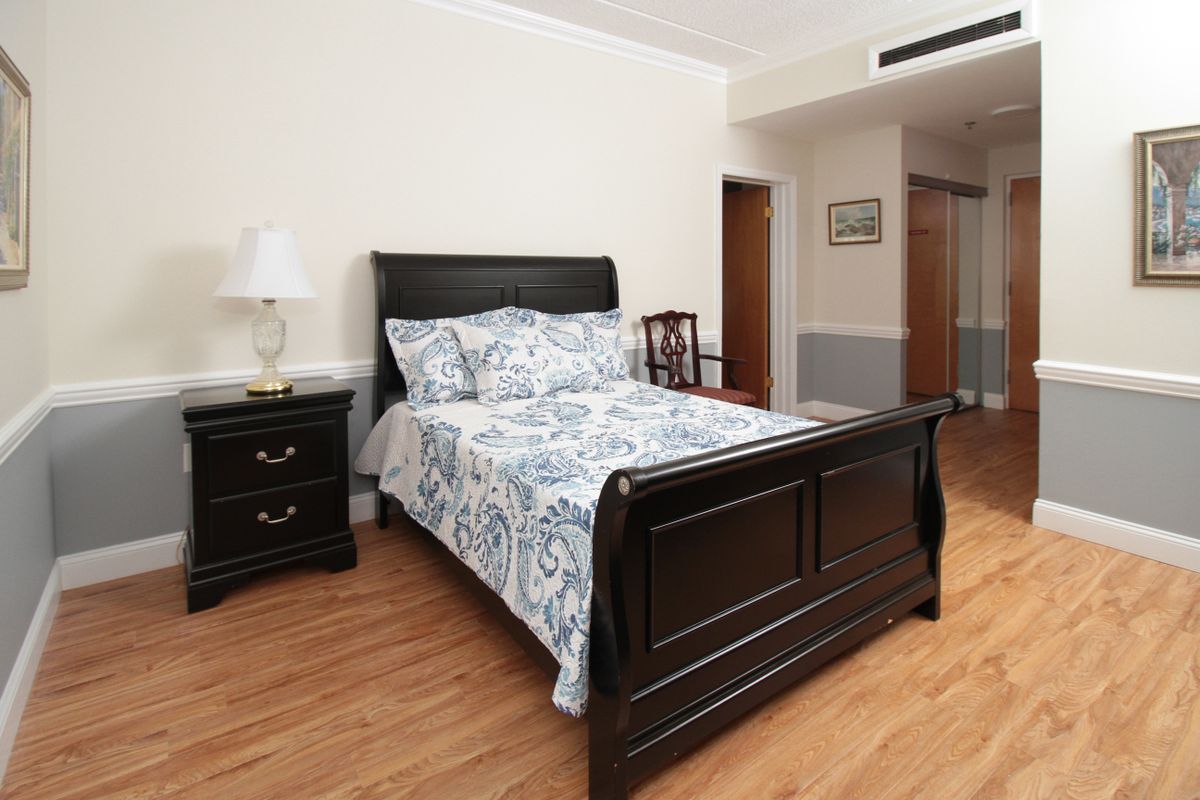
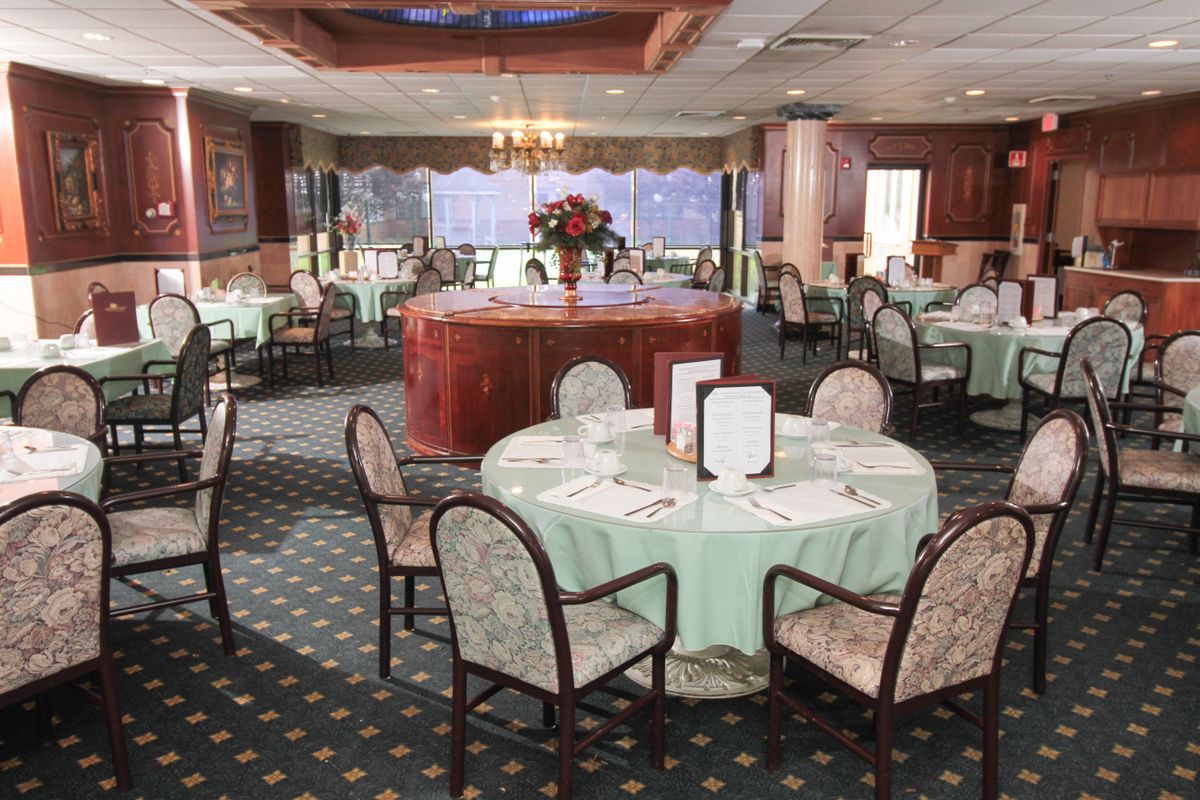
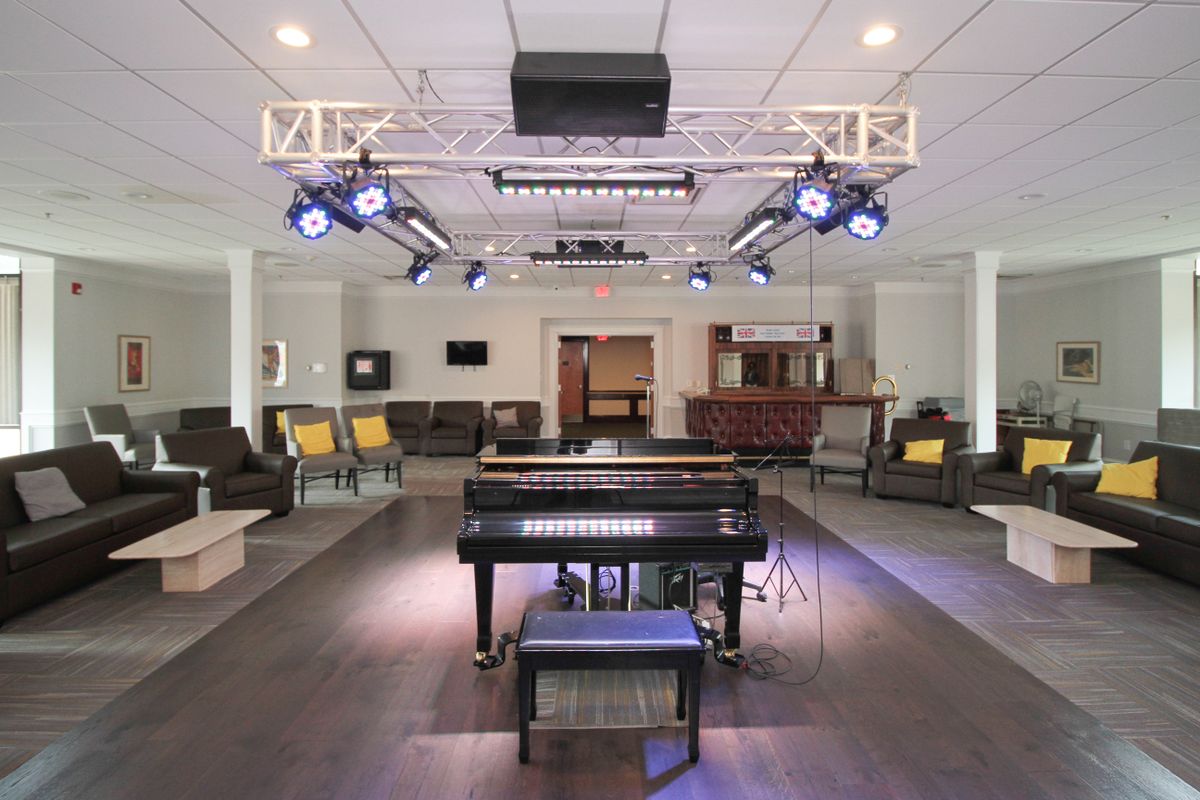
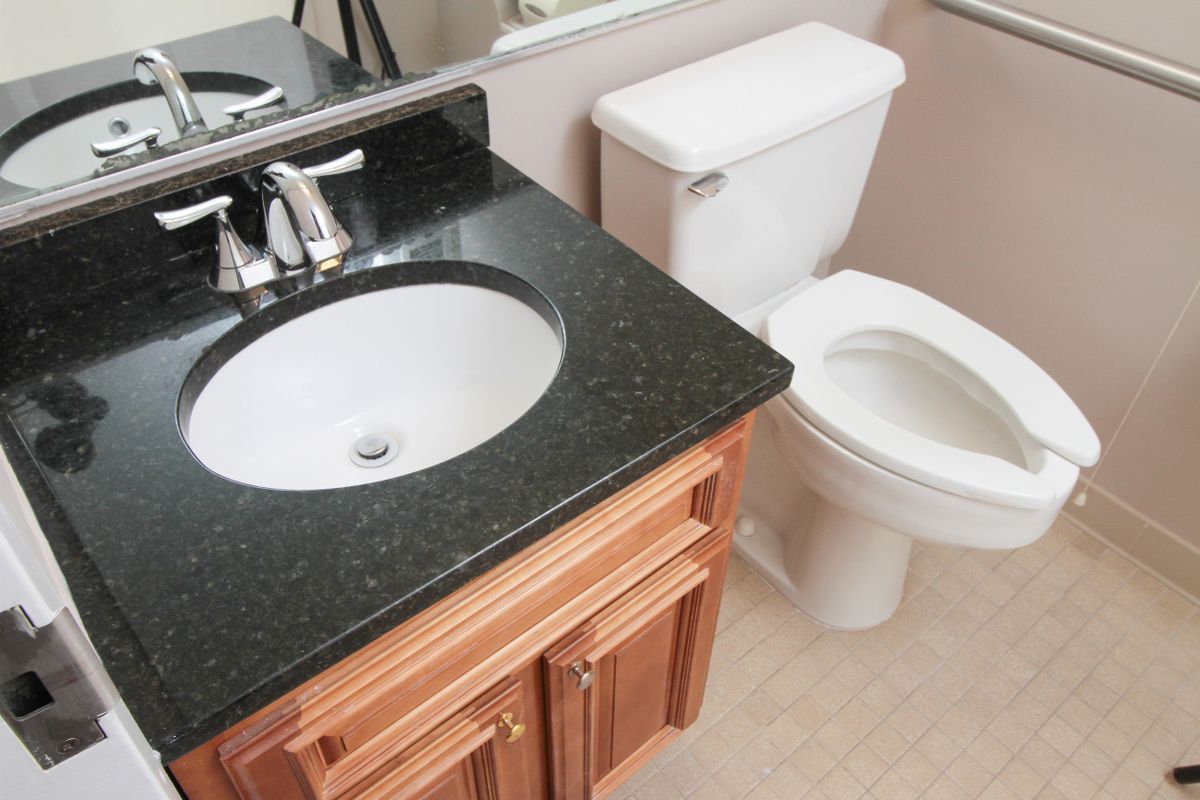
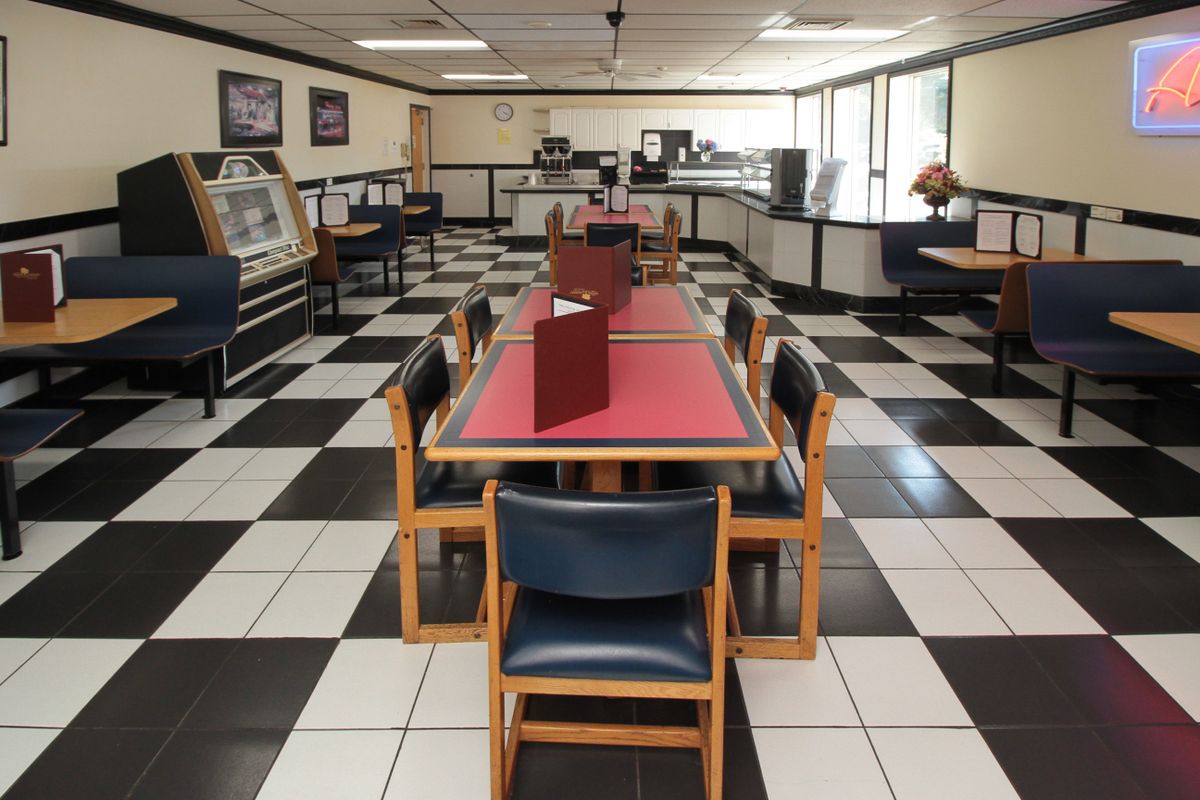
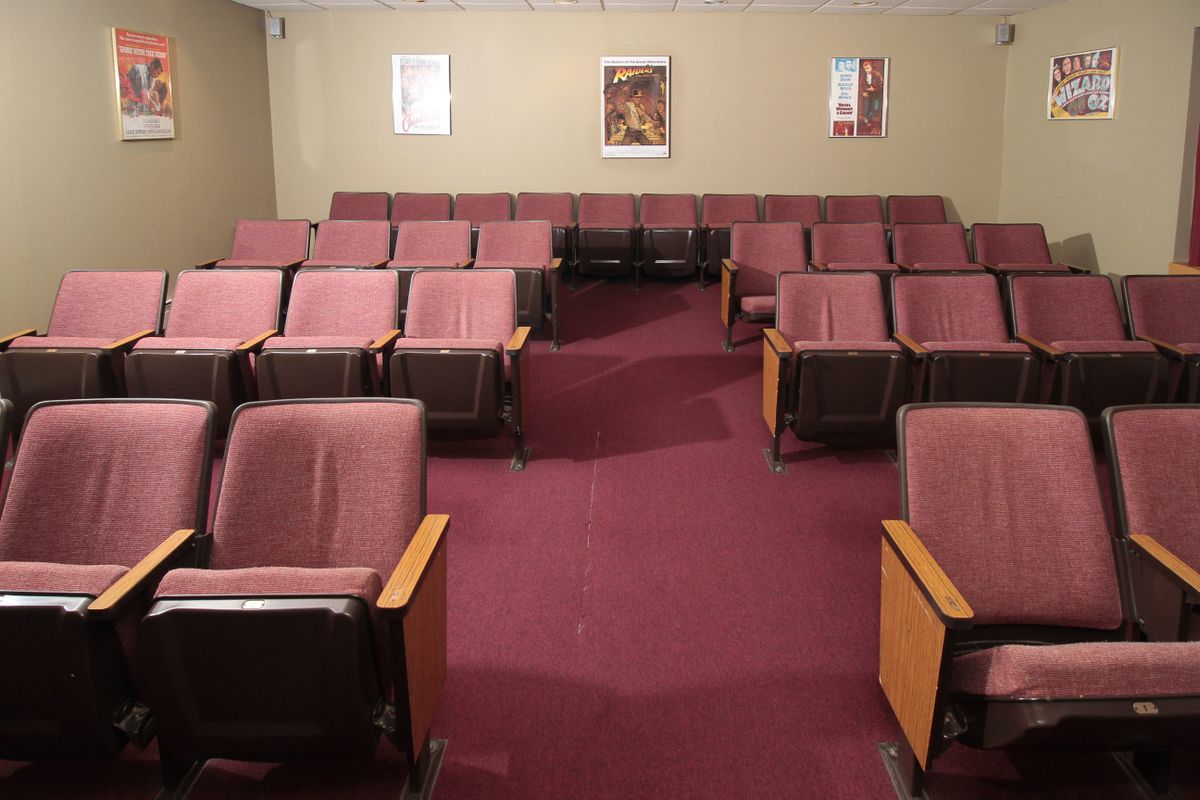
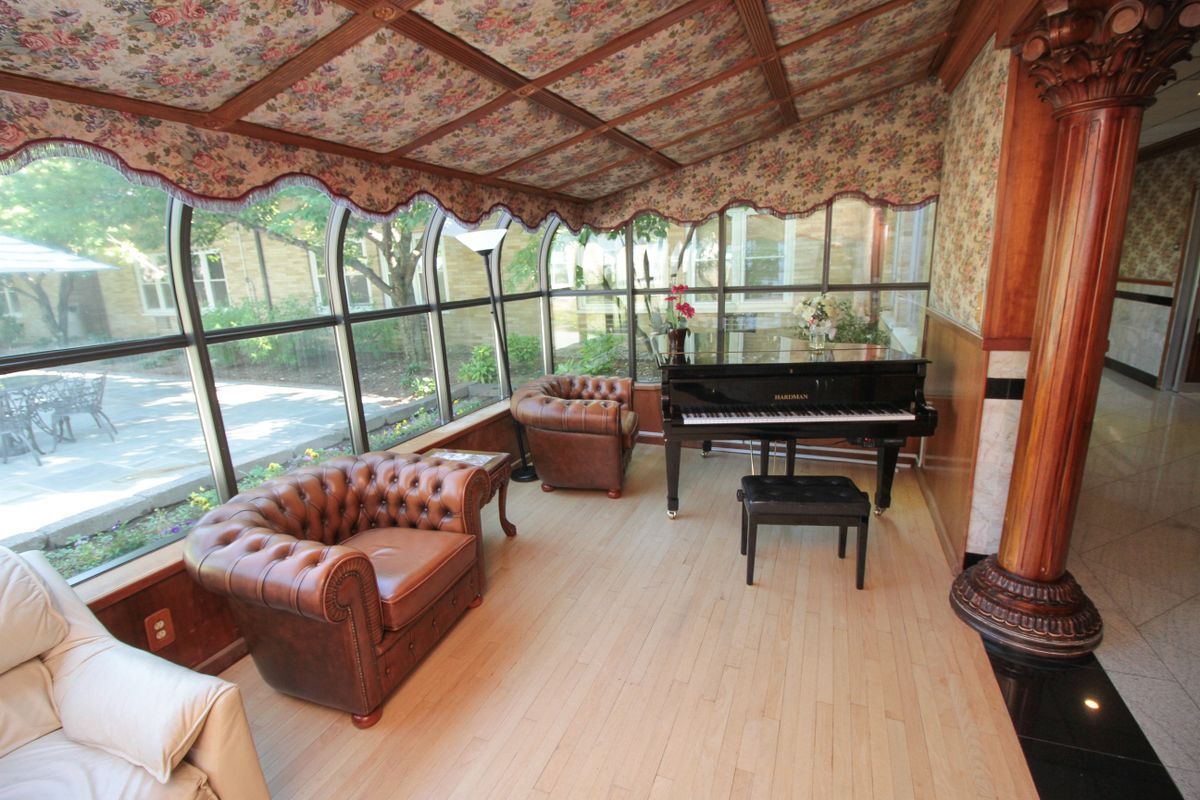
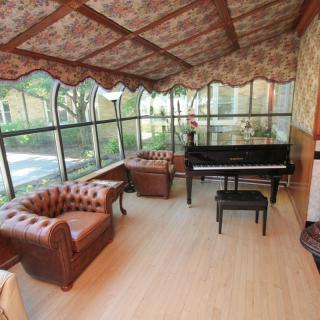
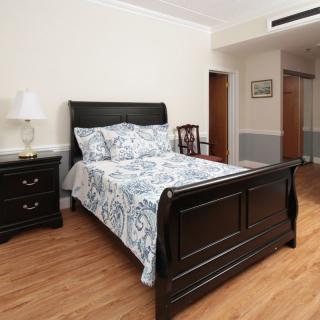
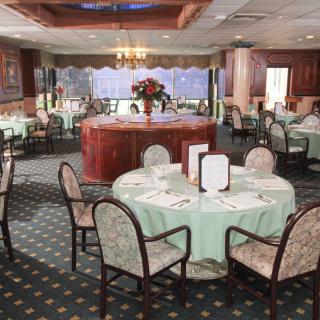
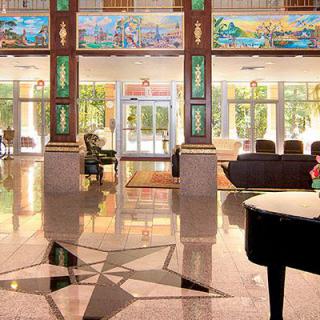
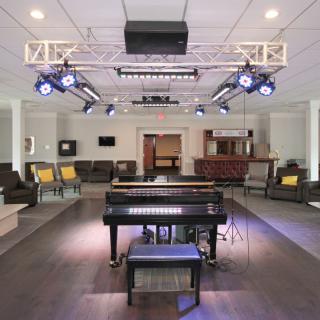
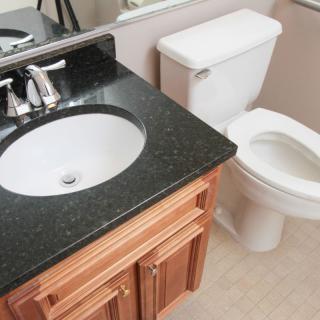
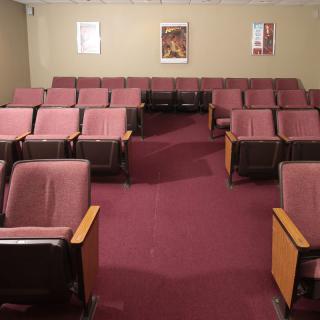
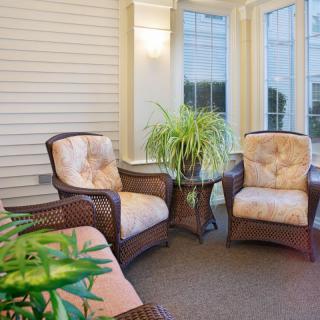
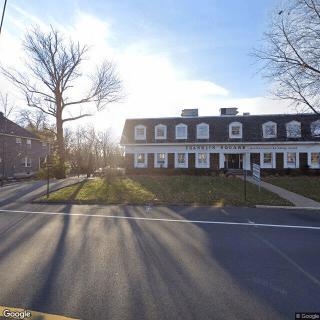
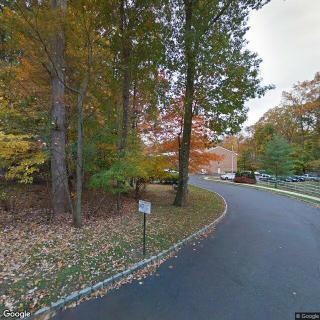
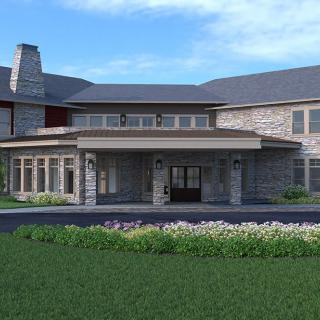
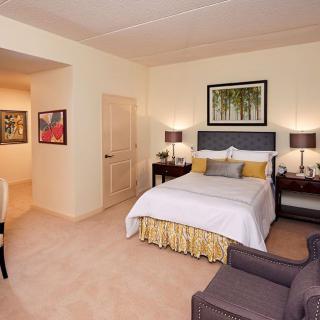
Allendale Carlton Court on seniors.fyi includes 9 photos including images showing interior, piano, dining, seating area, seating, bathroom, bedroom, lounge, and more.
Nearby Communities
Allendale Senior Living Community
Allendale, NJ
4.6 from 183 reviews
$6,000 to $7,950 / month
Clean, well-maintained facilities with on-site nursing and engaging activities.
Comforcare Senior Services
Upper Saddle River, NJ
4.9 from 7 reviews
Strong healthcare access and nearby amenities.
Brighton Gardens Of Saddle River
Saddle River, NJ
4.3 from 71 reviews
$5,310 to $7,260 / month
Caring staff in a welcoming, activity-rich setting.
Fox Trail Memory Care Living at Lake Street
Ramsey, NJ
5 from 2 reviews
$6,450 / month
Strong staff communication and personalized memory-care activities.
Home Helpers
Ramsey, NJ
4 from 1 review
Attentive, detail?oriented caregivers and a broad range of in?home services.
Woodlands
Ramsey, NJ
Close to numerous amenities (cafes, pharmacies, doctors, restaurants, and a place of worship) for convenient living.
Bear's Cove
Ramsey, NJ
3.7 from 7 reviews
Small, intimate 6-resident community offering personalized attention.
The Bristal at Waldwick
Waldwick, NJ
4.3 from 53 reviews
$5,560 to $8,185 / month
Beautifully designed, clean community with engaging activities and strong dining/amenities, plus proactive safety updates.
The Bristal At Woodcliff Lake
Woodcliff Lake, NJ
4.5 from 90 reviews
$4,400 to $8,900 / month
Welcoming staff with a vibrant activity program in a clean, well-maintained setting.
Dementia affects memory and cognitive function in older adults, presenting challenges for caregivers due to behavioral changes such as confusion and mood swings. Compassionate, person-centered care that considers individual history and preferences, along with effective communication and environmental modifications, is essential for supporting both patients and their caregivers.
Dementia leads to cognitive impairment and can cause emotional and behavioral changes, including aggression that arises from frustration, confusion, or fear. Effective coping strategies for caregivers include understanding dementia's nature, recognizing triggers, using empathetic communication, and employing non-pharmacological interventions like music and art therapy.
Dementia causes cognitive decline and challenging behaviors that caregivers must manage, necessitating an understanding of the neurological basis of these issues. Effective strategies and self-care for caregivers can enhance support for those with dementia and improve their daily lives.
Get PricingAsk A QuestionSchedule A TourContact Senior Advisor
By clicking submit, you agree to our Partner's Terms of Use. You
also consent to receive calls and texts, which may be autodialed, from our Partner. Your consent is not a condition to
using our Partner's service. Please visit our Partner's Privacy Policy for information about their privacy practices.



 216 resident community capacity
 Assisted Living
 Memory Care
 Respite Care
 Skilled Nursing Facility
 Air-conditioning
 Beauty salon
 Cable or satellite TV
 Computer center
 Dining room
 Fitness room
 Fully furnished
 Gaming room
 Garden
 Housekeeping services
 Kitchenette
 Move-in coordination
 Outdoor space
 Private bathrooms
 Restaurant-style dining
 Small library
 Telephone
 Wellness center
 Wi-Fi/high-speed internet available
 Westchester Cty (22 miles away)
 Community operated transportation
 12-16 hour nursing
 24-hour call system
 Activities of daily living assistance
 Assistance with bathing
 Assistance with dressing
 Assistance with transfers
 Diabetes diet
 Medication management
 Mental wellness program
 Special dietary restrictions
 Concierge services
 Planned day trips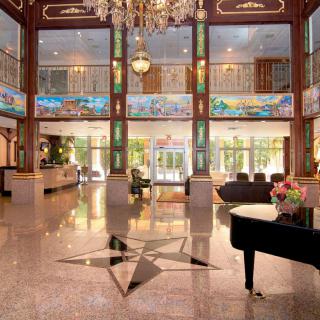
 Clean, well-maintained facilities with on-site nursing and engaging activities.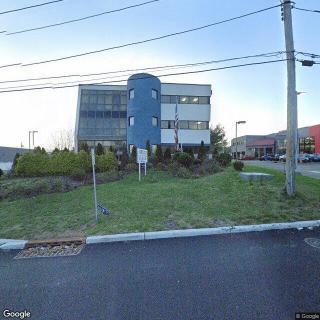

 Understanding Dementia Behaviors: Practical Insights and Strategies for Caregivers
 When Dementia Sparks Anger and Aggression: Understanding the Connection and Ways to Cope
 Dementia Behaviors: In-Depth Understanding and Effective Coping Strategies