Crossroad Farm in Temple, NH

37 Memorial Drive, Temple, NH 03084

For more information about senior living options: (844) 490-3973

2 from 1 review
Assisted Living Board and Care Home

Overall Review of Crossroad Farm

Pros

  • pro They had good social programs.

Cons

  • pro The reviewer wasn't impressed with Crossroad Farm.
  • pro They wanted $350,000 just to get in the door for three rooms.
  • pro Everything had a charge on it; you had to pay for everything you want.
  • pro The staff were only nice when money was involved.

Review

Crossroad Farm in Temple, NH is best suited for seniors who want a very small, tightly knit setting and place a premium on social life over campus size. This is not a sprawling campus but a compact, village-like environment where residents share a handful of rooms and a calendar built around interaction, clubs, and peer connection. The strongest attraction is the social programming, which can keep daily life lively and help stave off loneliness for someone who thrives on regular engagement. It appeals to families seeking genuine belonging and a close-knit community feel, where neighbors and staff are accessible in a way that larger facilities struggle to reproduce. What matters most here is the balance between a cozy, intimate atmosphere and the willingness to accept a deliberate, price-conscious model that leans into activity as the core offering.

Those who should consider alternatives include families on tight budgets, or anyone who needs clear, predictable pricing with less emphasis on add-ons. The entrance cost and the impression of an all-itemized bill for services are significant barriers for many, making long-term affordability uncertain even for those who can manage the upfront payment. Prospective residents who demand a larger spectrum of care, more transparent bundled pricing, or a campus with noticeably broader options and services may find the tradeoffs unattractive. In short, the square footage and the fee structure push this community toward a specific kind of buyer, not a one-size-fits-all solution.

On the positive side, the small scale can translate into more approachable, personal interactions. Residents are not lost in a maze of offices or overwhelmed by large numbers of staff; the setting naturally supports closer connections and easier access to programming. The documented social programs are a real strength, giving structure to days and opportunities to participate in activities that promote emotional and social well-being. For someone who thrives on routine, camaraderie, and visible opportunities to engage, these programs can create a meaningful daily life that feels both purposeful and enjoyable. That social vitality is the primary counterweight to the facility's intimate footprint.

The downsides are acute and hard to ignore. The $350,000 upfront entrance fee for three rooms signals a pricing model built around premium positioning rather than inclusive care. Beyond the initial hurdle, the sense that almost every service carries an additional charge creates ongoing expense creep that can blur long-term budgeting. A perception of transactional interactions - where warmth and attentiveness may seem contingent on financial leverage - undermines confidence in value. The small footprint also means fewer floorplans, tighter activity scheduling, and less capacity to accommodate shifting care needs without moving to another property, which compounds decision-time pressure for families.

Considering the trade-offs, the social programming and intimate setting can partially offset the high cost for buyers who place a premium on belonging and daily activity and who have the means to sustain premium living. For others, the math simply does not pencil out: a small community, opaque pricing, and frequent add-ons create a sense that the value is not aligned with the financial commitment. The weight of the upfront cost combined with ongoing charges tends to eclipse the benefit of a tight-knit atmosphere unless the resident already subscribes to a lifestyle where social engagement justifies premium pricing. In essence, value hinges on personal priorities: a vibrant social life in a compact setting, or predictable, transparent economics in a larger, more varied campus.

Families evaluating Crossroad Farm should approach with a concrete, written understanding of what is included and what costs extra, and compare that against more transparent, all-inclusive options available at comparable quality. Request a detailed price sheet, insist on a clear description of what monthly charges cover, and seek recent resident feedback on whether programming delivers genuine value without feeling nickel-and-dimed. Schedule site visits focused on authentic staff-resident interactions, the pace of life, and the feasibility of staying long-term given the financial commitment. If budget is flexible and the desire is for an intimate, socially rich environment, Crossroad Farm warrants careful consideration; otherwise, pursue alternatives that offer broader care options, stronger predictability, and pricing you can defend over the years ahead.

Features

Housing

  • 22 resident community capacity 22 resident community capacity

Types of Care

  • Assisted Living Assisted LivingAssisted living facilities provide crucial support and care for seniors who may need help with daily tasks such as medication management, bathing, and meal preparation. These communities offer a safe and comfortable environment where seniors can maintain their independence while receiving the assistance they need to thrive in their golden years.
  • Board and Care Home Board and Care HomeBoard and care homes provide a smaller, more intimate setting for seniors who require assistance with daily tasks but do not need the level of care offered by a nursing home. They offer personalized care, meals, and social activities in a homelike environment, ensuring that seniors receive individualized attention and support in their golden years.

Amenities

  • Activities on-site Activities on-siteActivities on-site are important for seniors because they provide opportunities for socialization, mental stimulation, physical activity, and overall well-being. Engaging in activities can help seniors stay active, maintain their independence, and improve their quality of life.
  • Beauty salon Beauty salonBeauty salons are important for seniors because they provide a space for them to feel pampered, socialize, and maintain their personal grooming and hygiene. Regular visits to a beauty salon can help boost seniors' self-esteem and overall well-being.
  • Cable or satellite TV Cable or satellite TVCable or satellite TV is important for seniors because it provides entertainment, news, and companionship, helping to combat loneliness and boredom. It also offers a wide range of programming options tailored to different interests and preferences.
  • Devotional services off-site Devotional services off-siteDevotional services off-site are important for seniors as they provide spiritual nourishment, social engagement, and a sense of community outside of the senior living facility. This can enhance overall well-being and help combat feelings of isolation and loneliness often experienced by older adults.
  • Dining room Dining roomDining rooms are important for seniors as they provide a space for socialization, connection, and nutritious meals. They offer opportunities for residents to bond over shared meals, foster a sense of community, and promote healthy eating habits. Dining rooms also ensure that seniors have access to well-balanced meals tailored to their dietary needs and preferences.
  • Fully furnished Fully furnishedFully furnished senior living communities are important for seniors because they provide convenience, comfort, and a hassle-free moving experience. Seniors can easily settle into their new living space without the stress of having to buy and move furniture. This allows them to focus on enjoying their new home and community.
  • Garden GardenGardens are important for seniors as they provide a peaceful and therapeutic environment for relaxation, physical activity, and socialization. Being in nature has been shown to reduce stress, improve mood, and promote overall well-being. Gardens also offer opportunities for seniors to engage in gardening activities, which can improve mobility, flexibility, and cognitive function. Additionally, gardens create a sense of community and connection with others who share a passion for plants and outdoor spaces.
  • Housekeeping services Housekeeping servicesHousekeeping services are important for seniors because they help maintain a clean and safe living environment, promote independence, and reduce the risk of accidents or illnesses. Additionally, having assistance with household chores can alleviate physical strain and allow seniors to focus on other aspects of their well-being.
  • Indoor common areas Indoor common areasIndoor common areas are crucial for seniors as they provide a space for socialization, recreation, and community engagement, promoting overall well-being and reducing feelings of isolation and loneliness.
  • Kitchenette KitchenetteKitchenettes are important for seniors living in senior living communities because they provide the convenience and independence of being able to prepare simple meals and snacks in the comfort of their own living space. This can help promote a sense of autonomy and well-being for seniors, allowing them to maintain some level of control over their dietary choices and daily routines.
  • Move-in coordination Move-in coordinationMove-in coordination is important for seniors because it helps ease the transition into their new living environment. It ensures that all logistics, such as packing, organizing movers, and setting up utilities are taken care of, allowing seniors to focus on settling in and adjusting to their new home. Having a smooth move-in process can alleviate stress and anxiety, making the transition smoother and more enjoyable for seniors.
  • Outdoor space Outdoor spaceOutdoor spaces are important for seniors as they provide opportunities for physical activity, social interaction, exposure to natural light and fresh air, and a sense of connection to nature. Having access to outdoor spaces can improve overall well-being and quality of life for older adults living in senior communities.
  • Telephone TelephoneTelephones are important for seniors as they provide a lifeline for communication with loved ones, emergency services, and healthcare providers. They offer a sense of security and independence, enabling seniors to stay connected and access assistance when needed.
  • Wi-Fi/high-speed internet available Wi-Fi/high-speed internet availableWi-Fi/high-speed internet is important for seniors to stay connected with loved ones, access online resources, and participate in virtual activities to combat feelings of loneliness and isolation. It also allows them to easily manage healthcare needs, access entertainment, and engage in lifelong learning opportunities.

Transportation

  • Manchester (22 miles away) Manchester (22 miles away)

Care Services

  • 24-hour call system 24-hour call system24-hour call systems are important for seniors because they provide peace of mind and immediate assistance in case of emergencies. This technology ensures that help is always available, promoting safety and security for elderly individuals living alone or in assisted living facilities.
  • 24-hour supervision 24-hour supervision24-hour supervision is important for seniors to ensure their safety, well-being, and access to immediate assistance in case of emergencies or health issues. This constant support provides peace of mind for both seniors and their loved ones, allowing them to age in place with dignity and security.
  • Activities of daily living assistance Activities of daily living assistanceActivities of daily living assistance are important for seniors because they provide essential support with tasks such as eating, bathing, dressing, and mobility. This assistance helps seniors maintain their independence, dignity, and overall quality of life as they age.
  • Ambulatory care Ambulatory care"Ambulatory care services provide essential medical support and treatment to seniors without requiring hospitalization, allowing them to maintain their independence and quality of life while managing chronic conditions or receiving routine medical care."
  • Assistance with bathing Assistance with bathingAssistance with bathing is crucial for seniors as it helps maintain personal hygiene, prevents infections, and ensures their overall well-being and comfort. It also provides a sense of dignity and independence for seniors who may struggle with this task on their own.
  • Assistance with dressing Assistance with dressingAssistance with dressing is important for seniors because it helps maintain their independence, promotes personal hygiene, prevents accidents and injuries, and improves overall quality of life. This service ensures that seniors can continue to dress comfortably and confidently, despite any physical limitations they may have.
  • Assistance with transfers Assistance with transfersAssistance with transfers is crucial for seniors as it helps prevent falls and injuries, maintains their independence, and ensures they can safely navigate their living environment. It also provides peace of mind for both seniors and their loved ones.
  • Coordination with health care providers Coordination with health care providersCoordination with health care providers is crucial for seniors to ensure proper medical care, medication management, and overall well-being. This collaboration helps prevent overlapping treatments, track progress more effectively, and provide comprehensive support tailored to individual needs.
  • Diabetes diet Diabetes dietA diabetes diet is crucial for seniors as it helps manage blood sugar levels, reduce risks of complications, and improve overall health and well-being. By following a balanced and nutritious diet tailored to their specific needs, seniors can better control their diabetes and enhance their quality of life.
  • Diabetic care Diabetic careDiabetic care is crucial for seniors as they are more susceptible to developing diabetes due to aging and other health conditions. Proper management of diabetes can help prevent complications such as heart disease, vision loss, and nerve damage, improving the overall quality of life for seniors in senior living communities.
  • Meal preparation and service Meal preparation and serviceMeal preparation and service are crucial for seniors as they may have limited mobility or energy to cook nutritious meals. Having access to healthy and convenient food options can ensure they are getting the proper nutrition needed to maintain their overall health and well-being.
  • Medication management Medication managementMedication management is crucial for seniors to ensure they are taking the right medications at the correct dosages and times. This helps prevent adverse drug interactions, reduces the risk of medication errors, and promotes overall health and well-being. Proactive management also allows for adjustments as needed based on changing health conditions or new prescriptions.
  • Mental wellness program Mental wellness programMental wellness programs are essential for seniors as they promote cognitive stimulation, emotional support, and social engagement. These programs help prevent isolation, depression, and cognitive decline, ultimately enhancing the overall quality of life for older adults.
  • Special dietary restrictions Special dietary restrictionsSpecial dietary restrictions are important for seniors because age-related changes in metabolism and health conditions can make it difficult for their bodies to process certain foods. By following a diet tailored to their specific needs, seniors can maintain their overall health and well-being, manage chronic conditions, and reduce the risk of complications such as malnutrition or food interactions with medications.
  • Transportation arrangement (medical) Transportation arrangement (medical)Transportation arrangements for medical purposes are essential for seniors as they may have difficulty driving themselves to appointments or accessing public transportation. Having reliable and safe transportation options ensures that seniors can receive timely medical care and maintain their health and well-being.
  • Transportation to doctors appointments Transportation to doctors appointmentsTransportation to doctors' appointments is crucial for seniors as it ensures they have access to necessary medical care and support for their health needs. Without reliable transportation, seniors may struggle to attend important appointments, leading to potential delays in treatment and health complications. Providing transportation services helps seniors maintain their overall well-being and quality of life.

Dining

  • Diabetes diet Diabetes dietA diabetes diet is crucial for seniors as it helps manage blood sugar levels, reduce risks of complications, and improve overall health and well-being. By following a balanced and nutritious diet tailored to their specific needs, seniors can better control their diabetes and enhance their quality of life.
  • Meals provided Meals provided"Meals provided" are crucial for seniors in assisted living communities as it ensures they have access to nutritious, balanced meals without the stress of meal planning and preparation. This can help promote overall health and well-being for seniors who may have limited mobility or cognitive abilities.
  • Special dietary restrictions Special dietary restrictionsSpecial dietary restrictions are important for seniors because age-related changes in metabolism and health conditions can make it difficult for their bodies to process certain foods. By following a diet tailored to their specific needs, seniors can maintain their overall health and well-being, manage chronic conditions, and reduce the risk of complications such as malnutrition or food interactions with medications.

Activities

  • Activities on-site Activities on-siteActivities on-site are important for seniors because they provide opportunities for socialization, mental stimulation, physical activity, and overall well-being. Engaging in activities can help seniors stay active, maintain their independence, and improve their quality of life.
  • Community-sponsored activities Community-sponsored activitiesCommunity-sponsored activities are important for seniors as they provide opportunities for social interaction, mental stimulation, and physical activity. These activities can help improve overall well-being, combat loneliness and isolation, and promote a sense of belonging and purpose among older adults.
  • Devotional activities offsite Devotional activities offsiteDevotional activities offsite are important for seniors because they provide social engagement, spiritual growth, and a sense of community outside of their living environment. This can improve overall well-being, mental health, and combat feelings of isolation or loneliness.
  • Scheduled daily activities Scheduled daily activitiesScheduled daily activities are important for seniors because they provide structure, socialization, mental stimulation, and physical activity. Engaging in regular activities can improve overall well-being and quality of life for seniors living in a community setting.

Description

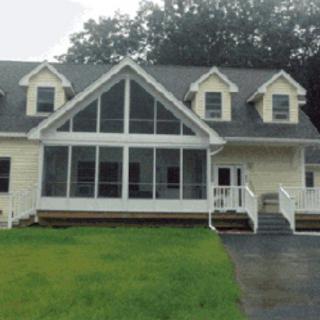
Crossroad Farm in Temple, NH is an assisted living community that offers a comfortable and homelike environment for seniors. This board and care home provides 24-hour supervision and assistance with activities of daily living such as bathing, dressing, and transfers.

Residents at Crossroad Farm can enjoy a range of amenities including a beauty salon for their grooming needs, cable or satellite TV for entertainment, and access to devotional services off-site for spiritual fulfillment. The community features a dining room where nutritious meals are provided, accommodating special dietary restrictions if needed. The fully furnished living spaces are designed to provide comfort and convenience to the residents.

In addition to these amenities, Crossroad Farm offers housekeeping services to ensure a clean and tidy living environment. The indoor common areas provide space for socialization and the kitchenette allows residents to prepare snacks or beverages whenever they desire. Outdoor spaces like gardens offer opportunities for fresh air and relaxation.

The staff at Crossroad Farm are dedicated to coordinating with health care providers to ensure that each resident's medical needs are met. This includes assistance with medication management and coordination of transportation arrangements for medical appointments.

To promote mental well-being, Crossroad Farm provides a mental wellness program that focuses on enhancing cognitive abilities and emotional health. Community-sponsored activities are scheduled regularly to encourage social engagement among residents. Additionally, the community organizes devotional activities off-site for those interested in religious practices.

Located in Temple, NH, Crossroad Farm benefits from its proximity to parks, restaurants, and places of worship. Residents can easily access these nearby attractions to enjoy outdoor activities or dine out with family and friends.

Overall, Crossroad Farm offers a supportive environment where seniors receive personalized care services while enjoying a range of amenities that cater to their physical, emotional, and social well-being.

Nearby Places of Interest

Places of Worship

  • Congregational Church of Temple (0.8 miles)
  • Temple Forest Monastery (3.5 miles)
  • Antrim Baptist Church (7.3 miles)
  • All Saints Parish (8 miles)
  • Cathedral of the Pines (8.1 miles)
  • Monadnock Friends Meeting (9.4 miles)
  • Monadnock Bible Conference (12.1 miles)

Restaurants

  • Pickity Place (3.6 miles)
  • Double D Dogs (4.6 miles)
  • Copper Kettle To Go (5.5 miles)
  • Pearl Restaurant & Oyster Bar (7 miles)
  • Peterborough Pizza Barn (7 miles)
  • Bantam Grill (7 miles)
  • Kogetsu (7.1 miles)

Parks

  • Pack Monadnock Summit (3.9 miles)
  • Cunningham Pond (4.7 miles)
  • Miller State Park (7 miles)
  • Shieling State Forest (7.3 miles)
  • Adam's Playground (7.9 miles)
  • Jaffrey Recreation Department (9.1 miles)
  • Keyes Memorial Park (9.3 miles)

Cafes

  • Hilltop Cafe (5 miles)
  • Aesop's Tables Cafe (7.1 miles)
  • Cafe 532 (8.1 miles)
  • Identity Coffee Lab (9.4 miles)
  • Union Coffee Company (9.7 miles)
  • The Cozy Tea Cart (10.5 miles)
  • Buckley's Bakery & Cafe (13.5 miles)

Physicians

  • Capitol Center for Oral and Maxillofacial Surgery (6.4 miles)
  • Teresa Mary Cadorette (7.2 miles)
  • Larmon Steve MD (7.5 miles)
  • Monadnock Obgyn (7.5 miles)
  • Monadnock Family Care (7.5 miles)
  • Monadnock Behavioral Health (7.5 miles)
  • Monadnock Internists (7.5 miles)

Transportation

  • U-Haul Neighborhood Dealer (6.5 miles)
  • U-Haul (10.1 miles)

Pharmacies

  • Rite Aid (6.9 miles)
  • CVS Pharmacy (7.6 miles)
  • Rite Aid (9.2 miles)
  • Rite Aid (9.3 miles)
  • Rite Aid (9.7 miles)
  • CVS Pharmacy (9.9 miles)
  • Walgreens (10.8 miles)

Theaters

  • Milford Drive-In Theater (7.5 miles)

Hospitals

  • Peterborough Internal Medicine (7.5 miles)
  • Monadnock Community Hospital (7.6 miles)
  • Monadnock Community Hospital-ER (7.6 miles)
  • Crotched Mountain Rehabilitation Center (11.1 miles)
  • McLean Ambulatory Treatment Center At Naukeag (11.5 miles)

Frequently Asked Questions

Where is Crossroad Farm?

Nearby Communities

  • Echo Farm

    Echo Farm

    Temple, NH

    5 from 3 reviews
     

    pro Cozy, home-like board-and-care with 24-hour supervision, ADL support, meals, and transportation.

  • Ledgewood

    Ledgewood

    Temple, NH

     
    $2,500 / month

    pro Affordable private rooms at $2,500/mo with 24/7 care and included amenities.

  • Birch

    Birch

    Temple, NH


    pro Comprehensive assisted living with 24/7 supervision, personal care support, diabetes-friendly meals, medication management, and transportation to medical appointments.

  • Four Winds Community

    Four Winds Community

    Temple, NH

    5 from 1 review
     

    pro 24/7 supervision with ADL assistance and coordinated health care.

  • Tobias House

    Tobias House

    Temple, NH


    pro Board-and-care with 24/7 supervision and diabetes-friendly meals.

  • Tobias House

    Tobias House

    Temple, NH

    4.7 from 38 reviews
     

    pro Comprehensive care with 24/7 supervision, medication management, and diabetes-friendly dining.

  • Rivermead

    Rivermead

    Peterborough, NH

    3.6 from 9 reviews
     

    pro Beautiful, well-maintained campus with professional staff and versatile care options.

  • Scott-Farrar At Peterborourgh

    Scott-Farrar At Peterborourgh

    Peterborough, NH

    4 from 20 reviews
     

    pro Beautiful, modern, well-maintained facility with a wide range of amenities and a friendly, helpful staff.

  • Summerhill Assisted Living

    Summerhill Assisted Living

    Peterborough, NH

    4.4 from 5 reviews
    $3,750 to $5,475 / month

    pro Well-maintained facility with a charming, small-town feel, caring staff, and engaging activities, including memory care.

Related Resources

  • activities of daily livingComprehensive Insights into Activities of Daily Living (ADLs) and Their Assessment

    Activities of Daily Living (ADLs) are fundamental tasks vital for an individual's independence, particularly in older adults over 85, and include functions like bathing and dressing; assessing ADLs alongside Instrumental Activities of Daily Living (IADLs) helps determine the level of required assistance due to age-related health challenges. Tailored support plans, involving family and community resources, are essential for maintaining dignity and autonomy in assisted living environments.

  • does medicare pay for assisted livingMedicare Coverage for Assisted Living: An In-Depth Exploration

    Medicare does not cover assisted living costs, as it focuses on acute medical needs and short-term care, with exceptions for certain medically necessary services like physical therapy. Individuals must explore other options such as Medicaid, veterans' benefits, or long-term care insurance to manage these expenses effectively.

  • assisted living vs nursing homeChoosing the Right Senior Care: A Detailed Exploration of Assisted Living and Nursing Homes

    Choosing between assisted living and nursing homes involves evaluating emotional and financial factors, with assisted living offering independence and support for daily activities at a lower cost, while nursing homes provide intensive medical care for individuals with significant health needs. The decision is influenced by personal preferences, health status, cognitive function, and varying Medicaid coverage across states.