
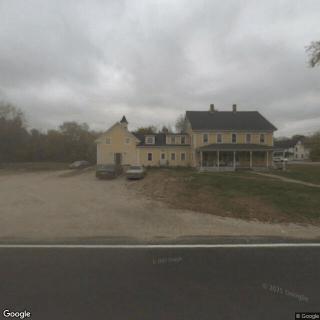
17 N Division Rd, Silver Lake, NH 03875
To contact a resident: (603) 367-9272
For more information about senior living options: (866) 208-4318
Overall Review of Hummingbirds Assisted Living
Pros
 The grandmother was treated very well.
- She liked living there.
- She loved the food and the nice staff.
- The mother has been there for many years and has been treated like a queen.
- The owners Mike and Julie are first class.
Cons
 The above review without comments is beyond comprehension.
Review
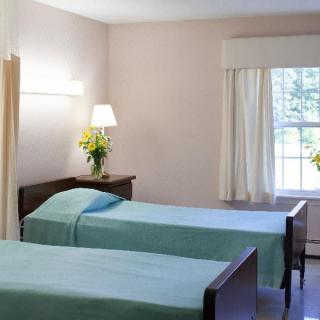
Hummingbirds Assisted Living in Silver Lake, NH is best suited for families seeking a small, hands-on setting where daily care feels personal and relationships are the center of the experience. This community earns strong marks for creating a warm, homelike atmosphere where residents are known by name and staff clearly invest in getting to know them. It fits seniors who are relatively independent but welcome daily companionship, predictable routines, and thoughtful meals. For families, the appeal lies in direct access to a close-knit team and to the owners, which can translate into rapid problem-solving and highly individualized attention. In short, it serves well those who prioritize comfort, personal connection, and a can-do caregiving ethos over expansive campus programming.
Those with more demanding or specialized needs may want to consider alternatives. If a loved one requires robust medical oversight, complex wound or medication management, or a formal memory-care program, a larger community with dedicated on-site clinicians could be a better match. Families seeking broad, schedule-rich activities, multiple on-site services, or a widely marketed care continuum may also find bigger operators more reassuring. Additionally, if pricing clarity, admission policies, or guaranteed access to progressive levels of care are non-negotiable, it’s prudent to compare several options before deciding, because the intimate, owner-operated model here may come with different trade-offs than a multi-site facility.
The strongest positives center on truly person-centered care. Residents repeatedly describe being treated with care, courtesy, and genuine warmth, with staff who listen and respond to preferences in food, routines, and daily life. The dining experience stands out as a highlight, with meals that residents enjoy and staff who communicate with kindness and attentiveness. The personal touch goes beyond staff familiarity; the owners are cited as “first class,” lending a sense of continuity and accountability that families often value when entrusting someone with daily wellbeing. In a setting this small, that direct involvement from leadership can translate into quicker adjustments to routines or preferences, which official mission statements alone rarely deliver.
Where the narrative becomes important for decision-making is in anticipating what to monitor, given the absence of explicit cons in the reviews. The implied risk with a compact, family-owned operation is that the breadth of clinical resources and program variety may not match what larger communities offer. There may be fewer on-site specialists, more variable staffing patterns, or less formalized programming during certain shifts. Yet these potential gaps are not presented as chronic problems in the testimonials; rather, they underscore the reality that comfort and connection can outsize program breadth for many families. When the pros include urgent responsiveness, familiar faces, and a consistent caregiving approach, the offset to these trade-offs can be substantial for residents who prize stability and personal acknowledgment.
To make an informed decision, prospective families should plan a visit that goes beyond a tour. Observe meal times, note how residents interact with staff, and assess whether the environment supports meaningful engagement for different levels of ability. Ask explicit questions about staffing ratios, nursing availability, and how care plans are developed and updated. Request a sample menu, inquire about medication management, emergency procedures, and how transitions to higher levels of care are handled if needed. It’s also wise to speak with a few residents or family members about their experience and to assess compatibility with routines, religious or cultural preferences, and privacy expectations. This discipline helps uncover whether the intimate, high-touch model will remain consistently aligned with a loved one’s evolving needs.
The bottom line is practical and clear: Hummingbirds Assisted Living stands out as a strong choice for families prioritizing personalized care, warmth, and direct-access leadership. It excels when the priority is a resident who wants to feel seen, heard, and cared for in a homelike setting where meals and daily interactions are thoughtfully managed. It is not necessarily the option for families whose loved ones demand extensive medical services, a wide array of on-site activities, or a formalized memory-care program. For those willing to trade some breadth of services for a remarkably attentive, relationship-driven environment, this community earns a confident recommendation after a careful, in-person evaluation.



 Seniors and Modern Transportation: Exploring Uber, Lyft, and Other Ride-Hailing Options
 Comprehensive Guide to Qualifying for Home Health Care Services
 Powerful Realities of Elder Abuse and the Most Effective Ways to Report It