
37 Briar Hill Road, New Boston, NH 03070
For more information about senior living options: (866) 208-4318
Overall Review of Rose Meadow Farm
Pros
 Rose Meadow has incredibly loving people who care for the residents.
- The staff are described as making visitors feel very comfortable.
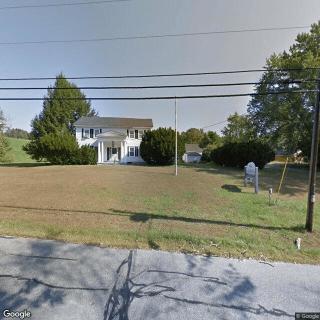
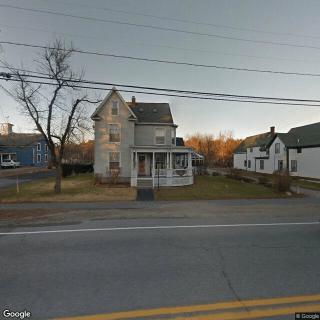
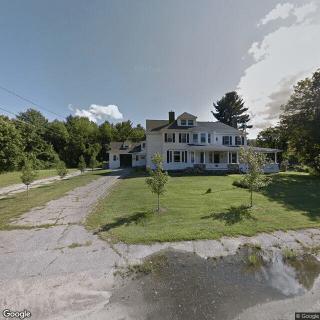
- The facility is housed in a converted old farmhouse, providing a home‑like setting.
- Each resident has their own bedroom with communal living spaces, plus outdoor areas.
- The staff are caring and friendly, and the facility is clean and well kept.
- The facility offers extensive recreational activities, including indoor games and outdoor activities on large grounds.
- On-site staff doctors are on hand for regular checkups and progress meetings.
- The small number of residents (about 11) allows more individualized attention.
Cons
 The staff are severely understaffed, with only a few caregivers for all residents.
- Residents are not engaged in activities and often sit staring at the TV.
- Staff appear stressed and unfriendly, with smiles missing from their interactions.
- Promised services, such as an on-call doctor, are not delivered.
- The facility is not well maintained and looks run-down, needing repairs.
- The facility falsely advertises support; there are no on-staff doctors and little to no actual physical therapy.
- Staff seem to lack training for traumatic brain injury and are quick-tempered with residents.
- Severe TBI residents receive less support, with more severe cases seeing even less help.
- Residents are left unattended for long periods, sometimes lying in urine and feces.
- Families report losing confidence and moving loved ones out due to concerns about care.
Review
Rose Meadow Farm in New Boston, NH is best suited for families seeking a small, home-like environment for a loved one with traumatic brain injury who benefits from a quiet, intimate setting and a rehabilitative focus rather than a hospital atmosphere. The facility centers on a house-like layout with private bedrooms for residents, a shared living space, kitchen, and ample outdoor area. With about a dozen residents at a time and a relatively robust staff presence, the environment aims to feel like a supervised, supportive home rather than a clinical campus. For families prioritizing dignity, routine, and a non-institutional vibe, Rose Meadow offers a compelling fit.
On the positive side, the greatest strengths lie in the atmosphere and the caregiving ethos. The setting is described as clean, well-kept, and genuinely home-like, with staff who are perceived as caring and attentive by some visitors. The small scale allows for more personal connections and the potential for meaningful social engagement in a domestic rhythm rather than a facility-wide hustle. Recreational programming is a clear emphasis, including inside activities and outdoor experiences that leverage the grounds. In some accounts, families note that staff are responsive, and the presence of on-site professionals, at least for routine progress checks and family meetings, adds a layer of reassurance that rehabilitation remains a household priority, not an afterthought.
However, serious concerns shadow the positives. A recurring pattern across multiple reviews is under-staffing coupled with high resident needs, generating stress and quick, surface-level responses rather than sustained engagement. Families report limited staff availability relative to the number of residents, with mornings and peak times characterized by rushing and insufficient time for individualized interaction. Activity calendars sometimes fail to engage residents, and visitors observe residents staring at screens or seeming disconnected from purposeful programming. The most troubling claims describe inconsistent delivery of physical therapy, a lack of on-call physician availability, and situations where medical or rehabilitative promises do not translate into visible, timely care.
Those gaps matter because they can significantly offset the home-like benefits. When staff are stretched thin, even the best intentions fade into reactionary care, leaving residents more vulnerable to neglect or missed opportunities for progress. The gap between what is promised, on-site doctors, regular PT, and proactive rehabilitation, and what is actually experienced appears to be a decisive fault line for this community. Maintenance and upkeep also emerge as concerns, with some families sensing a drift from the facility’s once-polished appearance and upkeep. In a setting designed for recovery, these breakdowns can undermine trust and stability for residents and their families.
For families evaluating Rose Meadow, the key trade-off centers on choosing a tightly knit, homey, rehabilitative environment versus accepting the risk of uneven medical and activity fulfillment. The strong points, personal bedrooms, a domestic layout, ongoing attention from staff, and a focus on meaningful recreation, can offset many drawbacks when a resident thrives on routine, familiarity, and a less clinical atmosphere. Yet when medical oversight, timely therapy, and consistently proactive engagement are non-negotiables, these advantages may not fully compensate for the gaps. The facility will not be a good match for someone requiring consistent, aggressive medical management or a robust, guaranteed PT program delivered without repeated delays or assurances.
Families that should consider alternatives are those prioritizing constant medical supervision, predictable therapy timelines, and an unequivocal commitment to comprehensive TBI rehabilitation. For residents with complex medical needs, or whose progress hinges on reliable on-site doctors and highly coordinated therapy, larger facilities with a proven, mission-aligned medical staff may offer more reliable structures. Prospective movers should demand a candid, current, face-to-face tour that includes meeting frontline staff, requesting a transparent explanation of daily schedules, and confirming exact therapy availability and physician coverage. The decision hinges on balancing the comfort of a homey setting against the certainty of robust, consistently delivered care.
In closing, Rose Meadow Farm represents a distinct niche: a small, family-like rehabilitative home that can be a strong match for residents who value independence, personal space, and routine within a non-institutional setting. The decisive factor is risk tolerance around medical and rehabilitative consistency. If the resident’s needs align with intimate staffing, meaningful daily activities, and a supportive, home-centered atmosphere, and if the family is prepared to actively verify and oversee care, Rose Meadow can be a sound choice. If, instead, reliable, 24/7 physician oversight and guaranteed, timely physical therapy are non-negotiable, alternatives with clearer, more consistent medical delivery should be pursued.
 11 resident community capacity
 Assisted Living
 Cable or satellite TV
 Dining room
 Fully furnished
 Garden
 Housekeeping services
 Move-in coordination
 Outdoor space
 Telephone
 Wi-Fi/high-speed internet available
 Manchester (14 miles away)
 24-hour supervision
 Activities of daily living assistance
 Assistance with bathing
 Assistance with dressing
 Assistance with transfers
 Diabetes diet
 Meal preparation and service
 Medication management
 Special dietary restrictions
 Transportation arrangement (medical)
 Transportation to doctors appointments


 An Extensive Exploration of the VA Aid and Attendance Benefit
 Senior Transition Services: Understanding Their Role, Cost, and Importance
 Exploring the Path to Senior Living: A Comprehensive Look at Independent Living and Assisted Living