
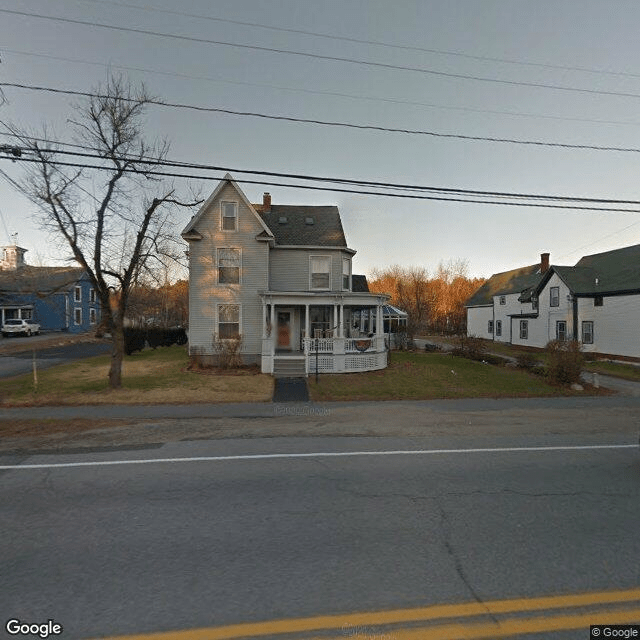
50 North Mast Street, Goffstown, NH 03045
For more information about senior living options: (866) 208-4318
Villager Retirement Home Costs & Pricing
Villager Retirement Home offers competitive pricing for its residents, particularly when compared to the broader context of Merrimack County and the state of New Hampshire. For a semi-private room, the monthly cost at Villager stands at $3,300, significantly lower than the county average of $4,707 and the state average of $4,881. Similarly, in terms of private accommodations, Villager's rate of $4,300 is also more affordable than both Merrimack County's average of $5,145 and New Hampshire's overall rate of $5,170. This positioning reflects Villager Retirement Home's commitment to providing quality care at accessible prices without compromising on comfort or services.
| Floor plans | Villager Retirement Home | Merrimack County | New Hampshire |
|---|---|---|---|
| Semi-Private | $3,300 | $4,707 | $4,881 |
| Private | $4,300 | $5,145 | $5,170 |
Assisted Living communities with a similar price nearby
-
from -$114 / mo

Aynsley Place
$3,186 to $9,300 / month20.2 miles away -
from +$450 / mo
Bedford Falls
$3,750 to $10,500 / month6.6 miles away -
from +$500 / mo
The Wellstone House
$3,800 to $4,500 / month18.3 miles away -
from +$450 / mo
Summerhill Assisted Living
$3,750 to $5,475 / month21.1 miles away -
from -$450 / mo
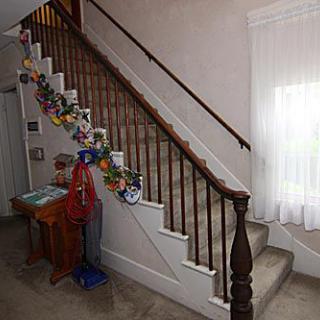
Pillsbury Home
$2,850 / month13.2 miles away
Overall Review of Villager Retirement Home
Pros
 The facility is beautiful and feels like walking into Grandma's home.
- It is a lovely, well-kept Victorian with nice rooms.
- The staff are wonderful and caring.
- The people make the place, creating a warm, home-like atmosphere.
- The owner encourages guests to visit and stay for a day, fostering a welcoming spirit.
- The Villager is small, warm, and offers plenty of interaction among residents.
- The reviewers would highly recommend The Villager as a wonderful, caring place for a loved one.
Cons
 The reviewer felt it was not the place for her yet.
- The mom wasn't as excited about The Villager's rooms because she would have a roommate and couldn't furnish the room with her own furniture.
- If they hadn't been encouraged to visit other places, the mom would have chosen a place she actually disliked.
- She has declined significantly since leaving.
Review
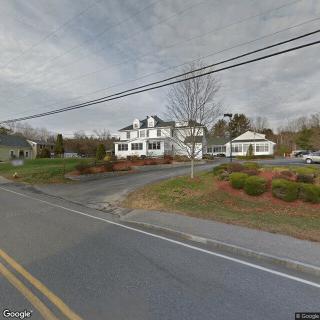
Villager Retirement Home in Goffstown, NH is best suited for families seeking a warm, small, home-like option where seniors are known by name and daily life remains human-scale. It appeals to residents who favor intimate connections over campus bustle, where staff and neighbors chat in the halls and everyone feels familiar. The facility presents as a well-kept Victorian with inviting, comfortable rooms. The underlying strength is the atmosphere: a genuine sense of belonging rather than a clinical routine. This is a setting where small-town hospitality translates into steady, friendly interactions, giving families seeking peace of mind through personal warmth a clear reason to look closer.
But some seniors should consider alternatives. The obvious caveat is privacy and decor autonomy: room-sharing and limited options to personalize the space can frustrate those who want a private suite and the freedom to arrange furnishings. The charm rests on a compact footprint rather than a full spectrum of amenities found on larger campuses. For families prioritizing extensive on-site services, formal programming, or specialized memory care, a larger community or a facility with private rooms and more robust care options might be a better fit.
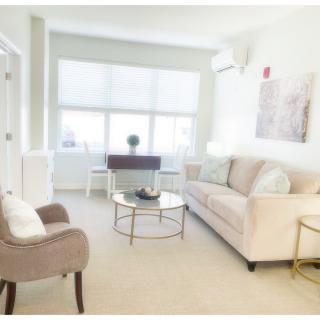
The positives include the people, the owner and caregivers cultivate a culture where residents feel attended to and engaged. The home-like vibe translates into daily life: more interaction, more eye contact, more spontaneous conversations, and a sense that everyone matters. Reviewers note welcoming tours and the option to spend a day to observe life; staff consistently demonstrate care. The rooms are pleasant, and the overall atmosphere keeps the focus on safety and companionship. Taken together, these strengths offset the main trade-off of room-sharing by delivering a high level of personal attention and belonging.
Community dynamics matter here. The emphasis on interpersonal connections means activities feel accessible and genuine rather than perfunctory. Residents know one another, and staff facilitate meaningful engagement rather than rigid, scripted routines. One reviewer highlighted the value of visiting for a day to sense the environment, a testament to candid, resident-centered hospitality. In practice, warmth and attentiveness translate into tangible reassurance for families evaluating daily living quality against the price.
What to expect day-to-day: a tight-knit, conversational cadence, plenty of chances to participate, and a sense of being cared for. Yet privacy inside bedrooms is limited and sharing a room is the norm, with less opportunity to personalize. For families, the choice hinges on whether companionship and a home-like rhythm trump privacy and décor autonomy. Prospective residents should visit with eyes open for how well staff know residents, how active the social calendar feels, and whether the tone aligns with the senior’s personality.
Bottom line: Villager Retirement Home stands out as a practical, heartfelt choice for seniors who thrive on familiarity, personal attention, and a neighborly atmosphere in a well-kept Victorian setting. It is especially well-suited for those who want a small, cohesive community where staff know residents and daily life centers on connection. Alternatives should be strongly considered for anyone requiring private accommodations, larger campuses, or more robust care options. When privacy, extensive amenities, or memory-care capabilities are essential, other options may deliver a better balance of independence and support.
 16 resident community capacity
 Assisted Living
 Board and Care Home
 Cats allowed
 Dogs allowed
 Activities on-site
 Cable or satellite TV
 Devotional services off-site
 Dining room
 Fully furnished
 Garden
 Housekeeping services
 Indoor common areas
 Move-in coordination
 Outdoor space
 Private
 Telephone
 Wi-Fi/high-speed internet available
 Manchester (10 miles away)
 24-hour supervision
 Ambulatory care
 Assistance with bathing
 Assistance with dressing
 Assistance with transfers
 Diabetes diet
 Diabetic care
 High acuity care
 Incontinence care
 Meal preparation and service
 Medication management
 Special dietary restrictions
 Transportation arrangement (medical)
 Transportation to doctors appointments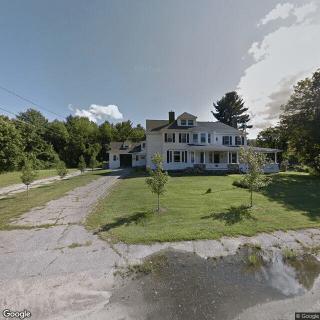




 Comprehensive Insights into Activities of Daily Living (ADLs) and Their Assessment
 Medicare Coverage for Assisted Living: An In-Depth Exploration
 Choosing the Right Senior Care: A Detailed Exploration of Assisted Living and Nursing Homes