All American Assisted Living at Kingston

Save

  • Interior

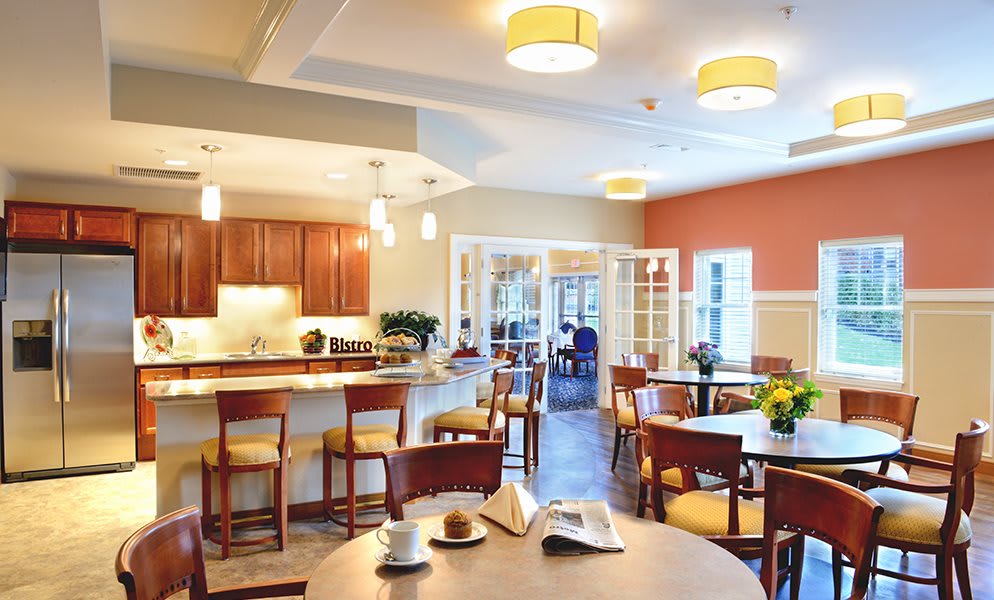
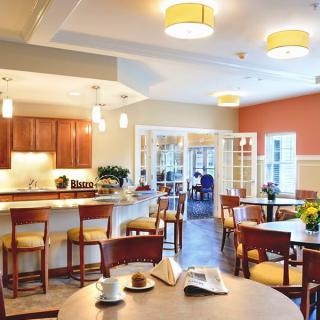
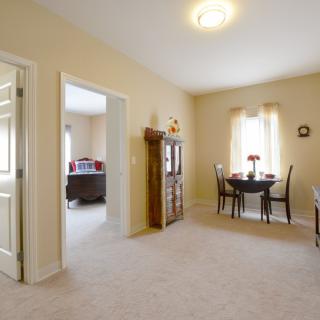
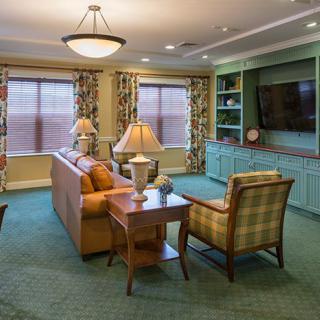
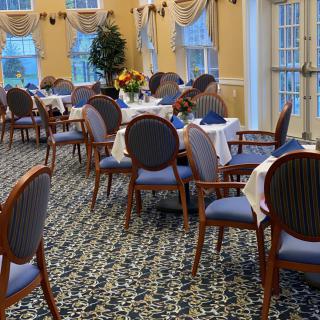
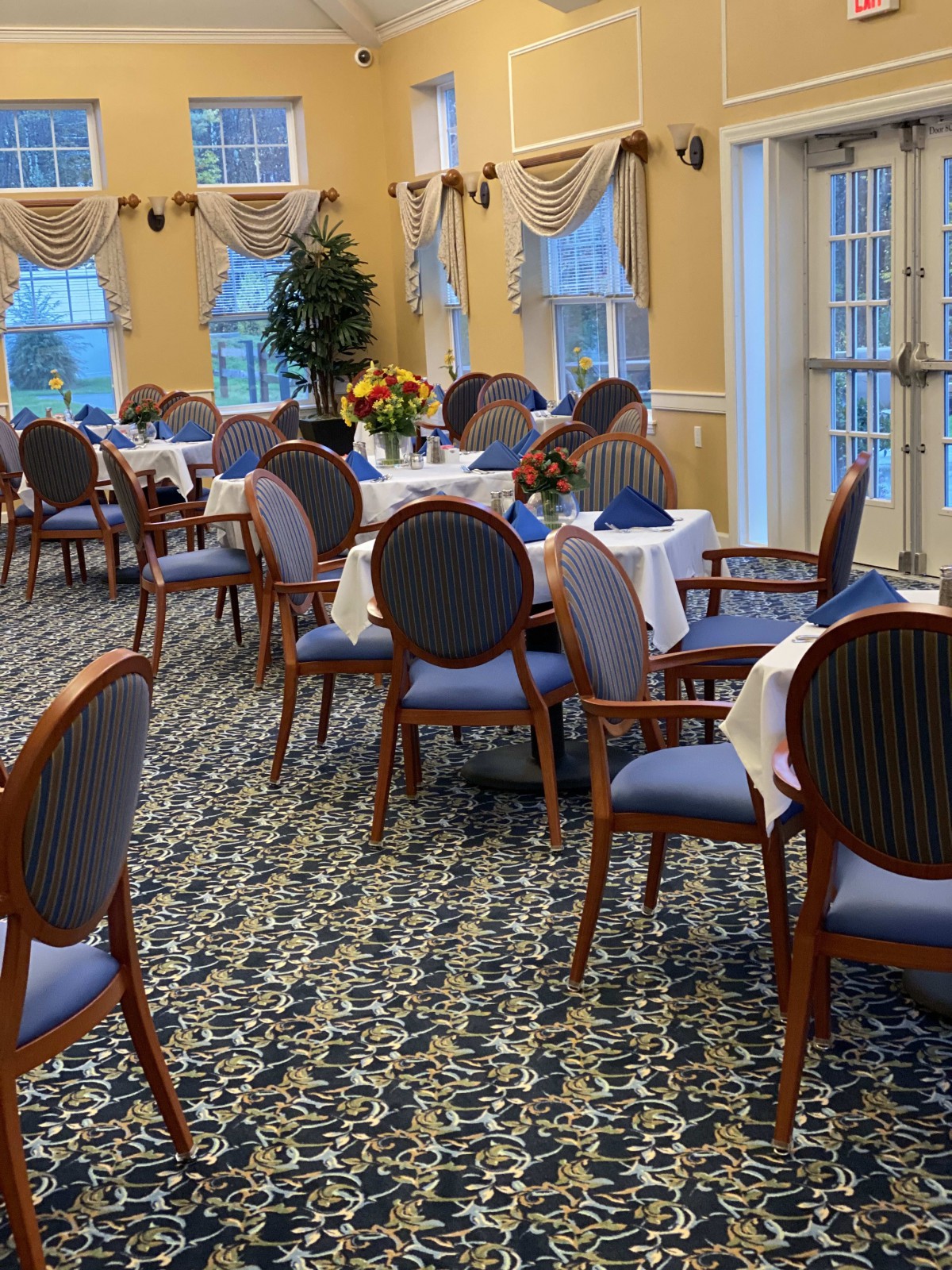
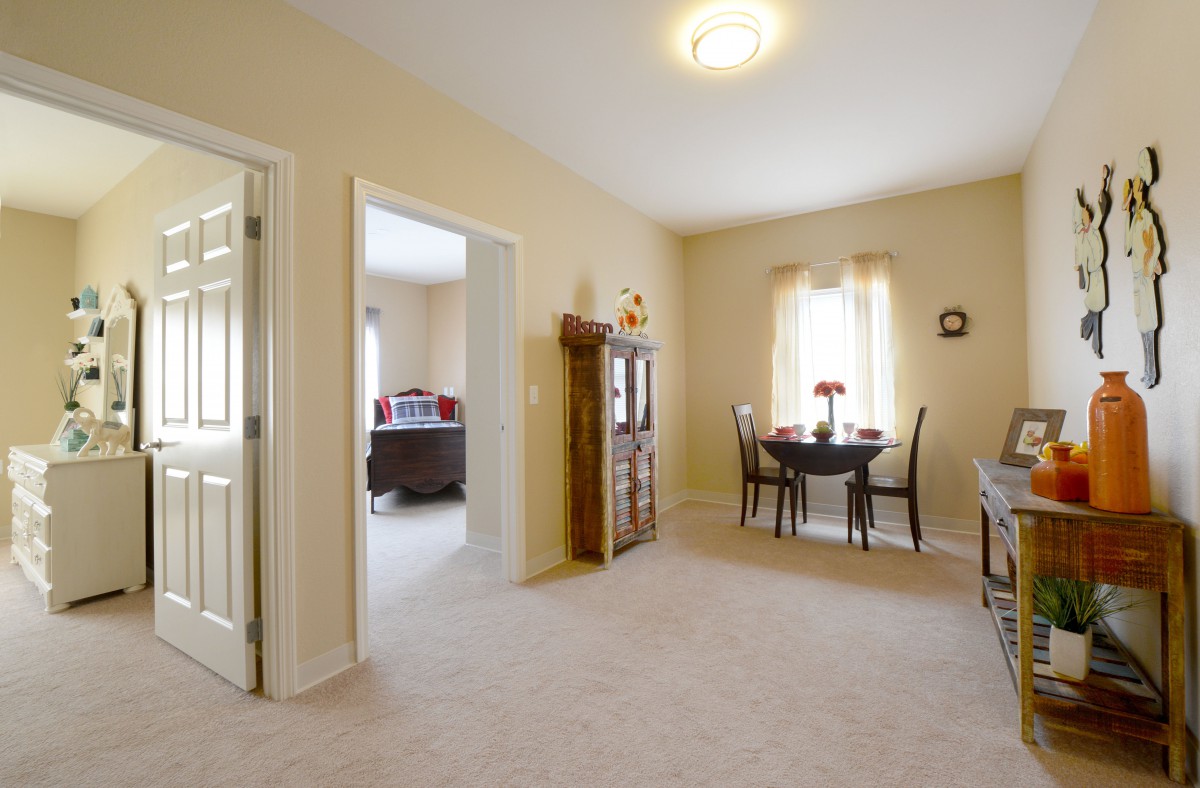
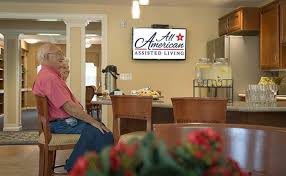
    A cozy dining and kitchen area with wooden furniture and warm lighting.
  • Decor

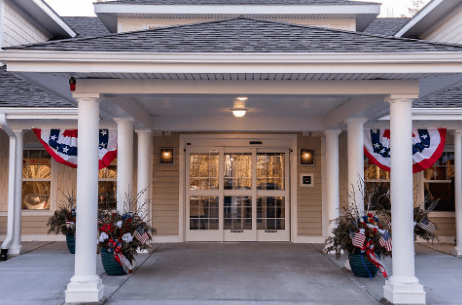
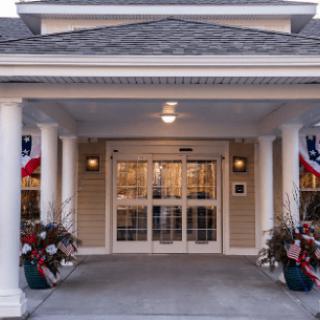
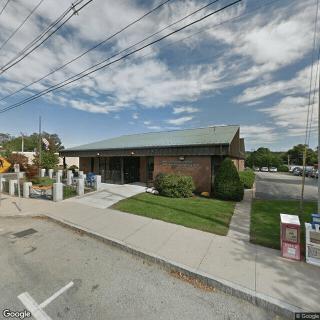
    Entrance of a building decorated with American flags and flowers.
  • Living Room

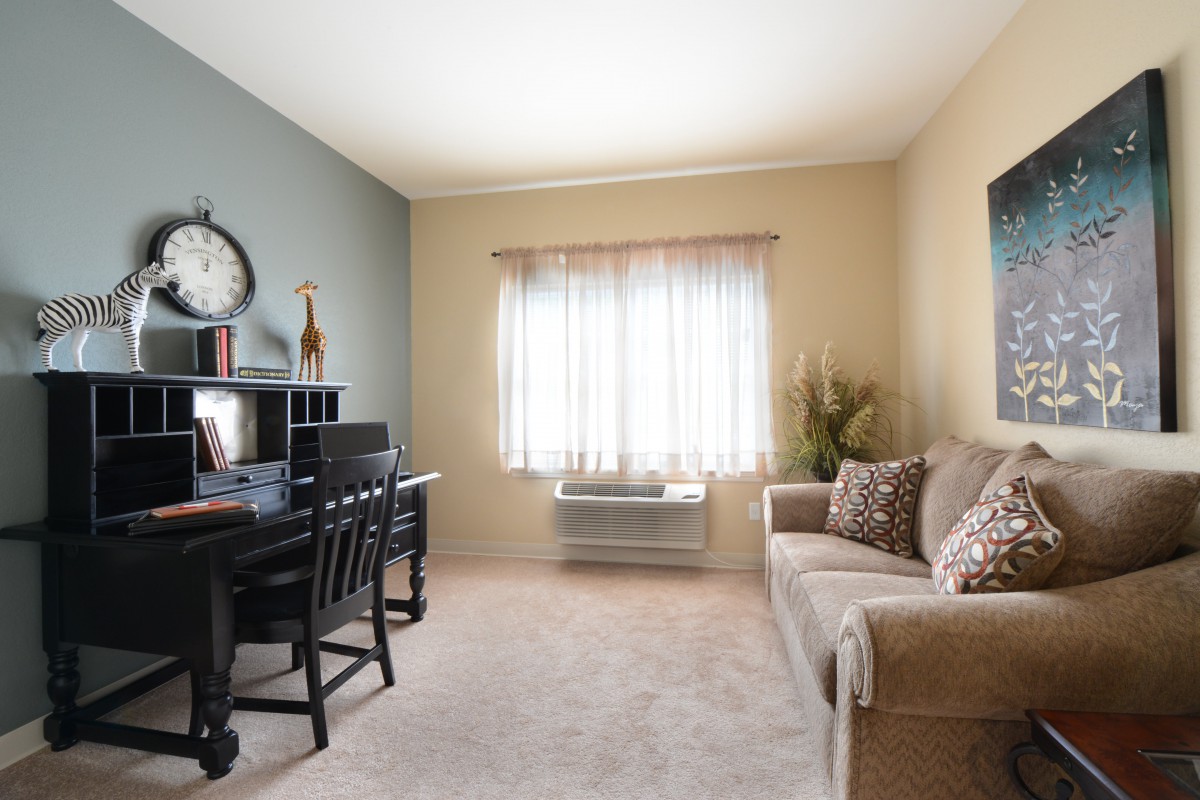
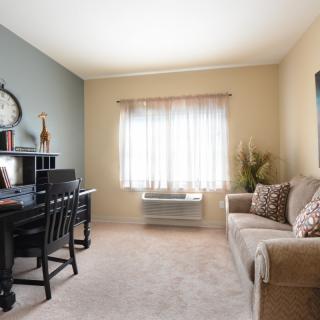
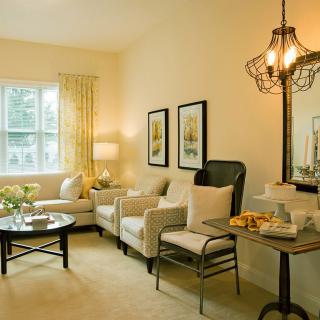
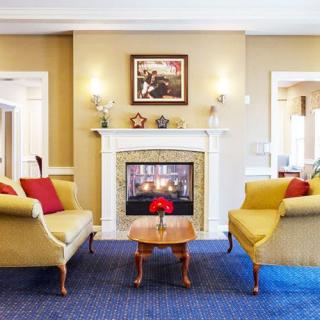
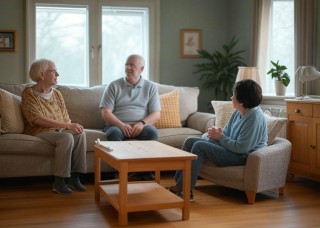
    A cozy living room with a sofa, desk, and window letting in natural light.
  • Building

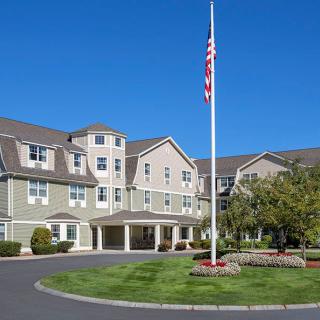
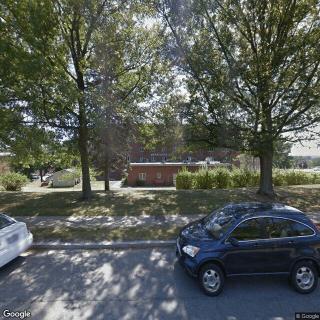
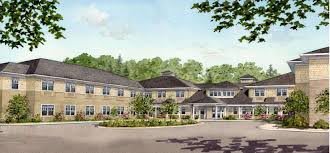
    A suburban residential building surrounded by trees and landscaping.
  • Bedroom

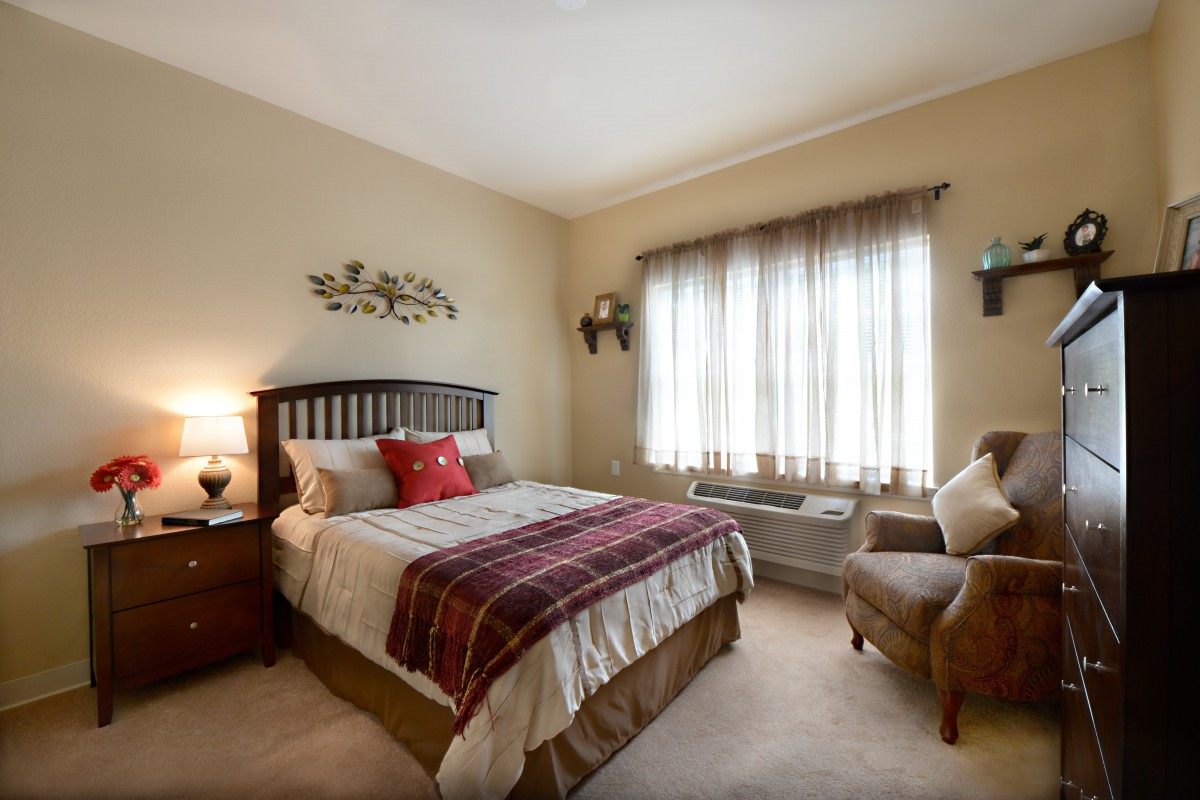
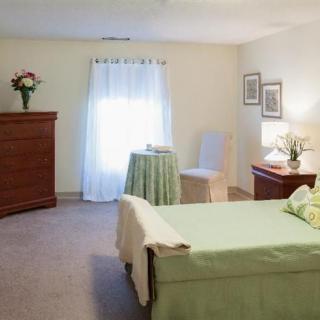
    A cozy bedroom with a neatly made bed, armchair, and soft lighting.
  • Dining

    A cozy dining area with a small table and chairs, surrounded by warm lighting.
  • Kitchen

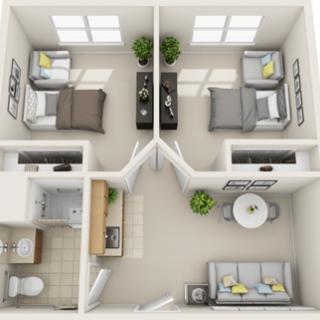
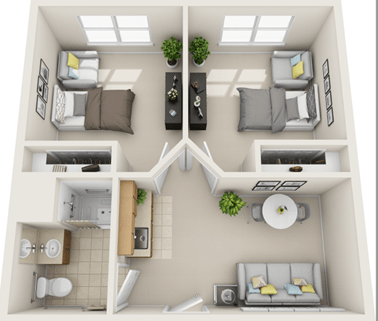
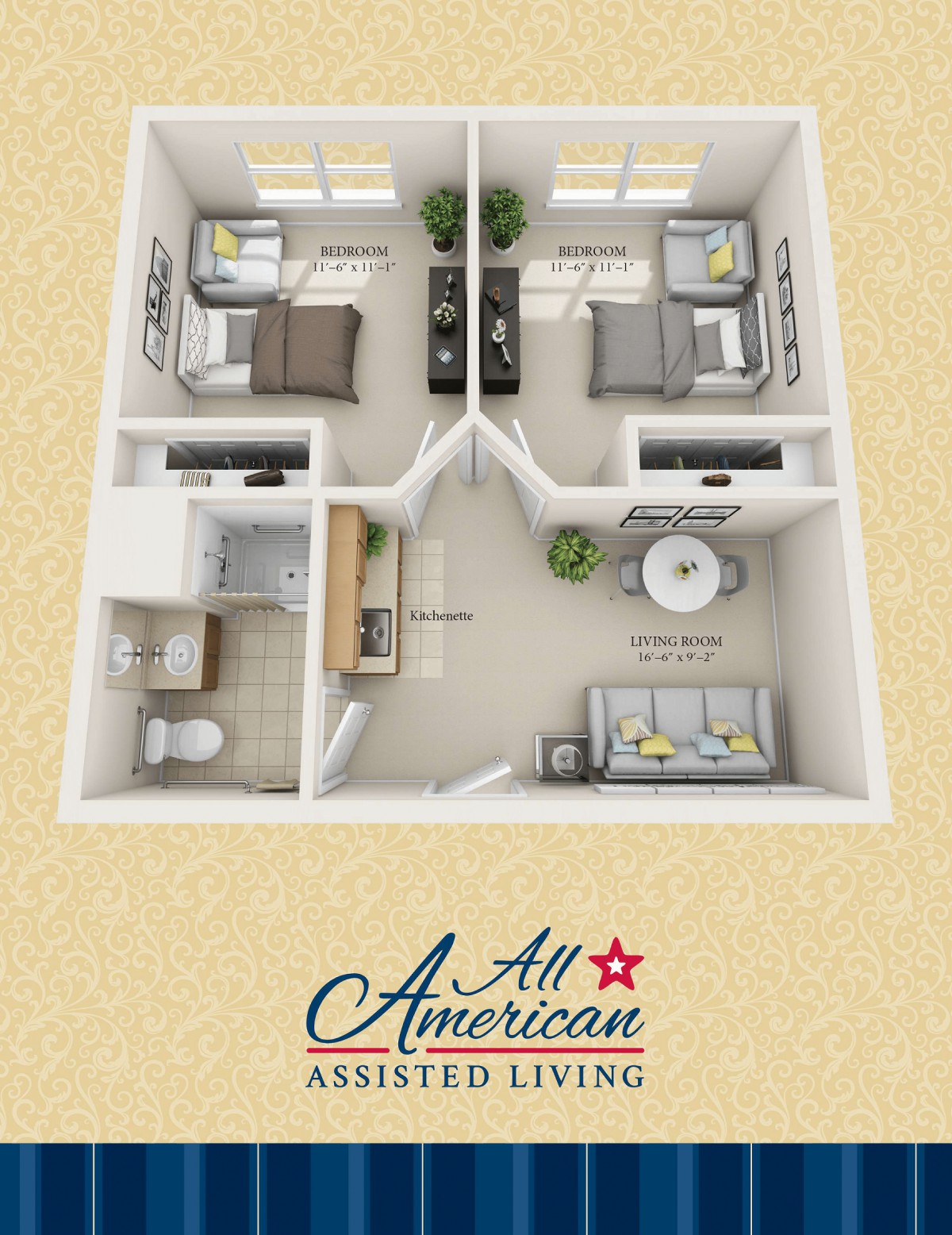
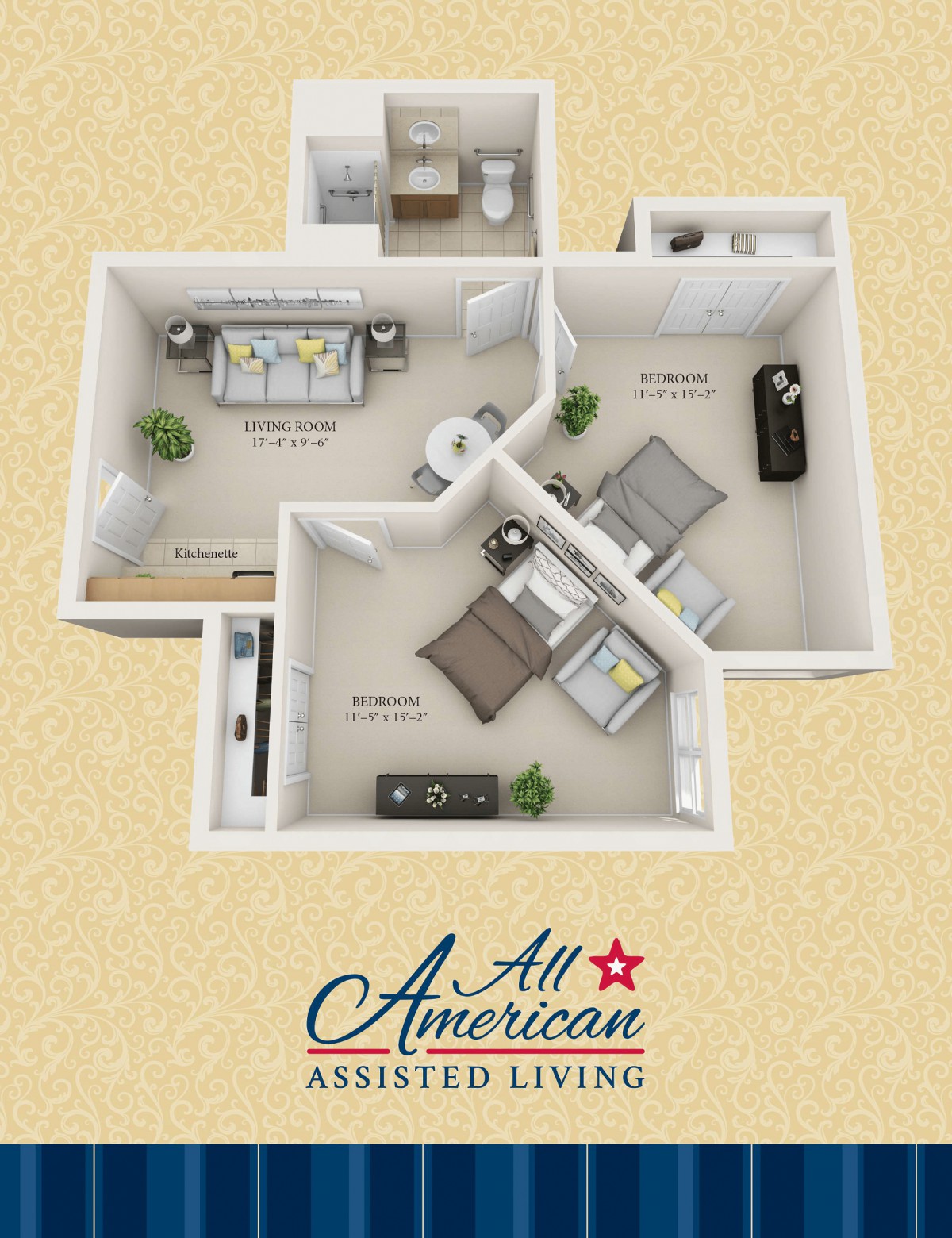
    A 3D floor plan of a two-bedroom apartment with a shared living area and kitchen.
  • Floor Plan

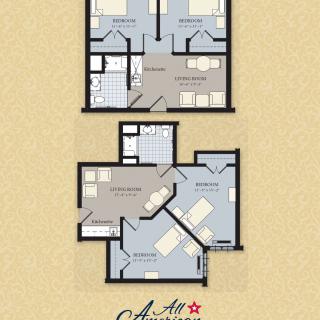
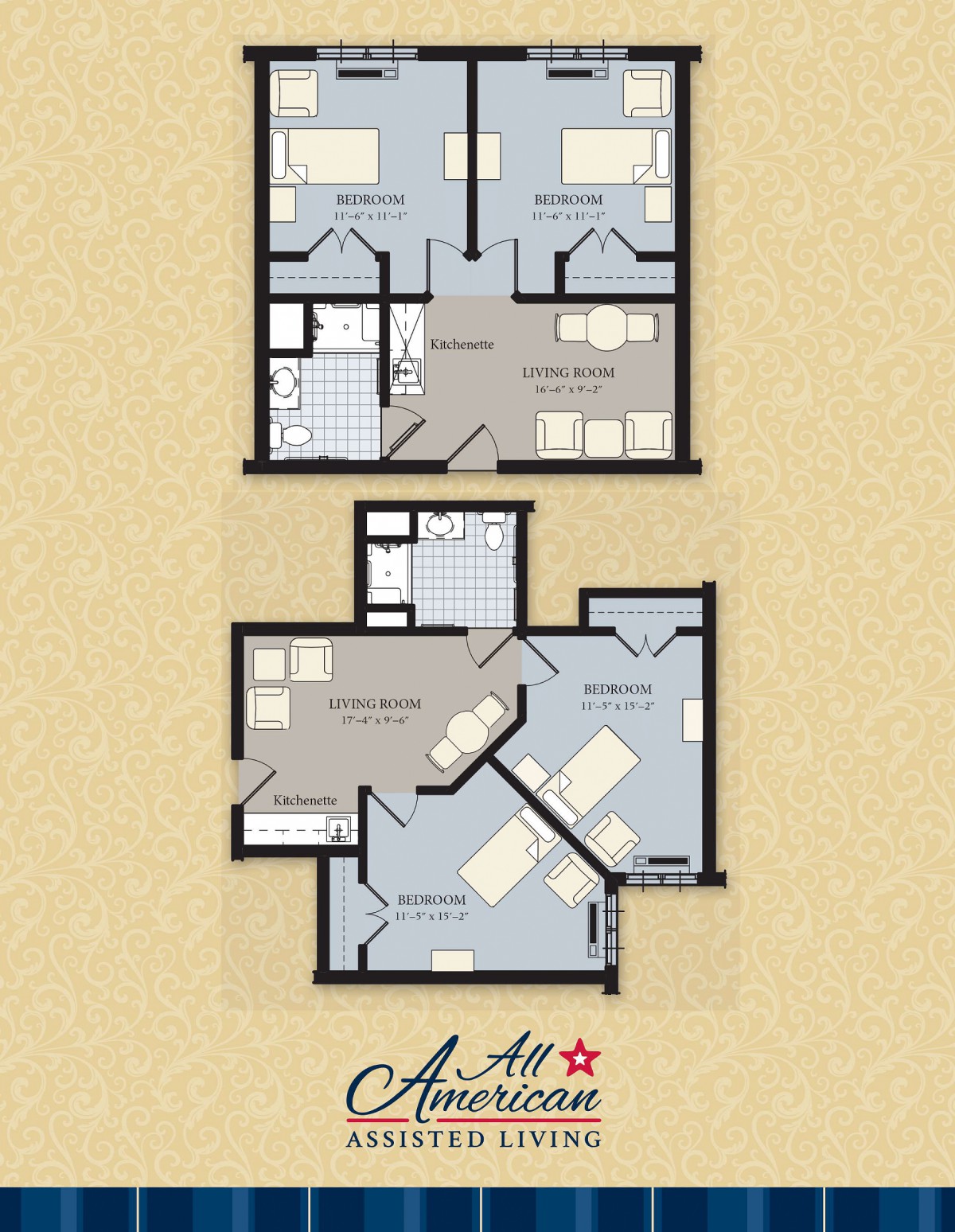
    A detailed two-story house floor plan with multiple rooms and common areas.
  • Bookshelves

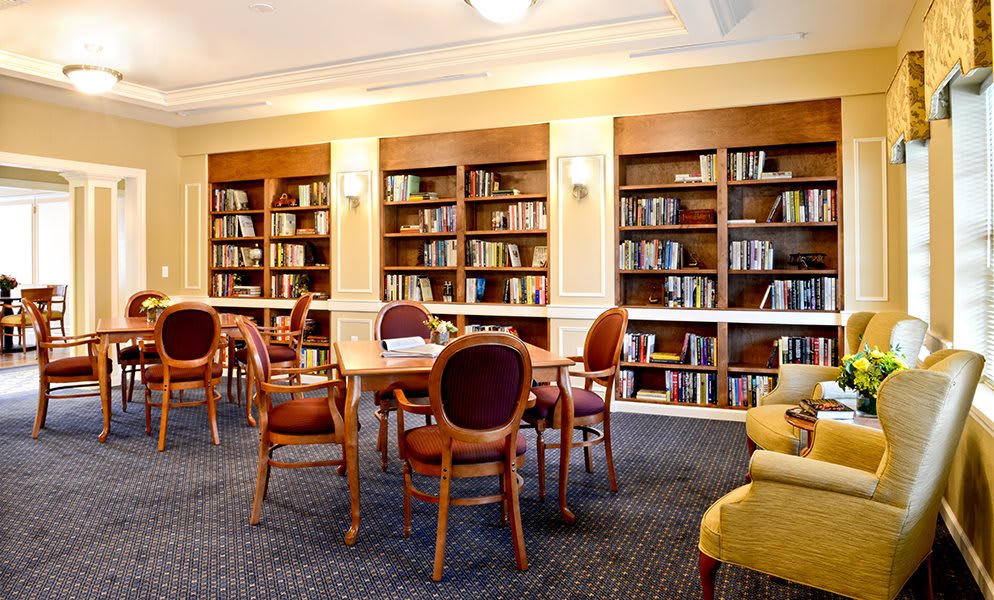
    A cozy library interior with bookshelves, tables, and chairs for reading.

All American Assisted Living at Kingston

193 Main St, Kingston, NH 03848

For more information about senior living options: (844) 490-3973

4.4 from 52 reviews
5 stars
37
4 stars
7
3 stars
4
2 stars
1
1 stars
3

Assisted Living Memory Care

All American Assisted Living at Kingston Costs & Pricing

At All American Assisted Living at Kingston, residents can expect competitive pricing that offers significant value in comparison to both Rockingham County and statewide averages in New Hampshire. The monthly cost for a semi-private room stands at $4,100, notably lower than the county's average of $5,895 and New Hampshire's average of $4,881. For those seeking a bit more privacy, the studio option is priced at $4,900, which is also below the county average of $5,403 and just slightly above the state average of $5,346. However, the 2-bedroom unit reflects a different trend; at $7,380 per month, it exceeds both Rockingham County's rate of $6,980 and New Hampshire's average of $4,901. Overall, All American Assisted Living provides an attractive option for many residents while still catering to various needs with its diverse room types.

Floor plansAll American Assisted Living at KingstonRockingham CountyNew Hampshire
Semi-Private$4,100$5,895$4,881
Studio$4,900$5,403$5,346
2 Bedrooms$7,380$6,980$4,901

Overall Review of All American Assisted Living at Kingston

Pros

  • pro The staff are very responsive.
  • pro Residents are more engaged in daily activities and enjoy the meals.
  • pro The memory care staff, Laurie and Alesha, go above and beyond with compassion.
  • pro The staff communicate exceptionally well with families.
  • pro The team treats residents like family, creating a welcoming home-like atmosphere.
  • pro The facility is beautiful, clean, and well maintained.
  • pro Activities and outings keep residents active and engaged.
  • pro The leadership, including Shannon and Lori, is friendly, professional, and supportive.
  • pro The care and dedication of the entire staff are outstanding.
  • pro The environment feels friendly, warm, and full of community.

Cons

  • pro Some reviewers warned to stay away, citing frequent administration changes and a pattern of nickel-and-diming families with little compassion when residents leave.
  • pro Several accounts described safety and health lapses, including UTIs, multiple falls, and failure to promptly notify families about serious events.
  • pro Critics pointed to management turnover and a perceived shift from compassionate, resident-focused care to corporate priorities.
  • pro Dining issues were noted, with repetitive menus and meals sometimes served cold, along with occasional incidents involving dining room staff.
  • pro The facility was described as costly, with reviews suggesting the price did not always reflect the value of care provided.
  • pro Some reviews characterized the residence as older or more institutional, not feeling as homelike as other options.
  • pro There were reports of abrupt hospital transfers or discharges with unclear or inadequate 30-day notice.

Review

All American Assisted Living at Kingston is best suited for families seeking a modern, responsive campus where daily life feels purposeful and residents stay actively engaged. The community is a strong fit for couples or individuals who prefer a smaller, home-like setting over a sprawling campus, with ready access to family involvement. It excels for families facing memory-care needs, thanks to a dedicated unit and a team culture that prioritizes compassion and continuity. Those pursuing strict Medicaid coverage or the absolute lowest possible cost should consider alternatives, as the facility operates privately and pricing and contract terms can be challenging for budget-conscious families.

On the upside, the staff consistently earns high marks for responsiveness and communication. Families report care teams that feel like family, with nurses and activity directors who know residents' preferences and advocate for their needs. The building's newer construction adds a clean, inviting feel with a hotel-like yet homey atmosphere that many residents respond to positively. The memory-care unit is a notable strength, allowing couples or partners to remain together in some two-bedroom configurations, which preserves dignity and connection. Activities are robust and varied, with daily projects, outings, and meals that residents frequently praise for quality and engagement.

Yet several persistent drawbacks temper the overall impression. Leadership turnover and periodic administration changes can undermine consistency in care planning and resident experience, creating unease for families seeking steady oversight. Contractual friction surfaces in real-world moves - for example, a stated 30-day notice in some situations may not always align with the urgency of a transition - and the facility is not Medicaid eligible, which narrows options for families relying on public funding. There are troubling anecdotes about health events (falls, UTIs) and delayed or incomplete communication to families, along with occasional dining-service inconsistencies or meals arriving cold. Some room configurations in memory care involve shared bathrooms, which compromises privacy for residents who value independence.

Because these tensions exist, certain families should consider alternatives. Those who must rely on Medicaid or who need highly predictable, lockstep pricing may find other communities more straightforward and affordable. Families seeking a truly apartment-style, less institutional feel may prefer other campuses that emphasize independence over the hotel-like ambiance. If ongoing leadership stability and transparent staffing metrics are non-negotiable, look for communities with longer-tenured executives and clearer retention strategies. Availability timing matters as well; some reviewers note that admissions can fill quickly, limiting options for immediate placement.

To gauge fit, approach the evaluation with a practical checklist. Request current staffing ratios and turnover data, plus the historical stability of the leadership team. Probe memory-care protocols: how transitions are managed, what the 30-day-notice limit actually means in practice, and how emergencies are communicated to families. Inspect dining routines - the menus, serving times, and whether meals arrive at the proper temperature - and examine room layouts, especially in two-bedroom units where shared bathrooms are a factor. Confirm what is included in the base rate versus add-ons, and whether Medicaid is an option. Finally, observe the daily atmosphere during visits: do staff interactions feel consistent, are residents engaged and cheerful, and does the campus offer a cadence of meaningful activities aligned with loved one's interests?

Overall, All American Assisted Living at Kingston stands as a capable, caring option for families prioritizing warmth, engagement, and attentive staff. The strongest pro set - transparent communication, compassionate nursing, a clean, modern environment, and a lively activity calendar - often offsets drawbacks for many families, especially those with memory-care needs or couples seeking continuity. For those who can bear the cost and who value a close-knit, hands-on care team, the Kingston campus delivers meaningful peace of mind and daily quality of life. However, if Medicaid eligibility, cost predictability, or a more apartment-like, less transactional feel drive the decision, alternatives deserve serious consideration.

Features

Housing

  • 2-bedroom apartments 2-bedroom apartments2-bedroom apartments are important for seniors because they provide extra space for guests, hobbies, and caregivers, as well as potential for additional income through roommates or rental.
  • Studio apartments Studio apartmentsStudio apartments are important for seniors because they offer a smaller, more manageable living space that is easier to navigate and maintain as physical abilities decline. Additionally, studio apartments provide seniors with independence and privacy while still being part of a community that offers support and social opportunities.

Types of Care

  • Assisted Living Assisted LivingAssisted living facilities provide crucial support and care for seniors who may need help with daily tasks such as medication management, bathing, and meal preparation. These communities offer a safe and comfortable environment where seniors can maintain their independence while receiving the assistance they need to thrive in their golden years.
  • Memory Care Memory CareMemory care is crucial for seniors as it provides specialized support and services for individuals with dementia or Alzheimer's disease. These programs offer a safe and secure environment where residents receive personalized care, cognitive stimulation, and help with daily activities. Memory care helps seniors maintain their independence, quality of life, and dignity while also providing peace of mind for their families.

Pets

  • Cats allowed Cats allowed"Pet friendly" senior living communities are important for seniors because pets provide companionship, reduce feelings of loneliness and depression, promote physical activity and mental stimulation, and offer a sense of purpose and responsibility. Pets can improve overall well-being and quality of life for seniors in many ways.
  • Dogs allowed Dogs allowed"Pet friendly" senior living communities are important for seniors because pets provide companionship, reduce feelings of loneliness and depression, promote physical activity and mental stimulation, and offer a sense of purpose and responsibility. Pets can improve overall well-being and quality of life for seniors in many ways.

Amenities

  • Activities off-site Activities off-siteEngaging in off-site activities is crucial for seniors to maintain social connections, stay active, and stimulate their minds. It promotes overall well-being and helps combat feelings of isolation and loneliness.
  • Activities on-site Activities on-siteActivities on-site are important for seniors because they provide opportunities for socialization, mental stimulation, physical activity, and overall well-being. Engaging in activities can help seniors stay active, maintain their independence, and improve their quality of life.
  • Air-conditioning Air-conditioningAir conditioning is important for seniors as they are more vulnerable to heat-related illnesses and may have underlying health conditions that make it difficult for them to regulate their body temperature. It helps to keep them comfortable, safe, and healthy in hot weather.
  • Beautician on-site Beautician on-siteHaving a beautician on-site at a senior living community is important for seniors as it allows them to easily access grooming and personal care services, boosting their self-esteem and overall well-being. It also provides convenience and helps seniors maintain their sense of independence and personal style.
  • Cable or satellite TV Cable or satellite TVCable or satellite TV is important for seniors because it provides entertainment, news, and companionship, helping to combat loneliness and boredom. It also offers a wide range of programming options tailored to different interests and preferences.
  • Devotional services off-site Devotional services off-siteDevotional services off-site are important for seniors as they provide spiritual nourishment, social engagement, and a sense of community outside of the senior living facility. This can enhance overall well-being and help combat feelings of isolation and loneliness often experienced by older adults.
  • Dining room Dining roomDining rooms are important for seniors as they provide a space for socialization, connection, and nutritious meals. They offer opportunities for residents to bond over shared meals, foster a sense of community, and promote healthy eating habits. Dining rooms also ensure that seniors have access to well-balanced meals tailored to their dietary needs and preferences.
  • Fireplaces FireplacesFireplaces are important for seniors as they provide warmth, comfort, and a cozy atmosphere that can help alleviate the physical discomforts of aging, such as arthritis and poor circulation. Additionally, fireplaces offer a sense of nostalgia and security, making seniors feel more at home and relaxed in their living environment.
  • Garden GardenGardens are important for seniors as they provide a peaceful and therapeutic environment for relaxation, physical activity, and socialization. Being in nature has been shown to reduce stress, improve mood, and promote overall well-being. Gardens also offer opportunities for seniors to engage in gardening activities, which can improve mobility, flexibility, and cognitive function. Additionally, gardens create a sense of community and connection with others who share a passion for plants and outdoor spaces.
  • Garden view Garden viewGarden views are important for seniors as they provide natural beauty and tranquility, promoting relaxation and overall well-being. Access to green spaces can also encourage outdoor activity and socialization, enhancing physical and mental health.
  • Ground floor units Ground floor unitsGround floor units are important for seniors because they provide easy accessibility, reduced risk of falls and injuries, and convenience for those with mobility issues. Seniors can avoid climbing stairs or using elevators, making daily tasks and activities more manageable and enjoyable.
  • Guest parking Guest parkingGuest parking is important for seniors because it allows their friends and family members to visit them easily and safely. Having convenient parking options can help combat feelings of isolation and loneliness, promote regular social interaction, and improve overall mental and emotional well-being for seniors in senior living communities.
  • Handicap accessible Handicap accessible"Handicap accessible" amenities are crucial for seniors to ensure they can easily navigate and access facilities, services, and activities without barriers or limitations due to physical impairments. This promotes independence, safety, and inclusivity for seniors in senior living communities.
  • Housekeeping services Housekeeping servicesHousekeeping services are important for seniors because they help maintain a clean and safe living environment, promote independence, and reduce the risk of accidents or illnesses. Additionally, having assistance with household chores can alleviate physical strain and allow seniors to focus on other aspects of their well-being.
  • Indoor common areas Indoor common areasIndoor common areas are crucial for seniors as they provide a space for socialization, recreation, and community engagement, promoting overall well-being and reducing feelings of isolation and loneliness.
  • Kitchenette KitchenetteKitchenettes are important for seniors living in senior living communities because they provide the convenience and independence of being able to prepare simple meals and snacks in the comfort of their own living space. This can help promote a sense of autonomy and well-being for seniors, allowing them to maintain some level of control over their dietary choices and daily routines.
  • Laundry LaundryLaundry services are important for seniors as they may have difficulty with physical tasks such as bending, lifting, or carrying heavy loads. Having access to laundry services can help seniors maintain personal hygiene, cleanliness, and independence in their daily lives.
  • Outdoor common areas Outdoor common areasOutdoor common areas are important for seniors as they provide a space for socialization, physical activity, and relaxation. Being outside in nature can improve mood and overall well-being, while also encouraging movement and engagement with others. These spaces can help combat feelings of isolation and promote a sense of community among residents.
  • Party space Party spaceHaving access to party space is important for seniors as it provides opportunities for socialization, connection, and enjoyment. These spaces allow seniors to celebrate special occasions, host gatherings with friends and family, and participate in community events, enhancing their overall well-being and quality of life.
  • Resident parking Resident parkingResident parking is crucial for seniors in a senior living community as it provides convenience, accessibility, and safety for residents who may have limited mobility or rely on personal vehicles for transportation. Having designated parking spaces ensures that seniors can easily access their homes without having to walk long distances or navigate crowded parking lots, ultimately enhancing their overall quality of life and sense of independence.
  • Respite or short term stays offered Respite or short term stays offeredRespite or short term stays provide seniors with a temporary solution when their regular caregiver is unavailable, offering them the opportunity to receive additional care and support during times of need, while also giving caregivers a chance to rest and recharge.
  • TV room TV roomTV rooms are important for seniors in senior living communities because they provide a space for social interaction, entertainment, and relaxation. Watching TV can help reduce feelings of loneliness and boredom, and create a sense of community among residents. Additionally, TV rooms offer a break from daily routines and can be a source of comfort and familiarity for seniors.
  • Wheelchair accessible showers Wheelchair accessible showersWheelchair accessible showers are crucial for seniors as they provide a safe and independent bathing option for those with mobility challenges. These showers help prevent falls and allow seniors to maintain their dignity and autonomy while ensuring they can bathe comfortably.
  • Wi-Fi/high-speed internet available Wi-Fi/high-speed internet availableWi-Fi/high-speed internet is important for seniors to stay connected with loved ones, access online resources, and participate in virtual activities to combat feelings of loneliness and isolation. It also allows them to easily manage healthcare needs, access entertainment, and engage in lifelong learning opportunities.

Transportation

  • Manchester (19 miles away) Manchester (19 miles away)
  • Transportation & parking Transportation & parkingTransportation and parking are vital for seniors as they offer access to essential services, activities, and social interactions. Reliable transportation options can help seniors maintain independence, stay connected within their community, and enjoy a higher quality of life. Additionally, convenient parking facilities ensure that seniors can easily access necessary resources and amenities without added stress or difficulty.

Care Services

  • Ambulatory care Ambulatory care"Ambulatory care services provide essential medical support and treatment to seniors without requiring hospitalization, allowing them to maintain their independence and quality of life while managing chronic conditions or receiving routine medical care."
  • Companion care Companion careCompanion care is crucial for seniors as it provides social interaction, emotional support, and companionship, which can improve quality of life, mental health, and overall well-being. This type of care can combat feelings of loneliness and isolation often experienced by seniors and ensure they have someone to talk to and engage with on a regular basis.
  • Diabetic care Diabetic careDiabetic care is crucial for seniors as they are more susceptible to developing diabetes due to aging and other health conditions. Proper management of diabetes can help prevent complications such as heart disease, vision loss, and nerve damage, improving the overall quality of life for seniors in senior living communities.
  • High acuity care High acuity careHigh acuity care is important for seniors because it provides specialized medical attention and support for individuals with complex medical needs. This level of care ensures that seniors receive the appropriate treatment and assistance to maintain their health and quality of life as they age.
  • Incontinence care Incontinence careIncontinence care is essential for seniors to maintain their dignity, hygiene, and overall quality of life. By addressing incontinence issues promptly and effectively, seniors can enjoy a sense of independence and comfort in their daily activities.
  • Medication management Medication managementMedication management is crucial for seniors to ensure they are taking the right medications at the correct dosages and times. This helps prevent adverse drug interactions, reduces the risk of medication errors, and promotes overall health and well-being. Proactive management also allows for adjustments as needed based on changing health conditions or new prescriptions.
  • Personal care assistants Personal care assistantsPersonal care assistants are essential for seniors as they provide assistance with daily tasks, such as dressing, bathing, and medication management. They offer crucial support and companionship to help seniors maintain independence and quality of life in their own homes or in senior living communities.
  • Physical therapy Physical therapyPhysical therapy is essential for seniors to maintain and improve their mobility, strength, and overall quality of life. It helps reduce pain, prevent falls, and enhance independence in daily activities. By promoting movement and function, physical therapy can help seniors stay active, healthy, and engaged in their communities.

Dining

  • Gluten-free Gluten-freeGluten-free options are important for seniors as they are more prone to digestive issues and dietary sensitivities. Offering gluten-free meal choices in senior living communities can help improve their overall health and well-being.
  • Guest meals Guest mealsGuest meals are important for seniors living in senior living communities because they provide an opportunity for socialization and companionship. Sharing a meal with friends, family, or new acquaintances can help combat feelings of loneliness and isolation, promote a sense of community, and enhance overall well-being. Additionally, guest meals allow seniors to enjoy delicious food in a comfortable setting without the hassle of cooking or cleaning up, making dining a pleasurable and stress-free experience.
  • International cuisine International cuisineInternational cuisine is important for seniors because it offers a variety of flavors, ingredients, and cultural experiences that can help keep their meals interesting and enjoyable. Trying new dishes can also stimulate the senses and provide different nutrients that contribute to overall health and well-being. Additionally, exploring international cuisine can bring back fond memories of travels or childhood experiences, making mealtime more nostalgic and fulfilling for seniors.
  • Low / no sodium Low / no sodiumLow/no sodium options are important for seniors because excessive sodium intake can lead to high blood pressure, heart disease, and other health issues commonly experienced by older adults. By choosing low/no sodium foods, seniors can better manage their health and reduce their risk of developing these conditions.
  • Meals provided Meals provided"Meals provided" are crucial for seniors in assisted living communities as it ensures they have access to nutritious, balanced meals without the stress of meal planning and preparation. This can help promote overall health and well-being for seniors who may have limited mobility or cognitive abilities.
  • No Sugar No SugarNo sugar diets are important for seniors because they can help prevent or manage chronic conditions such as diabetes, heart disease, and obesity. Sugar can also contribute to cognitive decline and inflammation in the body, so reducing sugar intake can lead to overall improved health and well-being in older adults.
  • Professional chef Professional chefProfessional chefs are important for seniors living in senior living communities because they provide nutritious and delicious meals that cater to their dietary needs and preferences. A professional chef can ensure that seniors are receiving balanced, flavorful meals that support their overall health and well-being.
  • Restaurant style dining Restaurant style diningRestaurant style dining is important for seniors as it offers them a social and enjoyable dining experience, promotes healthy eating habits, and provides personalized menu options to cater to their dietary needs and preferences. This type of dining setting can enhance their overall quality of life and create a sense of community within the senior living facility.
  • Room service Room serviceRoom service is important for seniors in a senior living community because it provides convenience and allows them to have their meals delivered directly to their room. This can be especially beneficial for seniors who may have mobility issues or difficulty accessing the dining area. Room service ensures that seniors are able to receive nutritious meals without having to navigate through the facility, allowing them to maintain their independence and overall well-being.
  • Special dining programs Special dining programsSpecial dining programs are important for seniors because they provide nutritious meals tailored to their dietary needs and preferences. These programs also offer socialization opportunities, promote overall health and well-being, and can help prevent malnutrition.
  • Vegan VeganVegan diets can provide numerous health benefits for seniors, including lower risk of chronic diseases, improved digestion, and increased energy levels. Additionally, plant-based diets are often rich in essential nutrients that can support overall well-being and longevity in older adults.
  • Vegetarian VegetarianA vegetarian diet is important for seniors because it can help lower the risk of chronic diseases, maintain a healthy weight, and provide essential nutrients needed for aging bodies. Additionally, plant-based diets are often easier on digestive systems and can contribute to overall well-being in older adults.

Activities

  • Activities off-site Activities off-siteEngaging in off-site activities is crucial for seniors to maintain social connections, stay active, and stimulate their minds. It promotes overall well-being and helps combat feelings of isolation and loneliness.
  • Art classes Art classesArt classes are important for seniors because they provide a creative outlet, improve cognitive function, reduce stress and anxiety, promote socialization, and enhance overall well-being and quality of life.
  • Arts and crafts Arts and craftsEngaging in arts and crafts activities provides seniors with a creative outlet, promotes cognitive function, enhances dexterity and fine motor skills, fosters social interaction, and boosts overall well-being and mental health.
  • Bible study group Bible study groupBible study groups provide seniors with a sense of community, spiritual growth, and support during their later years. It helps them stay connected to their faith, find comfort in difficult times, and build meaningful relationships with others.
  • Book club Book clubBook clubs are important for seniors because they provide socialization, intellectual stimulation, and a sense of community. They offer the opportunity to engage in meaningful discussions, share perspectives, and connect with others who share a love of reading. Book clubs can also help seniors stay mentally active and combat feelings of loneliness or isolation.
  • Catholic services Catholic servicesCatholic services are important for seniors because they provide spiritual support, a sense of community, and opportunities for social interaction that can enhance overall well-being and quality of life in their later years.
  • Cooking classes Cooking classesCooking classes are important for seniors as they provide opportunities for social interaction, enhance cognitive skills, promote healthy eating habits, and boost confidence in the kitchen.
  • Day trips and outings Day trips and outingsDay trips and outings are important for seniors as they provide opportunities for socialization, mental stimulation, physical activity, and a break from daily routines. These experiences can enhance overall well-being and quality of life for older adults living in senior communities.
  • Devotional activities offsite Devotional activities offsiteDevotional activities offsite are important for seniors because they provide social engagement, spiritual growth, and a sense of community outside of their living environment. This can improve overall well-being, mental health, and combat feelings of isolation or loneliness.
  • Devotional activities on-site Devotional activities on-siteDevotional activities on-site provide seniors with a sense of community, spiritual fulfillment, and emotional support, promoting overall well-being and a positive sense of purpose in their lives.
  • Educational speakers / life long learning Educational speakers / life long learningEducational speakers and lifelong learning opportunities are crucial for seniors as they provide mental stimulation, promote social engagement, and contribute to overall well-being. Continuous learning helps seniors stay mentally sharp, build new skills, and maintain a sense of purpose and fulfillment in their lives. It also allows them to stay connected to the world around them and fosters a sense of community within senior living facilities.
  • Fitness programs Fitness programsFitness programs are crucial for seniors as they help improve strength, flexibility, balance, and overall well-being. Staying active can reduce the risk of chronic diseases, improve mental health, and enhance quality of life in older adults.
  • Games GamesGames are an essential part of senior living as they help promote cognitive function, social interaction, and overall well-being. Playing games can improve memory, concentration, and decision-making skills while also providing a fun and engaging way to connect with others. Seniors who participate in games regularly tend to experience higher levels of satisfaction and happiness in their daily lives.
  • Gardening club Gardening clubGardening clubs are important for seniors because they provide a sense of community, promote physical activity and mental well-being, and offer opportunities for socialization and connection with nature. Gardening can also improve cognitive function and overall quality of life for seniors.
  • Happy hour Happy hourHappy hour is important for seniors as it provides a social activity that promotes camaraderie and reduces feelings of loneliness or isolation. It also offers an opportunity for older adults to relax, unwind, and enjoy some drinks or snacks in a fun and welcoming atmosphere.
  • Karaoke KaraokeKaraoke provides seniors with a fun and social activity that can boost mood, confidence, and cognitive function. It encourages social interaction, physical movement, and creative expression, making it an important form of entertainment for senior living communities.
  • Live musical performances Live musical performancesLive musical performances can provide seniors with a sense of joy, nostalgia, and connection. Music has the power to evoke emotions and memories, improve mood and cognitive function, and foster social interaction among seniors. It can also serve as a form of therapy and stress relief for older adults, making it an important activity to include in senior living communities.
  • Live well programs Live well programs"Live well programs are essential for seniors as they provide opportunities for physical activity, social engagement, and mental stimulation, ultimately promoting overall health and well-being in later years."
  • Stories StoriesStories are important for seniors because they provide a sense of connection, stimulate memory and cognitive function, and offer entertainment and emotional engagement. Sharing stories can foster social interaction and create a sense of community among seniors, enhancing their overall well-being and quality of life.
  • Wine tasting Wine tastingWine tasting can be a fun and social activity for seniors, allowing them to engage their senses, learn about different varieties of wine, and potentially meet new friends. It also offers health benefits such as improved cognitive function and reduced risk of heart disease when consumed in moderation.

Description

All American Assisted Living at Kingston in Kingston, NH is an ideal senior living community for individuals seeking a comfortable and supportive environment. Our community offers studio apartments with various amenities to promote a fulfilling and independent lifestyle.

At All American Assisted Living at Kingston, we specialize in Memory Care, providing specialized care services for individuals with memory-related conditions. Our compassionate team of caregivers offers personal assistance, medication management, and high acuity care to ensure the well-being of our residents.

Our community boasts a range of amenities designed to enhance the quality of life for our residents. From indoor common areas and an on-site TV room to beautiful gardens with garden views, there are plenty of spaces for relaxation and socialization. Residents can also enjoy activities such as art classes, book clubs, fitness programs, gardening clubs, and educational speakers that cater to their interests and promote lifelong learning.

Mealtimes are a delightful experience at All American Assisted Living at Kingston. Our professional chef prepares delicious meals with options for special dietary needs such as low/no sodium, vegan, vegetarian, diabetic-friendly, and no sugar added options. Residents can enjoy restaurant-style dining or opt for room service for additional convenience.

With transportation services available along with guest parking and resident parking options, residents have easy access to nearby cafes, pharmacies, physicians' offices, and restaurants. We understand the importance of staying connected in today's digital world; hence we offer Wi-Fi/high-speed internet throughout our community.

Our goal at All American Assisted Living at Kingston is to provide exceptional care while promoting an engaging and vibrant lifestyle for our residents. With a dedicated team of caregivers and a variety of amenities and activities available on-site and off-site, we strive to create a welcoming home where seniors can thrive physically, mentally, emotionally, and socially.

Nearby Places of Interest

The town of Kingston, New Hampshire, offers a convenient and peaceful setting for senior living. With several healthcare facilities nearby, including the Sleep Institute of New England and Exeter Hospital, residents can access quality medical care easily. There are also pharmacies such as Walgreens and CVS within a short distance for medication needs. In terms of dining options, there are local favorites like Memories Ice Cream and Skip's Snack Bar, as well as chain restaurants like Burger King and Applebee's for a variety of choices. For outdoor recreation, parks like Amesbury Town Park and Maudslay State Park provide opportunities for leisurely walks and picnics. Additionally, there are places of worship such as St Joseph's Church for spiritual fulfillment. Overall, Kingston offers a convenient location with essential amenities for seniors looking to settle in a peaceful community.

Physicians

  • Sleep Institute of New England (1.9 miles)
  • Core Pediatrics-Plaistow (5.2 miles)
  • Lahey Merrimac (6.7 miles)
  • Exeter Hospital (6.9 miles)
  • Rockingham Vna & Hospice (6.9 miles)
  • Access Sports Medicine and Orthopaedics (7.3 miles)
  • Interventional Spine Medicine (7.3 miles)

Restaurants

  • Memories Ice Cream (3.4 miles)
  • Skip's Snack Bar (6.9 miles)
  • Burger King (7.2 miles)
  • Jimmy K's Restaurant (7.5 miles)
  • Applebee's (7.7 miles)
  • Gametime Lanes & Entertainment (7.8 miles)
  • 110 Grill (7.8 miles)

Pharmacies

  • Walgreens (4.4 miles)
  • CVS Pharmacy (7.4 miles)
  • Walmart Pharmacy (7.4 miles)
  • Walgreens (7.7 miles)
  • Walgreens (7.7 miles)
  • Rite Aid (7.9 miles)
  • Boyles Drug (8 miles)

Cafes

  • Honey Dew Donuts (4.8 miles)
  • Me & Ollie's (7.3 miles)
  • Market Square Bakehouse (8 miles)
  • Starbucks (8 miles)
  • Starbucks (8.9 miles)
  • Panera Bread (10 miles)
  • Starbucks (10.3 miles)

Parks

  • Amesbury Town Park (7.7 miles)
  • Maudslay State Park (9.9 miles)
  • East Derry Historic District (11.3 miles)
  • Lion's Park (11.4 miles)

Hospitals

  • Anna Jaques Hospital Billing (8.3 miles)
  • Whittier Pavilion (9.8 miles)
  • Merrimack Valley Hospital (10.7 miles)
  • Whittier Rehabilitation Hospital (11.3 miles)
  • Anna Jaques Hospital (11.4 miles)

Places of Worship

  • St Joseph's Church (8.4 miles)

Transportation

  • C&J Bus Lines (9.4 miles)

Frequently Asked Questions

How much does it cost to live at All American Assisted Living at Kingston in Kingston, NH?
What floor plans and room types does All American Assisted Living at Kingston offer?
Where is All American Assisted Living at Kingston?
Does All American Assisted Living at Kingston provide care for residents with dementia or Alzheimer's disease?
Does All American Assisted Living at Kingston allow residents to have pets?
What photos are available for All American Assisted Living at Kingston in Kingston, New Hampshire?

Nearby Communities

  • All American Senior Living in Kingston

    All American Senior Living in Kingston

    Kingston, NH

    4.3 from 27 reviews
     

    pro Strong memory care with 24/7 supervision and extensive on-site amenities.


  • King's Landing

    King's Landing

    Kingston, NH

    5 from 3 reviews
     

    pro Intimate, personalized care with meals, medication management and essential amenities (Wi-Fi, housekeeping).

  • Kacie Lane

    Kacie Lane

    Danville, NH


    pro Intimate, small-capacity community enabling personalized care.

  • Paul's Home

    Paul's Home

    Danville, NH

     
    $4,000 / month

    pro Lower-than-average private-room price in the area, with diabetic and high-acuity care options.

  • Angle Pond Woods

    Angle Pond Woods

    Hampstead, NH


    pro Intimate setting with personalized care due to small capacity.

  • RiverWoods

    RiverWoods

    Exeter, NH

     
    $6,400 / month

    pro Comprehensive care options (Independent Living, Memory Care) with on-site/off-site activities and amenities.

  • Ernest P. Barka Assisted Living

    Ernest P. Barka Assisted Living

    Brentwood, NH

    3.9 from 32 reviews
     

    pro Caring, supportive staff and active social programs.

  • Hillside Rest Home

    Hillside Rest Home

    Amesbury, MA


    pro Excellent access to healthcare and nearby amenities.

  • Bethany Homes Merrivista

    Bethany Homes Merrivista

    Haverhill, MA

    3.5 from 6 reviews
     

    pro Clean, well-kept facility with strong social spaces and on-site amenities.

Related Resources

  • va nursing homeComprehensive Guide to VA Nursing Homes: A Crucial Long-Term Care Resource for Veterans

    VA nursing homes, or Community Living Centers (CLCs), offer tailored long-term care for veterans, featuring medical attention and rehabilitation in a supportive environment. The guide covers facility types, eligibility criteria, financial assistance options, quality of care standards, and alternatives to full-time nursing home placement.

  • in home dementia care costsEstimating the Expenses of At-Home Dementia Care: A Detailed Exploration

    At-home dementia care expenses vary widely based on care levels, location, and caregiver expertise, with monthly costs for home health aides exceeding $4,500 and specialized care potentially surpassing $100,000 annually. While families favor in-home care for its comfort and personalized attention, they must consider financial planning and the challenges of caregiver fatigue.

  • end stage dementiaComprehensive Insights on the Late Stages of Dementia: What to Expect and How to Provide Care
    The article discusses the late stages of dementia, detailing the progression from mild to severe impairment and highlighting key characteristics such as profound cognitive decline and dependency in daily activities. It emphasizes care strategies focused on comfort and dignity, the importance of advance directives, and the emotional support needed for family caregivers facing this challenging journey.