
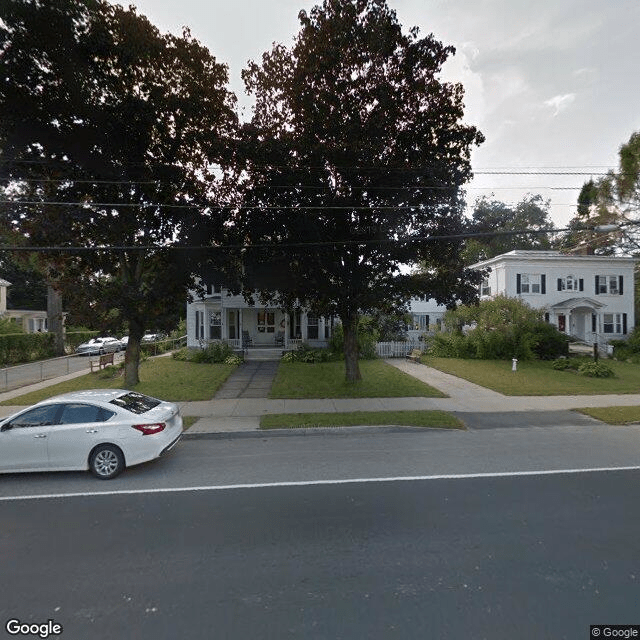
194-202 Court St, Keene, NH 03431
To contact a resident: (603) 352-3235
For more information about senior living options: (866) 208-4318
The Woodward Home Costs & Pricing
The Woodward Home offers competitive pricing for its accommodations compared to both Cheshire County and the broader New Hampshire state averages. For a semi-private room, the monthly cost at The Woodward Home is $3,530, which is slightly higher than Cheshire County's average of $3,205 but significantly lower than the state average of $4,881. In terms of studio apartments, The Woodward Home's rate of $4,115 sits comfortably between the county's average of $4,772 and the state's average of $5,346. This positioning reflects The Woodward Home's commitment to providing quality care in an elegant setting while ensuring affordability relative to regional standards.
| Floor plans | The Woodward Home | Cheshire County | New Hampshire |
|---|---|---|---|
| Semi-Private | $3,530 | $3,205 | $4,881 |
| Studio | $4,115 | $4,772 | $5,346 |
Assisted Living communities with a similar price nearby
-
from -$170 / mo
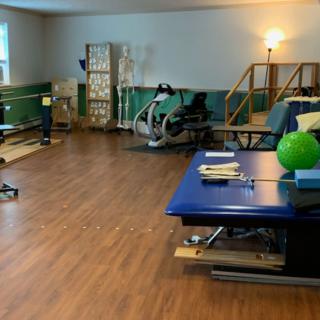
Langdon Place of Keene
$3,360 to $5,140 / month2.4 miles away -
from -$650 / mo
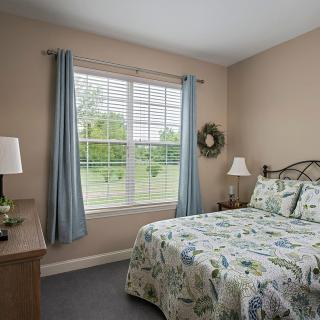
American House Keene
$2,880 to $5,090 / month0.9 miles away -
from +$220 / mo
Summerhill Assisted Living
$3,750 to $5,475 / month16.4 miles away -
from -$530 / mo

Maureen Robichaud
$3,000 to $32,000 / month15.4 miles away -
from -$651 / mo
Rebecca Ciardelli
$2,879 / month17.6 miles away
Overall Review of The Woodward Home
Pros
 She really likes it.
- They have done a good job.
- The food is pretty good.
- They really wanted her here, and even changed the room around a little to be better suited to her.
- They went out of their way to have her here and make her feel welcome.
Cons
 They could be more proactive about mobilizing her and addressing health and medical concerns.
- Woodward is not set up for couples.
- The facility did not meet the parents' needs.
Review
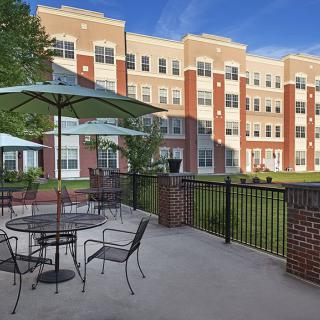
The Woodward Home in Keene, NH is best suited for seniors who prize a warm, homey assisted-living environment with personal attention, reliable dining, and staff who will go the extra mile to make residents feel welcome. It serves well those who need daily assistance and monitoring but do not require on-site, round-the-clock medical staffing. The clear strengths are cultural: staff genuinely want residents to be there, and they will adjust a room to fit a resident’s preferences, creating a sense of belonging that eases transitions and sustains comfort over time.
However, alternatives should be considered for those living with a spouse or for families whose requirements include continuous on-site nursing or a more couple-friendly setup. The Woodward Home is not set up for couples, which means two people who wish to share living space may not find an ideal fit. Families prioritizing a shared household with coordinated medical oversight will likely want facilities that advertise 24/7 nursing on premises or dedicated accommodations designed for couples. In short, it excels for single residents or paired roommates who can live with the existing structure.
On balance, the strongest pros, genuine hospitality, the willingness to tailor the space for the resident, and solid meal quality, offset several concerns but do not fully compensate for the facility’s core gaps. The personal touch reduces anxiety about placement and supports social engagement, both of which substantially boost daily quality of life. Yet the absence of 24/7 nursing oversight and a more proactive approach to health management leaves a meaningful gap for residents with higher medical needs or frequent clinical concerns. For individuals who handle routine care with steady routines, the environment feels supportive; for those requiring intensive medical intervention, it falls short.
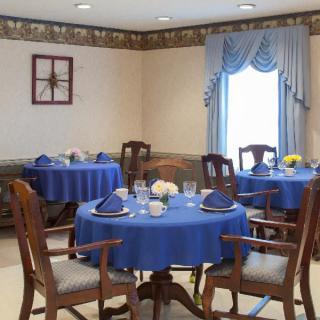
Food quality, described as pretty good, matters more than it might appear, nutritional variety and consistent meals contribute to comfort, routine, and adherence to daily activity. The ability to rearrange a room to better suit a resident’s preferences signals practical flexibility and respect for personal space, a tangible asset in getting settled and staying content. The candid note that staff could be more proactive about mobility and medical concerns highlights a real, actionable opportunity: a modest improvement in daily health engagement could elevate outcomes without changing staffing levels. The overall experience leans toward warmth and attentiveness rather than clinical intensity.
For families comparing options, The Woodward Home should be weighed against facilities that offer 24/7 on-site nursing and arrangements that support couples living together. If a shared living scenario or continuous medical monitoring is non-negotiable, look elsewhere. If, by contrast, the priority centers on a welcoming atmosphere, reliable dining, and attentive staff who will tailor the space to individual needs, Woodward presents a compelling fit, provided expectations align with its capabilities.
When making a decision, approach the process with practical scrutiny: observe how staff initiate mobility or wellness checks during a visit, confirm the availability of any on-site nursing after hours, and ask about options for couples or future transitions should medical needs evolve. Residents who prize belonging, predictable routines, and social warmth will find this community reassuring and well-suited. Those whose care demands include constant clinical oversight or a desire to live with a spouse in the same footprint may need to pursue alternatives designed for higher acuity care and couple-friendly accommodations.
 Assisted Living
 Activities off-site
 Beautician on-site
 Cable or satellite TV
 Devotional services off-site
 Indoor common areas
 Outdoor common areas
 Respite or short term stays offered
 Wi-Fi/high-speed internet available
 Ambulatory care
 Incontinence care
 Medication management
 Gluten-free
 Catholic services
 Day trips and outings
 Educational speakers / life long learning
 Happy hour
 Karaoke
 Live dance or theater performances
 Live musical performances
 Wine tasting


 Comprehensive Residential Support and Assisted Living Solutions for Individuals with Disabilities
 Comprehensive Supportive Living Arrangements for Adults with Disabilities
 Funding and Affording Assisted Living: A Thorough Overview