
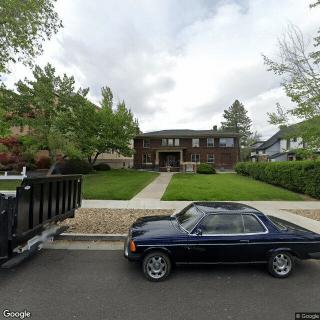
1155 Beech Street, Reno, NV 89512
For more information about senior living options: (866) 208-4318
Overall Review of Reno Valley Retirement Center
Pros
 Most of the staff is pretty nice, meals are good, and the room is comfortable.
- The upbeat attitude of the administration and staff was great to see.
- Amazing staff—responsive and caring.
- The overall improved feel and appearance of the community was remarkable.
- There have been renovations and improvements that show clearly, including new dividing walls and signage.
- Wonderful staff.
Cons
 The executive director is described as fraudulent, allegedly threatening eviction and wage garnishment, and violating residents’ privacy.
- She is said to care more about money than residents’ welfare, causing staff to quit.
- The care provided to a resident’s son is claimed to be insufficient and not what was paid for.
- Residents are described as sad and miserable and not cared for as they deserve.
- The staff allegedly take away residents’ rights and threaten them for seeking medical care.
- Some residents had to leave due to bed bug spraying.
- Bills are described as totally out of line and far higher than what should be paid.
- Admin staff are described as mean.
Review
Reno Valley Retirement Center in Reno, NV is best suited for seniors who prize a refreshed, amenity-rich setting and responsive day-to-day staff, and who can tolerate a management climate that has produced real friction on policy and billing. This community can feel welcoming to residents who want comfortable living quarters, approachable dining options, and a level of service that fluctuates with leadership. It is not a low-commitment option for anyone needing steady, consistently transparent governance or strong resident-rights protections; those considerations are central to the decision here. Families should weigh whether an active, visible administration is a benefit or a source of ongoing stress, depending on how conflicts have played out in the past.
Alternatives become worth exploring for residents who require reliable, unambiguous protections around eligibility, care quality, and billing. The most persistent red flags are the hard limits on service-dog accommodations, accusations of privacy violations, and reported attempts at evictions or aggressive debt collection. For families who prioritize clear, predictable billing, consistent access to medical oversight, and a management culture that consistently aligns with resident interests, other communities may deliver with fewer dispute-intensive dynamics. Those who value a calm, non-confrontational environment with strong advocacy should consider options that emphasize governance transparency and stable administrative practices.
The community’s positive signals center on tangible, everyday quality: supportive staff in many cases, solid meals, and comfortable rooms, all amplified by noticeable renovations and upgrades in recent months. Several reviews highlight an improved overall feel after substantial capital work, including updates to common spaces and exterior features. For residents who want a livable, aesthetically refreshed backdrop and menus that meet expectations, these elements can materially enhance daily life and social engagement. In practice, the upgrades and the generally courteous front-line team can create a welcoming atmosphere that counterbalances some worries about day-to-day service life.
Yet the negatives carry enough weight to influence long-term decisions. A recurrent theme is governance friction, claims that the executive leadership can be adversarial, overly focused on rent collection, and prone to punitive approaches toward residents who challenge accounts or seek medical attention. Reports of high, out-of-line bills, privacy breaches, and even threats of eviction contribute to a sense of insecurity about residency terms. The credibility of management is further questioned by allegations that staff turnover is tied to the leadership style, and by misgivings about who truly holds residents’ interests at heart. When such dynamics appear, they tend to erode trust more than any single service shortfall.
From a decision-making perspective, the interplay of pros and cons hinges on priorities. If the goal is a visually updated campus with reliable everyday services and staff who can be responsive and kind, Reno Valley offers recognizable advantages that can support independent living and social engagement. However, if the priority is unwavering ethical governance, transparent billing, and policies that protect residents without ambiguity or pressure, the cons substantially temper the appeal. The best path forward involves probing the administration directly: request a transparent billing summary, a written policy on service-dog accommodations, and a tour that includes conversations with several staff members and residents about daily experiences, privacy safeguards, and how disputes are resolved.
In practical terms, families should enter with a clear checklist and a candid goal: determine whether the environment can deliver dependable care and peace of mind without becoming a source of daily stress. Schedule meetings with the executive team, request copies of recent billing statements, and ask for specifics on resident rights protections and incident handling. Compare with nearby communities that offer similar upgrades but with established, consistent governance practices. If those assurances cannot be secured, pivot to alternatives that prioritize predictable operations and transparent, resident-centered care. Reno Valley can be a viable choice for the right mix of independence, upgraded surroundings, and a tolerance for administrative intensity; for those who cannot accept either, stronger options lie elsewhere.
 228 resident community capacity
 Assisted Living
 Air-conditioning
 Beauty salon
 Cable or satellite TV
 Computer center
 Dining room
 Fitness room
 Fully furnished
 Gaming room
 Garden
 Housekeeping services
 Kitchenette
 Move-in coordination
 Outdoor space
 Private bathrooms
 Restaurant-style dining
 Small library
 Telephone
 Wellness center
 Wi-Fi/high-speed internet available
 Reno Tahoe International (4 miles away)
 Community operated transportation
 24-hour call system
 Activities of daily living assistance
 Assistance with bathing
 Assistance with dressing
 Assistance with transfers
 Diabetes diet
 Medication management
 Special dietary restrictions
 Concierge services
 Planned day trips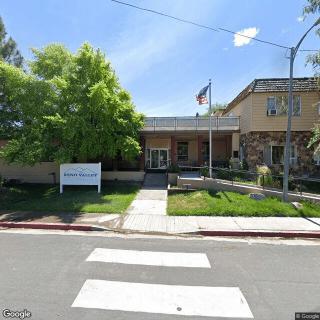



 Assisted Living Expenses and Long-Term Care Insurance: A Comprehensive Exploration
 Securing Financial Support for Assisted Living: A Comprehensive Overview
 Social Security Benefits and Assisted Living: Navigating Options Across the U.S.