
3700 Tioga Way, Las Vegas, NV 89169
For more information about senior living options: (866) 208-4318
The Elderly Aristocrat III Costs & Pricing
The Elderly Aristocrat III offers a one-bedroom unit at a monthly cost of $5,000, which significantly exceeds the average rates in both Clark County and the broader state of Nevada. In comparison, Clark County residents typically pay around $3,346 per month for similar accommodations, while the average cost across Nevada stands at approximately $3,619. This discrepancy indicates that The Elderly Aristocrat III may provide additional amenities or services that justify its higher price point. Nevertheless, prospective residents should carefully weigh the benefits against their budgetary considerations when evaluating this option within the local market.
| Floor plans | The Elderly Aristocrat III | Clark County | Nevada |
|---|---|---|---|
| 1 Bedroom | $5,000 | $3,346 | $3,619 |
Assisted Living communities with a similar price nearby
-
About the same
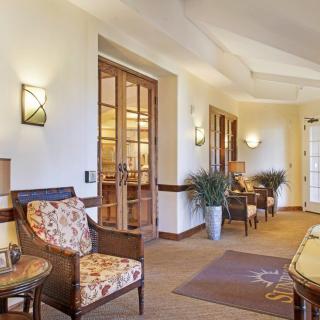
Sunrise of Henderson
$5,130 to $6,840 / month8.1 miles away -
from -$300 / mo
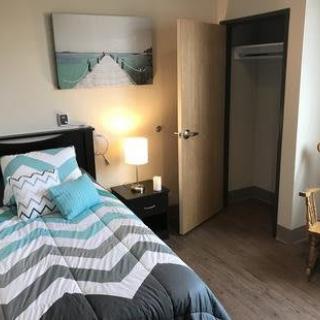
Elkhorn Jones Memory Care
$4,700 / month13.1 miles away -
from +$500 / mo
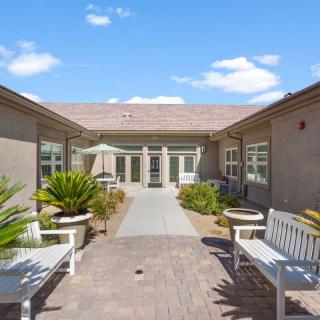
Poet's Walk Henderson
$5,500 to $6,800 / month8.2 miles away -
from -$200 / mo
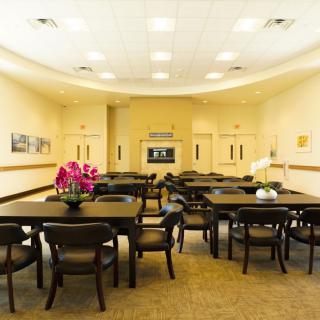
Blue Sky Memory Care
$4,800 / month5.6 miles away -
from -$250 / mo
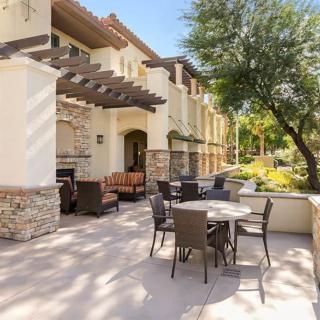
Merrill Gardens At Green Valley Ranch
$4,750 to $5,850 / month7.5 miles away
Overall Review of The Elderly Aristocrat III
Pros
 Whitney and Jewels are awesome.
- The owners are on site often and are really great and patient.
- Families can bring the mom her favorite foods and visit anytime without needing to call ahead.
- With only a few patients per house, the mom receives excellent attention.
- The service is highly recommended.
Cons
 None found in the provided reviews.
Review
The Elderly Aristocrat III is best suited for families seeking an intimate, home-like assisted living option in Las Vegas where the resident can expect highly personalized attention from a tight-knit caregiving team and easy, ongoing family involvement.
Those who prioritize a broad activity calendar, a large peer group, or highly structured programming may want to consider alternatives. This community’s strength lies in its small-house, back-to-back setup rather than in a bustling campus atmosphere or formalized activity slate. For residents who crave extensive social engagement, museum-style programming, or robust on-site amenities, a bigger, more program-driven environment could better meet those needs.
On the upside, the most compelling positives are tangible and people-driven. With only a few patients per house, care is demonstrably attentive, and caregivers can respond promptly to daily needs. The owners are present on site with frequency, adding a level of accountability and warmth that often translates into steadier routines and better communication. Staff like Whitney and Jewels are highlighted as standout contributors, creating a sense that residents are known, welcomed, and treated with patience and respect. The flexibility to bring in preferred foods and to visit without cumbersome scheduling reinforces a feeling of autonomy and family partnership, an essential advantage for families who want to stay closely involved in daily life.
The small-scale model also shines in practical, day-to-day terms. The proximity of the homes and the constant owner presence mean decisions can be made quickly, adjustments can be implemented without delay, and visitors retain easy, unfettered access. Families report a supportive atmosphere where personal preferences are heard and accommodated, which reduces the stress surrounding care decisions. In a setting like this, the resident’s comfort, dignity, and routine stability often outrun the advantages found in larger communities that can feel impersonal or bureaucratic.
Nonetheless, the intimate format carries potential trade-offs. A smaller resident group can limit the breadth of social opportunities and the variety of daily programming that some seniors rely on for stimulation and companionship. For residents whose needs drift toward more complex medical oversight or who require a fuller suite of on-site services, the scale of care may feel insufficient unless backed by strong partnerships with outside providers. The offset here is notable: owners’ hands-on involvement and the ability to tailor care quickly can compensate for the lack of a large, formal program, but this hinges on consistent staffing quality and proactive communication.
Bottom line: The Elderly Aristocrat III stands out for families prioritizing direct, hands-on care in a warm, home-like setting, with the added reassurance of owners being on site and caregivers who genuinely know the residents. It is an excellent choice for those who want meaningful family involvement, easy visitation, and the ability to customize daily living to personal preferences. However, if a resident’s needs include a bustling social calendar, expansive activities, or advanced, facility-wide medical programming, it would be prudent to compare alternatives that offer more robust scale and formal programming. A thoughtful visit, watching how staff interact, asking about daily routines, and confirming medical oversight arrangements, will reveal whether this intimate environment aligns with the resident’s current and anticipated needs.
 10 resident community capacity
 Assisted Living
 Cable or satellite TV
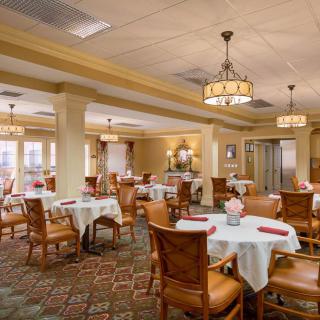
 Dining room
 Fully furnished
 Garden
 Housekeeping services
 Move-in coordination
 Outdoor space
 Telephone
 Wi-Fi/high-speed internet available
 McCarran International (3 miles away)
 24-hour supervision
 Activities of daily living assistance
 Assistance with bathing
 Assistance with dressing
 Assistance with transfers
 Diabetes diet
 Meal preparation and service
 Medication management
 Special dietary restrictions
 Transportation arrangement (medical)
 Transportation to doctors appointments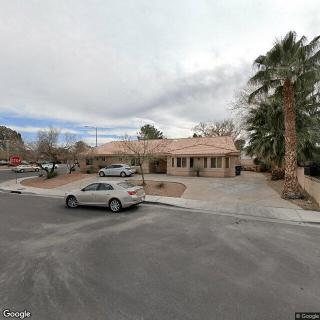




 An Extensive Exploration of the VA Aid and Attendance Benefit
 Senior Transition Services: Understanding Their Role, Cost, and Importance
 Exploring the Path to Senior Living: A Comprehensive Look at Independent Living and Assisted Living