Residents and visitors consistently describe staff as supportive and attentive during treatment.
Many reviewers highlight staff members as caring, helpful, and present throughout detox and recovery. Several comments call out specific roles such as therapists, counselors, nurses, and case managers, describing them as responsive and invested in progress. Even when reviews are mixed, the staff—especially nursing and case-management support—is often singled out as the part that helped people get through their stay.
common10 reviews mention this
Food and meals get positive mentions
Food and meals are a frequent positive point in reviews.
A number of reviews say the food is good, and several mention meal quality or that the kitchen provided solid support for day-to-day comfort. Some reviewers describe specific meal satisfaction, while others focus on how dining helped the overall experience feel more manageable. Not all feedback is positive, with a few reviews complaining about meal quality or portioning and the ability to accommodate dietary requests.
common8 reviews mention this
Rooms feel comfortable and maintained
Reviews commonly describe the facility as clean and the rooms as comfortable.
Several reviewers compare the rooms to hotel-style lodging and mention a comfortable, clean environment. Other comments reinforce cleanliness and maintenance, including housekeeping support. A smaller number of negative reviews contradict that picture by mentioning cleanliness problems or maintenance issues, including temperature and cleanliness complaints.
caveat9 reviews mention this
Aftercare, communication, and discharge can vary
Some reviewers report problems with discharge planning and ongoing support after treatment.
While many reviews discuss getting support during their stay, several also describe discharge transitions that felt sudden or poorly coordinated. A recurring concern is limited follow-through on aftercare needs and difficulty getting answers or family updates. Others mention being kicked out, barriers to returning, or feeling unsupported when things went wrong, which contrasts with the more positive accounts of staff guidance during recovery.
How we summarize
Counts show how many written reviews mention each theme; a review can touch several themes, and only frequently mentioned themes are displayed.
Features
Types of Care
Assisted Living
Amenities
Activities on-site
Devotional services off-site
Indoor common areas
Transportation
McCarran International (3 miles away)
Care Services
Ambulatory care
Diabetic care
Dining
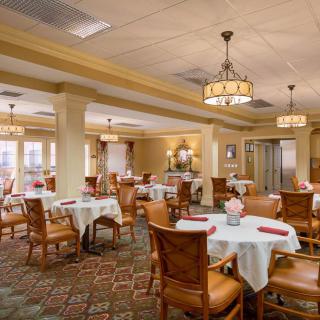
Meals provided
Activities
Activities on-site
Devotional activities offsite
Nearby Places of Interest
This part of Las Vegas, Nevada, is a diverse and bustling area with a range of amenities nearby. Medical services are easily accessible with several physicians and cancer centers within a short distance. Pharmacies are also convenient for prescription needs. There are various dining options available, from casual spots like In-N-Out Burger to more upscale choices like Lotus of Siam. Transportation options include the Las Vegas Monorail and airport terminals for easy travel. Additionally, there are cafes for socializing and places of worship for spiritual fulfillment. Overall, this neighborhood offers a mix of healthcare, dining, transportation, and community resources suitable for senior living.
Physicians
Comprehensive Cancer Centers of Nevada (0.1 miles)
Activities of Daily Living (ADLs) are fundamental tasks vital for an individual's independence, particularly in older adults over 85, and include functions like bathing and dressing; assessing ADLs alongside Instrumental Activities of Daily Living (IADLs) helps determine the level of required assistance due to age-related health challenges. Tailored support plans, involving family and community resources, are essential for maintaining dignity and autonomy in assisted living environments.
Family caregivers face emotional, legal, and practical challenges when elderly parents refuse assisted living, often due to fears of losing autonomy. Open conversations and professional assessments can help address these concerns while exploring alternatives and ensuring safety, potentially leading to legal guardianship if necessary.
Luxury assisted living offers high-quality senior care in a resort-like environment that combines essential medical support, gourmet dining, and personalized services to enhance residents' independence and well-being. These upscale facilities emphasize holistic health and community-building through customized care plans and social activities, catering to the growing demand for enriched senior living experiences despite higher costs.
Get PricingAsk A QuestionSchedule A TourContact Senior Advisor
By clicking submit, you agree to our Partner's Terms of Use. You
also consent to receive calls and texts, which may be autodialed, from our Partner. Your consent is not a condition to
using our Partner's service. Please visit our Partner's Privacy Policy for information about their privacy practices.

 Assisted Living
 Activities on-site
 Devotional services off-site
 Indoor common areas
 McCarran International (3 miles away)
 Ambulatory care
 Diabetic care
 Meals provided
 Comprehensive care with 24-hour supervision, ADL assistance, meals, activities, and fully furnished apartments.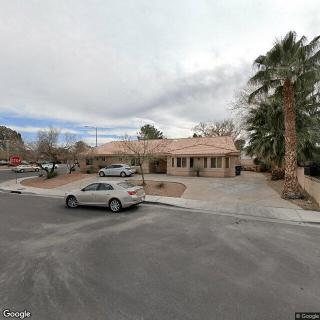


 Comprehensive Insights into Activities of Daily Living (ADLs) and Their Assessment
 Guiding Elderly Parents Who Refuse Assisted Living: 6 Practical Steps
 Your Comprehensive Guide to Luxury Assisted Living: Elevated Facilities, Amenities, and Costs