
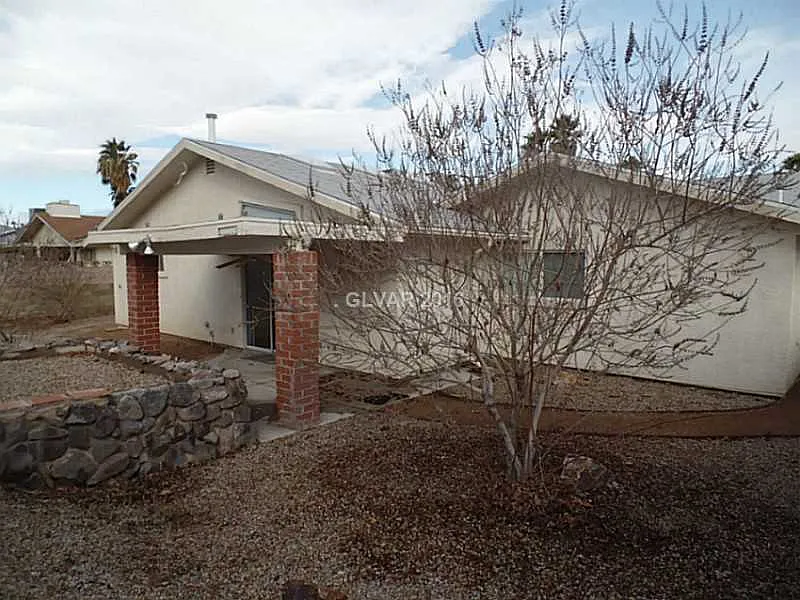
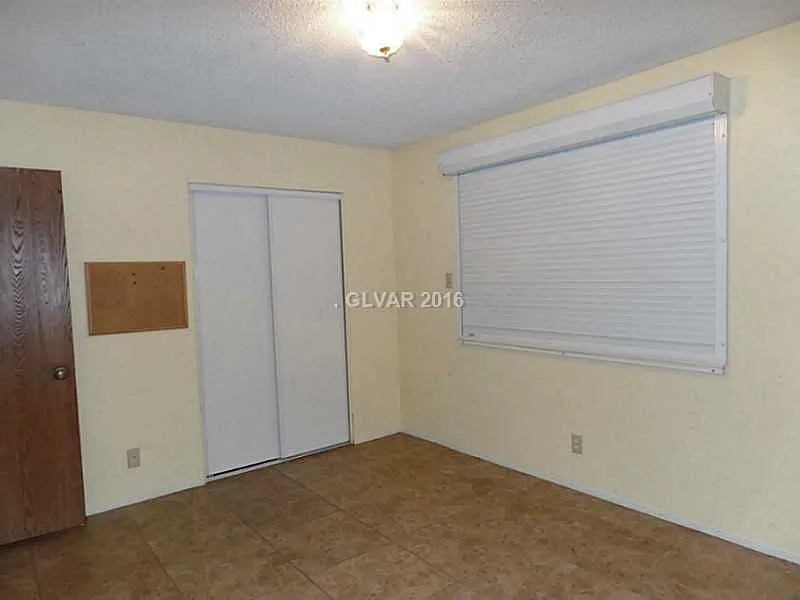
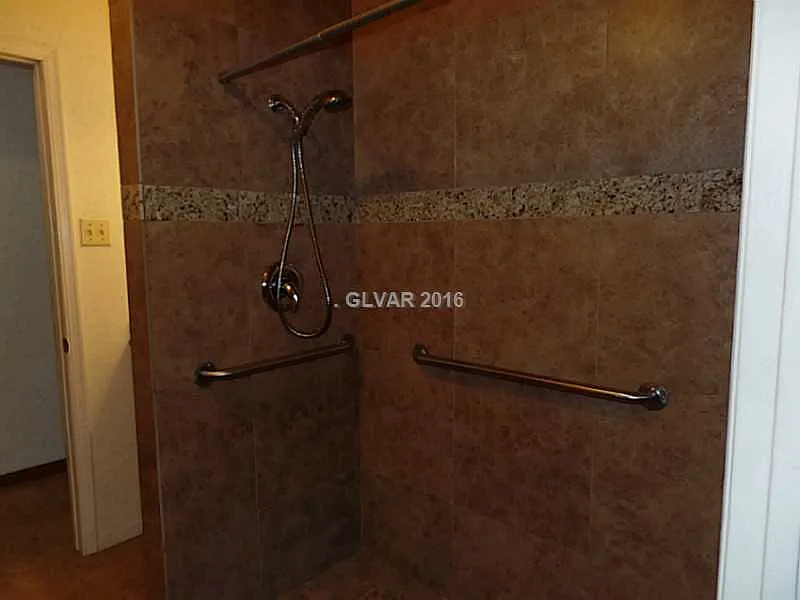
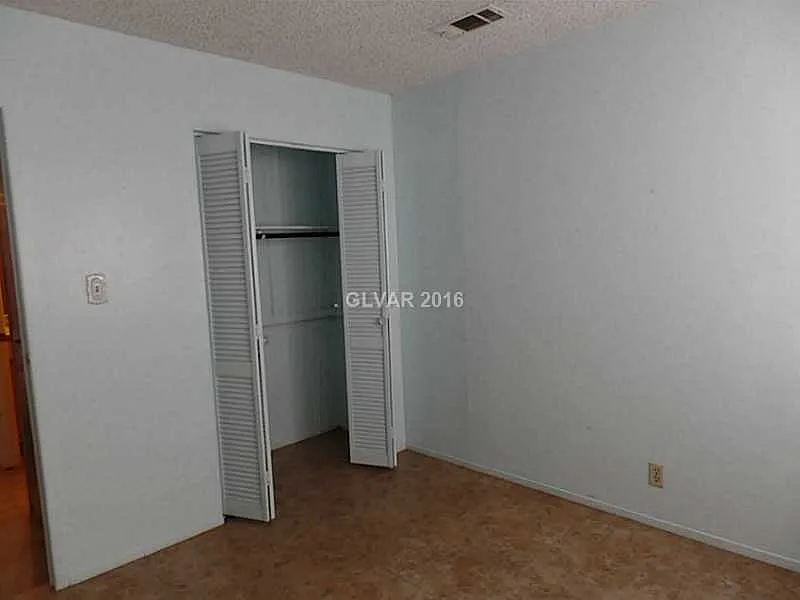
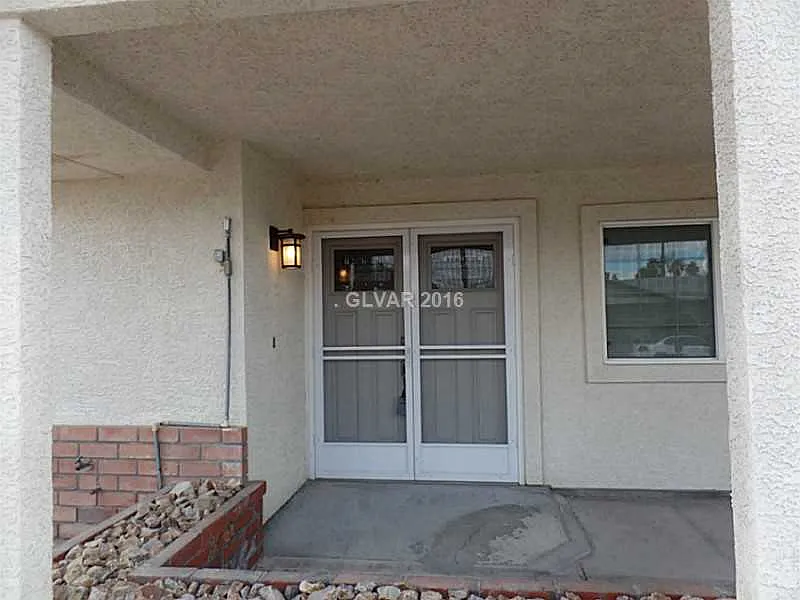
4369 Adelphi Avenue, Las Vegas, NV 89120
For more information about senior living options: (866) 208-4318
Overall Review of Quality Care 4 Seniors
Pros
 The caregivers are exemplary.
- The group home is awesome.
- The owner is efficient, prompt in meeting all needs of patients and families, and displays a caring demeanor.
- Affinity Care Home is one of the best in Las Vegas.
- The facility is excellent in all areas.
Review
This Las Vegas community is best suited for families seeking a small, home-like setting where caregiving is hands-on, personalized, and consistently attentive. It serves seniors who value frequent, direct contact with caregivers and a tightly knit team that operates with a clear sense of responsibility. The emphasis on compassionate interaction, coupled with responsive ownership, makes it an attractive option for residents who want daily consistency, short communication loops, and a warm, family-centered atmosphere rather than a clinical, impersonal environment.
Those considering alternatives should assess whether a larger campus or a facility with extensive on-site medical services is essential. If 24/7 skilled nursing coverage, broad specialized programs, or extensive memory care resources are non-negotiable, a higher-capacity community may be a better fit. Families navigating complex medical needs or requiring sophisticated rehabilitative services may find that a group-home model, even one with exemplary caregivers, does not deliver the breadth of clinical infrastructure some residents require. Additionally, if a self-contained activity schedule with larger social ecosystems is a priority, a bigger community could outperform a smaller home in Las Vegas.
The standout advantages are concrete and practical. The caregiving team is described as exemplary, delivering a high level of attention and skill that translates into dependable daily care. The environment is characterized as a strong, effective group home, with staff who understand residents’ routines, preferences, and health triggers. The owner’s efficiency and promptness in meeting the needs of patients and families add a layer of reliability that reduces the friction often felt when navigating care decisions. A caring demeanor permeates daily interactions, which matters greatly for residents who thrive on trust and predictability in their care.
Another clear benefit is the tacit stability that comes with a smaller setting. A home-like atmosphere often means residents experience fewer transitions, clearer daily rhythms, and more consistent one-to-one attention. When caregivers are not only capable but communicative and present, families gain confidence that changes in condition or mood will be noticed quickly and addressed without bureaucratic delays. The claim that the facility is “one of the best in Las Vegas” signals a level of market standing that reassures families seeking quality care without sacrificing personal warmth or accessibility.
How the pros offset potential drawbacks inherent to group-home models matters in real-world decisions. The strongest offset is the combination of highly capable caregivers and an owner who remains hands-on and responsive. That dynamic tends to mitigate common concerns such as caregiver turnover, slow communication, or gaps in daily oversight. When needs shift, whether a resident requires more assistance with activities of daily living or needs swift coordination with outside services, the benchmark of prompt problem-solving and family engagement helps preserve stability and trust. Yet, the absence of expansive medical facilities or specialized programs may still weigh on families with residents who have advanced clinical requirements.
In sum, Quality Care 4 Seniors stands out for families who prize a small, person-centered care home with a proven, well-regarded caregiver team and an engaged owner who delivers dependable service. It is an especially strong recommendation for seniors who prioritize daily compassion, clear communication, and a home-like routine over institutional scale. For those whose priorities include extensive on-site medical resources, diverse memory-care programming, or larger social ecosystems, alternatives should be consciously weighed. The practical next steps are straightforward: arrange a visit, observe caregiver interactions and daily routines, probe staffing ratios, and confirm how medical needs would be supported as circumstances evolve.
 10 resident community capacity
 Assisted Living
 Board and Care Home
 Cable or satellite TV
 Dining room
 Fully furnished
 Garden
 Housekeeping services
 Move-in coordination
 Outdoor space
 Telephone
 Wi-Fi/high-speed internet available
 McCarran International (4 miles away)
 24-hour supervision
 Activities of daily living assistance
 Assistance with bathing
 Assistance with dressing
 Assistance with transfers
 Diabetes diet
 Meal preparation and service
 Medication management
 Special dietary restrictions
 Transportation arrangement (medical)
 Transportation to doctors appointments




 Social Security Benefits and Assisted Living: Navigating Options Across the U.S.
 An Extensive Exploration of the VA Aid and Attendance Benefit
 Senior Transition Services: Understanding Their Role, Cost, and Importance