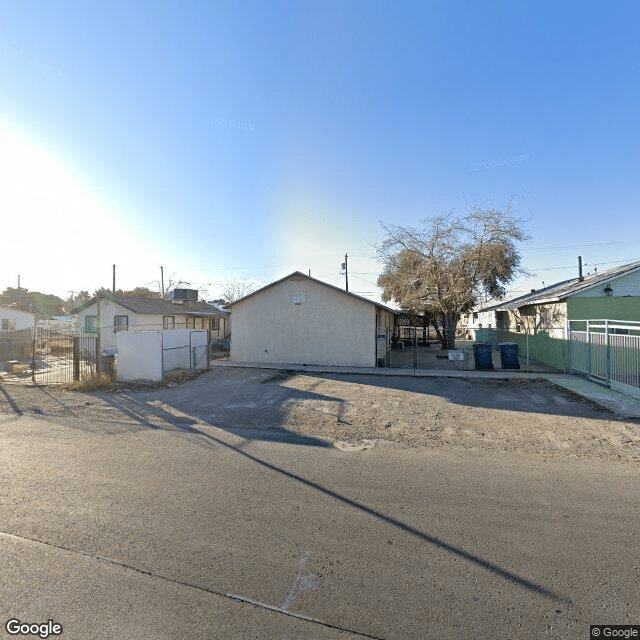
Good Shepherd Rest Home I

Save
Good Shepherd Rest Home I

Good Shepherd Rest Home I

2830 Cedar Street, Las Vegas, NV 89104

For more information about senior living options: (844) 490-3973

2.5 from 2 reviews
Assisted Living Independent Living

Overall Review of Good Shepherd Rest Home I

Pros

  • pro The care provided to the residents is kind and professional.
  • pro The clients were well taken care of.
  • pro The residents appeared happy during visits.
  • pro The reviewer regards it as a great type of group home.

Cons

  • pro The place is scary and ugly.
  • pro Nobody answers the phone properly.
  • pro They could not reach an inmate there.
  • pro They warn to be very wary of dumping a loved one in its nightmarish abode.

Review

The impressions come from two very different vantage points, yet they center on the same place and its ability to care for people who live there. One reviewer speaks with warmth about the way residents are treated and how the environment feels when you're in it. They emphasize kindness and professionalism from the staff, noting that the clients who actually live in the home receive attentive, respectful care. In their view, the overall mood among the residents is positive, and the care provided seems thorough enough that those who reside there appear well looked after and seemingly happy during the reviewer's visits. Taken together, the observations sketch a picture of a group home that functions as a supportive space for people who live there, at least from the perspective of someone who isn't a resident but who has seen the operations up close.

From this observer's point of view, the care appears to be well organized and personal. The staff's manner is described as kind and professional, and the residents themselves seem to benefit from that approach. The reviewer notes that the clients are well cared for and that the atmosphere gives an impression of contentment, a rarity in settings that can feel clinical or cold. The emphasis is not on sterile routines alone but on the human element - care that respects residents and treats them as people with dignity. The sense conveyed is that, for people who have to live in such a setting, this particular group home offers a level of attention and everyday comfort that the reviewer regards as commendable.

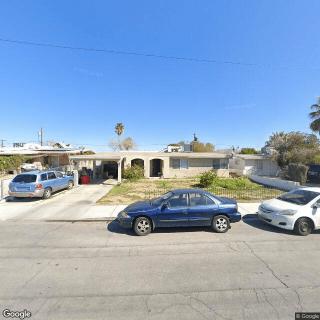
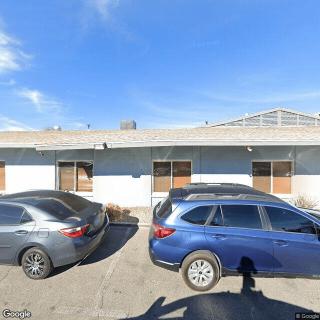
Yet the same collection of impressions is interwoven with a clear caveat about the place when viewed from a different angle. A separate voice, more wary and skeptical, describes the location as scary and ugly, a sentiment rooted not in the daily interactions with residents but in the broader experience of engaging with the facility. In this account, the physical ambiance and perhaps the reputation of the place contribute to a perception of unease. The reviewer asserts that calling the facility is not reliable - "nobody answers the phone properly" - which immediately raises concerns about accessibility, transparency, and the ability of concerned family members to reach out when needed. That frustration with communication adds a layer of fear that contrasts with the more tranquil observation of attentive, professional care inside the home.

The negative review goes beyond a mere dissatisfaction with customer service. It details an attempt to contact an inmate at the facility and reports not being able to reach them, a scenario that naturally prompts questions about oversight, security, and the flow of information to anxious relatives. The language used - "tried to contact an inmate there with no avail" - suggests a gap between the care that appears to be delivered to residents and the means by which outsiders can connect with loved ones who may be on the inside. The sentiment here is not simply about inconvenience; it is about trust, reliability, and the ability of the facility to communicate with families who rely on it to safeguard and support someone they care about.

Taken together, these two accounts paint a complex portrait of a place that can feel both reassuring and disconcerting, depending on the observer's perspective. On one hand, there is a clear appreciation for the way residents who live there are treated - authentic care, respectful interactions, and a sense of happiness or at least comfort among those who call the home their living space. On the other hand, there is a strong warning about the facility's outward-facing operations: challenging phone access, difficulties in reaching people connected to the residents, and a general sense of wariness about relying on the place to manage critical communications or to serve as a safe, transparent environment for families considering placing a loved one there.

For anyone weighing the decision to place a loved one in such a setting, the juxtaposition of these viewpoints underscores a few practical considerations. First, the in-house care and daily atmosphere may indeed be supportive and solid, with professional staff and a warm, respectful approach to residents. Second, however, the importance of reliable communication channels cannot be understated. If family members or guardians cannot easily reach the facility to check on a loved one or to address urgent concerns, that gap can quickly undermine confidence in the overall safety and responsiveness of the operation. The cautionary note about the possibility of an outsider being unable to contact an inmate or resident highlights a need for clearer contact points and transparent procedures.

Ultimately, the narratives urge careful, comprehensive vetting. A prospective family member or guardian should consider visiting in person, asking pointed questions about communication with families, and seeking opportunities to observe day-to-day interactions between staff and residents. While the care inside the home may be commendable, the visible constraints in accessibility and outreach can alter the overall impression and influence a decision as significant as where a loved one will live. The material suggests a balance: recognize and value the genuine, professional care described by one reviewer, but also heed the strong warnings about communication reliability and the potential for a disquieting first impression rooted in the facility's outward operations.

Features

Housing

  • 12 resident community capacity 12 resident community capacity

Types of Care

  • Assisted Living Assisted LivingAssisted living facilities provide crucial support and care for seniors who may need help with daily tasks such as medication management, bathing, and meal preparation. These communities offer a safe and comfortable environment where seniors can maintain their independence while receiving the assistance they need to thrive in their golden years.
  • Independent Living Independent LivingIndependent living communities are important for seniors because they offer a safe and supportive environment where older adults can live independently while still having access to amenities and services that enhance their quality of life. These communities provide social opportunities, recreational activities, and assistance with daily tasks, promoting overall well-being and allowing seniors to maintain their independence for as long as possible.

Amenities

  • Activities on-site Activities on-siteActivities on-site are important for seniors because they provide opportunities for socialization, mental stimulation, physical activity, and overall well-being. Engaging in activities can help seniors stay active, maintain their independence, and improve their quality of life.
  • Cable or satellite TV Cable or satellite TVCable or satellite TV is important for seniors because it provides entertainment, news, and companionship, helping to combat loneliness and boredom. It also offers a wide range of programming options tailored to different interests and preferences.
  • Devotional services off-site Devotional services off-siteDevotional services off-site are important for seniors as they provide spiritual nourishment, social engagement, and a sense of community outside of the senior living facility. This can enhance overall well-being and help combat feelings of isolation and loneliness often experienced by older adults.
  • Dining room Dining roomDining rooms are important for seniors as they provide a space for socialization, connection, and nutritious meals. They offer opportunities for residents to bond over shared meals, foster a sense of community, and promote healthy eating habits. Dining rooms also ensure that seniors have access to well-balanced meals tailored to their dietary needs and preferences.
  • Fully furnished Fully furnishedFully furnished senior living communities are important for seniors because they provide convenience, comfort, and a hassle-free moving experience. Seniors can easily settle into their new living space without the stress of having to buy and move furniture. This allows them to focus on enjoying their new home and community.
  • Garden GardenGardens are important for seniors as they provide a peaceful and therapeutic environment for relaxation, physical activity, and socialization. Being in nature has been shown to reduce stress, improve mood, and promote overall well-being. Gardens also offer opportunities for seniors to engage in gardening activities, which can improve mobility, flexibility, and cognitive function. Additionally, gardens create a sense of community and connection with others who share a passion for plants and outdoor spaces.
  • Housekeeping services Housekeeping servicesHousekeeping services are important for seniors because they help maintain a clean and safe living environment, promote independence, and reduce the risk of accidents or illnesses. Additionally, having assistance with household chores can alleviate physical strain and allow seniors to focus on other aspects of their well-being.
  • Indoor common areas Indoor common areasIndoor common areas are crucial for seniors as they provide a space for socialization, recreation, and community engagement, promoting overall well-being and reducing feelings of isolation and loneliness.
  • Move-in coordination Move-in coordinationMove-in coordination is important for seniors because it helps ease the transition into their new living environment. It ensures that all logistics, such as packing, organizing movers, and setting up utilities are taken care of, allowing seniors to focus on settling in and adjusting to their new home. Having a smooth move-in process can alleviate stress and anxiety, making the transition smoother and more enjoyable for seniors.
  • Outdoor space Outdoor spaceOutdoor spaces are important for seniors as they provide opportunities for physical activity, social interaction, exposure to natural light and fresh air, and a sense of connection to nature. Having access to outdoor spaces can improve overall well-being and quality of life for older adults living in senior communities.
  • Telephone TelephoneTelephones are important for seniors as they provide a lifeline for communication with loved ones, emergency services, and healthcare providers. They offer a sense of security and independence, enabling seniors to stay connected and access assistance when needed.
  • Wi-Fi/high-speed internet available Wi-Fi/high-speed internet availableWi-Fi/high-speed internet is important for seniors to stay connected with loved ones, access online resources, and participate in virtual activities to combat feelings of loneliness and isolation. It also allows them to easily manage healthcare needs, access entertainment, and engage in lifelong learning opportunities.

Transportation

  • McCarran International (6 miles away) McCarran International (6 miles away)

Care Services

  • 24-hour supervision 24-hour supervision24-hour supervision is important for seniors to ensure their safety, well-being, and access to immediate assistance in case of emergencies or health issues. This constant support provides peace of mind for both seniors and their loved ones, allowing them to age in place with dignity and security.
  • Activities of daily living assistance Activities of daily living assistanceActivities of daily living assistance are important for seniors because they provide essential support with tasks such as eating, bathing, dressing, and mobility. This assistance helps seniors maintain their independence, dignity, and overall quality of life as they age.
  • Ambulatory care Ambulatory care"Ambulatory care services provide essential medical support and treatment to seniors without requiring hospitalization, allowing them to maintain their independence and quality of life while managing chronic conditions or receiving routine medical care."
  • Assistance with bathing Assistance with bathingAssistance with bathing is crucial for seniors as it helps maintain personal hygiene, prevents infections, and ensures their overall well-being and comfort. It also provides a sense of dignity and independence for seniors who may struggle with this task on their own.
  • Assistance with dressing Assistance with dressingAssistance with dressing is important for seniors because it helps maintain their independence, promotes personal hygiene, prevents accidents and injuries, and improves overall quality of life. This service ensures that seniors can continue to dress comfortably and confidently, despite any physical limitations they may have.
  • Assistance with transfers Assistance with transfersAssistance with transfers is crucial for seniors as it helps prevent falls and injuries, maintains their independence, and ensures they can safely navigate their living environment. It also provides peace of mind for both seniors and their loved ones.
  • Coordination with health care providers Coordination with health care providersCoordination with health care providers is crucial for seniors to ensure proper medical care, medication management, and overall well-being. This collaboration helps prevent overlapping treatments, track progress more effectively, and provide comprehensive support tailored to individual needs.
  • Diabetes diet Diabetes dietA diabetes diet is crucial for seniors as it helps manage blood sugar levels, reduce risks of complications, and improve overall health and well-being. By following a balanced and nutritious diet tailored to their specific needs, seniors can better control their diabetes and enhance their quality of life.
  • Diabetic care Diabetic careDiabetic care is crucial for seniors as they are more susceptible to developing diabetes due to aging and other health conditions. Proper management of diabetes can help prevent complications such as heart disease, vision loss, and nerve damage, improving the overall quality of life for seniors in senior living communities.
  • Meal preparation and service Meal preparation and serviceMeal preparation and service are crucial for seniors as they may have limited mobility or energy to cook nutritious meals. Having access to healthy and convenient food options can ensure they are getting the proper nutrition needed to maintain their overall health and well-being.
  • Medication management Medication managementMedication management is crucial for seniors to ensure they are taking the right medications at the correct dosages and times. This helps prevent adverse drug interactions, reduces the risk of medication errors, and promotes overall health and well-being. Proactive management also allows for adjustments as needed based on changing health conditions or new prescriptions.
  • Special dietary restrictions Special dietary restrictionsSpecial dietary restrictions are important for seniors because age-related changes in metabolism and health conditions can make it difficult for their bodies to process certain foods. By following a diet tailored to their specific needs, seniors can maintain their overall health and well-being, manage chronic conditions, and reduce the risk of complications such as malnutrition or food interactions with medications.
  • Transportation arrangement (medical) Transportation arrangement (medical)Transportation arrangements for medical purposes are essential for seniors as they may have difficulty driving themselves to appointments or accessing public transportation. Having reliable and safe transportation options ensures that seniors can receive timely medical care and maintain their health and well-being.
  • Transportation to doctors appointments Transportation to doctors appointmentsTransportation to doctors' appointments is crucial for seniors as it ensures they have access to necessary medical care and support for their health needs. Without reliable transportation, seniors may struggle to attend important appointments, leading to potential delays in treatment and health complications. Providing transportation services helps seniors maintain their overall well-being and quality of life.

Dining

  • Diabetes diet Diabetes dietA diabetes diet is crucial for seniors as it helps manage blood sugar levels, reduce risks of complications, and improve overall health and well-being. By following a balanced and nutritious diet tailored to their specific needs, seniors can better control their diabetes and enhance their quality of life.
  • Meals provided Meals provided"Meals provided" are crucial for seniors in assisted living communities as it ensures they have access to nutritious, balanced meals without the stress of meal planning and preparation. This can help promote overall health and well-being for seniors who may have limited mobility or cognitive abilities.
  • Special dietary restrictions Special dietary restrictionsSpecial dietary restrictions are important for seniors because age-related changes in metabolism and health conditions can make it difficult for their bodies to process certain foods. By following a diet tailored to their specific needs, seniors can maintain their overall health and well-being, manage chronic conditions, and reduce the risk of complications such as malnutrition or food interactions with medications.

Activities

  • Activities on-site Activities on-siteActivities on-site are important for seniors because they provide opportunities for socialization, mental stimulation, physical activity, and overall well-being. Engaging in activities can help seniors stay active, maintain their independence, and improve their quality of life.
  • Community-sponsored activities Community-sponsored activitiesCommunity-sponsored activities are important for seniors as they provide opportunities for social interaction, mental stimulation, and physical activity. These activities can help improve overall well-being, combat loneliness and isolation, and promote a sense of belonging and purpose among older adults.
  • Devotional activities offsite Devotional activities offsiteDevotional activities offsite are important for seniors because they provide social engagement, spiritual growth, and a sense of community outside of their living environment. This can improve overall well-being, mental health, and combat feelings of isolation or loneliness.
  • Scheduled daily activities Scheduled daily activitiesScheduled daily activities are important for seniors because they provide structure, socialization, mental stimulation, and physical activity. Engaging in regular activities can improve overall well-being and quality of life for seniors living in a community setting.

Description

Good Shepherd Rest Home I is an assisted living community located in Las Vegas, NV. We focus on providing independent living services for our residents, while also offering various care services to ensure their comfort and well-being.

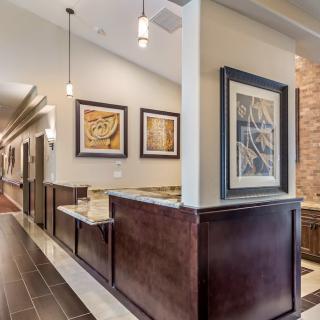
Our community offers a range of amenities to enhance our residents' quality of life. Each resident enjoys access to cable or satellite TV and Wi-Fi/high-speed internet, allowing them to stay connected and entertained. We have a cozy dining room where delicious meals are provided, with the option for special dietary restrictions if needed. Additionally, our fully furnished accommodations are designed to create a home-like atmosphere.

At Good Shepherd Rest Home I, we understand the importance of engaging activities in maintaining physical and mental well-being. That's why we offer community-sponsored activities and scheduled daily activities for our residents to participate in. Our location also allows easy access to nearby cafes, pharmacies, restaurants, transportation services, places of worship and hospitals.

In terms of care services, we provide assistance with activities of daily living such as bathing and dressing. Our highly trained staff is dedicated to supporting our residents' overall health by coordinating with healthcare providers, managing medications, preparing meals according to diabetic diets and accommodating other special dietary restrictions. We also arrange transportation for medical appointments.

We strive to create a warm and welcoming environment at Good Shepherd Rest Home I. With our comprehensive care services and convenient amenities nearby in Las Vegas, NV , we aim to provide personalized attention and support for all our residents' needs.

Nearby Places of Interest

This part of Las Vegas, Nevada, offers a convenient and diverse range of amenities for senior living. With multiple places of worship nearby, including the Iglesia Ni Cristo church just 1 mile away, residents can easily practice their faith. Access to several pharmacies within a 3-mile radius ensures easy access to medication and health supplies. A variety of physicians' offices and hospitals are also located within a short distance, providing quality medical care. Additionally, there are numerous dining options ranging from fast food to sit-down restaurants, as well as cafes for socializing or enjoying a cup of coffee. Public transportation options such as the Las Vegas Monorail offer convenient travel around the area. Overall, this part of Las Vegas provides a well-rounded community with essential services for senior residents.

Places of Worship

  • Iglesia Ni Cristo (1 miles)

Pharmacies

  • CVS Pharmacy (2 miles)
  • CVS Pharmacy (2.1 miles)
  • Walgreens (2.3 miles)
  • Walgreens (2.4 miles)
  • Walgreens (2.4 miles)
  • Smith's Food & Drug (2.6 miles)
  • Walgreens (2.9 miles)

Physicians

  • Digestive Disease Specialists (2 miles)
  • Desert Radiology - Nellis (2.3 miles)
  • Sunrise Hospital and Medical Center (2.4 miles)
  • Comprehensive Cancer Centers of Nevada (2.5 miles)
  • Las Vegas Skin and Cancer South Pecos (3.3 miles)
  • Southwest Medical Rancho Urgent Care (3.8 miles)

Restaurants

  • Fremont Street Experience (2.4 miles)
  • In-N-Out Burger (2.9 miles)
  • The Marketplace (3.3 miles)
  • The Garage (3.3 miles)
  • McDonald's (3.6 miles)
  • Peppermill Inn (3.6 miles)
  • Tacos El Gordo (3.8 miles)

Transportation

  • Las Vegas Monorail - Sahara Station (2.9 miles)
  • Las Vegas Monorail - Harrah's/Quad Station (4.4 miles)
  • International Arrivals (5.1 miles)
  • The Club (5.1 miles)
  • Security Checkpoint (5.1 miles)
  • ARIA Express Bellagio Station (5.1 miles)
  • TSA Checkpoint - Terminal 3 (5.2 miles)

Cafes

  • Starbucks (3.7 miles)
  • Starbucks (4.3 miles)
  • Dutch Bros Coffee (4.5 miles)
  • The LINQ Hotel & Casino (4.5 miles)
  • Hello Kitty Cafe (5.3 miles)
  • Primrose (5.3 miles)

Hospitals

  • Cheyenne Care Center (4.3 miles)

Frequently Asked Questions

Where is Good Shepherd Rest Home I?

Nearby Communities

Assisted Living in Nearby Cities

Related Resources

  • assisted living for seniors on social securitySocial Security Benefits and Assisted Living: Navigating Options Across the U.S.

    Assisted living costs often exceed Social Security benefits, necessitating a combination of funding sources like state aid and Medicaid. Understanding the interaction between Social Security programs and available financial support is essential for affording such care.

  • aid and attendance vaAn Extensive Exploration of the VA Aid and Attendance Benefit

    The VA Aid and Attendance benefit provides financial support to veterans needing assistance with daily living due to medical conditions or disabilities, augmenting standard VA pensions for services like in-home care. Eligibility is based on service duration, wartime status, income, and medical needs, with a detailed application process required to access funds for caregiving and home modifications.

  • senior move managementSenior Transition Services: Understanding Their Role, Cost, and Importance

    Senior move management services assist older adults in the relocation process by providing emotional support and organizational help, addressing unique challenges like downsizing and moving from long-term homes. These specialists collaborate with real estate agents and manage logistics, making the transition smoother for seniors and their families.