Alzheimers Luxury Care in Las Vegas, NV

2951 Viking Road, Las Vegas, NV 89121

For more information about senior living options: (844) 490-3973

2 from 1 review
Assisted Living

Overall Review of Alzheimers Luxury Care

Pros

  • pro There are no positive statements in the provided review.

Cons

  • pro The reviewer was not impressed with the facility.
  • pro The meals were predominantly Filipino, which did not suit the mom's preferences.
  • pro The mom hardly ate any of the food that was cooked for her.
  • pro The mom had to go out and buy her own food and snacks to eat.
  • pro The facility did not provide any activities during her stay.

Review

Alzheimers Luxury Care in Las Vegas is best suited for a resident who is largely independent in daily needs, able to navigate meals and snacks without a fixed, diverse dining plan, and not primarily reliant on a rich activity calendar to stay engaged. In practical terms, the community appears to function as a basic supervision environment where nourishment and social stimulation must be sourced externally or tolerated as is. For families facing tight timelines or seeking a lean, low-cost option, this site may feel workable - but the fit is narrow and the risks of unmet needs are real. This is not a universal solution for memory care, but a targeted one for a very particular set of expectations.

However, considerable caution is warranted. The sole reviewed experience notes a heavy Filipino emphasis in the kitchen that did not align with the resident's preferences, leaving her to buy food and snacks to eat. More troubling is the absence of any described activities during the stay, which signals a startling gap in purposeful engagement. Families prioritizing varied dining options, reliable sociable programming, and proactive daily routines should consider alternatives. In short, this community does not appear prepared to deliver the level of stimulation and dietary variety that many memory-care residents require.

On the balance, the main negatives are explicit and disruptive: meals that fail to match resident preferences, and a complete lack of organized activities. For someone living with memory impairment, mood and appetite can hinge on both what's on the plate and how the day is spent. The need to source snacks externally points to limited on-site flexibility and resident-centered meal planning. Without visible evidence of proactive care or meaningful programming, these concerns compound, casting doubt on satisfaction, mood stability, and engagement over time. The negatives are not minor, but directly tied to daily quality of life.

Potential positives, if any, are not surfaced in the available account. There is no endorsement of care coordination, staff rapport, safety measures, or accommodation of individual preferences, so the pros do not offset the stated drawbacks. This absence matters because a strong memory-care setting typically demonstrates responsive dining options, engaging activities, and relational warmth. In its current form, the place reads as function-focused rather than person-centered, which is a decisive shortfall for families weighing long-term well-being and happiness.

Practical next steps center on due diligence and exacting expectations. Request a thorough tour with a sharp focus on dining services: how menus rotate, what accommodations exist for cultural or dietary needs, and whether a trial meal can be arranged to assess palatability and portion size. Demand an up-to-date activities calendar and confirm transportation or facilitation of social events, day programs, or caregiver-led initiatives. Observe whether staff initiate interactions and how they respond to resident cues, not merely supervise. Probe for real flexibility in meal planning, snack availability, and responsiveness to dietary changes. These explorations separate facilities that merely supervise from those that actively nourish appetite, mood, and cognitive vitality.

Bottom-line guidance: for residents who prize daily stimulation and varied, culturally considerate meals, this Las Vegas site should be passed in favor of communities with documented activity programming and adaptive dining. Alternatives should be explored promptly to avoid settling for an underdelivered program. If moving forward is unavoidable, insist on a concrete, written plan detailing meal options, activity schedules, staff-to-resident ratios, and a transparent process for addressing dietary needs. With careful diligence, families can identify a setting that aligns with expectations for engagement, nourishment, and dignity in memory care.

Features

Housing

  • 9 resident community capacity 9 resident community capacity

Types of Care

  • Assisted Living Assisted LivingAssisted living facilities provide crucial support and care for seniors who may need help with daily tasks such as medication management, bathing, and meal preparation. These communities offer a safe and comfortable environment where seniors can maintain their independence while receiving the assistance they need to thrive in their golden years.

Amenities

  • Cable or satellite TV Cable or satellite TVCable or satellite TV is important for seniors because it provides entertainment, news, and companionship, helping to combat loneliness and boredom. It also offers a wide range of programming options tailored to different interests and preferences.
  • Dining room Dining roomDining rooms are important for seniors as they provide a space for socialization, connection, and nutritious meals. They offer opportunities for residents to bond over shared meals, foster a sense of community, and promote healthy eating habits. Dining rooms also ensure that seniors have access to well-balanced meals tailored to their dietary needs and preferences.
  • Fully furnished Fully furnishedFully furnished senior living communities are important for seniors because they provide convenience, comfort, and a hassle-free moving experience. Seniors can easily settle into their new living space without the stress of having to buy and move furniture. This allows them to focus on enjoying their new home and community.
  • Garden GardenGardens are important for seniors as they provide a peaceful and therapeutic environment for relaxation, physical activity, and socialization. Being in nature has been shown to reduce stress, improve mood, and promote overall well-being. Gardens also offer opportunities for seniors to engage in gardening activities, which can improve mobility, flexibility, and cognitive function. Additionally, gardens create a sense of community and connection with others who share a passion for plants and outdoor spaces.
  • Housekeeping services Housekeeping servicesHousekeeping services are important for seniors because they help maintain a clean and safe living environment, promote independence, and reduce the risk of accidents or illnesses. Additionally, having assistance with household chores can alleviate physical strain and allow seniors to focus on other aspects of their well-being.
  • Move-in coordination Move-in coordinationMove-in coordination is important for seniors because it helps ease the transition into their new living environment. It ensures that all logistics, such as packing, organizing movers, and setting up utilities are taken care of, allowing seniors to focus on settling in and adjusting to their new home. Having a smooth move-in process can alleviate stress and anxiety, making the transition smoother and more enjoyable for seniors.
  • Outdoor space Outdoor spaceOutdoor spaces are important for seniors as they provide opportunities for physical activity, social interaction, exposure to natural light and fresh air, and a sense of connection to nature. Having access to outdoor spaces can improve overall well-being and quality of life for older adults living in senior communities.
  • Telephone TelephoneTelephones are important for seniors as they provide a lifeline for communication with loved ones, emergency services, and healthcare providers. They offer a sense of security and independence, enabling seniors to stay connected and access assistance when needed.
  • Wi-Fi/high-speed internet available Wi-Fi/high-speed internet availableWi-Fi/high-speed internet is important for seniors to stay connected with loved ones, access online resources, and participate in virtual activities to combat feelings of loneliness and isolation. It also allows them to easily manage healthcare needs, access entertainment, and engage in lifelong learning opportunities.

Transportation

  • McCarran International (3 miles away) McCarran International (3 miles away)

Care Services

  • 24-hour supervision 24-hour supervision24-hour supervision is important for seniors to ensure their safety, well-being, and access to immediate assistance in case of emergencies or health issues. This constant support provides peace of mind for both seniors and their loved ones, allowing them to age in place with dignity and security.
  • Activities of daily living assistance Activities of daily living assistanceActivities of daily living assistance are important for seniors because they provide essential support with tasks such as eating, bathing, dressing, and mobility. This assistance helps seniors maintain their independence, dignity, and overall quality of life as they age.
  • Assistance with bathing Assistance with bathingAssistance with bathing is crucial for seniors as it helps maintain personal hygiene, prevents infections, and ensures their overall well-being and comfort. It also provides a sense of dignity and independence for seniors who may struggle with this task on their own.
  • Assistance with dressing Assistance with dressingAssistance with dressing is important for seniors because it helps maintain their independence, promotes personal hygiene, prevents accidents and injuries, and improves overall quality of life. This service ensures that seniors can continue to dress comfortably and confidently, despite any physical limitations they may have.
  • Assistance with transfers Assistance with transfersAssistance with transfers is crucial for seniors as it helps prevent falls and injuries, maintains their independence, and ensures they can safely navigate their living environment. It also provides peace of mind for both seniors and their loved ones.
  • Coordination with health care providers Coordination with health care providersCoordination with health care providers is crucial for seniors to ensure proper medical care, medication management, and overall well-being. This collaboration helps prevent overlapping treatments, track progress more effectively, and provide comprehensive support tailored to individual needs.
  • Diabetes diet Diabetes dietA diabetes diet is crucial for seniors as it helps manage blood sugar levels, reduce risks of complications, and improve overall health and well-being. By following a balanced and nutritious diet tailored to their specific needs, seniors can better control their diabetes and enhance their quality of life.
  • Meal preparation and service Meal preparation and serviceMeal preparation and service are crucial for seniors as they may have limited mobility or energy to cook nutritious meals. Having access to healthy and convenient food options can ensure they are getting the proper nutrition needed to maintain their overall health and well-being.
  • Medication management Medication managementMedication management is crucial for seniors to ensure they are taking the right medications at the correct dosages and times. This helps prevent adverse drug interactions, reduces the risk of medication errors, and promotes overall health and well-being. Proactive management also allows for adjustments as needed based on changing health conditions or new prescriptions.
  • Special dietary restrictions Special dietary restrictionsSpecial dietary restrictions are important for seniors because age-related changes in metabolism and health conditions can make it difficult for their bodies to process certain foods. By following a diet tailored to their specific needs, seniors can maintain their overall health and well-being, manage chronic conditions, and reduce the risk of complications such as malnutrition or food interactions with medications.
  • Transportation arrangement (medical) Transportation arrangement (medical)Transportation arrangements for medical purposes are essential for seniors as they may have difficulty driving themselves to appointments or accessing public transportation. Having reliable and safe transportation options ensures that seniors can receive timely medical care and maintain their health and well-being.
  • Transportation to doctors appointments Transportation to doctors appointmentsTransportation to doctors' appointments is crucial for seniors as it ensures they have access to necessary medical care and support for their health needs. Without reliable transportation, seniors may struggle to attend important appointments, leading to potential delays in treatment and health complications. Providing transportation services helps seniors maintain their overall well-being and quality of life.
Dining

  • Diabetes diet Diabetes dietA diabetes diet is crucial for seniors as it helps manage blood sugar levels, reduce risks of complications, and improve overall health and well-being. By following a balanced and nutritious diet tailored to their specific needs, seniors can better control their diabetes and enhance their quality of life.
  • Special dietary restrictions Special dietary restrictionsSpecial dietary restrictions are important for seniors because age-related changes in metabolism and health conditions can make it difficult for their bodies to process certain foods. By following a diet tailored to their specific needs, seniors can maintain their overall health and well-being, manage chronic conditions, and reduce the risk of complications such as malnutrition or food interactions with medications.

Activities

  • Community-sponsored activities Community-sponsored activitiesCommunity-sponsored activities are important for seniors as they provide opportunities for social interaction, mental stimulation, and physical activity. These activities can help improve overall well-being, combat loneliness and isolation, and promote a sense of belonging and purpose among older adults.
  • Scheduled daily activities Scheduled daily activitiesScheduled daily activities are important for seniors because they provide structure, socialization, mental stimulation, and physical activity. Engaging in regular activities can improve overall well-being and quality of life for seniors living in a community setting.

Description

The Alzheimer's Luxury Care facility in Las Vegas, NV offers a high-end assisted living experience for individuals with Alzheimer's disease. The community provides a range of amenities to ensure comfort and convenience for residents.

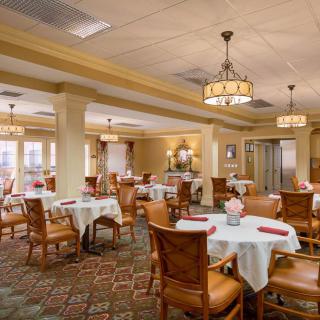
The dining room allows residents to enjoy nutritious meals in a communal setting, while the fully furnished accommodations provide a comfortable living space. The facility also boasts a beautiful garden and outdoor space, allowing residents to enjoy fresh air and nature.

Housekeeping services are provided to maintain cleanliness and neatness throughout the community, alleviating any burdens for residents. Move-in coordination is also available to assist new residents with transitioning into their new home.

To stay connected with family and friends, telephone services and Wi-Fi/high-speed internet are accessible throughout the facility. This ensures that residents can communicate easily and stay connected with their loved ones.

In terms of care services, staff members provide assistance with activities of daily living, including bathing, dressing, and transfers. They also coordinate with health care providers to ensure that each resident receives the necessary medical attention.

For those who require specific diets or have special dietary restrictions such as diabetes, the community offers diabetes diet options as well as meal preparation and service. Medication management is also provided to ensure that medications are taken correctly and on schedule.

Transportation arrangements are available for medical purposes, including transportation to doctor's appointments. This ensures that residents can attend necessary medical appointments without worry or inconvenience.

In terms of nearby amenities, there are five cafes, 23 pharmacies, five physicians' offices, 43 restaurants, 23 transportation options, and one place of worship located near the facility. These nearby options provide convenience for both residents and their families.

Overall, the Alzheimer's Luxury Care facility in Las Vegas provides a luxurious environment combined with exceptional care services to support individuals with Alzheimer's disease in maintaining their independence and quality of life.

Nearby Places of Interest

Pharmacies

  • Walgreens (0.2 miles)
  • CVS Pharmacy (0.9 miles)
  • Walgreens (1.2 miles)
  • Walgreens (1.6 miles)
  • CVS Pharmacy (2 miles)
  • CVS Pharmacy (2.2 miles)
  • CVS Pharmacy (2.3 miles)

Physicians

  • Comprehensive Cancer Centers of Nevada (0.5 miles)
  • Las Vegas Skin and Cancer South Pecos (0.9 miles)
  • Digestive Disease Specialists (1.1 miles)
  • Sunrise Hospital and Medical Center (1.8 miles)
  • Desert Radiology - Nellis (4 miles)

Restaurants

  • In-N-Out Burger (1.1 miles)
  • Las Vegas Eagle (1.3 miles)
  • The Garage (1.3 miles)
  • Lotus of Siam (2.2 miles)
  • Bob's East Side Deli (2.6 miles)
  • Urth Caffe Wynn Las Vegas (3.1 miles)
  • Wing Lei (3.1 miles)

Transportation

  • International Arrivals (2.5 miles)
  • The Club (2.5 miles)
  • Security Checkpoint (2.6 miles)
  • TSA Checkpoint - Terminal 3 (2.6 miles)
  • Terminal 3 (2.6 miles)
  • Concourse E (2.7 miles)
  • The Centurion Lounge (2.8 miles)

Cafes

  • Starbucks (3.4 miles)
  • The LINQ Hotel & Casino (3.4 miles)
  • Starbucks (3.4 miles)
  • Hello Kitty Cafe (3.7 miles)
  • Primrose (3.8 miles)

Places of Worship

  • Iglesia Ni Cristo (3.7 miles)

Frequently Asked Questions

Where is Alzheimers Luxury Care?

Nearby Communities

  • The Villas at Viking Road

    The Villas at Viking Road

    Las Vegas, NV

    4.6 from 64 reviews
     

    pro Excellent access to nearby amenities (healthcare, dining, transport, worship).

  • Infinite Care

    Infinite Care

    Las Vegas, NV

    5 from 2 reviews
     

    pro All-inclusive assisted living with furnished rooms, meals, housekeeping, 24/7 supervision, and medical coordination.

  • Oakmont Of Las Vegas

    Oakmont Of Las Vegas

    Las Vegas, NV

    4.3 from 89 reviews
     

    pro Attentive staff delivering personalized care in a welcoming, well-maintained setting with engaging activities.

  • The Concorde

    The Concorde

    Las Vegas, NV

    4.3 from 100 reviews
     

    pro Holistic care with diabetic support and on-site social spaces.

  • Elderly Aristocraft Inc

    Elderly Aristocraft Inc

    Las Vegas, NV

    5 from 4 reviews
     

    pro Extensive amenities with specialized diabetic care and strong nearby resources.

  • The Elderly Aristocrat

    The Elderly Aristocrat

    Las Vegas, NV


    pro Intimate assisted living with furnished apartments, meals, housekeeping, care services, and transportation.

  • Kindred Hospital - Las Vegas (Flamingo)

    Kindred Hospital - Las Vegas (Flamingo)

    Las Vegas, NV

    4.5 from 100 reviews
     

    pro Comprehensive amenities and care, including 24-hour supervision and transportation to appointments.

  • Villa Court Assisted Living

    Villa Court Assisted Living

    Las Vegas, NV

    4.2 from 111 reviews
    $1,600 to $3,300 / month

    pro Warm, attentive staff and a one-level, home-like layout with engaging activities.

  • The Bridge at Paradise Valley

    The Bridge at Paradise Valley

    Las Vegas, NV

    4.4 from 87 reviews
    $2,749 to $4,750 / month

    pro Friendly, attentive staff; clean, well-kept environment with engaging activities and varied dining.

Assisted Living in Nearby Cities

Related Resources

  • assisted living activitiesBeyond the Bingo Hall: 50+ Enriching Activities for Seniors in Assisted Living

    Assisted living communities offer diverse activities beyond traditional games to enhance seniors' physical health, cognitive well-being, emotional enrichment, and social connections, including fitness classes, creative expression, and intergenerational interactions. These enriching programs foster community bonds and support residents' independence and happiness.

  • assisted living vs memory careUnderstanding the Distinctions: Assisted Living and Memory Care Explained

    The article differentiates between assisted living and memory care, explaining that assisted living supports seniors with daily activities while promoting independence, whereas memory care provides specialized services for individuals with dementia, focusing on secure environments and cognitive support. It also addresses staff training, safety considerations, costs, family involvement, and transition strategies for families navigating these care options.

  • elderly parent refuses assisted livingGuiding Elderly Parents Who Refuse Assisted Living: 6 Practical Steps

    Family caregivers face emotional, legal, and practical challenges when elderly parents refuse assisted living, often due to fears of losing autonomy. Open conversations and professional assessments can help address these concerns while exploring alternatives and ensuring safety, potentially leading to legal guardianship if necessary.