

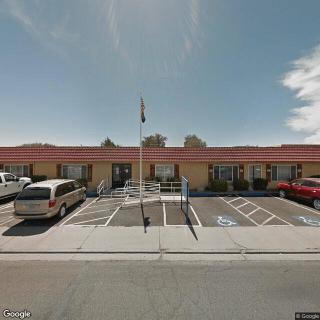
1490 Grimes St, Fallon, NV 89406
To contact a resident: (775) 423-4137
For more information about senior living options: (866) 208-4318
Overall Review of Silver Rose Assisted Living
Pros
 The staff truly cares for patients and helps them build their program.
- The facility provides a foundation for sobriety for those willing to put in the effort.
- The food is awesome.
- The days were well structured, and the staff were professional and respectful.
- The beds were comfortable and the food was great.
- Kelsey Hurlburt, the ICM Director, was absolutely wonderful in helping the family.
- New Frontier is a safe place to heal, and the staff is incredibly supportive.
- NFTC can work for those who are committed to the program.
Cons
 New Frontier is a joke when it comes to mental health care.
- There is a high self-cancelation (sewerslide) rate.
- They terminate patients' care by wiping them off the schedule without informing the patient.
- Melinda does not understand mental illnesses and follows the book without any heart.
- The staff lied about helping patients, making the process feel one-sided and cash-grabbing.
- The front desk staff are lazy, inattentive, uncompassionate, and rude.
- The finance department will not honor negotiated terms and may bill patients with threats of collections.
Review
This community is best suited for seniors who thrive in a structured, program-driven environment where staff engagement is consistent and there is an emphasis on social connection, accountability, and practical support. The strongest signals from reviews point to caregivers and clinicians who are genuinely involved, a clear daily rhythm, and a dining program that residents cite positively. For families seeking predictable routines, steady human interactions, and a framework that supports recovery-like or transition-focused goals, this setting offers a compelling foundation.
Exactly who should consider alternatives becomes clear when administrative friction surfaces more prominently than care outcomes. Potential residents and families who prize frictionless planning, transparent billing, and routinely reliable communications may find these elements inconsistent in these reviews. If front-desk responsiveness, timely scheduling, and predictable financial terms are non-negotiable, other options with stronger reputations for administrative reliability may be a better fit. In short, this is a choice where the quality of human interactions must be matched by equally dependable systems.
On the upside, the most persuasive pros center on the caregiving ethos and the program structure. Where staff are described as caring and engaged, residents often report meaningful progress, social support, and a sense of being seen. A clear, disciplined program with regular activities and therapy-like supports can produce tangible benefits for those who are prepared to participate and commit to the process. Food quality and living comforts often register as appreciable positives, contributing to daily satisfaction and overall mood. When these elements align, they create a solid backbone for daily life and personal growth.
Yet the primary drawbacks tied to this kind of community cycle through administrative and logistical concerns. Front-desk service, billing negotiations, and financial communications can feel disconnected from the care experience, sometimes culminating in misunderstandings, delayed statements, or surprises that erode trust. Scheduling mishaps and inconsistent notice about appointments or services can also undermine confidence in the overall governance of the facility. For families balancing care needs with budgets, these patterns matter just as much as the direct care hours or the quality of therapy sessions.
These pros and cons must be weighed together to determine fit. When the caregiving tone and program structure are robust, they offset a number of administrative rough edges by delivering real value in daily life and emotional well-being. However, the impact of billing disputes, unclear scheduling, or inconsistent front-office communication can cancel out several advantages for residents who rely on predictable systems to reduce stress and facilitate daily planning. The decision hinges on whether the resident can tolerate, or even benefit from, an environment where strong personal relationships exist alongside imperfect process management.
To make an informed choice, prospective residents and families should pursue concrete assurances. Request a tour at different times to observe how staff interact with residents and how the front desk handles inquiries. Ask for a detailed, written cost breakdown and a clear description of the billing cycle, including any potential changes and how disputes are resolved. Seek direct contact with a primary caregiver or case manager to understand care planning and follow-up routines. Finally, probe the community’s capacity for reliable scheduling, timely communication, and a transparent grievance process. If these mechanisms are solid, the environment becomes distinctly more compelling as a long-term living solution. If not, alternatives that prioritize administrative reliability may outperform in daily peace of mind and financial clarity.
 Assisted Living
 Activities on-site
 Devotional services off-site
 Indoor common areas
 Ambulatory care
 Diabetic care
 Meals provided



 Exploring the Contrasts Between Assisted Living and Skilled Nursing
 8 Key Indicators That Suggest It May Be Time to Transition from Assisted Living to Skilled Nursing Care
 Vibrant Senior Living: A Comprehensive Guide for Active Older Adults