For more information about senior living options: (866) 208-4318
3.4 from 30 reviews
5 stars
16
4 stars
2
3 stars
1
2 stars
0
1 stars
11
Overall Review of Highland Inn Of Fallon
common20 reviews mention this
Staff are caring and responsive
Residents and families frequently describe the staff as kind and attentive.
Many reviewers say the staff treats residents with care, remembers personal details, and handles needs thoughtfully. Several also describe the atmosphere as friendly and family-like, with staff following through during visits and conversations. A few reviews mention problems, but even those critics single out some staff members as good.
caveat2 reviews mention this
Understaffing concerns come up
Some reviewers feel care was compromised by low staffing.
One review alleges missed or delayed attention during bathing and after falls, with no attending nurse present. Another states the facility is severely understaffed and that families need to be present to get proper care.
caveat3 reviews mention this
Communication with families worries reviewers
Several reviewers report weak follow-through when families reach out.
One family member says they were not updated after a resident was taken to the emergency room and that they did not receive details about what happened. Another reviewer complains the business office would not call back and would not answer the phone when asking about availability and payment. A separate comment also criticizes office staff behavior and professionalism.
common4 reviews mention this
New management is mentioned positively
Multiple reviewers mention improvements or attention under new leadership.
Several reviews connect positive experiences to the current administrator or management, describing them as taking time to listen and being friendly. One reviewer specifically says the facility is being turned around and cleaned up. Another highlights meeting with administration and feeling comfortable with the level of care shown.
How we summarize
Counts show how many written reviews mention each theme; a review can touch several themes, and only frequently mentioned themes are displayed.
Features
Housing
37 resident community capacity
Types of Care
Assisted Living
Continuing Care Retirement Community (CCRC)
Skilled Nursing Facility
Amenities
Beauty salon
Cable or satellite TV
Dining room
Fully furnished
Garden
Housekeeping services
Kitchenette
Move-in coordination
Outdoor space
Telephone
Wi-Fi/high-speed internet available
Care Services
24-hour call system
24-hour supervision
Activities of daily living assistance
Assistance with bathing
Assistance with dressing
Assistance with transfers
Coordination with health care providers
Diabetes diet
Meal preparation and service
Medication management
Mental wellness program
Special dietary restrictions
Transportation arrangement (medical)
Transportation to doctors appointments
Dining
Diabetes diet
Special dietary restrictions
Activities
Community-sponsored activities
Scheduled daily activities
Nearby Places of Interest
Physicians
Banner Health Clinic: Primary Care (0.3 miles)
Skin Cancer & Dermatology Institute (0.3 miles)
Byers Cameron Assistant (0.3 miles)
Reno Orthopaedic Clinic (0.8 miles)
Daniel Matthew Stasik (1.2 miles)
Kristin Laxalt, MD (24.4 miles)
Hospitals
Rainbow Treasures (0.3 miles)
Places of Worship
Pentecostal Church of God (0.4 miles)
Fallon Christian Fellowship (0.5 miles)
Southern Baptist Convention (0.7 miles)
Greater New Refuge Church Of God In Christ (0.7 miles)
Church of Jesus Christ of Latter Day Saints (0.8 miles)
Threshingfloor Ministries International (0.9 miles)
General Conference Of Seventh-Day Adventists (1 miles)
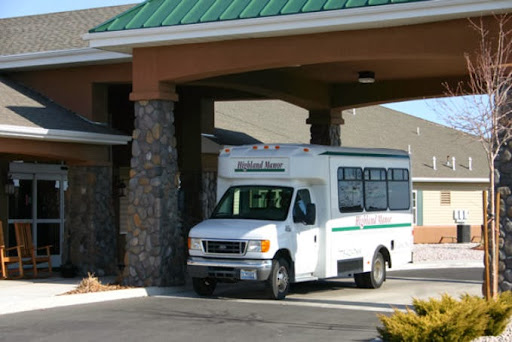
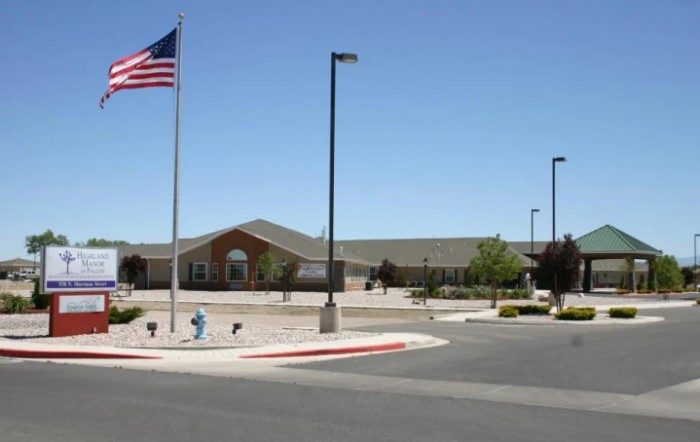
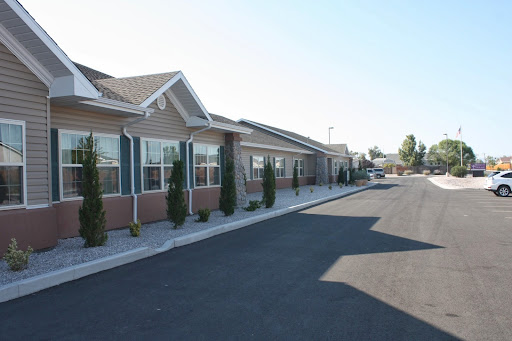
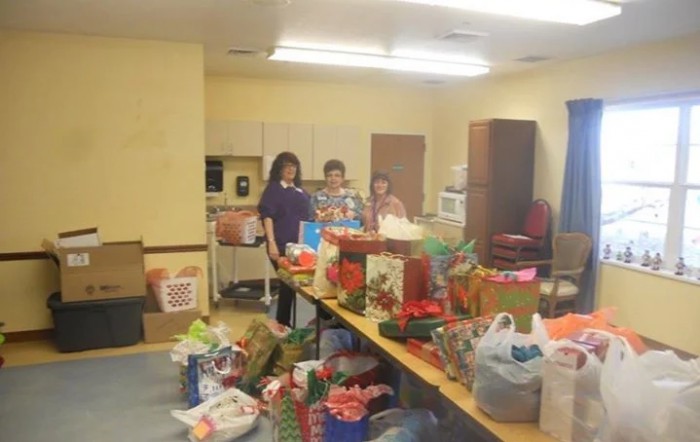
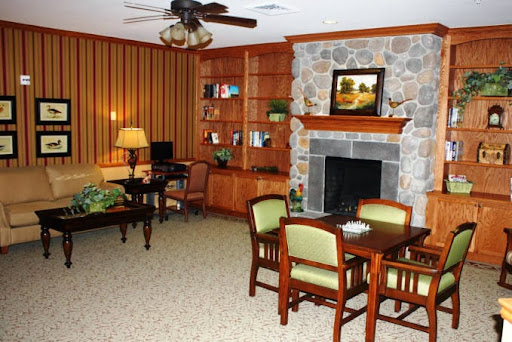
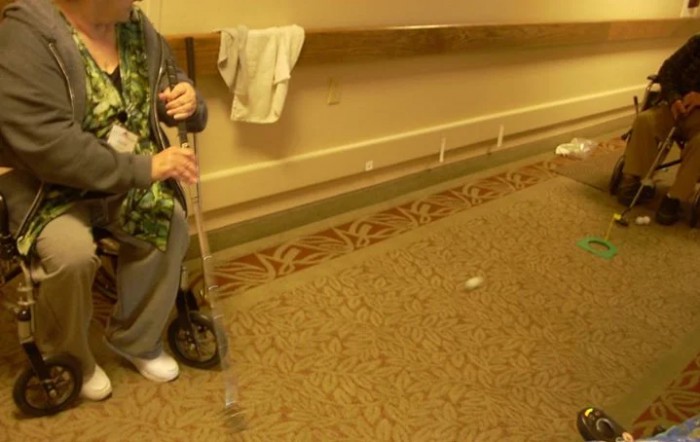
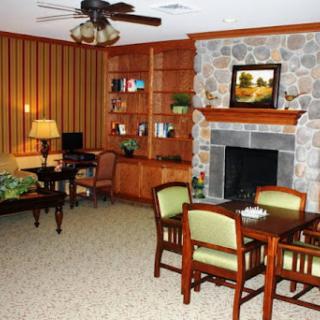
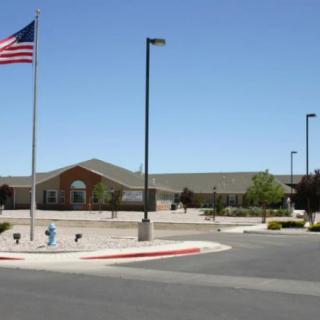
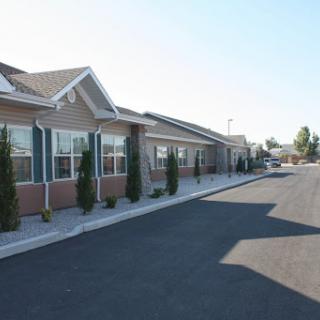
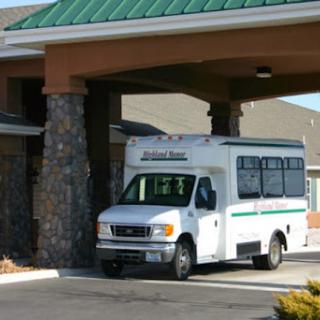
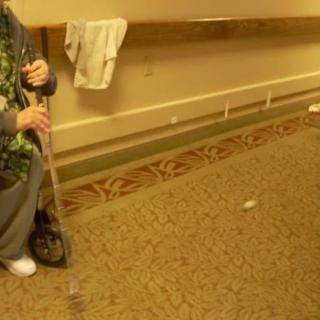
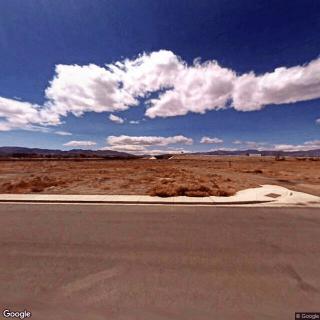
Highland Inn Of Fallon on seniors.fyi includes 7 photos including images showing interior, landscaping, building, parking, hallway, architecture, living room, fireplace, and more.
Nearby Communities
The Homestead Assisted Living and Memory Support
Fallon, NV
4 from 33 reviews
$2,700 to $3,260 / month
Memory care specialty with personalized care; competitive local pricing.
The Homestead I
Fallon, NV
4.1 from 32 reviews
Broad care options (independent, assisted, memory care) with extensive on-site amenities and services.
Silver Rose Assisted Living
Fallon, NV
3.8 from 21 reviews
Warm, inviting environment with specialized diabetic care.
Fernley Estates
Fernley, NV
4.8 from 64 reviews
Friendly staff and welcoming environment; active programs and spacious rooms.
Golden Years Castle Home Of Fernley
Fernley, NV
5 from 4 reviews
Clean, inviting environment with attentive staff and comprehensive care options.
Activities of Daily Living (ADLs) are fundamental tasks vital for an individual's independence, particularly in older adults over 85, and include functions like bathing and dressing; assessing ADLs alongside Instrumental Activities of Daily Living (IADLs) helps determine the level of required assistance due to age-related health challenges. Tailored support plans, involving family and community resources, are essential for maintaining dignity and autonomy in assisted living environments.
Family caregivers face emotional, legal, and practical challenges when elderly parents refuse assisted living, often due to fears of losing autonomy. Open conversations and professional assessments can help address these concerns while exploring alternatives and ensuring safety, potentially leading to legal guardianship if necessary.
Luxury assisted living offers high-quality senior care in a resort-like environment that combines essential medical support, gourmet dining, and personalized services to enhance residents' independence and well-being. These upscale facilities emphasize holistic health and community-building through customized care plans and social activities, catering to the growing demand for enriched senior living experiences despite higher costs.
Get PricingAsk A QuestionSchedule A TourContact Senior Advisor
By clicking submit, you agree to our Partner's Terms of Use. You
also consent to receive calls and texts, which may be autodialed, from our Partner. Your consent is not a condition to
using our Partner's service. Please visit our Partner's Privacy Policy for information about their privacy practices.

 37 resident community capacity
 Assisted Living
 Continuing Care Retirement Community (CCRC)
 Skilled Nursing Facility
 Beauty salon
 Cable or satellite TV
 Dining room
 Fully furnished
 Garden
 Housekeeping services
 Kitchenette
 Move-in coordination
 Outdoor space
 Telephone
 Wi-Fi/high-speed internet available
 24-hour call system
 Activities of daily living assistance
 Assistance with bathing
 Assistance with dressing
 Assistance with transfers
 Diabetes diet
 Meal preparation and service
 Medication management
 Mental wellness program
 Special dietary restrictions
 Transportation arrangement (medical)
 Transportation to doctors appointments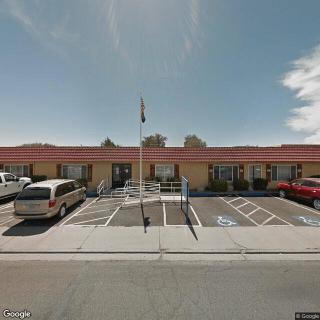
 Memory care specialty with personalized care; competitive local pricing.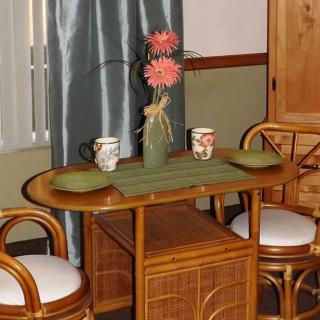

 Comprehensive Insights into Activities of Daily Living (ADLs) and Their Assessment
 Guiding Elderly Parents Who Refuse Assisted Living: 6 Practical Steps
 Your Comprehensive Guide to Luxury Assisted Living: Elevated Facilities, Amenities, and Costs