
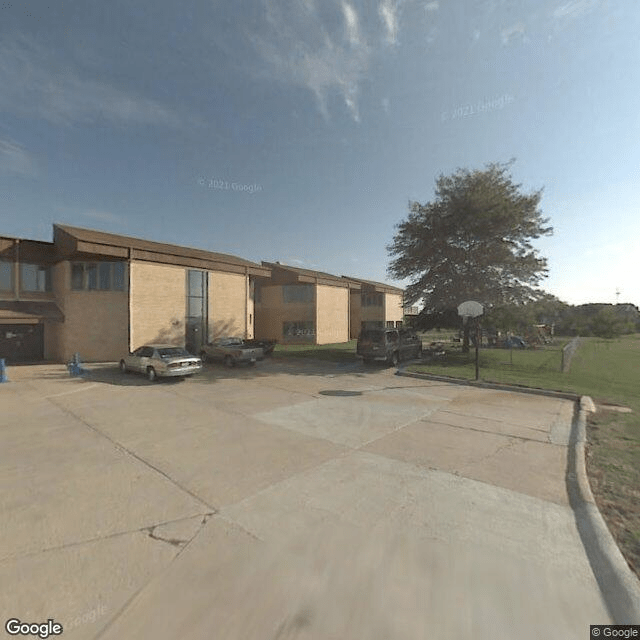
2319 Lincoln Ave, York, NE 68467
To contact a resident: (402) 362-4333
For more information about senior living options: (866) 208-4318
Overall Review of Hearthstone the Nursing Home
Pros
 There are kind, hardworking people at Hearthstone.
- The Therapy department, nursing staff, dietary department, and environmental department provide great care that helps residents return to their apartments and enjoy life.
- Dawana is commended for taking the time to help families Facetime with their loved ones.
- The staff are excellent, very caring and compassionate.
- The people there are nice and well rated.
Cons
 The facility does not care about residents and even threatens them, making them feel like trash.
- Management is not fully honest or transparent about staffing when hiring.
- The staff is constantly understaffed and only appears to have adequate help when state inspectors come.
- Treva, the person in charge, is fake and cares only about the bottom dollar.
- The staff on the 500 and 600 wings exhibit a catty, high-school mentality that deprives residents of proper care.
- The facility is incompetent with Alzheimer’s and dementia patients, leaving wanderers to fall and sustain injuries.
- Residents were left unattended long enough to fall, causing critical injuries and death.
- The reviewer would not recommend this place and would not place a loved one in their care again.
Review
Hearthstone the Nursing Home in York, NE is best suited for families that prize hands-on attention from therapy and nursing teams and are prepared to actively oversee care, demanding transparency and accountability from leadership. This community can deliver meaningful daily moments for residents whose families want responsive, compassionate frontline staff and who don’t mind investing time to advocate for consistent service. Those seeking rock-solid staffing reliability and a uniformly high standard of oversight, especially for residents with dementia or Alzheimer's, should consider alternatives.
On the plus side, multiple reviews highlight care teams that show genuine kindness and competency, particularly within the therapy and nursing units. Families report moments of real connection, staff who take time to explain, repeat information until understood, and coordinate with families via video chats to keep loved ones engaged. Dietary and environmental teams also receive praise for their attentiveness, and in some instances the facility can rejuvenate a resident’s quality of life with appropriate support. When the stars align and the right people are in place, residents feel seen and helped to reclaim a degree of daily normalcy.
However, the most troubling themes run through the record: management transparency and staffing stability are repeatedly called into question. Accounts describe persistent understaffing, with warnings that only a single nurse and a single CNA may be on a floor for extended periods, leaving families anxious about consistent and safe care. Several reviews label management as untrustworthy or overly focused on appearance rather than genuine resident welfare, suggesting a disparity between public messaging and day-to-day operations. The most severe concerns center on care for residents with dementia, where wandering and falls are reportedly not adequately monitored, resulting in serious injury and, in at least one case, death. These paths of risk cannot be dismissed as minor flaws.
Those pros versus cons must be weighed with a clear lens: compassionate individual caregiving can and does happen here, but it rests on a fragile foundation of staffing stability and leadership reliability. When the care climate is positive, the facility can provide meaningful daily routines and personal attention that residents and families value. Yet the recurring accusations of understaffing, inconsistent monitoring, and leadership indifference undermine overall safety and trust. For families with loved ones who require strict supervision, memory care, or consistent, predictable caregiving, the gaps are too large to overlook. The contrast between bright moments and potential hazards makes this a facility where outcomes are highly variable and largely dependent on who is staffing the floor on any given day.
Smart families will enter with concrete questions and a plan for ongoing oversight. Inquire about actual nurse-to-resident ratios on each shift, how staffing levels are maintained, and what contingency plans exist for short-staffing days. Request recent state survey results, internal incident logs, and a clear dementia-care protocol that includes wandering prevention and fall prevention measures. Meet the caregiving teams across wings, ask for detailed care plans, and insist on regular family communications that document daily care activities and any deviations. Evaluate how management handles staffing concerns when they arise, and push for transparent, measurable standards rather than verbal assurances. If transparency and consistency cannot be proven, alternatives should be seriously considered.
In the end, Hearthstone presents a bifurcated decision: real potential for warmth, skilled therapy, and compassionate nursing on good days, shadowed by persistent questions about staffing, supervision, and safety for vulnerable residents. Families who can commit to vigilant oversight, rigorous follow-up, and clear expectations may find value here. Those who prioritize rock-solid safety, especially for dementia care, should look elsewhere or plan for a decisive, proactive governance approach if considering Hearthstone. The choice hinges on whether the positive caregiving moments can survive the weight of the safety and leadership concerns that recur across the reviews.
 Assisted Living
 Activities on-site
 Devotional services off-site
 Indoor common areas
 Ambulatory care
 Diabetic care
 Meals provided

 Funding and Affording Assisted Living: A Thorough Overview
 Assisted Living Expenses and Long-Term Care Insurance: A Comprehensive Exploration
 Securing Financial Support for Assisted Living: A Comprehensive Overview