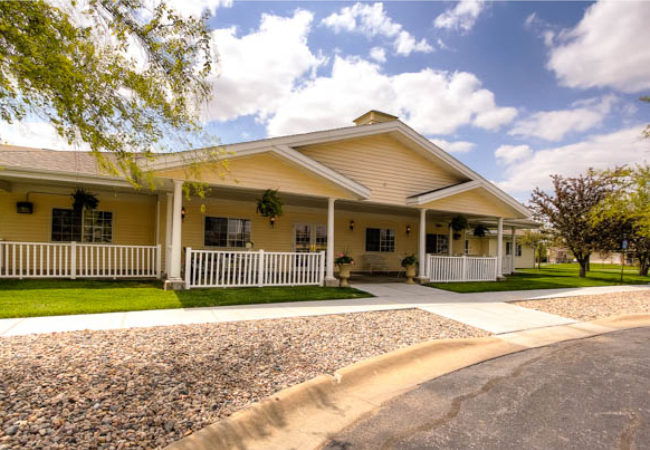
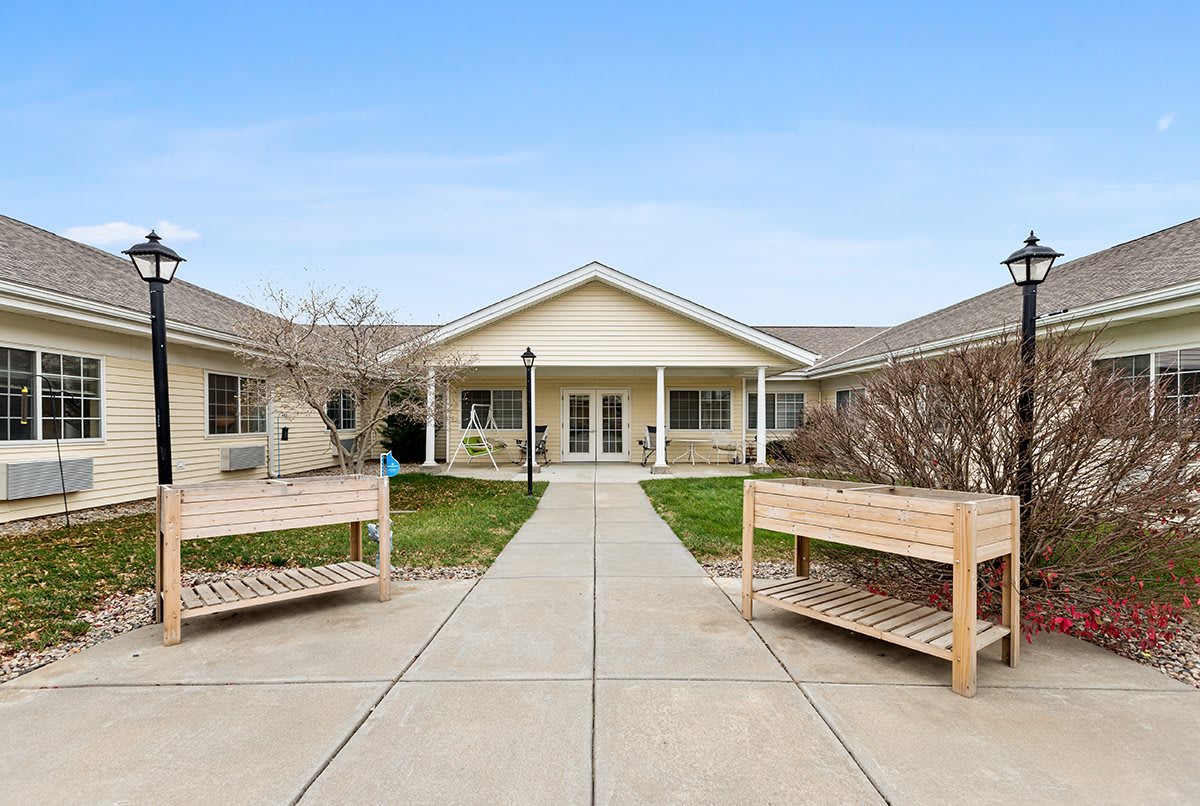
Greene Place in Seward, NE

Save

  • Interior

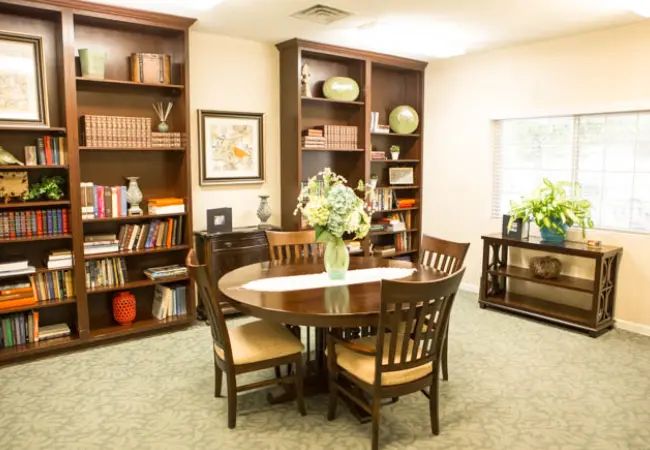
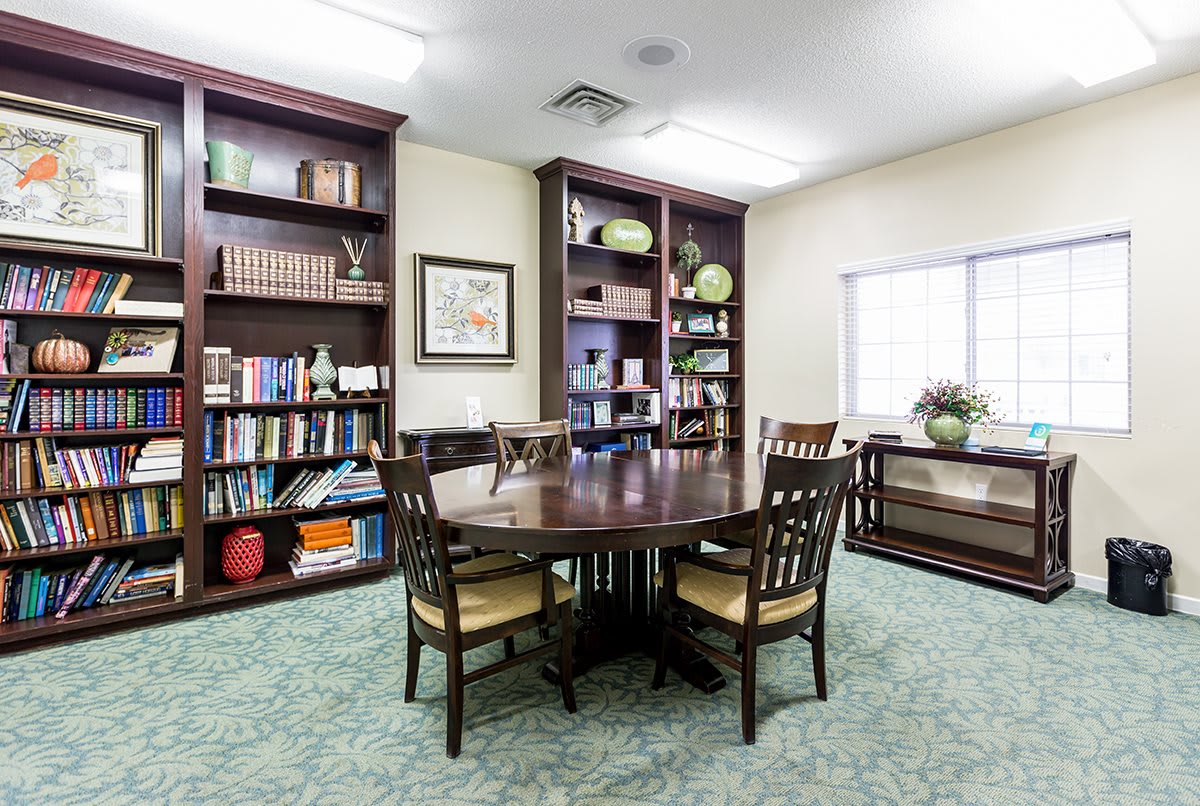
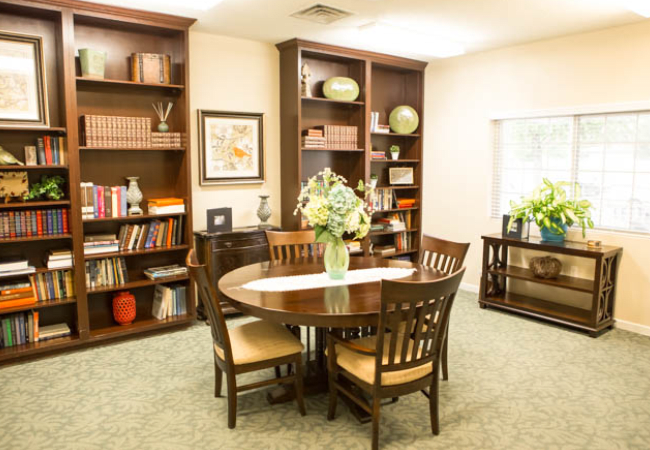
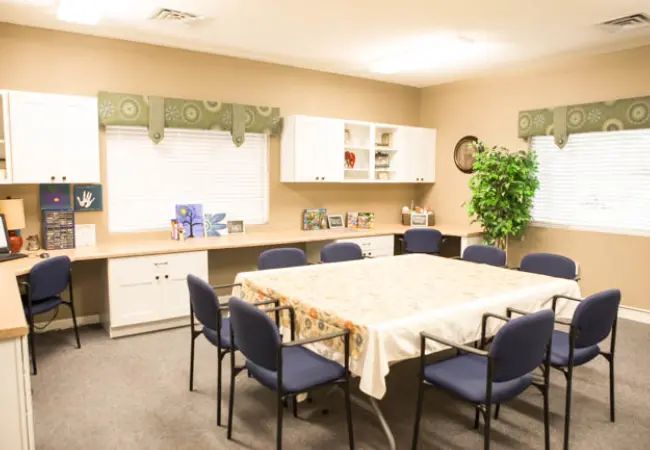
    A cozy library space with bookshelves and a round table surrounded by chairs.
  • Decor

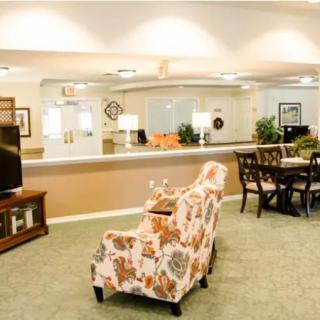
    A cozy and warmly decorated living and dining area with comfortable seating and stylish furnishings.
  • Living Room

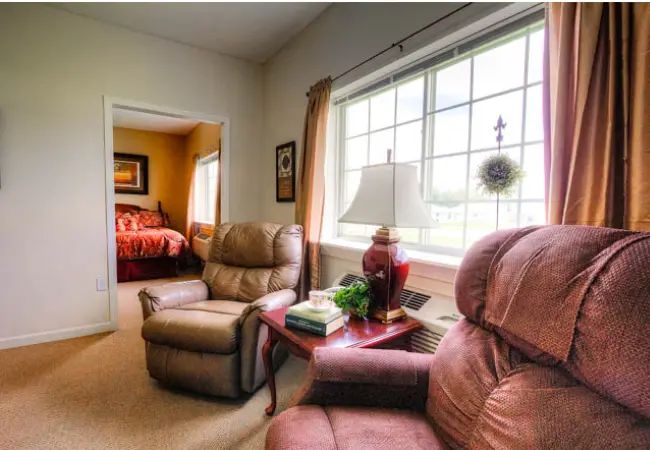
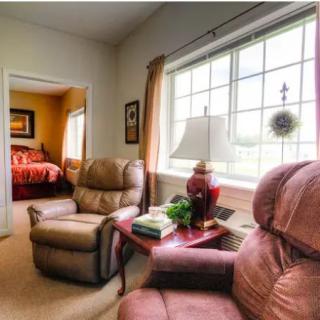
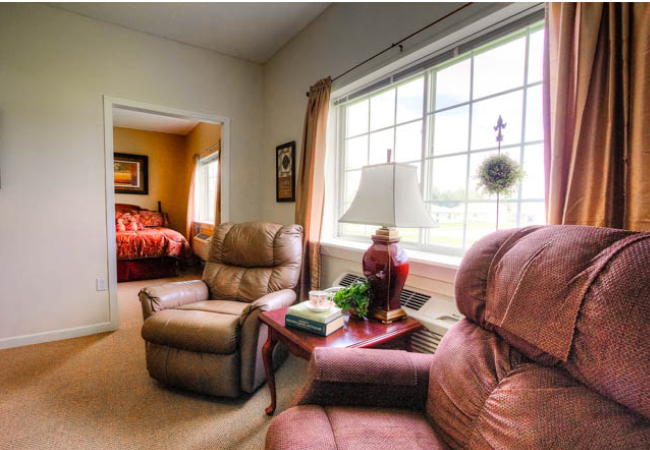
    A cozy living room with armchairs by a sunlit window.
  • Building

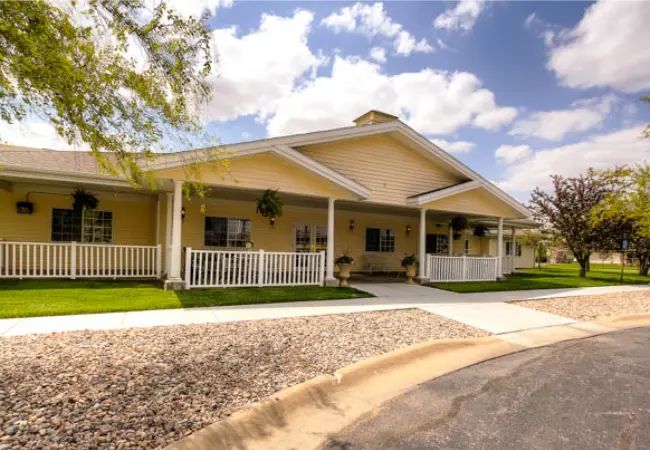
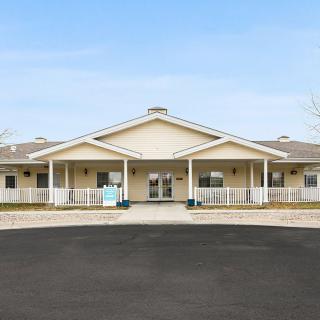
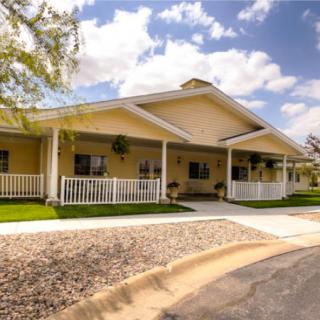
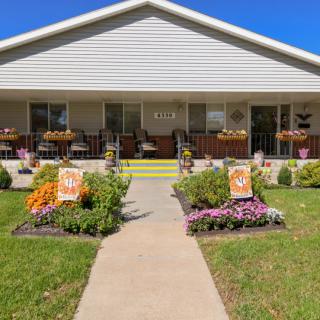
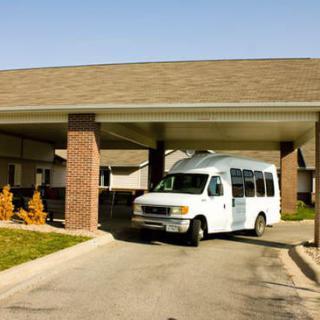
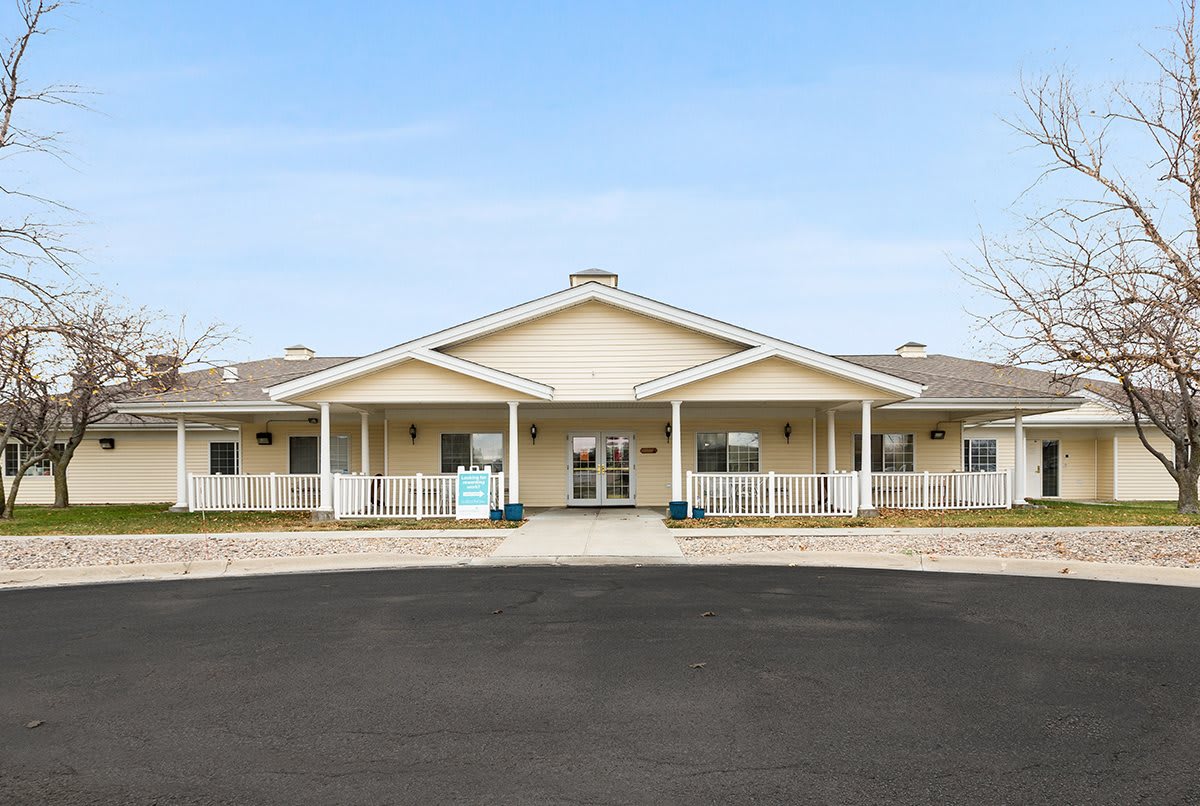
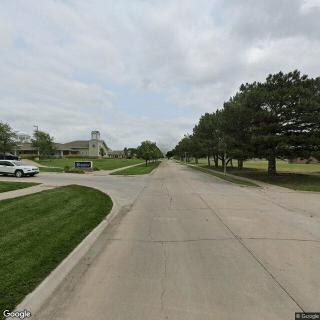
    A single-story residential house with a wide porch and landscaped surroundings under a partly cloudy sky.
  • Architecture

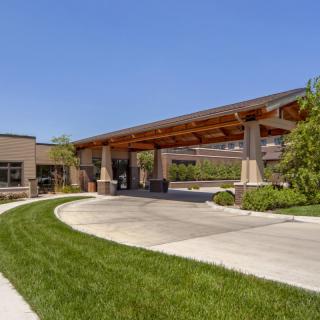
    A front view of a large residential building with a porch and entrance.
  • Bedroom

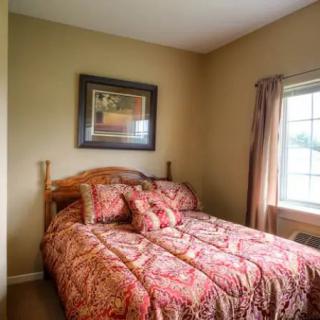
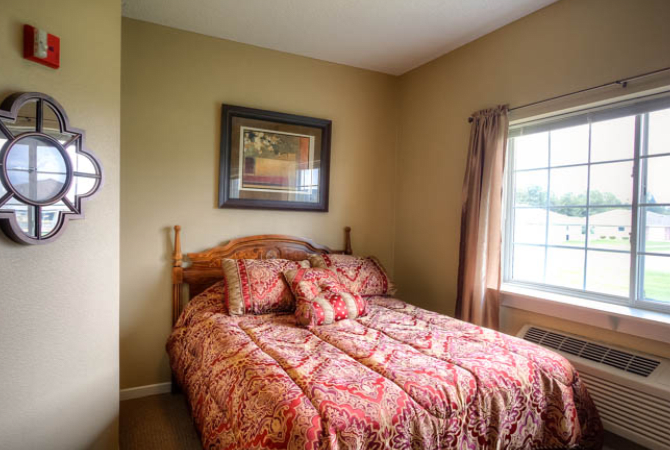
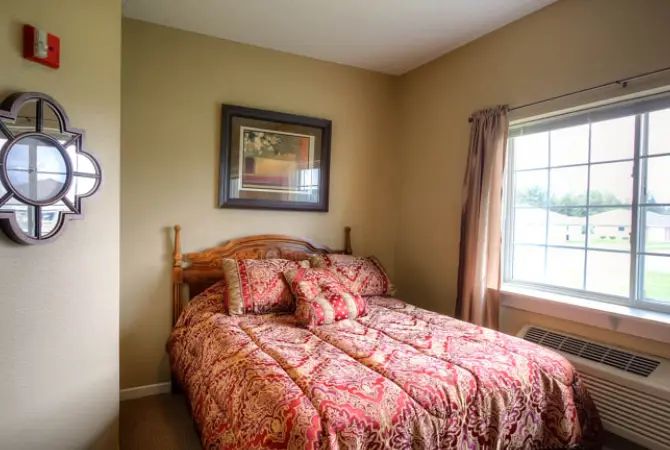
    A cozy bedroom with a wooden bed frame, colorful bedding, and a large window letting in natural light.
  • Trees

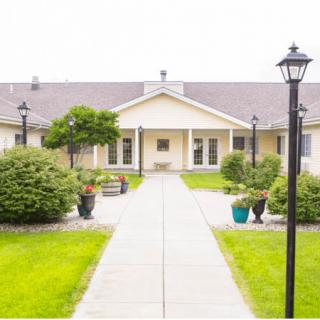
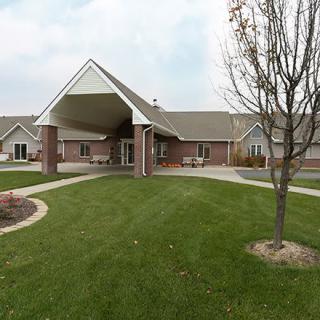
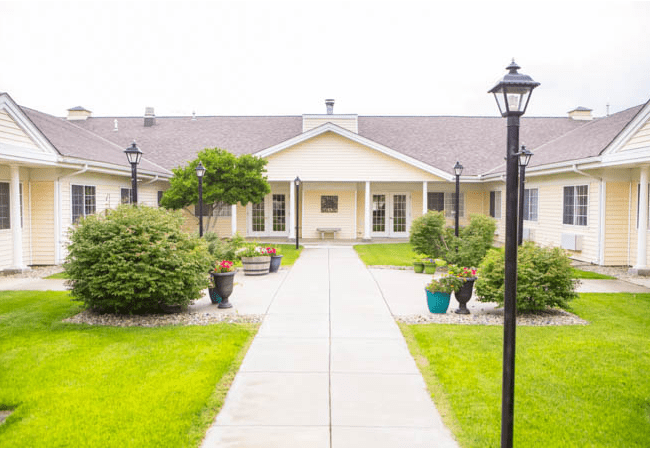
    A landscaped pathway leading to a residential building with outdoor lighting.
  • Windows

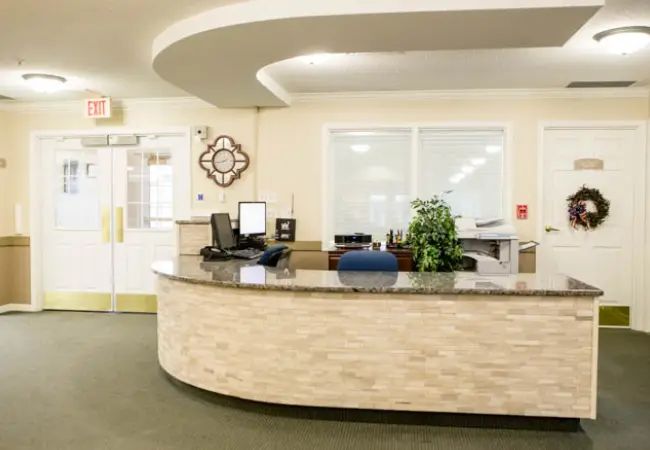
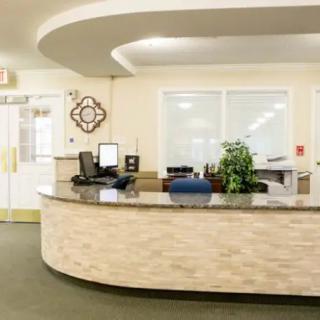
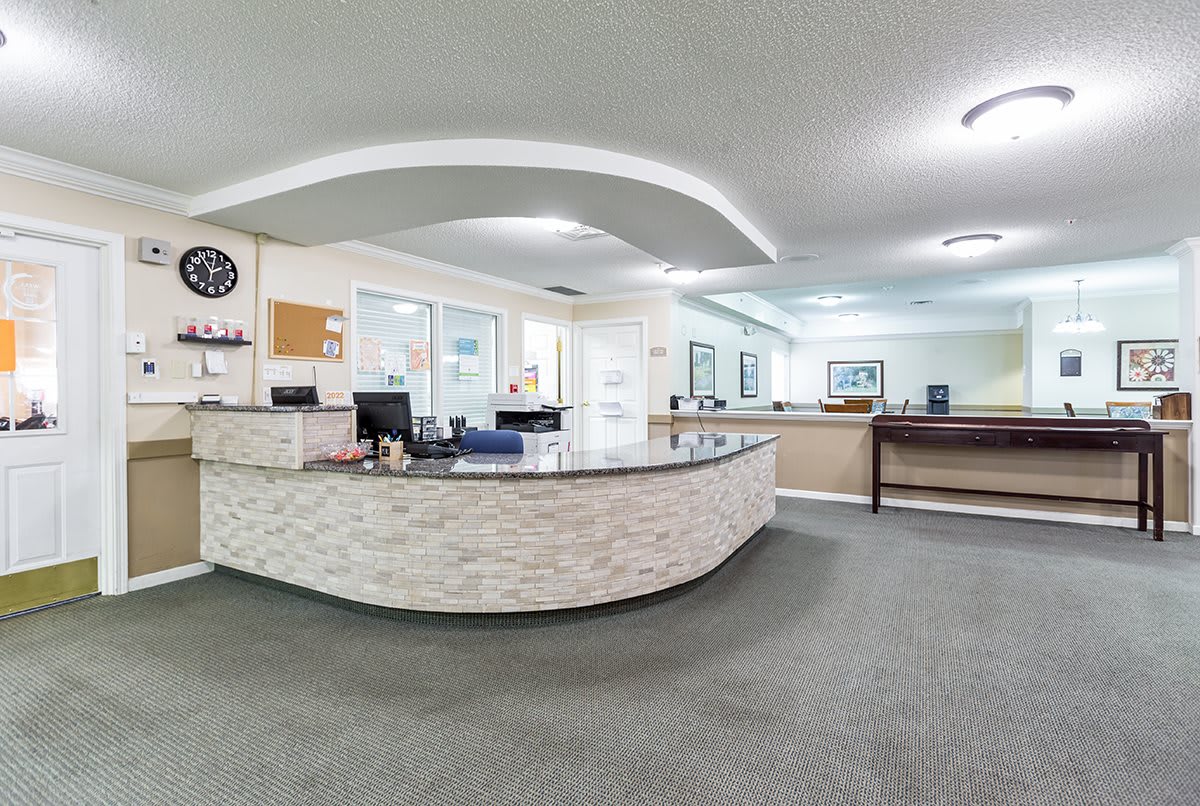
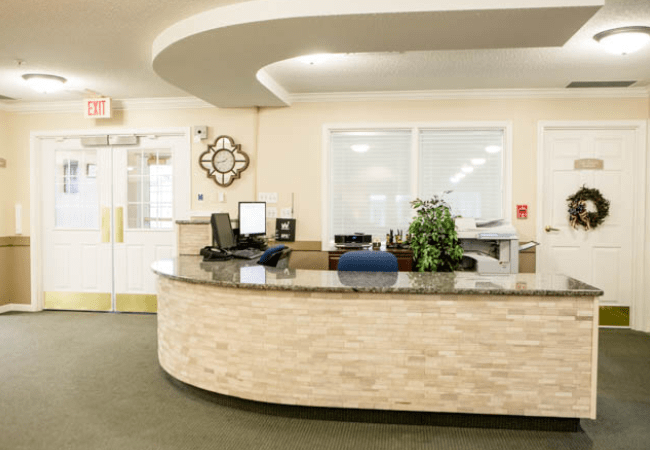
    A modern reception desk with computer equipment and a potted plant.
  • Dining

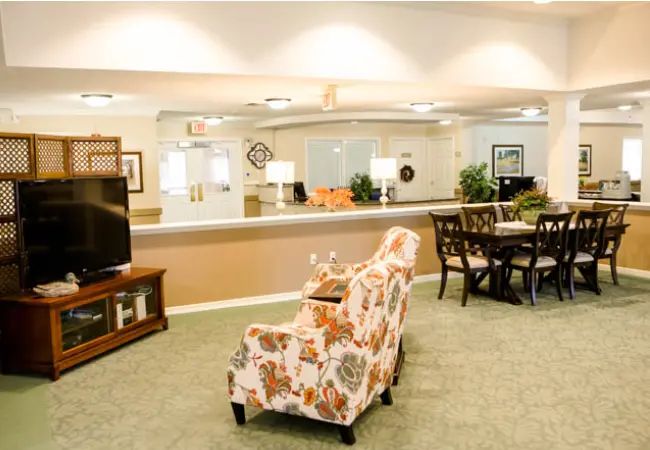
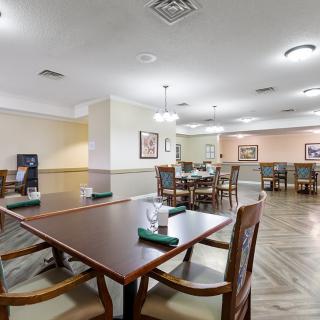
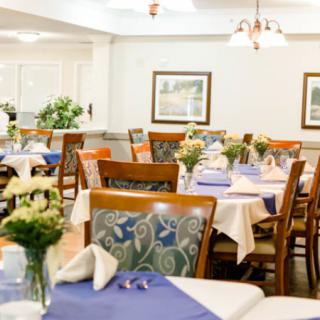
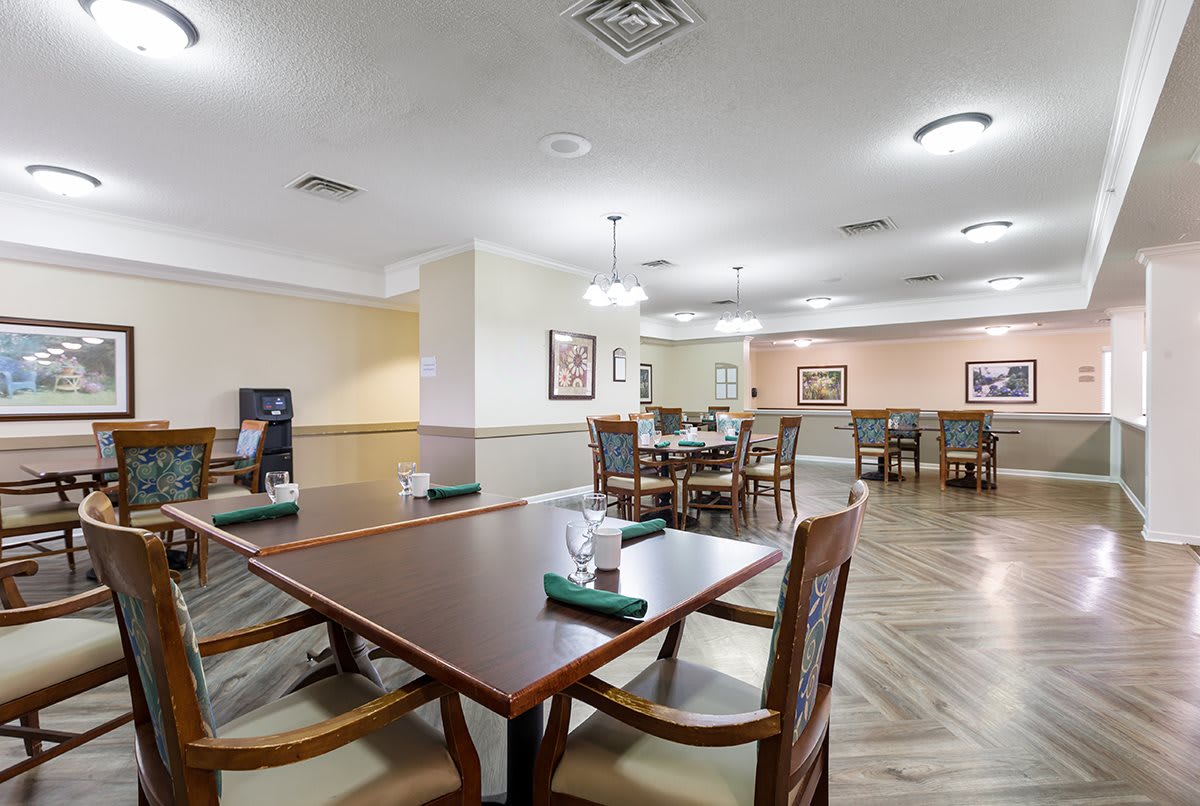
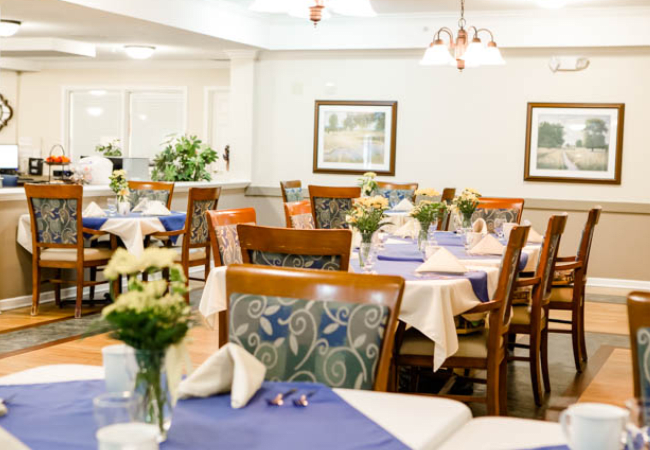
    A spacious dining area with neatly arranged tables and chairs, featuring elegant lighting and wooden furnishings.
  • Landscaping

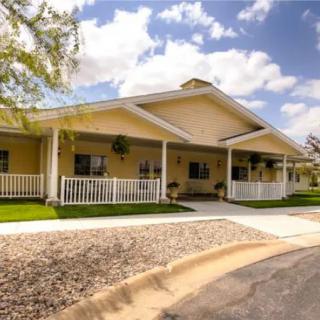
    A charming residential house with a porch and well-maintained lawn under a clear sky.
  • Garden

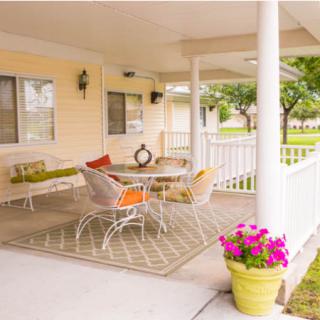
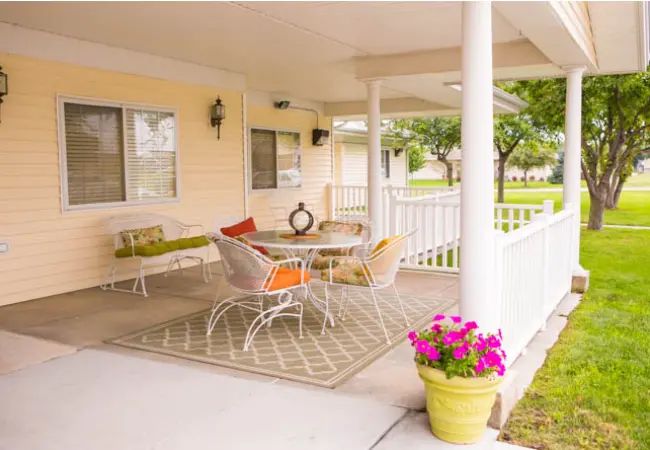
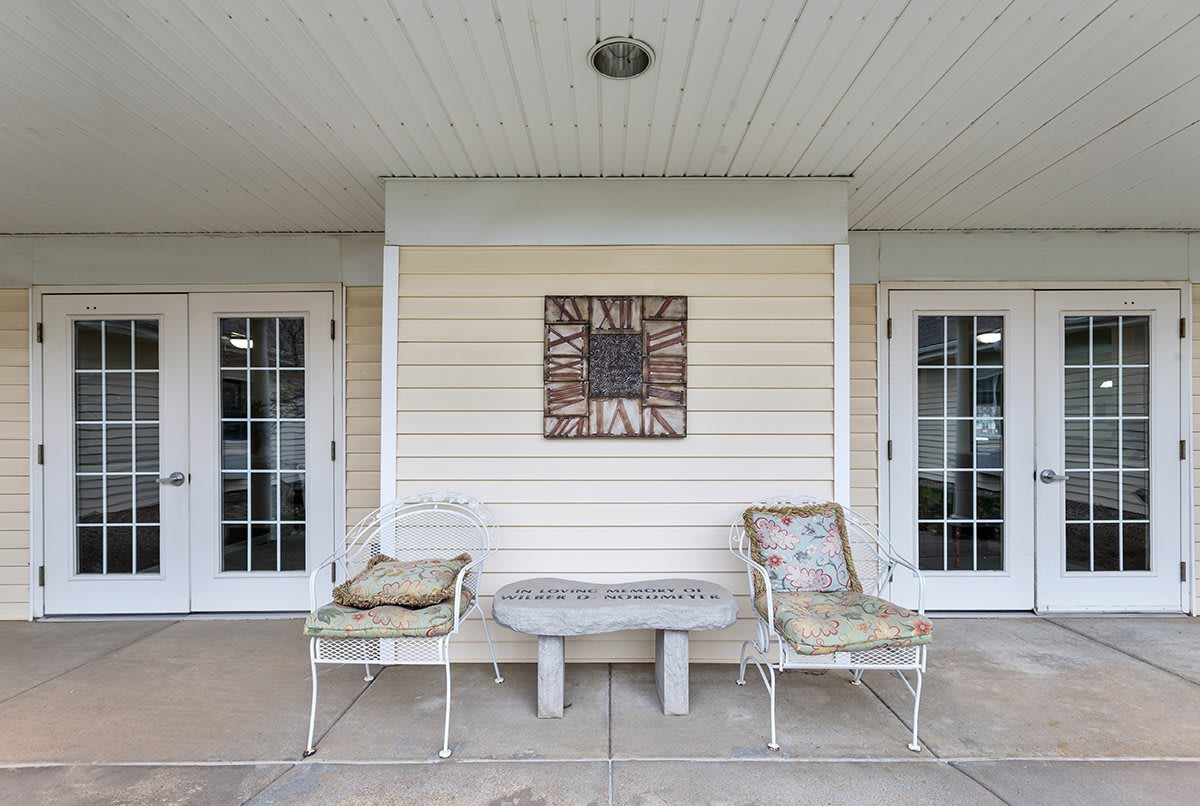
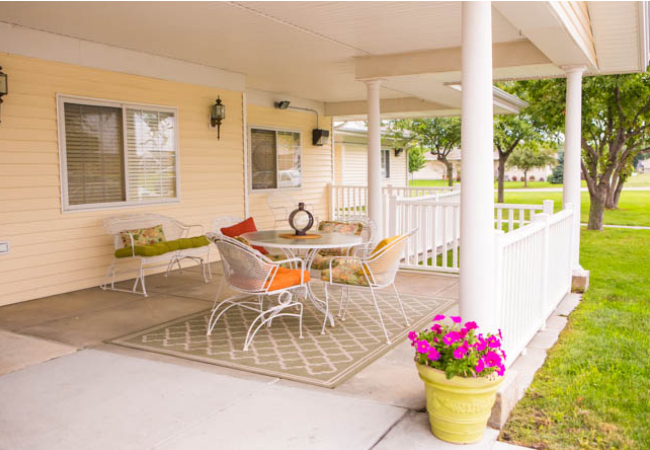
    Cozy outdoor patio with comfortable seating and vibrant decor.
  • Artwork

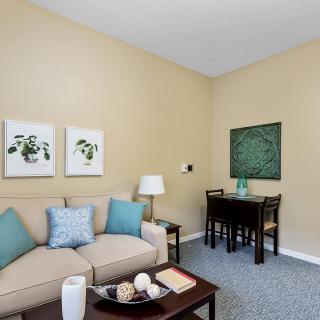
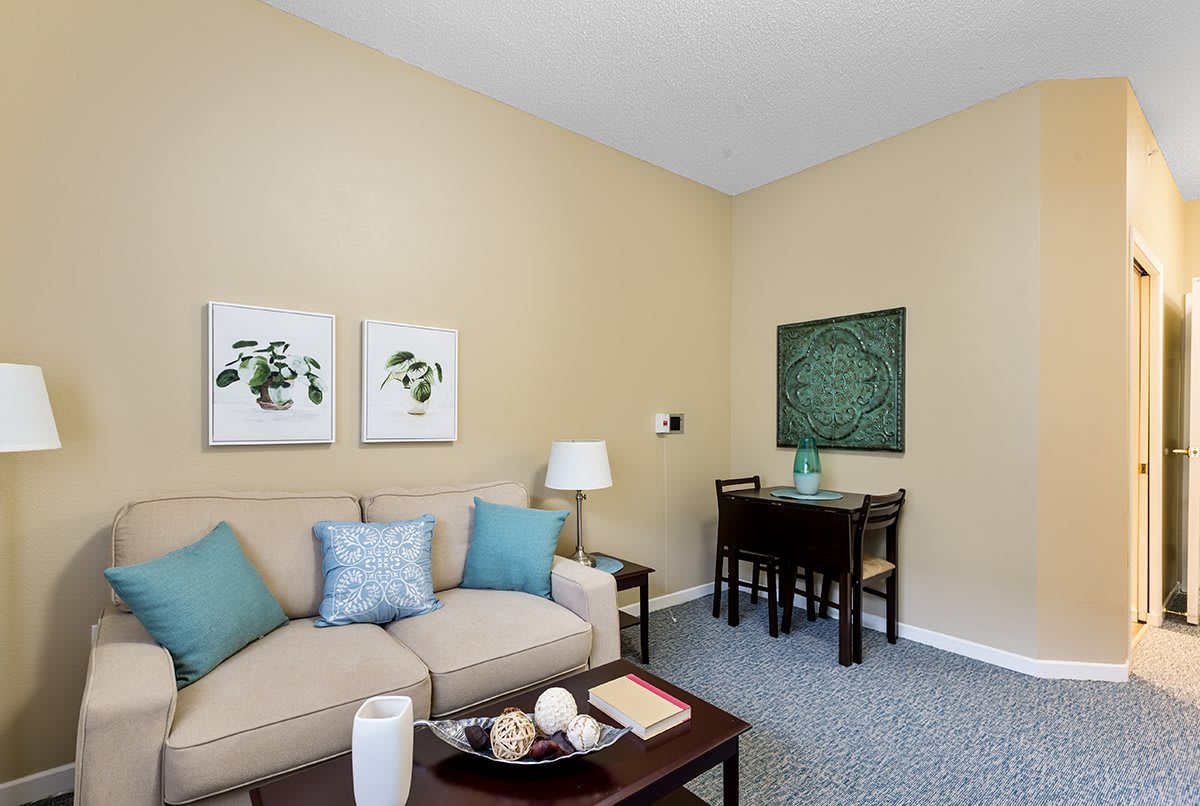
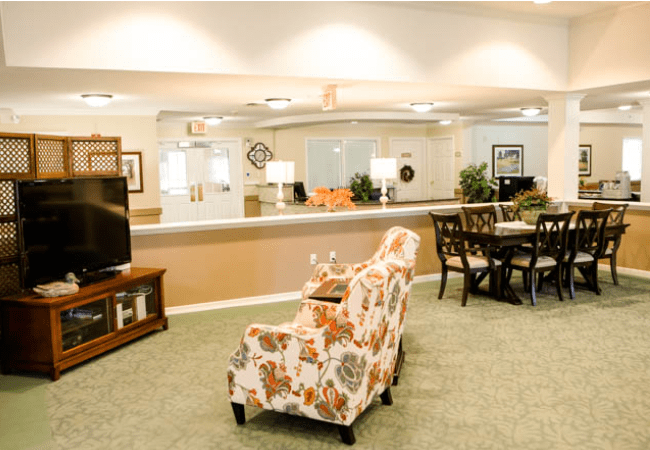
    A cozy living room with a beige sofa, decorative pillows, and a coffee table, accented by wall art and a small dining area.
  • Seating Area

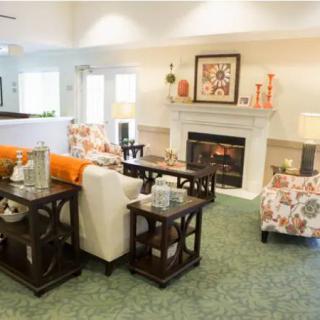
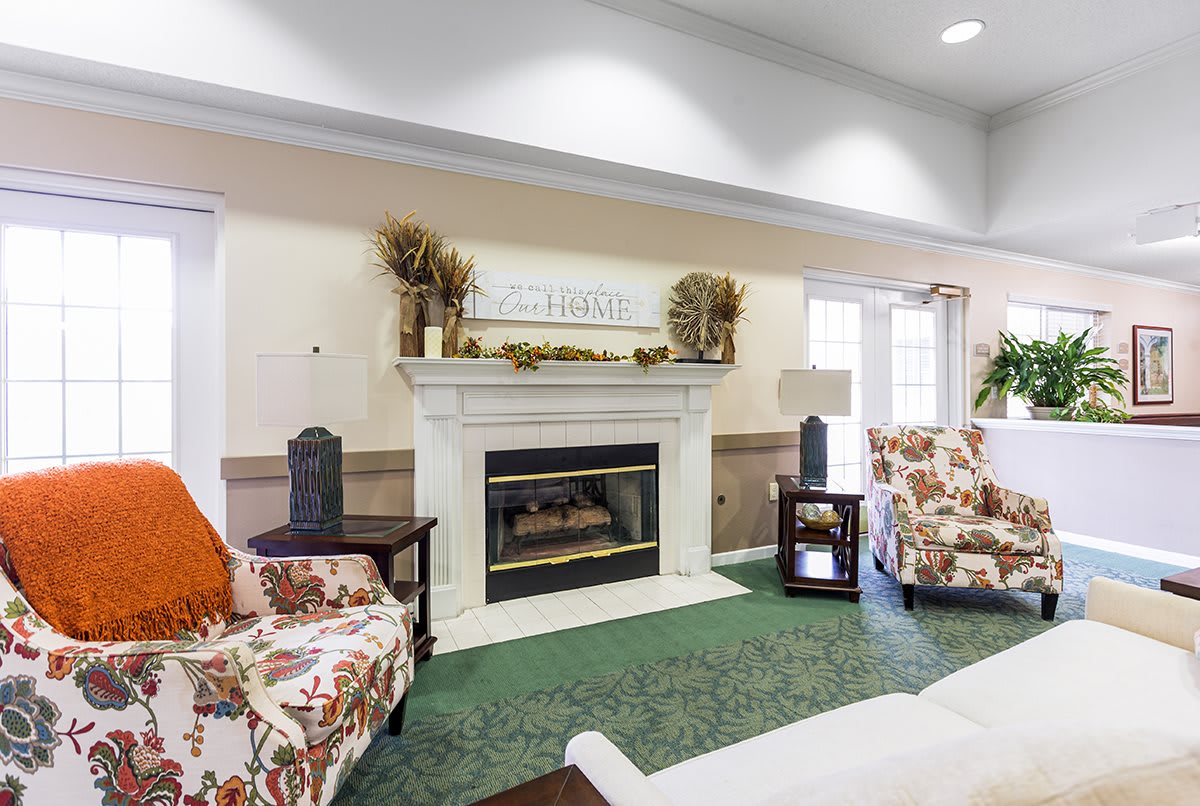
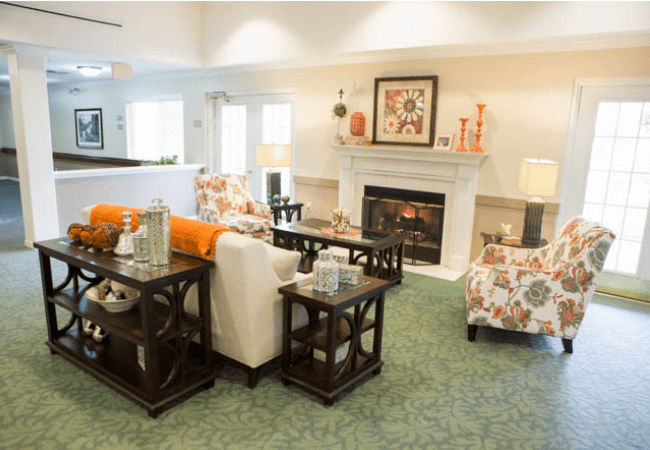
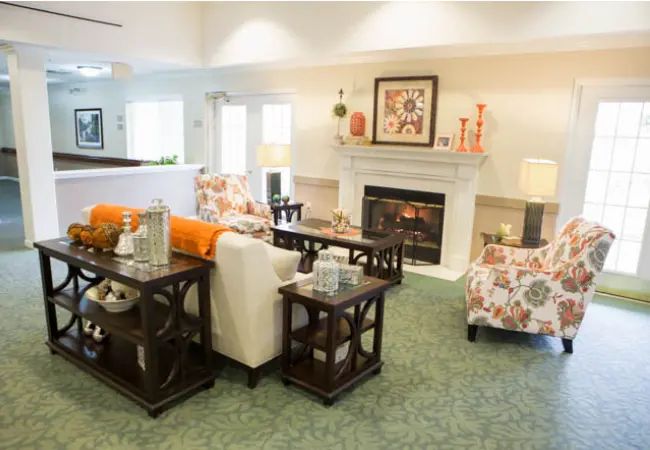
    A cozy living room featuring a decorated fireplace and comfortable seating.
  • Fireplace

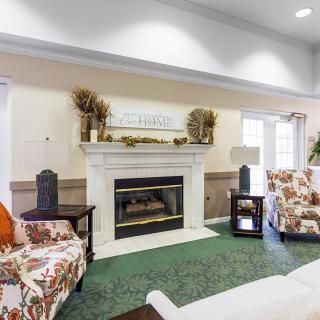
    A cozy and well-decorated living room featuring a fireplace, comfortable seating, and elegant decor.

Greene Place in Seward, NE

Information last verified:

600 Church Street, Seward, NE 68434

For more information about senior living options: (844) 490-3973

4.7 from 117 reviews
5 stars
103
4 stars
5
3 stars
2
2 stars
2
1 stars
5

Seniors.FYI Elite Community Awards

Top 5% Senior Living Community in 2016Top 5% Senior Living Community in 2018Top 5% Senior Living Community in 2019Top 5% Senior Living Community in 2024Top 5% Senior Living Community in 2025Top 5% Senior Living Community in 2026

Add this award to your website

Greene Place Costs & Pricing

Greene Place offers competitive pricing compared to both Seward County and the broader state of Nebraska. For those considering a semi-private room, Greene Place is priced at $3,375 per month, significantly lower than the county average of $5,113 and the state average of $4,123. Studio apartments at Greene Place are available for $4,804, which again stands in contrast to Seward County's higher rate of $6,021; however, it does exceed Nebraska's average of $3,728. Lastly, the cost for a one-bedroom unit at Greene Place is $5,594 - a figure that remains below Seward County's rate of $6,544 but well above Nebraska's more budget-friendly average of $3,167. Overall, Greene Place presents a favorable option for residents seeking quality accommodations without straining their finances as much as other local alternatives may demand.

Floor plansGreene PlaceSeward CountyNebraska
Semi-Private$3,375$5,113$4,123
Studio$4,804$6,021$3,728
1 Bedroom$5,594$6,544$3,167

Overall Review of Greene Place

Pros

  • pro Greene Senior Living is a wonderful place that treats every resident with love and dignity.
  • pro It feels like a community, with staff who are incredibly caring, loving, and attentive, and residents treated with dignity and genuine compassion daily.
  • pro Family Night offers warmth, comfort, joy, and a sense of togetherness for families and loved ones.
  • pro The facility ranks among the best for its care, kindness, and concern shown to residents.
  • pro The staff are friendly, supportive, and professional in daily interactions with residents.
  • pro The environment is clean, home-like, and welcoming, with a full calendar of engaging activities.
  • pro The meals and amenities are of high quality, and residents seem happy and well cared for.
  • pro Kayla, Crystal, Melissa (and Barbie) exemplify professionalism, empathy, and respect within the Greene Senior Living team.
  • pro The staff consistently go above and beyond to ensure residents’ safety, comfort, and quality of life.
  • pro Greene Senior Living is described as a real loving family with staff who treat residents as family.

Cons

  • pro One reviewer cautioned against memory-care residents there, alleging the administration lied about care needs and failed to provide essential support.
  • pro They claim residents were left unattended for hours, with late or missing medication passes and frequent med errors.
  • pro They allege the administration turned on families who raised concerns and discussed residents with other families in violation of HIPAA.
  • pro They criticized the high costs and questioned whether meals and services justified the price.
  • pro They stated a change in ownership led to a decline, with fewer outings and activities.
  • pro They described very poor communication, with events canceled and no notification.
  • pro They described the administrator as incompetent and lacking medical knowledge.

Review

Greene Place in Seward, Nebraska is best suited for families seeking a small, home-like assisted living where care feels personal and relationship-driven. The community excels at turning daily living into an experience of belonging, with staff who treat residents with dignity, patience, and genuine warmth. The setting consistently reads as a warm, family-oriented environment rather than a clinical corridor, and cleanliness and a welcoming aroma of hospitality reinforce that impression. For seniors who crave personal attention, predictable routines, and meaningful social connection, Greene Place delivers with a level of attentiveness that larger, impersonal facilities often struggle to match. The combination of intimate scale, a home-like atmosphere, and a robust calendar of activities makes this community a standout choice for families prioritizing relational care and everyday joy.

Yet, this is not a one-size-fits-all option. Those evaluating Greene Place should understand that the community leans toward private-pay arrangements, and the price point is frequently cited as a hurdle. For families relying on Medicaid or seeking a model that scales with fluctuating finances, the fit can be imperfect, with several reviewers noting the lack of Medicaid acceptance. In addition, while the environment shines in day-to-day warmth, some postings raise questions about memory-care suitability and the level of medical or behavioral support available for residents with higher acuity. A number of concerns touch on communication gaps and administrative responsiveness, including accusations of privacy missteps and perceived leadership shortcomings, issues that cannot be ignored when weighing long-term placement. Taken together, Greene Place can be exemplary for the right resident, but not every situation will align with its payer structure or memory-care capabilities.

The strongest positives center on people and atmosphere. Residents consistently benefit from a staff that is described as genuinely caring, kind, and attentive, with a daily commitment to ensuring individuals feel seen and respected. This focus on relational care translates into a consistently clean, orderly environment where one-on-one attention is feasible because of the small community size. The activity calendar is not a perfunctory feature but a core element of life, delivering regular social opportunities, outings, and on-site events that create a sense of continuity and belonging. Family members repeatedly note how meals, celebrations, and casual conversations with caregivers help residents feel at home, reinforcing the perception of a true community rather than a custodial setting. Leadership and frontline staff alike are frequently credited with sustaining a culture of warmth, reliability, and responsive communication when questions arise or needs shift.

However, several recurring concerns temper the otherwise glowing impression. The cost structure and the absence of Medicaid acceptance mean the option is best reserved for families with strong private funds or long-term planning that anticipates future payer arrangements. Some residents’ rooms are described as smaller than expected, and gaps in equipment or programming for physical activity can limit offerings that some families expect from an assisted-living setting. A few posts recount lapses in care coordination or delays with medication administration, and at least one reviewer alleged privacy and boundary issues in internal communications. Still, the uplift from the staff’s dedication and the community’s proactive approach to coordinating external services helps offset many of these drawbacks for residents whose needs are largely custodial or social in nature. For those who prize companionship and a homey rhythm over hospital-level clinical intensity, the positives often eclipse the negatives.

Prospective families should tailor due diligence to the resident’s profile. Verify that the level of medical oversight and any memory-care supports align with expectations and ask how Greene Place handles transitions if needs intensify. Secure a transparent, line-by-line view of ongoing costs, including what changes if finances shift and Medicaid coverage becomes relevant in the future. Tour rooms to assess space and lighting, and scrutinize any safety concerns raised by reviewers, especially entry/exit areas and potential tripping hazards. Request concrete examples of how the staff collaborate with outside providers and what a trial period or family participation looks like beyond routine monthly events. Above all, observe how staff respond to questions during the tour; those interactions reveal the daily reality behind the polished brochure and illuminate whether the care style matches family goals.

In sum, Greene Place represents a compelling choice for families prioritizing warmth, community, and hands-on care delivered by a deeply dedicated team. For residents who thrive on social engagement, meaningful activities, and a home-like setting, the practical strengths, exceptional staff, consistent cleanliness, and a robust family-night culture, often outweigh financial considerations and concerns about medical acuity. Alternatives should be seriously considered by those needing Medicaid support, more formal memory-care programming, or larger, more modern accommodations. The facility is especially well-matched for private-pay families who value intimate community life, genuine human connection, and a welcoming, almost familial environment; for others, the search may lead to options with broader payer flexibility or higher levels of clinical care.

Features

Types of Care

  • Assisted Living Assisted LivingAssisted living facilities provide crucial support and care for seniors who may need help with daily tasks such as medication management, bathing, and meal preparation. These communities offer a safe and comfortable environment where seniors can maintain their independence while receiving the assistance they need to thrive in their golden years.

Amenities

  • Activities off-site Activities off-siteEngaging in off-site activities is crucial for seniors to maintain social connections, stay active, and stimulate their minds. It promotes overall well-being and helps combat feelings of isolation and loneliness.
  • Activities on-site Activities on-siteActivities on-site are important for seniors because they provide opportunities for socialization, mental stimulation, physical activity, and overall well-being. Engaging in activities can help seniors stay active, maintain their independence, and improve their quality of life.
  • Air-conditioning Air-conditioningAir conditioning is important for seniors as they are more vulnerable to heat-related illnesses and may have underlying health conditions that make it difficult for them to regulate their body temperature. It helps to keep them comfortable, safe, and healthy in hot weather.
  • Bath tubs Bath tubsBath tubs are important for seniors because they provide a safe and relaxing way to bathe, helping to prevent slips and falls while promoting independence and overall well-being.
  • Beautician on-site Beautician on-siteHaving a beautician on-site at a senior living community is important for seniors as it allows them to easily access grooming and personal care services, boosting their self-esteem and overall well-being. It also provides convenience and helps seniors maintain their sense of independence and personal style.
  • Cable or satellite TV Cable or satellite TVCable or satellite TV is important for seniors because it provides entertainment, news, and companionship, helping to combat loneliness and boredom. It also offers a wide range of programming options tailored to different interests and preferences.
  • Devotional services on-site Devotional services on-siteDevotional services on-site provide seniors with spiritual support and a sense of community, as well as an opportunity for reflection and guidance during their senior living experience. This can promote emotional well-being and connection to others, leading to a more fulfilling and enriching lifestyle in their later years.
  • Dining room Dining roomDining rooms are important for seniors as they provide a space for socialization, connection, and nutritious meals. They offer opportunities for residents to bond over shared meals, foster a sense of community, and promote healthy eating habits. Dining rooms also ensure that seniors have access to well-balanced meals tailored to their dietary needs and preferences.
  • Fully furnished Fully furnishedFully furnished senior living communities are important for seniors because they provide convenience, comfort, and a hassle-free moving experience. Seniors can easily settle into their new living space without the stress of having to buy and move furniture. This allows them to focus on enjoying their new home and community.
  • Garden GardenGardens are important for seniors as they provide a peaceful and therapeutic environment for relaxation, physical activity, and socialization. Being in nature has been shown to reduce stress, improve mood, and promote overall well-being. Gardens also offer opportunities for seniors to engage in gardening activities, which can improve mobility, flexibility, and cognitive function. Additionally, gardens create a sense of community and connection with others who share a passion for plants and outdoor spaces.
  • Ground floor units Ground floor unitsGround floor units are important for seniors because they provide easy accessibility, reduced risk of falls and injuries, and convenience for those with mobility issues. Seniors can avoid climbing stairs or using elevators, making daily tasks and activities more manageable and enjoyable.
  • Handicap accessible Handicap accessible"Handicap accessible" amenities are crucial for seniors to ensure they can easily navigate and access facilities, services, and activities without barriers or limitations due to physical impairments. This promotes independence, safety, and inclusivity for seniors in senior living communities.
  • Housekeeping services Housekeeping servicesHousekeeping services are important for seniors because they help maintain a clean and safe living environment, promote independence, and reduce the risk of accidents or illnesses. Additionally, having assistance with household chores can alleviate physical strain and allow seniors to focus on other aspects of their well-being.
  • Indoor common areas Indoor common areasIndoor common areas are crucial for seniors as they provide a space for socialization, recreation, and community engagement, promoting overall well-being and reducing feelings of isolation and loneliness.
  • Kitchenette KitchenetteKitchenettes are important for seniors living in senior living communities because they provide the convenience and independence of being able to prepare simple meals and snacks in the comfort of their own living space. This can help promote a sense of autonomy and well-being for seniors, allowing them to maintain some level of control over their dietary choices and daily routines.
  • Move-in coordination Move-in coordinationMove-in coordination is important for seniors because it helps ease the transition into their new living environment. It ensures that all logistics, such as packing, organizing movers, and setting up utilities are taken care of, allowing seniors to focus on settling in and adjusting to their new home. Having a smooth move-in process can alleviate stress and anxiety, making the transition smoother and more enjoyable for seniors.
  • Outdoor common areas Outdoor common areasOutdoor common areas are important for seniors as they provide a space for socialization, physical activity, and relaxation. Being outside in nature can improve mood and overall well-being, while also encouraging movement and engagement with others. These spaces can help combat feelings of isolation and promote a sense of community among residents.
  • Outdoor space Outdoor spaceOutdoor spaces are important for seniors as they provide opportunities for physical activity, social interaction, exposure to natural light and fresh air, and a sense of connection to nature. Having access to outdoor spaces can improve overall well-being and quality of life for older adults living in senior communities.
  • Respite or short term stays offered Respite or short term stays offeredRespite or short term stays provide seniors with a temporary solution when their regular caregiver is unavailable, offering them the opportunity to receive additional care and support during times of need, while also giving caregivers a chance to rest and recharge.
  • Telephone TelephoneTelephones are important for seniors as they provide a lifeline for communication with loved ones, emergency services, and healthcare providers. They offer a sense of security and independence, enabling seniors to stay connected and access assistance when needed.
  • Wheelchair accessible showers Wheelchair accessible showersWheelchair accessible showers are crucial for seniors as they provide a safe and independent bathing option for those with mobility challenges. These showers help prevent falls and allow seniors to maintain their dignity and autonomy while ensuring they can bathe comfortably.
  • Wi-Fi/high-speed internet available Wi-Fi/high-speed internet availableWi-Fi/high-speed internet is important for seniors to stay connected with loved ones, access online resources, and participate in virtual activities to combat feelings of loneliness and isolation. It also allows them to easily manage healthcare needs, access entertainment, and engage in lifelong learning opportunities.

Transportation

  • Lincoln Municipal (19 miles away) Lincoln Municipal (19 miles away)

Care Services

  • 24-hour supervision 24-hour supervision24-hour supervision is important for seniors to ensure their safety, well-being, and access to immediate assistance in case of emergencies or health issues. This constant support provides peace of mind for both seniors and their loved ones, allowing them to age in place with dignity and security.
  • Activities of daily living assistance Activities of daily living assistanceActivities of daily living assistance are important for seniors because they provide essential support with tasks such as eating, bathing, dressing, and mobility. This assistance helps seniors maintain their independence, dignity, and overall quality of life as they age.
  • Assistance with bathing Assistance with bathingAssistance with bathing is crucial for seniors as it helps maintain personal hygiene, prevents infections, and ensures their overall well-being and comfort. It also provides a sense of dignity and independence for seniors who may struggle with this task on their own.
  • Assistance with dressing Assistance with dressingAssistance with dressing is important for seniors because it helps maintain their independence, promotes personal hygiene, prevents accidents and injuries, and improves overall quality of life. This service ensures that seniors can continue to dress comfortably and confidently, despite any physical limitations they may have.
  • Assistance with transfers Assistance with transfersAssistance with transfers is crucial for seniors as it helps prevent falls and injuries, maintains their independence, and ensures they can safely navigate their living environment. It also provides peace of mind for both seniors and their loved ones.
  • Diabetes diet Diabetes dietA diabetes diet is crucial for seniors as it helps manage blood sugar levels, reduce risks of complications, and improve overall health and well-being. By following a balanced and nutritious diet tailored to their specific needs, seniors can better control their diabetes and enhance their quality of life.
  • Diabetic care Diabetic careDiabetic care is crucial for seniors as they are more susceptible to developing diabetes due to aging and other health conditions. Proper management of diabetes can help prevent complications such as heart disease, vision loss, and nerve damage, improving the overall quality of life for seniors in senior living communities.
  • Incontinence care Incontinence careIncontinence care is essential for seniors to maintain their dignity, hygiene, and overall quality of life. By addressing incontinence issues promptly and effectively, seniors can enjoy a sense of independence and comfort in their daily activities.
  • Meal preparation and service Meal preparation and serviceMeal preparation and service are crucial for seniors as they may have limited mobility or energy to cook nutritious meals. Having access to healthy and convenient food options can ensure they are getting the proper nutrition needed to maintain their overall health and well-being.
  • Medication management Medication managementMedication management is crucial for seniors to ensure they are taking the right medications at the correct dosages and times. This helps prevent adverse drug interactions, reduces the risk of medication errors, and promotes overall health and well-being. Proactive management also allows for adjustments as needed based on changing health conditions or new prescriptions.
  • Special dietary restrictions Special dietary restrictionsSpecial dietary restrictions are important for seniors because age-related changes in metabolism and health conditions can make it difficult for their bodies to process certain foods. By following a diet tailored to their specific needs, seniors can maintain their overall health and well-being, manage chronic conditions, and reduce the risk of complications such as malnutrition or food interactions with medications.

Dining

  • Anytime dining Anytime diningAnytime dining is important for seniors because it allows them the flexibility to eat when they are hungry, rather than being restricted to set meal times. This can be especially beneficial for those with medical conditions or medications that affect their appetite, as well as those who may have difficulty adhering to a strict dining schedule. Overall, anytime dining promotes independence and overall well-being for seniors in senior living communities.
  • Diabetes diet Diabetes dietA diabetes diet is crucial for seniors as it helps manage blood sugar levels, reduce risks of complications, and improve overall health and well-being. By following a balanced and nutritious diet tailored to their specific needs, seniors can better control their diabetes and enhance their quality of life.
  • Guest meals Guest mealsGuest meals are important for seniors living in senior living communities because they provide an opportunity for socialization and companionship. Sharing a meal with friends, family, or new acquaintances can help combat feelings of loneliness and isolation, promote a sense of community, and enhance overall well-being. Additionally, guest meals allow seniors to enjoy delicious food in a comfortable setting without the hassle of cooking or cleaning up, making dining a pleasurable and stress-free experience.
  • Meals provided Meals provided"Meals provided" are crucial for seniors in assisted living communities as it ensures they have access to nutritious, balanced meals without the stress of meal planning and preparation. This can help promote overall health and well-being for seniors who may have limited mobility or cognitive abilities.
  • Room service Room serviceRoom service is important for seniors in a senior living community because it provides convenience and allows them to have their meals delivered directly to their room. This can be especially beneficial for seniors who may have mobility issues or difficulty accessing the dining area. Room service ensures that seniors are able to receive nutritious meals without having to navigate through the facility, allowing them to maintain their independence and overall well-being.
  • Special dietary restrictions Special dietary restrictionsSpecial dietary restrictions are important for seniors because age-related changes in metabolism and health conditions can make it difficult for their bodies to process certain foods. By following a diet tailored to their specific needs, seniors can maintain their overall health and well-being, manage chronic conditions, and reduce the risk of complications such as malnutrition or food interactions with medications.
  • Special dining programs Special dining programsSpecial dining programs are important for seniors because they provide nutritious meals tailored to their dietary needs and preferences. These programs also offer socialization opportunities, promote overall health and well-being, and can help prevent malnutrition.
  • Vegetarian VegetarianA vegetarian diet is important for seniors because it can help lower the risk of chronic diseases, maintain a healthy weight, and provide essential nutrients needed for aging bodies. Additionally, plant-based diets are often easier on digestive systems and can contribute to overall well-being in older adults.

Activities

  • Art classes Art classesArt classes are important for seniors because they provide a creative outlet, improve cognitive function, reduce stress and anxiety, promote socialization, and enhance overall well-being and quality of life.
  • Community-sponsored activities Community-sponsored activitiesCommunity-sponsored activities are important for seniors as they provide opportunities for social interaction, mental stimulation, and physical activity. These activities can help improve overall well-being, combat loneliness and isolation, and promote a sense of belonging and purpose among older adults.
  • Cooking classes Cooking classesCooking classes are important for seniors as they provide opportunities for social interaction, enhance cognitive skills, promote healthy eating habits, and boost confidence in the kitchen.
  • Day trips and outings Day trips and outingsDay trips and outings are important for seniors as they provide opportunities for socialization, mental stimulation, physical activity, and a break from daily routines. These experiences can enhance overall well-being and quality of life for older adults living in senior communities.
  • Devotional activities on-site Devotional activities on-siteDevotional activities on-site provide seniors with a sense of community, spiritual fulfillment, and emotional support, promoting overall well-being and a positive sense of purpose in their lives.
  • Educational speakers / life long learning Educational speakers / life long learningEducational speakers and lifelong learning opportunities are crucial for seniors as they provide mental stimulation, promote social engagement, and contribute to overall well-being. Continuous learning helps seniors stay mentally sharp, build new skills, and maintain a sense of purpose and fulfillment in their lives. It also allows them to stay connected to the world around them and fosters a sense of community within senior living facilities.
  • Forever fit Forever fit"Forever fit" programs are crucial for seniors as they promote physical activity, social engagement, and overall well-being. These programs help seniors maintain their independence, improve their strength and flexibility, and reduce the risk of chronic diseases. By participating in these activities, seniors can enjoy a higher quality of life and live independently for longer.
  • Happy hour Happy hourHappy hour is important for seniors as it provides a social activity that promotes camaraderie and reduces feelings of loneliness or isolation. It also offers an opportunity for older adults to relax, unwind, and enjoy some drinks or snacks in a fun and welcoming atmosphere.
  • Karaoke KaraokeKaraoke provides seniors with a fun and social activity that can boost mood, confidence, and cognitive function. It encourages social interaction, physical movement, and creative expression, making it an important form of entertainment for senior living communities.
  • Live dance or theater performances Live dance or theater performancesLive dance or theater performances are important for seniors because they provide opportunities for socialization, mental stimulation, and emotional engagement. These performances can help combat feelings of isolation and loneliness, while also offering a sense of connection to the arts and culture. Additionally, watching live performances can bring joy and create lasting memories for seniors in their later years.
  • Live musical performances Live musical performancesLive musical performances can provide seniors with a sense of joy, nostalgia, and connection. Music has the power to evoke emotions and memories, improve mood and cognitive function, and foster social interaction among seniors. It can also serve as a form of therapy and stress relief for older adults, making it an important activity to include in senior living communities.
  • Live well programs Live well programs"Live well programs are essential for seniors as they provide opportunities for physical activity, social engagement, and mental stimulation, ultimately promoting overall health and well-being in later years."
  • Scheduled daily activities Scheduled daily activitiesScheduled daily activities are important for seniors because they provide structure, socialization, mental stimulation, and physical activity. Engaging in regular activities can improve overall well-being and quality of life for seniors living in a community setting.
  • Stretching classes Stretching classesStretching classes are important for seniors because they help improve flexibility, reduce the risk of injury, and promote overall health and well-being. Regular stretching can also help alleviate joint pain and stiffness, enhance balance and coordination, and increase range of motion.
  • Wine tasting Wine tastingWine tasting can be a fun and social activity for seniors, allowing them to engage their senses, learn about different varieties of wine, and potentially meet new friends. It also offers health benefits such as improved cognitive function and reduced risk of heart disease when consumed in moderation.

Description

Greene Place in Seward, NE is a highly sought-after assisted living community that offers a wide range of amenities and care services to ensure the comfort and satisfaction of its residents. With its convenient location and beautiful surroundings, Greene Place provides a warm and welcoming environment for seniors.

The community boasts an array of amenities designed to enhance the quality of life for its residents. On-site activities keep residents engaged and entertained, while air-conditioning ensures their comfort throughout the year. Each unit is fully furnished and includes cable or satellite TV, allowing residents to relax in their own private space. For those who enjoy spending time outdoors, there are beautifully maintained gardens and outdoor spaces to enjoy.

The community also prioritizes accessibility and convenience with ground floor units and wheelchair accessible showers. Housekeeping services are provided to maintain cleanliness, while move-in coordination assists new residents in adjusting smoothly to their new home. Wi-Fi/high-speed internet is available so that residents can stay connected with family and friends.

In terms of care services, Greene Place offers assistance with daily living activities such as bathing, dressing, and transfers. Medication management helps ensure that residents receive their medications on time and as prescribed. Special dietary restrictions are catered to with diabetic care options and meals prepared according to specific needs.

Residents at Greene Place will never have a dull moment as the community provides a variety of engaging activities. From cooking classes to day trips and outings, there is always something exciting happening. Devotional activities are available on-site for spiritual enrichment, while educational speakers provide opportunities for lifelong learning. Fitness enthusiasts can participate in stretching classes or the Forever Fit program, while social butterflies can enjoy happy hour events or karaoke nights. Live dance or theater performances as well as musical acts add entertainment value.

Furthermore, Greene Place benefits from its proximity to various amenities in the area. Cafes, parks, pharmacies, physicians' offices, restaurants, transportation options, places of worship nearby ensure that residents have easy access to essential services and opportunities for social engagement. Additionally, having hospitals nearby gives residents peace of mind knowing that medical assistance is readily available when needed.

Overall, Greene Place in Seward, NE offers a vibrant and enriching lifestyle for its residents by providing an inviting community with numerous amenities, exceptional care services, and a variety of engaging activities.

Nearby Places of Interest

Located in Seward, Nebraska, this area offers a variety of amenities suitable for senior living. With several places of worship nearby such as Grace Lutheran Church Wels and Saint Andrew's Episcopal Church, residents can easily maintain their spiritual practices. There are also a number of restaurants and cafes within a short distance, like The Doghouse Grill and JD's Coffee Shop, providing convenient dining options. For medical needs, there are hospitals like Memorial Hospital and pharmacies such as Seward Family Pharmacy in close proximity. Additionally, transportation services like U-Haul are readily available for any travel requirements. Overall, this area offers a peaceful and accessible environment for seniors looking to settle down in Seward.
Places of Worship

  • Grace Lutheran Church Wels (0.1 miles)
  • Saint Andrew's Episcopal Church (0.2 miles)
  • Union Ave United Methodist Chr (0.4 miles)
  • St Andrew's Episcopal Church (0.6 miles)
  • Church Of Christ Seward (0.6 miles)
  • Calvary Baptist Church (0.6 miles)
  • Our Reedemer Lutheran (0.7 miles)

Restaurants

  • Par 15 Lounge (0.3 miles)
  • The Doghouse Grill (0.8 miles)
  • Subway (0.9 miles)
  • Amigos/Kings Classic (0.9 miles)
  • Runza (1 miles)
  • Tasteful Indulgence, Cake Art of Seward (1.1 miles)
  • La Cocina Mexican Rest (1.2 miles)

Parks

  • Plum Creek Park (0.9 miles)
  • Seward Parks & Recreation (1.2 miles)
  • Fallbrook Park (19.7 miles)

Cafes

  • Winchell's Donuts (0.9 miles)
  • Panama (1 miles)
  • JD's Coffee Shop (1.2 miles)
  • The Mill Coffee & Tea (21.7 miles)
  • Crescent Moon Coffee (21.8 miles)

Hospitals

  • Memorial Hospital (1.1 miles)
  • Seward Memorial Hospital & Clinics (1.2 miles)
  • Lincoln Regional Center (21.6 miles)

Pharmacies

  • Seward Family Pharmacy (1.1 miles)
  • Mueri Drug (1.2 miles)
  • Milford Valu-Rite Pharmacy (10.7 miles)
  • Russ’S Market (20.4 miles)
  • Walmart Pharmacy (21.4 miles)
  • Walgreens (21.4 miles)
  • CVS Pharmacy (21.4 miles)

Physicians

  • Wergin Robert MD (1.1 miles)
  • James Plasek MD (1.1 miles)
  • Seward Family Medical Center (1.2 miles)
  • Milford Family Medical Center (10.7 miles)
  • Utica Family Medical Center (13.2 miles)
  • Lincoln Eye & Laser Institute (19.5 miles)

Transportation

  • U-Haul (1.2 miles)
  • U-Haul (2.7 miles)
  • U-Haul Neighborhood Dealer (10.9 miles)
  • 92 West (20.2 miles)
  • U-Haul Neighborhood Dealer (21.4 miles)

Frequently Asked Questions

How much does it cost to live at Greene Place in Seward, NE?
Where is Greene Place?
What photos are available for Greene Place in Seward, Nebraska?

Nearby Communities

  • Ridgewood CC/Sunderman West

    Ridgewood CC/Sunderman West

    Seward, NE

    4.1 from 14 reviews
     

    pro Memory care; great access to nearby amenities.
  • Ridgewood Rehabilitation & Care Center

    Ridgewood Rehabilitation & Care Center

    Seward, NE

    4.1 from 14 reviews
     

    pro Extensive amenities and 24-hour supervision with restaurant-style dining.

  • Ridgewood CC/Anna Sundermann Home

    Ridgewood CC/Anna Sundermann Home

    Seward, NE

    4.1 from 14 reviews
     

    pro Specialized diabetic care and engaging social/devotional programming.

  • Emeritus at Heartland Park

    Emeritus at Heartland Park

    Seward, NE

    4.5 from 101 reviews
     

    pro Warm staff and a cozy, home-like atmosphere with clean, spacious rooms.

  • Kinship Pointe Seward

    Kinship Pointe Seward

    Seward, NE

    4.5 from 110 reviews
    $3,130 to $4,030 / month

    pro Competitive pricing with a welcoming, well-maintained community and engaging activities.

  • Linden Village

    Linden Village

    Milford, NE

    5 from 3 reviews
     

    pro Diabetic care plus faith-based and social activities.

  • Legacy Terrace

    Legacy Terrace

    Lincoln, NE

    4.7 from 32 reviews
    $1,960 to $2,745 / month

    pro Multiple care levels (AL/IL/Memory Care) with on-site amenities.

  • Havelock Manor

    Havelock Manor

    Lincoln, NE

    4.6 from 42 reviews
    $3,500 to $4,575 / month

    pro Warm, home-like atmosphere with personalized care and engaged staff

  • Gateway Vista

    Gateway Vista

    Lincoln, NE

    4.6 from 145 reviews
    $3,600 to $5,880 / month

    pro Caring staff with effective therapy and high-quality, low-sodium meals in a welcoming atmosphere.

Related Resources

  • senior move managementSenior Transition Services: Understanding Their Role, Cost, and Importance

    Senior move management services assist older adults in the relocation process by providing emotional support and organizational help, addressing unique challenges like downsizing and moving from long-term homes. These specialists collaborate with real estate agents and manage logistics, making the transition smoother for seniors and their families.

  • independent living vs assisted livingExploring the Path to Senior Living: A Comprehensive Look at Independent Living and Assisted Living

    The article examines senior housing options, detailing the distinctions between independent living and assisted living, along with the emerging "independent assisted living" model that blends both approaches. It highlights the importance of assessing individual needs, preferences, and financial factors in making informed decisions about suitable living arrangements for seniors.

  • is assisted living tax deductibleIs Assisted Living Deductible on Your Taxes? Understanding the Complexities of Assisted Living Expenses and Deductions
    The deductibility of assisted living expenses on taxes hinges on factors like the individual's medical condition and service nature, typically requiring the resident to be "chronically ill" per IRS definitions. Taxpayers may deduct eligible medical expenses related to personal care services but generally not rent unless primarily for medical care, and they should maintain thorough documentation to support claims while considering itemizing versus standard deductions.