1203 E Hynes, O’Neill, NE 68763
To contact a resident: (402) 961-1358
For more information about senior living options: (866) 208-4318
Country Lane Retirement Village Costs & Pricing
Country Lane Retirement Village offers a competitive pricing structure for its residents, particularly when compared to both Holt County and the broader state of Nebraska. For those seeking a one-bedroom unit, the cost is $1,200 per month, significantly lower than the county average of $2,225 and even more appealing than the state average of $3,167. Similarly, two-bedroom accommodations at Country Lane are available for $1,500 monthly, which stands in stark contrast to Holt County's rate of $3,750 and Nebraska's average of $3,627. Even studio apartments are priced competitively at $3,725, slightly below Holt County's average of $3,338 and comparable to the state's rate. These rates make Country Lane an attractive option for retirees looking for quality living arrangements without the financial strain often associated with senior housing.
| Floor plans | Country Lane Retirement Village | Holt County | Nebraska |
|---|---|---|---|
| 1 Bedroom | $1,200 | $2,225 | $3,167 |
| 2 Bedrooms | $1,500 | $3,750 | $3,627 |
| Studio | $3,725 | $3,338 | $3,728 |
Overall Review of Country Lane Retirement Village
Pros
 The staff are great and keep families up to date on issues and needs.
- The memory care facility is new, modern, and welcoming.
- Bingo is enjoyed by residents and open to the public.
- The staff are helpful and genuinely care for residents.
- Country Lane is highly recommended by families.
- Residents in cottages are happy, with wonderful meals and freedom with support when needed.
- The med aide loves working with residents and makes them feel at home.
- The establishment is on the cutting edge of the industry and a great place for those who need a little help.
- It is a great place to live with wonderful people.
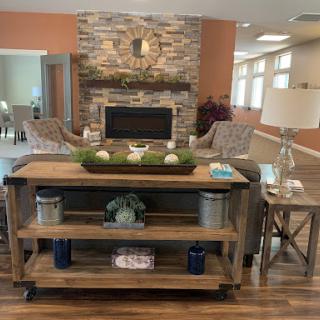
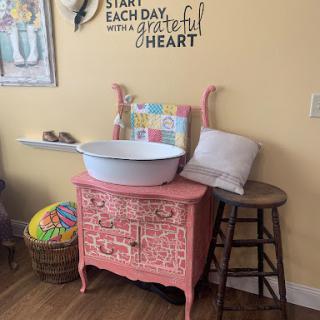
- The facility feels like family from day one and is beautiful and homey.
Cons
 It took them a while to provide a bed that was suitable, and residents had to supply all furniture, bedding, towels, and washcloths.
- The resident's needs make the other residents feel uncomfortable.
- The resident's daughter is pushing for a normal life and expects things that are not going to happen.
- The staff are frustrated.
- Today’s noontime meal was horrible, with undercooked potato salad, dry roasted potatoes without gravy, dry meat with minimal gravy, and little to no vegetables.
- They are very judgmental toward future employees and refused the reviewer.
Review
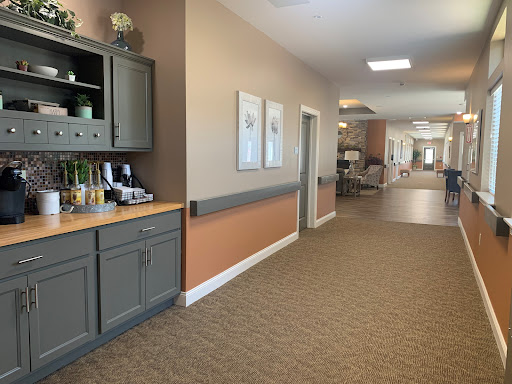
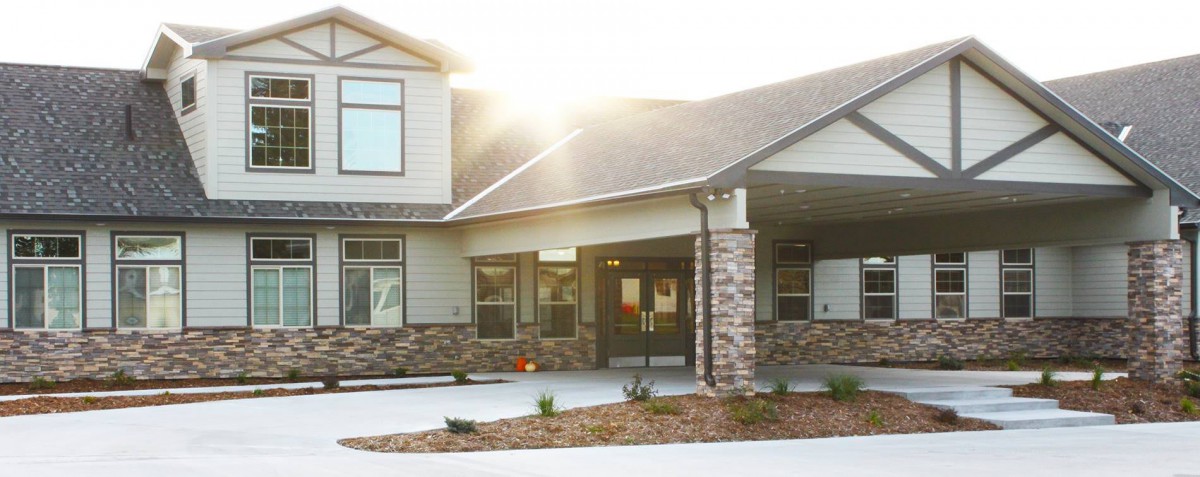
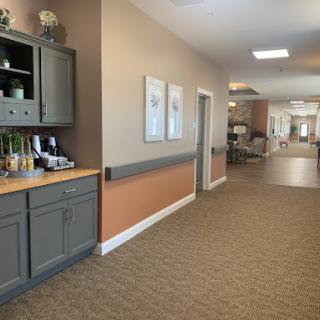
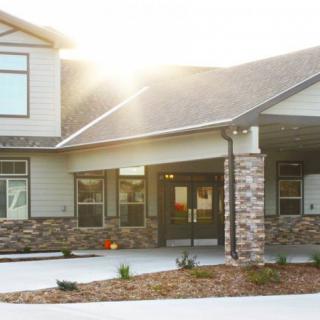
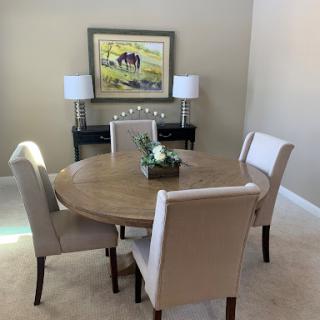
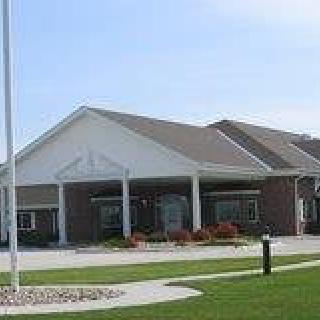
Country Lane Retirement Village in O’Neill, NE is best suited for seniors who want a warm, home-like setting with accessible memory care and cottage-style living, where independence is respected and caring staff are consistently engaged. It works especially well for residents who value daily structure without surrendering personal freedom, cottage accommodations provide that sense of ownership, while nearby dining options and a supportive memory care unit keep needs within easy reach. The facility’s newer, bright footprint reinforces a practical, contemporary atmosphere, and families repeatedly note that the memory care team delivers attentive, up-to-date communication and genuinely compassionate care. For families seeking a community that feels more like a connected neighborhood than an institution, this site often delivers the right mix.
Those who may want to consider alternatives include families prioritizing turnkey, move-in-ready furnishings and a fully standardized nursing-home experience. Country Lane asks memory care residents to bring their own furniture, bedding, towels, and washcloths, and bed frames should have no casters, which can impose a significant setup burden. For households that prefer minimal setup work or a vendor-neutral transition, other communities that provide furnished rooms and more rigid, centralized provisioning may be preferable. Additionally, while the staff are praised for care, there are notes about uneven dining experiences and some questions about staff professionalism in social dynamics, issues that could signal the need for a more tightly controlled environment or a different cultural fit.
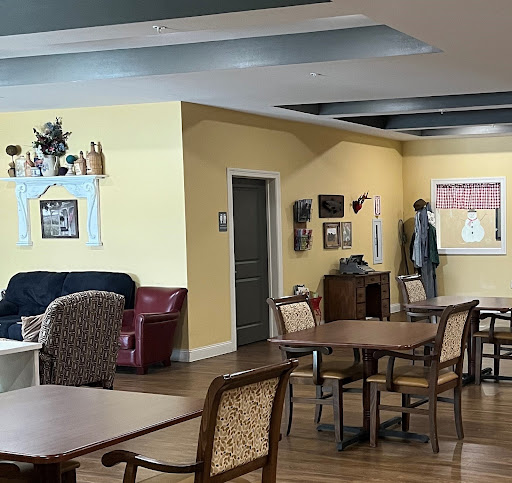
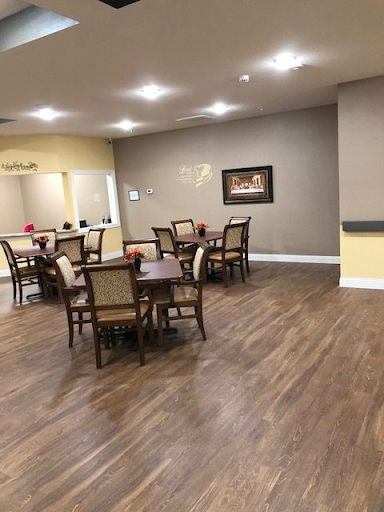
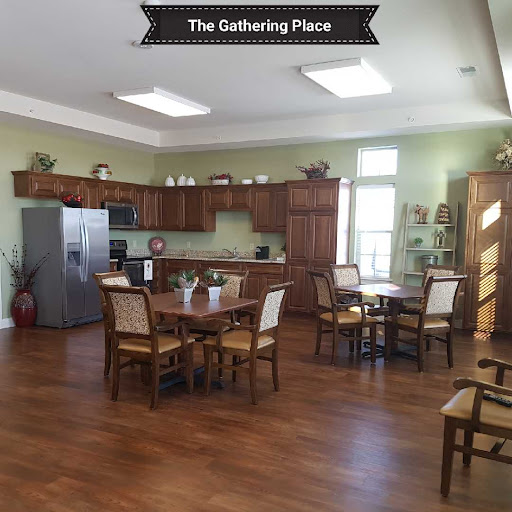
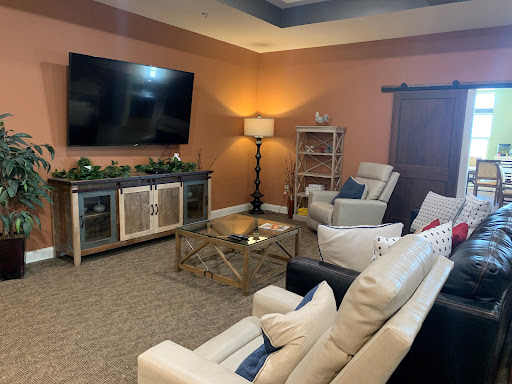
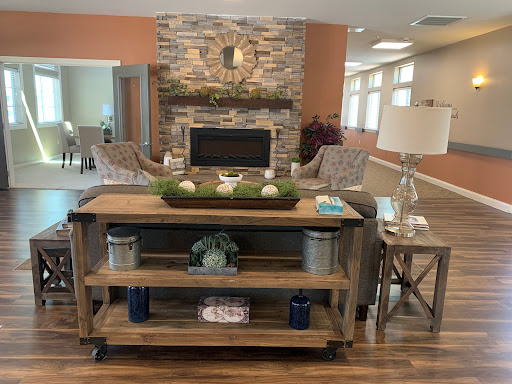
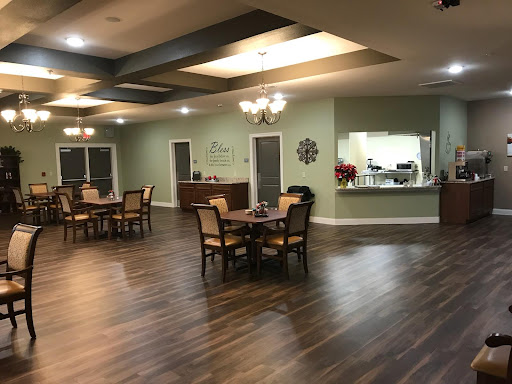
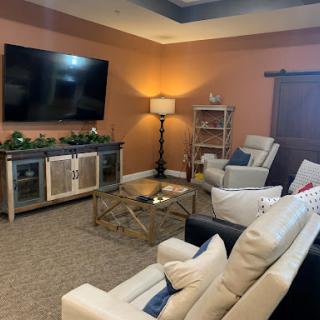
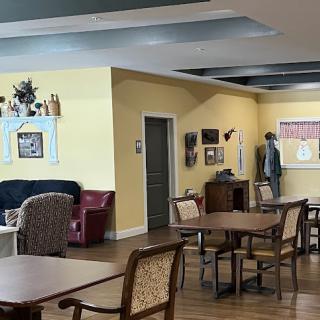
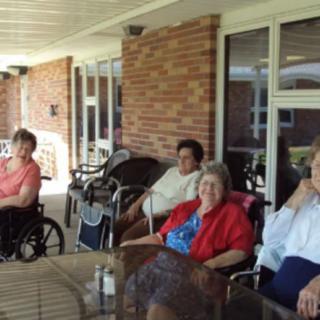
The most compelling pros are hard to overlook: consistently attentive memory care, transparent and proactive communication with families, and a genuinely welcoming staff culture. Families report that caregivers in the memory unit attend to daily needs with patience and competence, and that caregivers keep relatives informed about changes in condition or needs. The cottages add a practical, empowering layer, residents claim a high degree of autonomy while still having rapid access to assistance when necessary. The setting feels modern and homey, with large common spaces and inclusive social activities like bingo that are accessible to the public, broadening social engagement without sacrificing a sense of community. In short, the combination of personalized memory care and independent living options creates a resilient balance between safety and freedom.
There is a recurring caveat about dining and a few social dynamics that deserve attention. On some days, meals in memory care have fallen short of expectations, with issues like uneven preparation or limited vegetables noted by reviewers. While these lapses are not universal, they underscore the importance of confirming dining standards and requesting accommodations for dietary needs upfront. Equally important is recognizing that a resident with significant feeding or communication challenges can unsettle other residents; the need for administrative guidance in balancing individual care with community harmony is clear. The strongest mitigation here is a staff culture that remains engaged, collaborative with families, and willing to adjust plans when conflicts or misunderstandings arise.
From a decision-making perspective, the smart checklists are straightforward: assess whether cottage living aligns with the desired pace and independence, verify how meals are handled across units, and probe the memory-care team’s approach to complex needs and family involvement. Tour the cottages and main building to observe how movement, meals, and social activities flow in daily life. Ask specifically about how staff handle feeding assistance, how administrators involve families in care decisions, and what contingency plans exist if a resident’s needs intensify. The best-fit families will prioritize a community where care feels personal, where staff go beyond routine duties to make residents feel at home, and where the environment balances affection with practical oversight.
Ultimately, Country Lane Retirement Village presents a solid, practical option for memory-care appropriate seniors who value independence within a supportive, sociable environment. It is especially well-suited for those who want a fresh, modern setting and a community-centric feel, where staff responsiveness and a home-like atmosphere are the norm. For families seeking a more turnkey, fully furnished living arrangement or for residents requiring intensive medical oversight beyond what memory care provides, alternatives should be explored. When aligned with these preferences, Country Lane can deliver a dependable, compassionate living experience that feels like family while preserving meaningful autonomy.
 Assisted Living
 Independent Living
 Memory Care
 Dogs allowed
 Activities on-site
 Air-conditioning
 Beautician on-site
 Cable or satellite TV
 Devotional services off-site
 Ground floor units
 Handicap accessible
 Indoor common areas
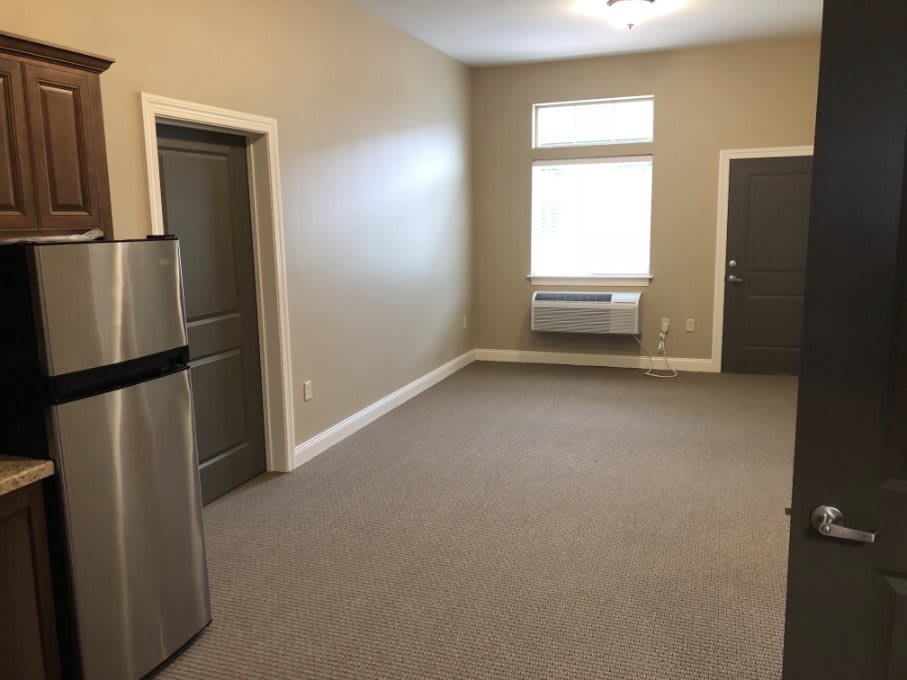
 Kitchenette
 Outdoor common areas
 Wheelchair accessible showers
 Wi-Fi/high-speed internet available
 Ambulatory care
 Diabetic care
 Incontinence care
 Medication management
 Gluten-free
 Art classes
 Cooking classes
 Educational speakers / life long learning
 Gardening club
 Live musical performances
 Live well programs
 Trivia games
 Visiting chaplain or priest


 Choosing the Right Senior Care: A Detailed Exploration of Assisted Living and Nursing Homes
 Safeguarding Your Memory Through the Golden Years: Eight Ways to Preserve Cognitive Health
 Comprehensive Insights into Activities of Daily Living (ADLs) and Their Assessment