
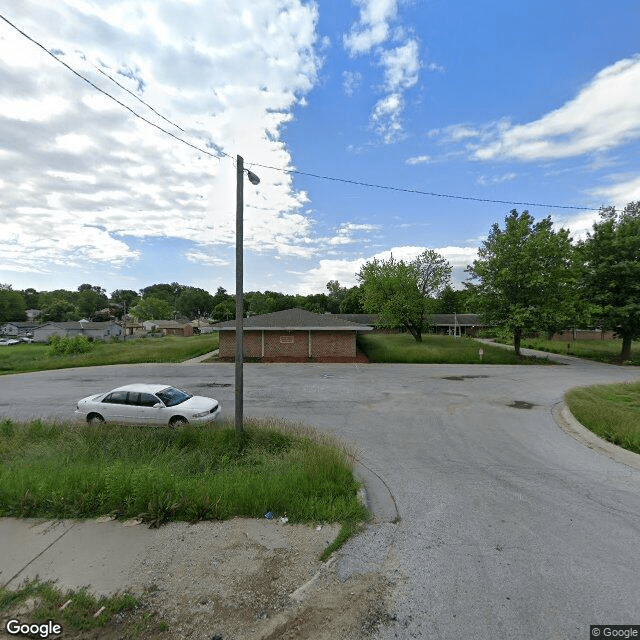
4809 Redman Avenue, Omaha, NE 68104
For more information about senior living options: (866) 208-4318
Sorensen Care And Rehabilitation Center Costs & Pricing
Sorensen Care and Rehabilitation Center offers competitive pricing compared to both Douglas County and the broader state of Nebraska. For instance, a studio room at Sorensen is priced at $2,340 per month, significantly lower than the county average of $3,611 and the state average of $3,728. Similarly, the cost for a semi-private room stands at $3,200 - again more affordable than Douglas County's rate of $4,520 and Nebraska's average of $4,123. Private accommodations at Sorensen are priced at $3,600 per month, which is still below the county's $4,184 and the state's higher figure of $4,615. This favorable pricing structure underscores Sorensen's commitment to providing quality care while remaining accessible to its residents within an increasingly competitive market.
| Floor plans | Sorensen Care And Rehabilitation Center | Douglas County | Nebraska |
|---|---|---|---|
| Studio | $2,340 | $3,611 | $3,728 |
| Semi-Private | $3,200 | $4,520 | $4,123 |
| Private | $3,600 | $4,184 | $4,615 |
Skilled Nursing Facilities with a similar price nearby
-
from +$460 / mo

St Joseph Villa
$2,800 / month5.8 miles away
Overall Review of Sorensen Care And Rehabilitation Center
Pros
 The staff are caring and passionate about the elderly.
- The team works with families to ensure stellar care for loved ones.
- Caregivers treat residents the way they would want their own family treated.
- The facility is described as wonderful, with staff who go above and beyond to meet residents' needs.
- Monthly outings and a variety of entertainment are provided to engage residents.
- The nursing staff demonstrates high standards and notable achievements in nursing skills.
Cons
 The resident was left sleeping upright in her chair all night, unable to recline due to a shelf behind it.
 - No one pulled out the chair to make her comfortable for the night.
- The resident's room and body had an extremely strong urine smell.
- Her hair was oily and had not been washed for at least a week, and when washed it remained greasy.
- The washcloth given to her was used as if her face had not been wiped for a while.
- No breakfast tray was brought in for the resident.
- Dirty cups and silverware were left in the room, and the bathroom smelled awful.
- Basic needs were not met, making the home not worth recommending.
- There were bugs in the facility.
Review
Sorensen Care and Rehabilitation Center in Omaha is best suited for residents who respond well to a homey, caregiver-driven environment and for families willing to partner closely with staff to shape daily care. The community appears to attract long-tenured, loyal employees who treat residents like family and who place a premium on relationship-building. For families seeking ongoing engagement, the facility offers regular outings and a built-in social calendar designed to counteract isolation. This is not a sterile, impersonal setting; it operates as a small, closely watched community where personal connections matter and persistent staff involvement can translate into attentive, individualized attention.
That strength should be weighed against several clear caveats. Prospective families should explicitly consider alternatives if cleanliness, consistent basic care, and predictable daily routines are non-negotiable. Review anecdotes point to troubling gaps: residents left uncomfortable in chairs overnight, strong odors, unwashed or poorly cleaned hair, dirty dishes and cups, and bathrooms that smell, signs of inconsistent housekeeping and responsive caregiving. Such issues strike at dignity and can undermine trust in daily care. When basic needs and hygiene routinely go unmet, even the most dedicated staff and engaging activities cannot fully compensate.
On the positive side, the strongest argument for Sorensen rests with the staff culture. Several reviews emphasize staff loyalty, depth of experience, and a willingness to go above and beyond to meet residents’ needs. The presence of a nursing leader with deep clinical ties, supported by a cadre of seasoned caregivers, helps create a sense of continuity and reliability. The facility’s programming, including outings and varied entertainment, also mitigates the sense of confinement that can accompany a stay, contributing to a more active, engaged daily life for many residents. For families seeking a place where staff know the residents well and take ownership of their well-being, Sorensen offers meaningful advantages.
The most serious drawbacks center on basic operations and hygiene. When housekeeping lapses occur, supplemented by odors, smells in the bathroom, and a lack of timely breakfast service or properly prepared meals, the core promise of care quality is called into question. Reports of chairs left upright all night, dirty dishware, and hair that remains unwashed point to systemic gaps in daily routines and accountability. The mention of bugs, even if isolated or anecdotal, raises legitimate concerns about pest control and overall facility upkeep. In short, reputational strengths are undermined if housekeeping, cleanliness, and prompt attention to residents’ daily needs remain inconsistent.
The way forward hinges on how well the facility can address these operational risks. The strong point, committed, long-tenured staff and a lively social program, can be a decisive offset if paired with rigorous improvements: enhanced housekeeping schedules, consistent bathing and grooming routines, reliable meal delivery and service, and transparent pest-control practices. Families evaluating Sorensen should request a detailed tour focused on mornings and mealtimes, review recent inspection reports, and ask for concrete staffing ratios by shift. Directly inquire about care plans, response times to call bells, and how residents’ preferences are recorded and honored. A clear plan for corrective action turns potential into practical safety.
In the end, Sorensen Care and Rehabilitation Center offers a compelling framework for families who prize genuine caregiver investment and a socially active environment, provided that the current quality gaps are recognized and actively remedied. It is a viable option for residents who can tolerate occasional inconsistencies and who will benefit from a strong, people-first culture. For others, especially those whose top criteria include flawless cleanliness, unwavering reliability in basic needs, and airtight infection-control practices, alternatives should be seriously considered. The decision should rest on a rigorous, first-hand evaluation of daily routines, housekeeping discipline, and the facility’s demonstrated commitment to turning around the cited deficiencies.
 74 resident community capacity
 Assisted Living
 Skilled Nursing Facility
 Activities on-site
 Air-conditioning
 Beauty salon
 Cable or satellite TV
 Computer center
 Devotional services off-site
 Dining room
 Fitness room
 Fully furnished
 Gaming room
 Garden
 Housekeeping services
 Indoor common areas
 Kitchenette
 Move-in coordination
 Outdoor space
 Private
 Private bathrooms
 Restaurant-style dining
 Small library
 Telephone
 Wellness center
 Wi-Fi/high-speed internet available
 Eppley Airfield (5 miles away)
 Community operated transportation
 12-16 hour nursing
 24-hour call system
 Ambulatory care
 Assistance with bathing
 Assistance with dressing
 Assistance with transfers
 Diabetes diet
 Diabetic care
 Medication management
 Mental wellness program
 Special dietary restrictions
 Concierge services
 Planned day trips


 Understanding the Distinctions: Assisted Living and Memory Care Explained
 Guiding Elderly Parents Who Refuse Assisted Living: 6 Practical Steps
 Your Comprehensive Guide to Luxury Assisted Living: Elevated Facilities, Amenities, and Costs