
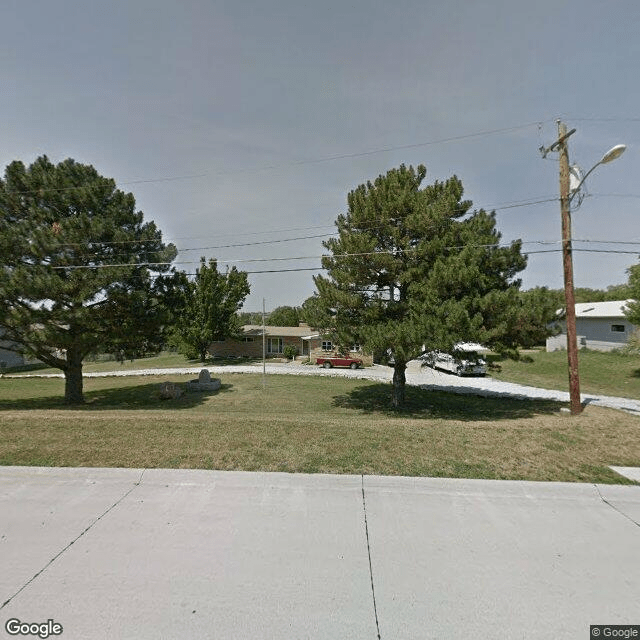
200 W Benton St, Lincoln, NE 68521
To contact a resident: (402) 475-2344
For more information about senior living options: (866) 208-4318
Shady Rest Home-Elderly Costs & Pricing
Shady Rest Home-Elderly offers private rooms at a monthly cost of $5,750. When we compare this to the average costs in Lancaster County, which stand at around $5,238, it is evident that Shady Rest Home's pricing is slightly above the county average. Additionally, when examining the state-level figures for Nebraska, the costs drop further to approximately $4,615 per month for similar accommodations. This pricing structure suggests that while Shady Rest Home-Elderly may provide exceptional services or amenities justifying its higher fee, prospective residents should weigh these factors alongside comparable options in both Lancaster County and across Nebraska.
| Floor plans | Shady Rest Home-Elderly | Lancaster County | Nebraska |
|---|---|---|---|
| Private | $5,750 | $5,238 | $4,615 |
Senior living communities with a similar price nearby
-
from +$1000 / mo
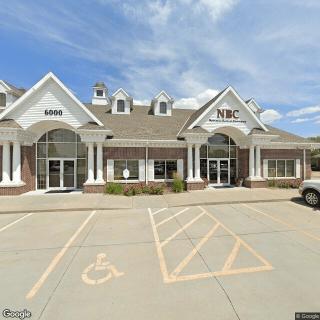
Home Care Assistance Lincoln
$6,750 / month7.5 miles away -
from +$245 / mo
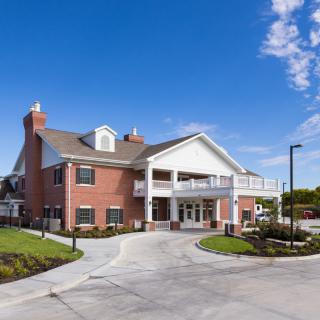
CountryHouse at 70th and O - Lincoln 3
$5,995 to $8,295 / month4.9 miles away -
from +$245 / mo

CountryHouse on Old Cheney - Lincoln 1
$5,995 to $7,995 / month6.9 miles away -
from +$245 / mo

CountryHouse at Pine Lake - Lincoln 2
$5,995 to $7,995 / month9.5 miles away -
About the same
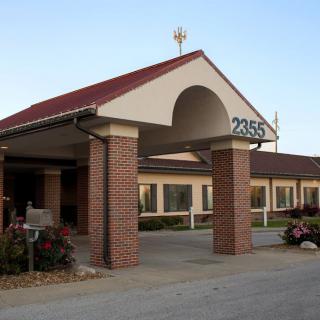
Independence Houses of Northview
$5,670 / month1.9 miles away
Overall Review of Shady Rest Home-Elderly
Pros
 Heath provided excellent guidance in placing their mother into an extended care facility.
- Senior Care Finder proved to be the right choice among many advisors.
- Heath's knowledgeable advice and options saved the day.
- The service led to finding the perfect home for their mother.
- They felt forever grateful and indebted for the sound help and patient advice.
- Heath worked alongside them, advocating for their needs and wants as if it were his own family.
Cons
 None detected; the review is entirely positive about Heath and Senior Care Finder.
Review
Shady Rest Home-Elderly in Lincoln is best suited for families facing a changing care trajectory who want a disciplined, advocate-driven approach to placing a loved one in extended care. The standout value here is not the facility’s bells and whistles but the guidance and navigation provided by a seasoned placement advisor. When a loved one’s condition shifts or becomes more complex, this community rewards families who lean on expert help to interpret eligibility, compare options, and shepherd the process with a steady hand.
Those who should consider alternatives are the families who prefer to manage every step themselves, without intermediaries, or who want to directly vet facilities in a hands-on, do-it-yourself fashion. People who already possess a crystal-clear sense of the exact facility they want to enter, and are confident in their ability to wade through stipulations without outside advocacy, may find the brokerage model unnecessary. For Lincoln families who want to minimize middlemen and maximize direct facility contact, a more self-directed search could be a better fit.
The primary pro highlighted in the experience is powerful, practical guidance. Heath’s advice and the help from Senior Care Finder delivered clarity in a landscape crowded with complex regulations and ever-shifting requirements. The reviewer describes the process as a “short circuit” to the right home, a testament to how expert analysis shortens the often overwhelming search and admission phase. The advisor’s work felt deeply collaborative, with the sense that the advocate was fighting for the family’s needs as if his own, an essential reassurance when the stakes involve long-term care placements.
There is little in the review about negatives related to Shady Rest itself, but the implied main con in any placement scenario is the steep learning curve surrounding health-care stipulations and eligibility rules. Relying on a third-party placement expert can introduce concerns about cost, timing, and the need to stay actively involved to ensure the fit remains true as conditions evolve. The absence of direct facility-specific drawbacks in the narrative does not erase these practical considerations; they are the responsible family’s realities when a comprehensive placement strategy relies on an advisor.
The way the advantages offset those potential downsides is clear: expert navigation reduces risk, accelerates the decision process, and aligns care with both medical needs and family preferences. When a loved one’s condition changes, knowing there is a trusted advocate who can interpret policy language, compare suitable facilities, and articulate what “good fit” looks like makes the difference between paralysis and progress. The result is not mere placement but a confident, personalized match that minimizes regrets and post-admission second-guessing.
For families weighing Shady Rest against Lincoln-area options, the practical takeaway is to engage early with a trusted placement professional, especially when care needs are fluid. Seek clarity on what the advisor will handle versus what families must verify directly with the facility. Ask about how the program evaluates each option’s capacity to meet medical needs, daily living requirements, and long-term stability. And, when a recommendation points toward a particular home, push for concrete milestones: exact care level, staffing patterns, and what indicators will trigger a reassessment. In this context, Shady Rest earns credibility not for a flawless facility profile but for the strength of the decision framework that guides families to the right extended-care home.
 Board and Care Home
 Lincoln Municipal (2 miles away)



 Understanding Hospice Care at Home: Comprehensive Services, Key Benefits, and Eligibility
 Understanding the Full Cost of 24/7 In-Home Care: A Detailed Overview
 Exploring the World of Home Health Nurses: Qualifications, Roles, and Hiring Tips