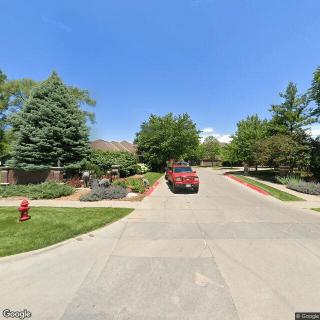
6600 Juliet Court, Lincoln, NE 68521
For more information about senior living options: (866) 208-4318
Overall Review of Fallbrook
Pros
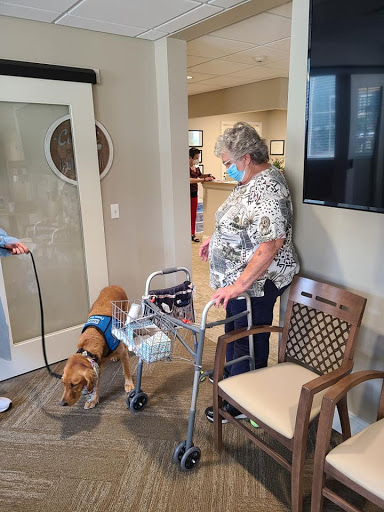
 The Fallbrook staff are professional, attentive, and caring, and families feel heard and supported.
- Patrick is described as a great caregiver by the family.
- The staff provided expert and tender care during the mother’s final days.
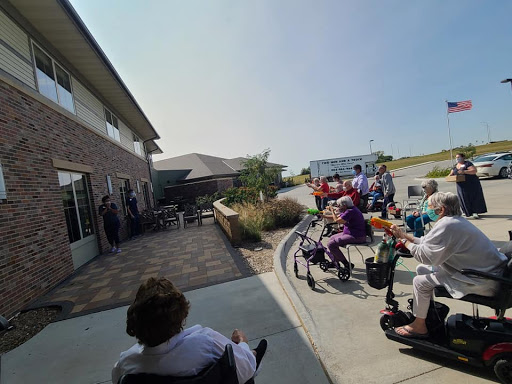
- There are warm interactions between residents and staff, such as at the family Christmas meal.
- The holiday meals hosted by Fallbrook feature great food and friendly staff.
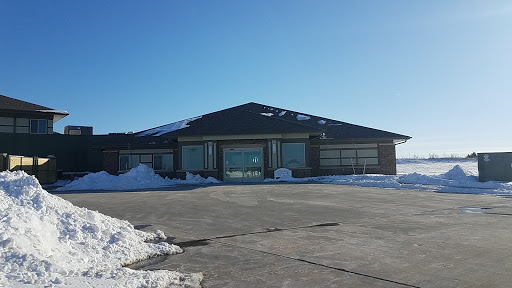
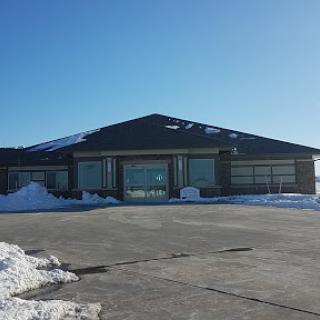
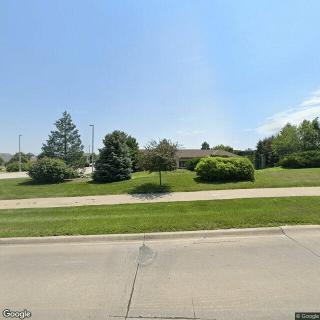
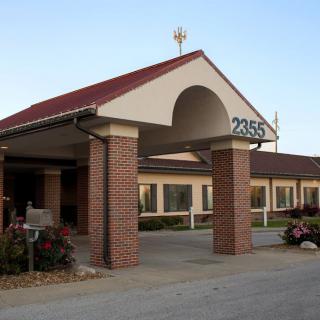
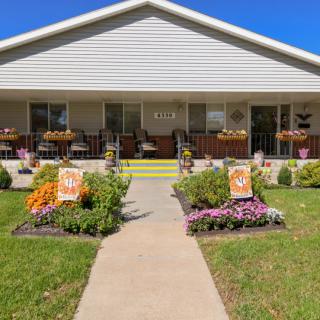
- The facility is nice, clean, and well-maintained, with friendly staff.
- The staff know the residents by name and are helpful.
- The staff are knowledgeable about dementia and know how to talk to and assist residents.
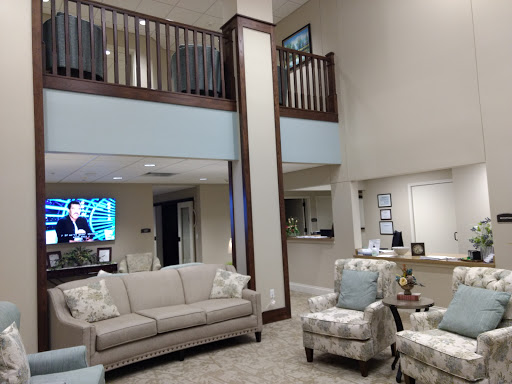
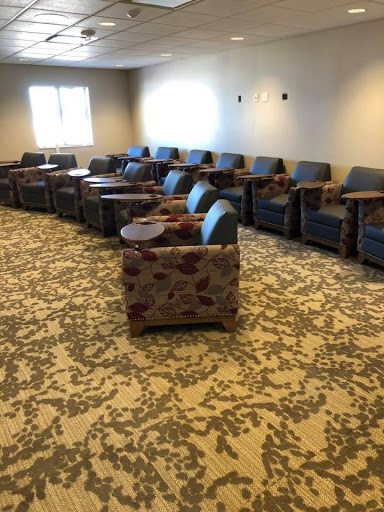
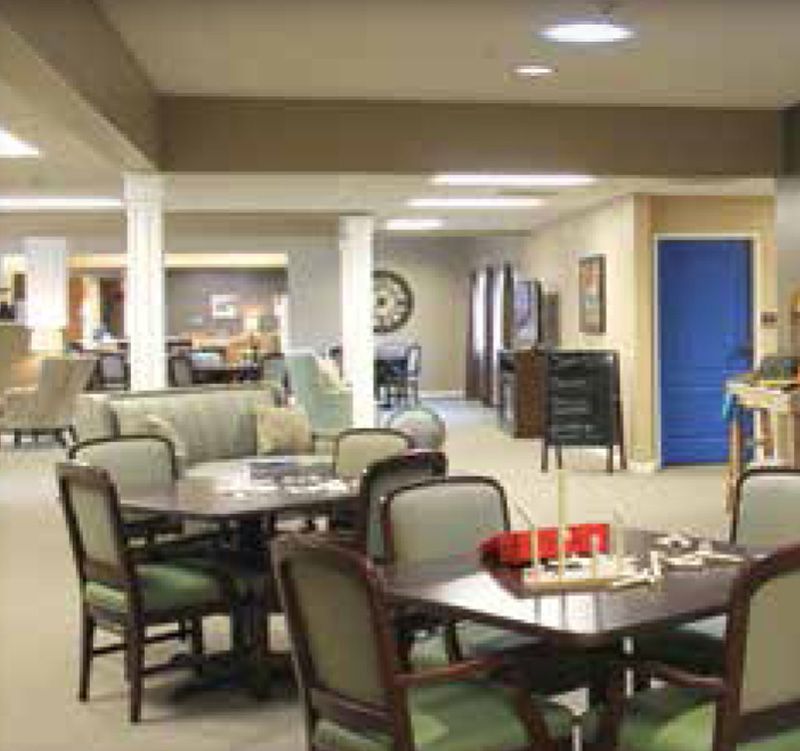
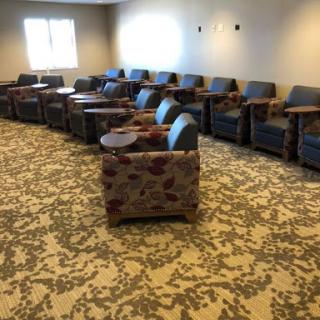
- The common areas are magnificent, including a large kitchen where residents can bake.
Cons
 The reviewer described the management and staff as very unprofessional, with the on-call nurse not performing her duties, and called the environment unfair.
 - The reviewer labeled the place absolutely terrible, noting cliques, a money-focused culture, and its remote location, and advised not to waste money there.
- The reviewer regretted choosing Fallbrook due to constant staff turnover, lack of incentives for retention, and inadequate licensed nursing staff, with a resident not being assessed after a fall for days.
- The reviewer criticized the in-house training as laughable, with many caregivers not certified CNAs and care delivered in a rushed, haphazard manner.
- The reviewer found the food mediocre at best, despite fancy menu names trying to sound appealing.
Review
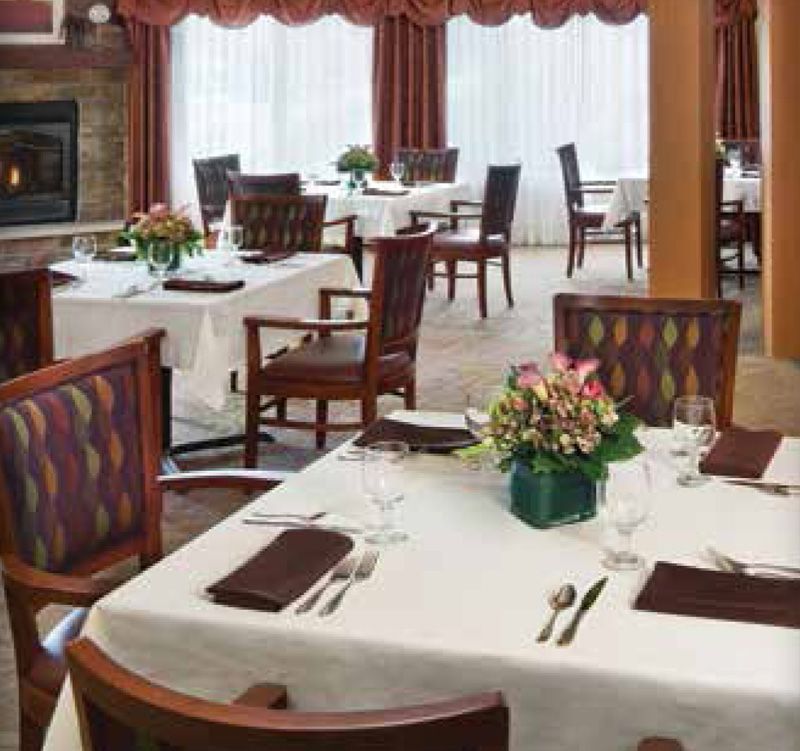
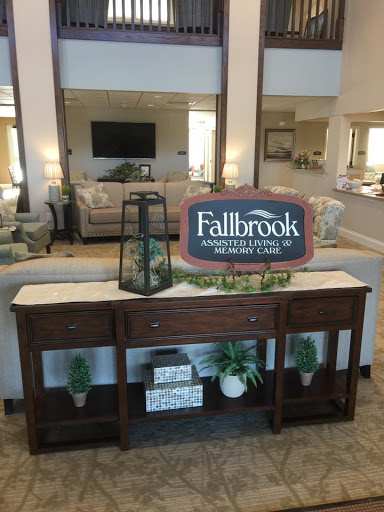
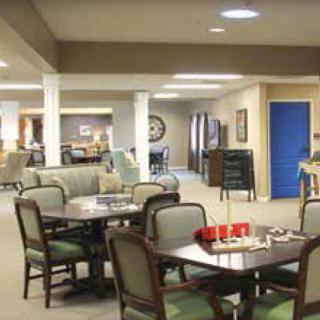
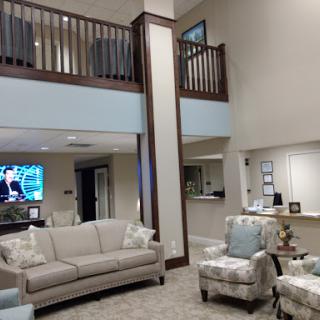
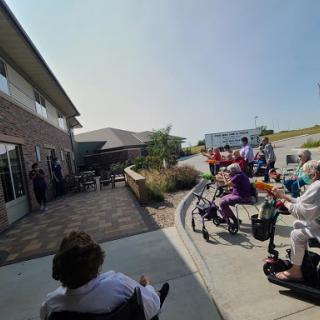
Fallbrook Assisted Living and Memory Care in Lincoln is best suited for families seeking dementia-capable, high-touch care delivered in a polished, social setting. The community’s strength rests on staff relationships and the way caregivers treat residents as individuals rather than tasks. Families repeatedly praise attentive, compassionate care, and the memory-care team is consistently recognized for understanding dementia and guiding residents with patience and practical communication. End-of-life moments are handled with tenderness, leaving families feeling supported and connected. The campus feels bright and well-maintained, with expansive common areas, inviting dining rooms, and a calendar that emphasizes engagement through cooking demonstrations, baking, socializing, and reminiscence. When these elements align with a loved one’s needs, Fallbrook becomes a trusted home.
Alternatives should be considered for families prioritizing consistent nursing oversight, stable leadership, or a stronger emphasis on formal therapy services. Several reviews flag ongoing turnover at both administrative and frontline levels, with some accounts describing unprofessional management and overwhelmed caregivers. Delays in licensed-nurse assessments after falls and reports of overextended staff raise concerns for residents with higher medical needs or those who require rapid medical response. For families seeking robust on-site therapy programs or lower costs, other Lincoln communities may offer more predictable nursing coverage or more favorable pricing. Those preferring a quieter, more rural-feeling setting may also find options that better match visitation and travel realities.
The strongest positives, dementia-informed care, staff who treat residents with dignity, and a social, well-kept environment, often offset the cautions. When staff continuity is adequate and leadership remains responsive, the sense of safety, belonging, and personal attention can far outweigh concerns about room size or occasional scheduling hiccups. The memory-care staff’s depth of knowledge translates into meaningful interactions and proactive strategies during challenging moments, which family members report as a meaningful difference. The campus design supports engagement: bright color-coded doors, a large central kitchen, and dining spaces that feel special. For families who prize relational care and live-in memory support, Fallbrook’s strengths resonate deeply.
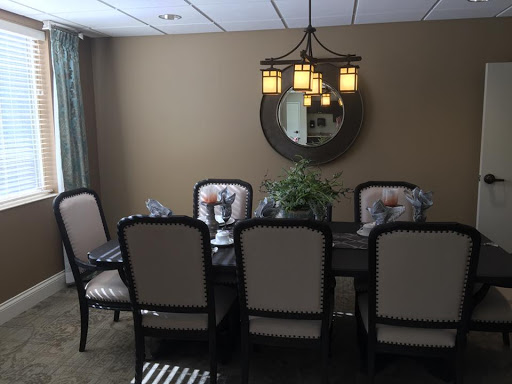
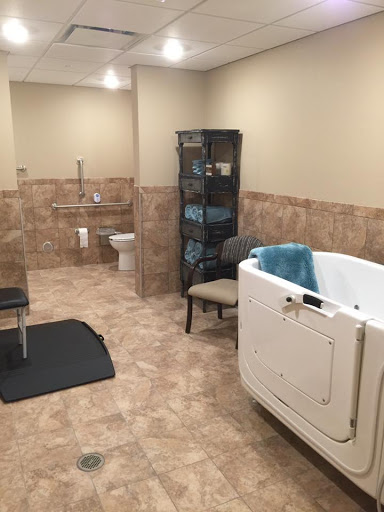
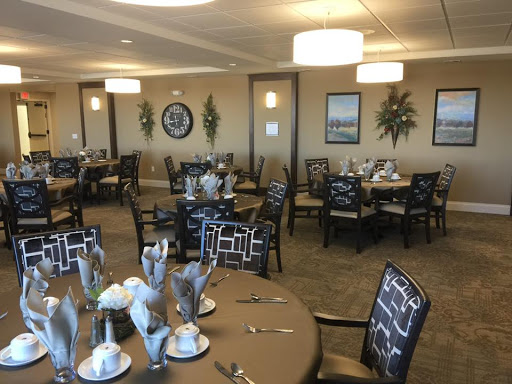
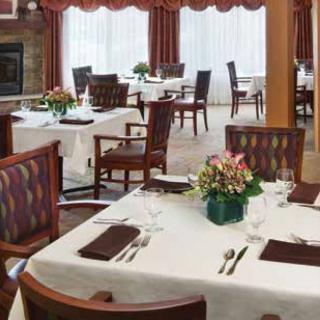
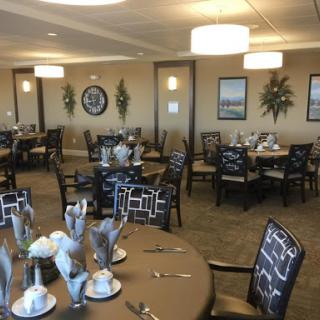
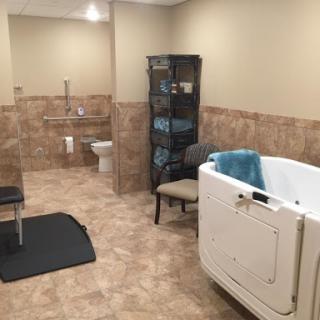
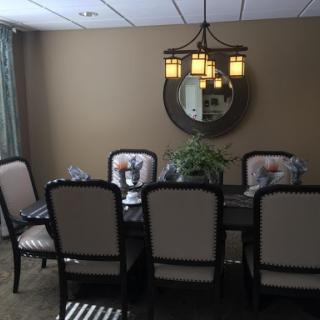
Room configurations and daily life considerations matter in choosing Fallbrook. Not every unit is oversized, and some rooms may lack in-room showers, affecting independence and safety planning. Yet the facility’s design, colorful doors, long hallways with familiar stations, and spaces that invite residents to move, explore, and reminisce, helps orientation and mood. The dining experience stands out, with table service and a sense of occasion that supports social interaction and dignity. The memory-care team’s dementia expertise shines in practical day-to-day care, and staff consistently remember residents by name and seek to involve them in activities that reflect personal histories and interests. These elements combine to create a living environment that feels respectful, energetic, and purposeful.
Cost, value, and visit practicality must be weighed carefully. Reviews acknowledge Fallbrook’s beauty, cleanliness, and the breadth of programming, along with responsive front-line staff. At the same time, several voices flag price as a concern and question long-term affordability. Location relative to family and friends is a nuanced factor: some view the campus as conveniently close and familiar, while others describe it as more remote or self-contained, influencing ease of regular visits. Prospective residents should confirm that current therapy, rehabilitation services, and nursing coverage align with medical needs, and verify staffing levels against resident acuity. A thorough tour should include candid discussions about nurse-to-resident ratios, care plans, and how often licensed nurses are available on site.
Bottom line: Fallbrook represents a compelling, well-rounded option for families prioritizing dementia-focused, relationship-driven care in a bright, meticulously maintained setting. Its most persuasive strengths, experienced, personable staff; a dignified, engaging daily rhythm; and thoughtful, home-like amenities, deliver meaningful value for residents who thrive on connection and purposeful activity. For those whose priorities center on unwavering, rapid nursing oversight, robust therapy offerings, or cost containment, alternatives deserve serious consideration. The prudent move is a structured visit: observe how staff interact with residents, meet the memory-care leadership, review current care plans and nurse availability, and compare therapy offerings and pricing. When these factors align with the loved one’s needs and the family’s expectations, Fallbrook often proves to be the right balance of care excellence and quality of life.
 22 resident community capacity
 1-bedroom apartments
 Assisted Living
 Memory Care
 Respite Care
 Beauty salon
 Cable or satellite TV
 Dining room
 Fully furnished
 Garden
 Housekeeping services
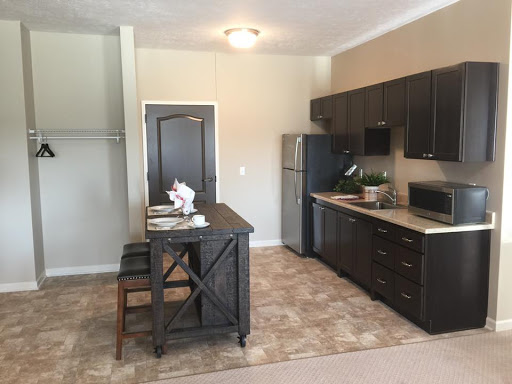
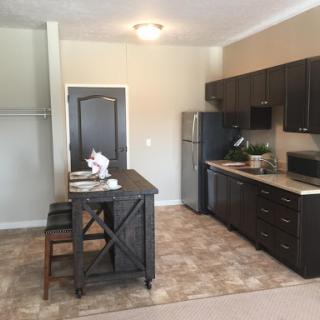
 Kitchenette
 Move-in coordination
 Outdoor space
 Restaurant-style dining
 Small library
 Telephone
 Wi-Fi/high-speed internet available
 Lincoln Municipal (2 miles away)
 Transportation arrangement (non-medical)
 12-16 hour nursing
 24-hour call system
 Activities of daily living assistance
 Assistance with bathing
 Assistance with dressing
 Assistance with transfers
 Diabetes diet
 Medication management
 Mental wellness program
 Special dietary restrictions


 Understanding the Distinctions: Assisted Living and Memory Care Explained
 How to Communicate with a Loved One Living with Dementia: 10 Supportive Strategies
 Comprehensive Guide to VA Nursing Homes: A Crucial Long-Term Care Resource for Veterans