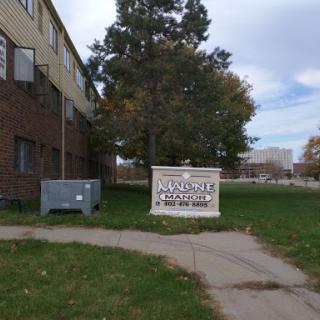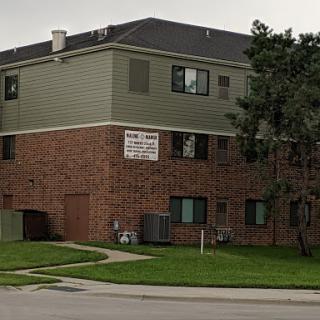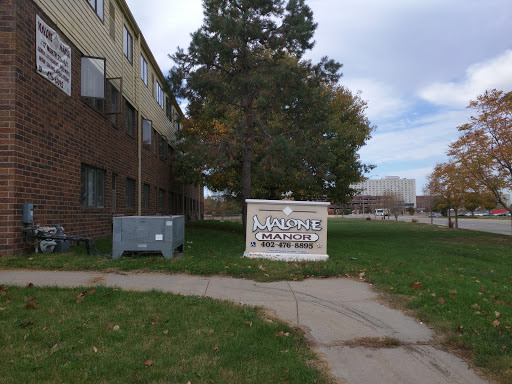
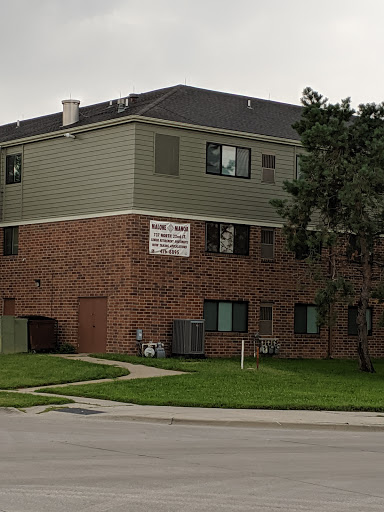
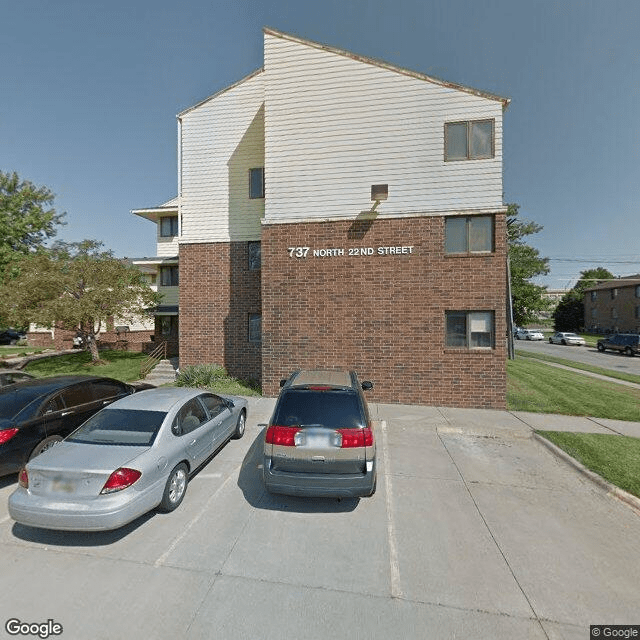
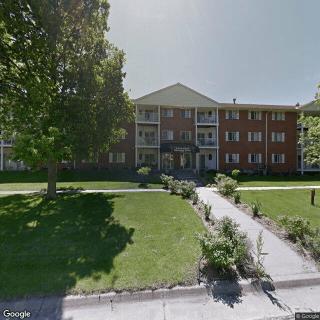
737 N 22nd St, Lincoln, NE 68503
To contact a resident: (402) 476-8895
For more information about senior living options: (866) 208-4318
Malone Manor Costs & Pricing
Malone Manor offers an affordable housing option, with a monthly cost of just $721 for a one-bedroom unit, significantly lower than both Lancaster County and the broader Nebraska state average. In contrast, the average cost for similar accommodations in Lancaster County is approximately $3,876, while statewide figures reflect costs around $3,167. This substantial difference underscores Malone Manor's commitment to providing budget-friendly living without compromising on quality, making it an attractive choice for individuals seeking economical housing options within the area.
| Floor plans | Malone Manor | Lancaster County | Nebraska |
|---|---|---|---|
| 1 Bedroom | $721 | $3,876 | $3,167 |
Overall Review of Malone Manor
Pros
 The community is described as a great place to live with awesome tenants and friendly residents.
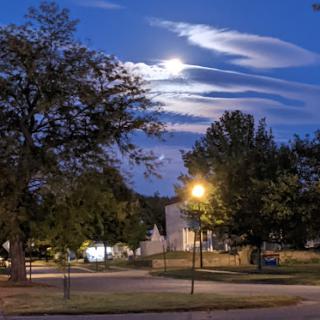
- The interior is always clean, and the park-like setting is close to downtown.
- The facility is pet-friendly, allowing small pets.
- The tours are described as nice, with kind and welcoming staff.
- The office staff are incredibly helpful and prompt, making transitions smooth.
- The building is affordable and conveniently located near transportation and shopping.
Cons
 There is no maintenance person or manager that stays.
- Door locks need fixing.
- Flooring is splitting.
- The facility lacks a manager and maintenance staff.
- The apartments look deteriorated with minimal maintenance.
- There is a strong smell inside, and there are no hard floors suitable for wheelchairs.
- The elevator has been out for weeks and may be closed, leaving some residents stranded.
- The kitchen hasn't been cleaned well after the last resident moved out.
- Weekend transportation is not available for residents.
- The housing application process doesn't give applicants a chance to explain before a rejection.
Review
Malone Manor in Lincoln, NE is best suited for seniors seeking an affordable, sociable retirement setting with a park-like feel and easy access to downtown and shopping. The community tends to appeal to those who value pet‑friendly policies and a warm, neighborly atmosphere where neighbors and staff feel approachable. It serves well for individuals who want manageable costs and a place that supports regular social interaction, outings, and a quiet, residential vibe. However, it is not the right fit for someone who requires flawless upkeep, predictable maintenance responsiveness, or consistent on-site leadership. Those who count on reliable elevator service, guaranteed housekeeping standards, or a stable, long‑term management presence should frankly consider alternatives.
What Malone Manor does well is tangible: units and common areas are described as clean, with a generally welcoming interior, and residents often speak highly of the people who live there. The park setting and proximity to downtown add to a sense of convenience and livability, and the building’s pet-friendly stance gives families a practical, everyday benefit for households with companions. Office staff are frequently praised for being helpful, responsive, and easy to communicate with, which translates into smoother transitions when moving in or adjusting to a new routine. In sum, the culture here leans toward warmth and social ease, with several residents and families echoing satisfaction on the basics, location, atmosphere, and affordability.
Yet the positives exist alongside persistent and wide-reaching drawbacks. A recurring theme is maintenance and management instability: there is a notable lack of ongoing maintenance staff and a turnover of on-site managers, which translates into slow or incomplete repairs, locks, pavement, and other infrastructure often fall short of expectations. Apartments show signs of deterioration and minimal upkeep, with odors and older laundry facilities highlighting a mismatch between desire for dignity and the reality of the physical plant. The absence of hard flooring suitable for wheelchair users compounds accessibility concerns, and the absence of reliable weekend transportation further fragments residents’ independence. Elevators becoming inoperable for weeks, with rumors of possible closure, place a heavy burden on those who depend on vertical mobility.
The treatment of safety and accessibility compounds the tension. An elevator out of service for extended periods can strand residents on upper floors, and rumors about closure only amplify anxiety about who can still access essential spaces. Hallways and public areas sometimes smell, and complaints about cleanliness persist beyond move-in days. Some residents report friction and a perception that rules and enforcement have become a point of contention rather than a framework for care, with a minority recounting uncomfortable interactions that cast a shadow over overall well-being. These factors collectively temper otherwise favorable impressions of the staff and community vibe.
Move-in experiences and tours illustrate a mixed reality. Tours can be positive, agents are courteous, informative, and able to answer questions, with a favorable impression of the building’s look and the nearby amenities. Transitions from prior housing can be smooth when staff help with logistics, yet there are concrete, less glamorous realities: in some cases, new residents arrive to kitchens and spaces that require substantial cleaning, and expectations about remodeling or finishing touches do not always materialize. A few anecdotes also highlight selective processes for housing and sometimes a perception that decisions are not fully explained or fully fair, underscoring the need for prospective residents to perform due diligence and ask for explicit criteria and timelines.
If Malone Manor remains on the short list, a careful, investigative approach is essential. Prospective residents should obtain a current elevator status and maintenance response timeline, verify the stability of on-site leadership, and request a concrete plan for any overdue remodeling or preventive work. It is wise to tour at different times, inquire about weekend transportation options, test accessibility on various floors, and speak directly with several residents about daily routines and safety. Clarify kitchen and laundry maintenance expectations prior to move-in and insist on a transparent screening or housing decision process. Above all, demand a written schedule for improvements and a commitment to consistent, documented communication from the management team.
Bottom line: Malone Manor offers affordability, a warm, social environment, and a pet-friendly, park-adjacent setting that can suit seniors who prioritize community and cost over absolute upkeep. The decision hinges on tolerance for maintenance gaps, on-site management turnover, and accessibility risks. For those with significant mobility needs, sensitivity to odors, or a preference for highly reliable services, exploration of alternatives is prudent. For families and residents who can verify a concrete repair plan, insist on stable leadership, and value social integration, Malone Manor can still be a workable home, provided the expectations are aligned with the current realities and a robust, hands-on approach to care is in place.
 Active Adult Communities (55+)
 Cats allowed
 Dogs allowed
 Activities off-site
 Bath tubs
 Devotional services off-site
 Indoor common areas
 Outdoor common areas
 Lincoln Municipal (4 miles away)
 California's Form 602A: An In-Depth Examination of Senior Care Assessment
 Comprehensive Look at Senior Blood Pressure Charts: Normal and Elevated Levels by Age
 Top Canine Companions for Older Adults