
2626 N 49th St, Lincoln, NE 68504
To contact a resident: (402) 466-6213
For more information about senior living options: (866) 208-4318
Overall Review of Lincoln Manor
Pros
 It meets residents' needs.
- The residents are great people.
- It is a nice place; the tenants are respectful.
- The apartment is very clean and nice.
Cons
 The place needs new management or to be torn down.
- Management's neglect endangers residents' health and could lead to lawsuits when a family member dies due to poor maintenance, while staff care only about their paychecks.
- The management endangers residents' family members.
- The owners of the poorly managed apartments are unresponsive.
- The reviewer plans to contact the Federal Fair Housing Act, the County Health Department, and the American Lung Association.
- The facility is terrible for failing to inform residents about meals and medications and for providing no therapy during meals.
- The review warns against sending family members to the facility.
Review
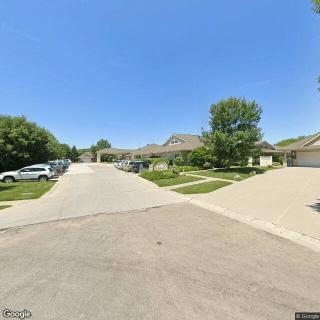
Lincoln Manor in Lincoln, NE is best suited for independent seniors who want a clean, affordable, low-traffic living environment with a social, neighborly vibe. The apartments appear to be well-kept and quiet, with residents who communicate respect and a sense of normalcy in day-to-day life. This setting works for those who can advocate for themselves, manage medications and meals, and navigate a property where staff responsiveness may be inconsistent. For couples or individuals who prize a straightforward, manageable living situation and a community feel over bundled services, Lincoln Manor can deliver a dependable, homey option. It is not a high-service environment, and expectations should center on basic comfort and independence rather than intensive care.
Those needing reliable daily support, proactive care coordination, rapid maintenance, transparent management, or robust safety oversight should consider alternatives. Multiple reviews flag poor management practices and weak communication, with concerns about neglect of basic needs such as meals and medication administration. Prospective residents or families should avoid this setting if frequent help with eating, drinking, medications, dressing, or mobility is required, or if there is reliance on therapy transportation to meals or activities. The potential for safety incidents rises when management is disengaged, making Lincoln Manor a questionable choice for seniors who depend on consistent supervision. For others, it can still work so long as clear expectations and explicit safeguards are in place.
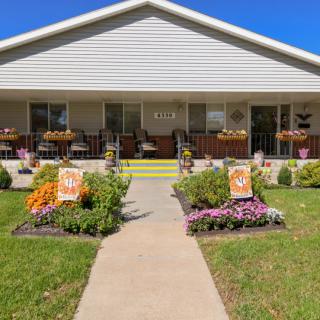
On the plus side, residents consistently describe clean, pleasant apartments and a respectful, friendly core of neighbors. The environment tends to be quiet and low-stress, with a sense of mutual care among residents. These positives deliver social value and personal autonomy that some families value highly, helping to offset concerns about care gaps. For seniors who prioritize dignity and independence over comprehensive care planning, the appeal lies in a straightforward living arrangement, reasonable affordability, and a well-maintained living space. That combination can make Lincoln Manor an attractive option relative to pricier, higher-service facilities.
Yet the most salient drawbacks center on management quality and communication failures. Several reviews depict ongoing management problems and inconsistent upkeep, including allegations of neglect around meals, medication adherence, and health monitoring. A particularly troubling note suggests families could face serious consequences when conditions are deemed unsafe, underscoring perceived accountability gaps. The absence of therapy transportation and limited in-house supports further amplify risk, complicating timely responses during health issues. These structural flaws do more than irritate; they create real safety and legal exposure. With risk tolerance low, alternatives offering stronger governance and more robust staffing should be prioritized.
Families evaluating Lincoln Manor should undertake rigorous due diligence. Request a tour focused on safety features, maintenance responsiveness, and a day-in-the-life schedule showing meals, medications, and activities. Inquire about detailed staffing ratios and who manages medications and dietary needs. Speak with current residents about response times, incident reporting, and how complaints are resolved. Review any available licensing or audit information, observe mealtime operations, and watch for timely assistance during routine needs. If management proves evasive or fails to provide transparent documentation, that is a red flag. When governance gaps persist, pursuing communities with proven oversight is prudent.
Bottom line: Lincoln Manor is a mixed bag best reserved for independent seniors who value a clean, quiet environment and a friendly resident community, and who can live with limited, though not absent, oversight. It is not suitable for individuals needing reliable daily care, medication management, or guaranteed therapeutic transport. Families with stringent safety requirements or concerns about staff accountability should steer toward alternatives with demonstrated management and transparent operations. In the right circumstances, Lincoln Manor can be a workable, affordable home; in others, it represents a risky mismatch between needs and available services.
 Assisted Living
 Activities on-site
 Devotional services off-site
 Indoor common areas
 Lincoln Municipal (6 miles away)
 Ambulatory care
 Diabetic care
 Meals provided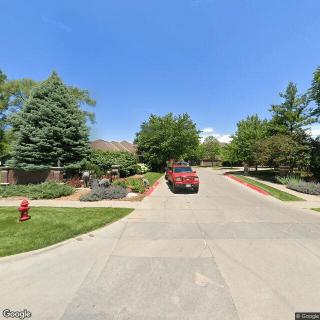


 Comprehensive Insights into Activities of Daily Living (ADLs) and Their Assessment
 Medicare Coverage for Assisted Living: An In-Depth Exploration
 Choosing the Right Senior Care: A Detailed Exploration of Assisted Living and Nursing Homes