
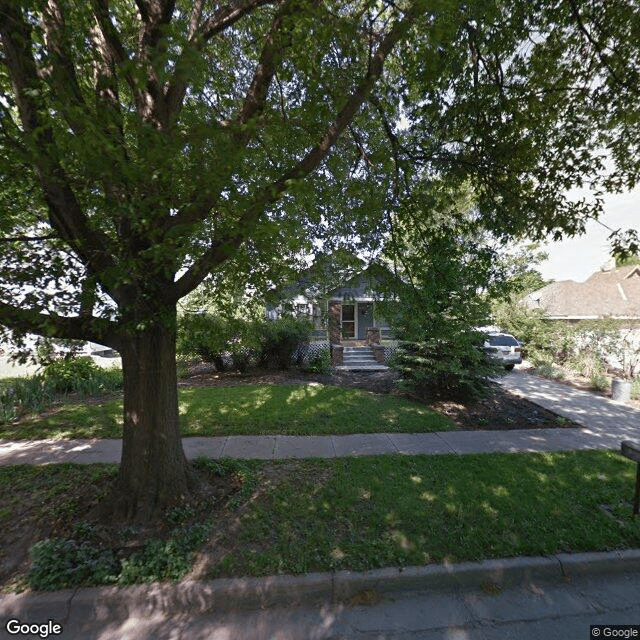
2325 N 67th St, Lincoln, NE 68507
To contact a resident: (402) 467-4988
For more information about senior living options: (866) 208-4318
Overall Review of Elders Plus
Pros
 Senior Helpers were there for her during the transition from assisted living back to her home, with each staff member helping with whatever was needed.
- They impressed the family with exceptional staff who understand her mother's needs.
- The company truly cares about loved ones, and the family would happily refer others to Senior Helpers.
- The team is great, and the family is glad they chose Senior Helpers; they would highly recommend them.
- In-home care with Senior Helpers is effortless and compassionate.
- The team listened to routines and customized schedules, with visits never more than an hour, keeping her mom comfortable.
- Senior Helpers is a true partner in caregiving, offering flexibility, empathy, and proactive problem-solving, giving families time with their loved ones.
Review
This community is best suited for families who want high-quality in-home care that keeps a loved one safely at home, with a clear emphasis on dementia-capable support and a smooth transition from facility or hospital life back to familiar surroundings. The Lincoln reviews of Senior Helpers consistently highlight staff who truly understand dementia, flexible scheduling, and a premium, individualized approach that centers on daily routines rather than rigid clinical timelines. The result is care that feels respectful, purposeful, and practical, not symptomatic or generic. Anyone facing a transition from assisted living or hospital discharge, or anyone who wants to maintain independence in the home while still receiving reliable help, will find this model aligns with real-world needs. That partnership extends to clear care plans, ongoing updates, and a willingness to adjust routines as health changes demand.
Alternatives to consider become relevant when the elder requires round-the-clock supervision, continuous monitoring, or the social stimulation that a campus community provides. In the reviews, the care is delivered in short, customizable blocks with a one-hour minimum, which suits many schedules but may fall short for families needing constant presence. Those seeking a built-in social calendar, on-site activities, or highly integrated 24/7 staffing may prefer an assisted living or memory care setting. For dementia care specifically, some families might still want a more predictable daily environment under a residence-based program rather than home-based visits, depending on the elder’s preferences and risk profile. For families with urgent post-acute needs, the ability to mobilize help quickly without moving the elder into a new facility can spare disruption and maintain consistency.
Turning to the strengths, the core advantages are precisely what offset the potential downsides. Customizable scheduling ensures visits fit the elder’s energy and routine, and the one-hour minimum keeps care sessions efficient yet substantial without overwhelming the individual. Compassionate, timely communication minimizes guessing and builds confidence for families who cannot be present every day. Resourceful support that points to adaptive tools and local programs helps ease practical burdens and reduces family stress. Most importantly, caregivers’ dementia experience, alongside proactive problem-solving and flexible responsiveness, translates into more quality time with Mom or Dad rather than caregiver-related friction. The net effect is a dependable partnership that adapts as needs evolve and circumstances change. In practice, this means families are kept in the loop about every shift, every new tool recommended, and every adjustment to the day’s cadence.
An undercurrent across the feedback is absence of notable drawbacks; no major concerns are called out, which underscores a strong fit for its target use. Still, the service model implies certain trade-offs: it relies on scheduled visits rather than constant oversight, and continuity depends on caregiver assignments and timely communication. For households with extremely high dependency or with elders who resist home-based care, alternatives that deliver perpetual supervision or a more structured community environment may prove more suitable. Price considerations and providers’ local capacity also matter, even if not explicitly flagged in the reviews, and deserve careful validation in any decision process. The upside is that this aligns with families who value autonomy and a home-centered lifestyle, while being mindful that some situations call for the predictability and social environment of a campus setting.
Where these strengths matter most is in reducing caregiver burnout while preserving dignity and independence. The ability to tailor visits to a person’s daily rhythms, to address dementia-specific needs, and to involve family members in planning creates a cooperative care experience rather than a top-down service. Proactive problem-solving and leadership responsiveness, the hallmarks praised by reviewers, build trust, making it easier to navigate changes in health status without fracturing routines. In practical terms, families gain predictable support, fewer scheduling headaches, and more meaningful interaction with loved ones, which translates into real time regained for the rest of the household. These dynamics are especially valuable during care transitions, such as moving from hospital to home, where stability and clear communication drive smoother recoveries and better day-to-day functioning.
Practical guidance for families weighing Elders Plus vis-à-vis the in-home option is straightforward. If the elder can stay safely at home with flexible, dementia-capable caregivers, start with a pilot schedule around the most critical times, mornings, mealtimes, and late afternoon, and measure how well the arrangement preserves independence and reduces stress. Interview staff about dementia training, care-planning processes, backup coverage, and how feedback is incorporated. If 24/7 presence, social programming, or a built-in community is non-negotiable, then explore traditional assisted living or memory care with experienced memory support. The collective evidence from these reviews points to a robust in-home option that can deliver reliable, compassionate care and real family time, and those same elements, personalization, caregiver competence, and open communication, will make Elders Plus a compelling choice for families seeking practical, hands-on home-based support. Ultimately, the decision should be grounded in elder preferences, safety considerations, and family bandwidth for coordination. When in doubt, a staged trial with clear metrics on independence, mood, and daily function can reveal whether Elders Plus aligns with long-term goals.
 Assisted Living
 Activities on-site
 Devotional services off-site
 Indoor common areas
 Lincoln Municipal (7 miles away)
 Ambulatory care
 Diabetic care
 Meals provided






 Understanding the Distinctions: Assisted Living and Memory Care Explained
 Guiding Elderly Parents Who Refuse Assisted Living: 6 Practical Steps
 Your Comprehensive Guide to Luxury Assisted Living: Elevated Facilities, Amenities, and Costs