
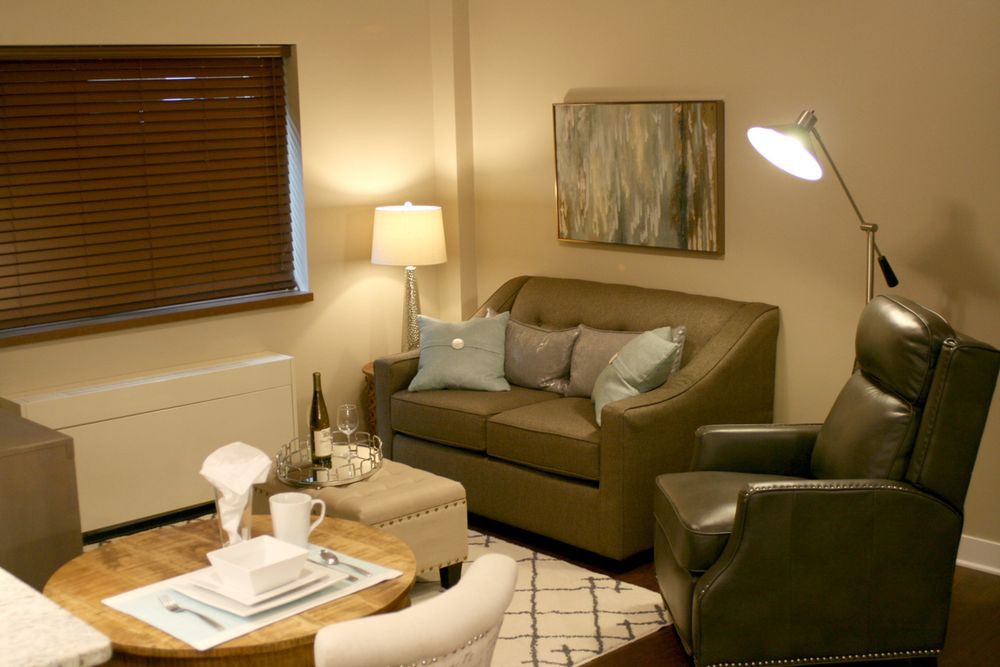






6315 O St, Lincoln, NE 68510
To contact a resident: (402) 489-6591
For more information about senior living options: (866) 208-4318

Overall Review of Eastmont Living
Pros
 Eastmont is a long-standing nonprofit Life Care community offering multiple levels of care in one location.
- The Independent Living addition features a pool and a performing arts center, expanding appealing amenities.
- The staff’s kindness and the close friendship between staff and residents create a strong sense of security and family.
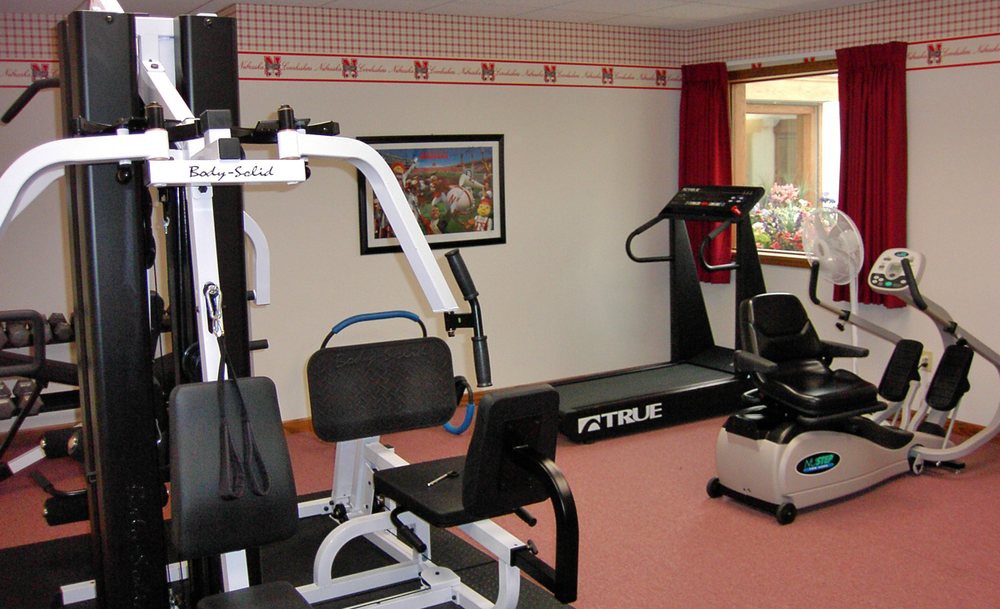
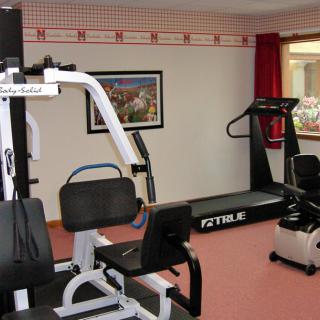
- Eastmont encourages staying fit through exercise programs with indoor and outdoor options.
- The community offers a rich calendar of programs and events, giving residents ample activities to choose from.
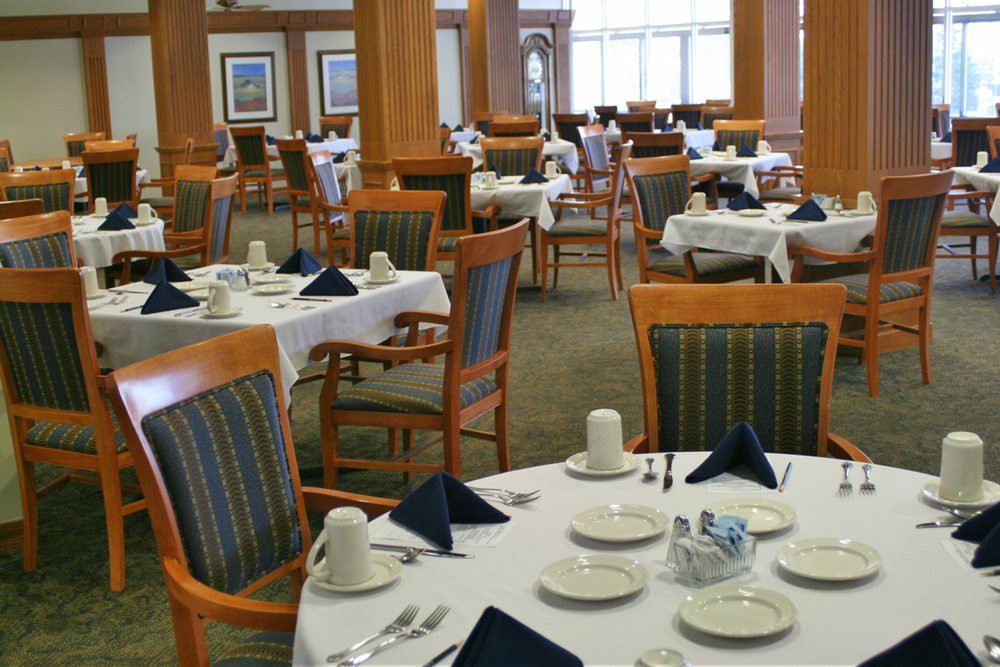
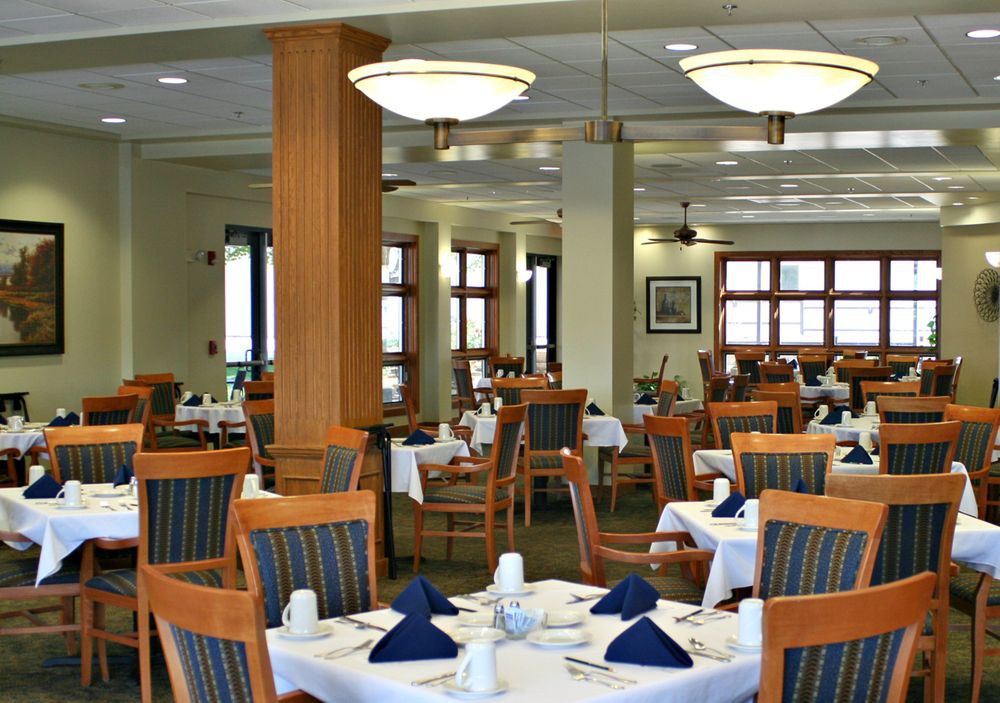
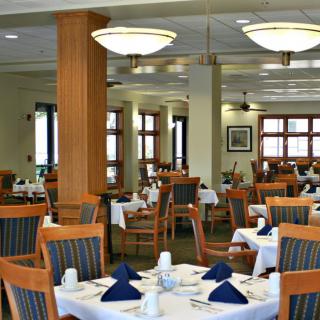
- Dining is high quality with satisfying, healthy meals, and housekeeping makes independent living easy.
- Eastmont’s safety measures during the pandemic were professional and proactive, with advanced health precautions.
Cons
 Part of the new independent living addition remained unopened.
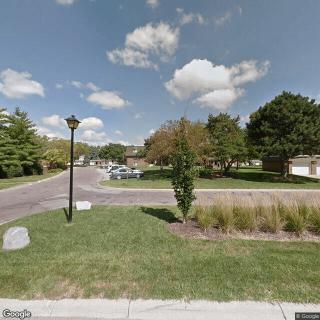
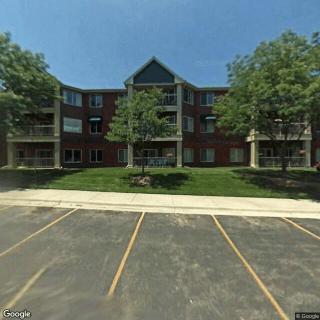
- It is located on a very busy Main Street, which wasn’t appealing.
- The memory care rooms were dark and depressing.
- The memory care program was not available due to COVID-related funding losses.
- The rooms in the assisted living area were old and dark.
- It seemed more expensive for what was provided.
Review
Eastmont Living is best suited for seniors who want a true continuum of care on a single campus, delivered within a nonprofit, mission-driven community that treats residents like family. It works especially well for those who want independent living with the security of on-site support services should needs change, and for couples where one partner may require higher levels of care later. The appeal lies in the ability to age in place, from independent apartments to rehab, skilled nursing, memory care, and other therapies, without uprooting from a familiar neighborhood and social circle. For families prioritizing stability, ongoing programming, and a strong sense of belonging, Eastmont is a compelling fit.
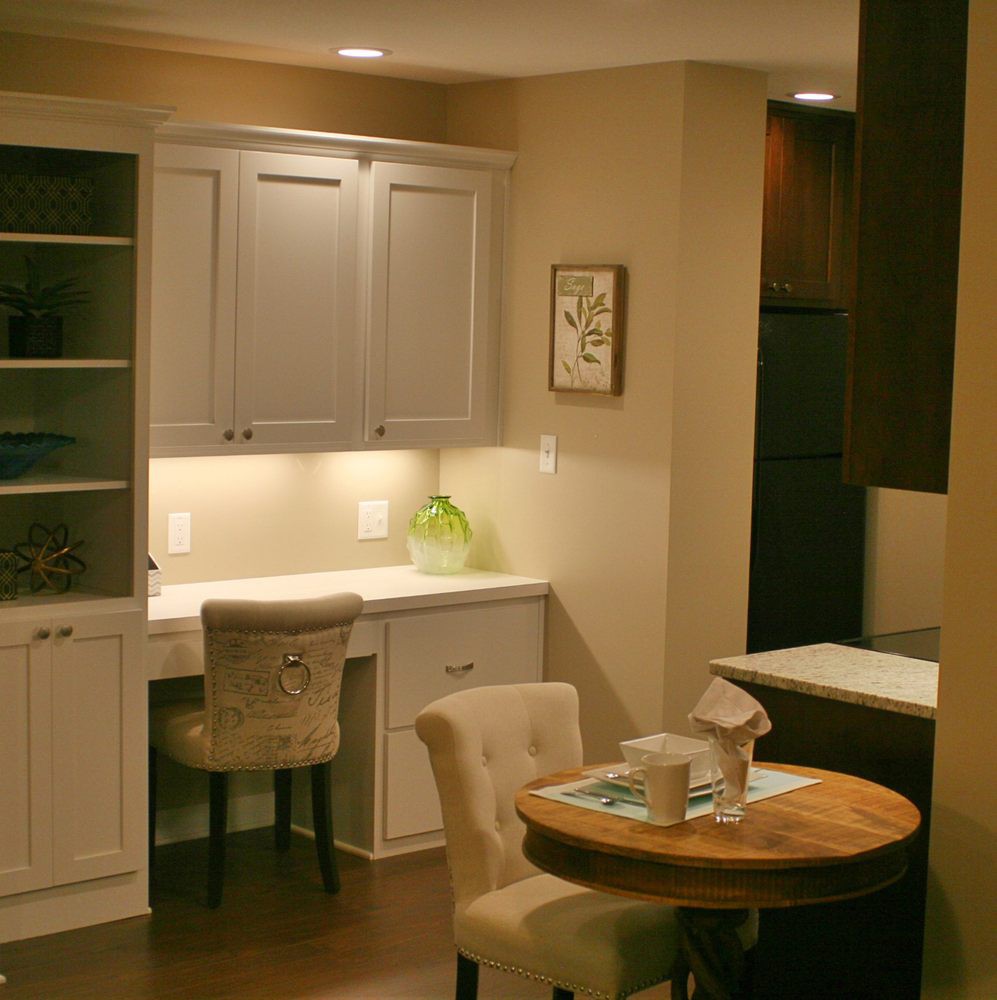
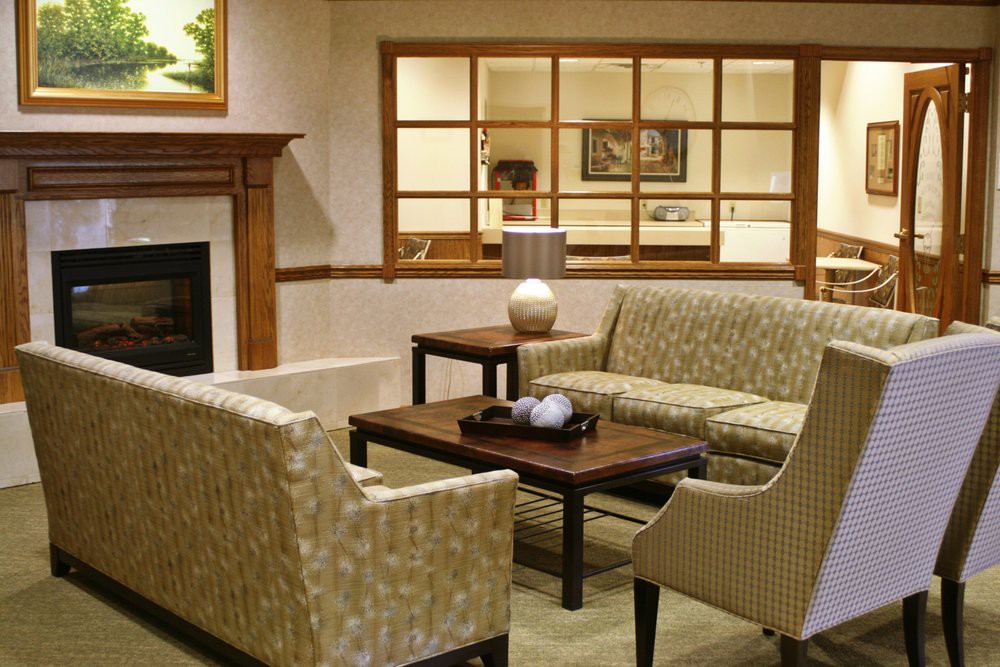
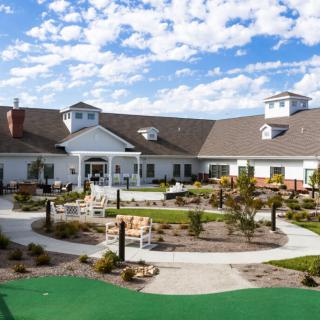
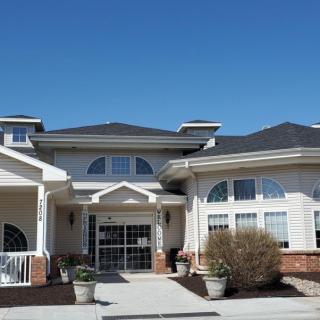
The upside rests on a well-established campus that has grown with modern touches. A brand-new Independent Living addition introduces desirable amenities, including a pool and a performing arts center, signaling a fresh pulse while preserving the trusted core. Residents consistently describe a warm, inclusive atmosphere where staff and residents mingle like a well-knit extended family. The daily rhythm is rich with activities, from fitness programs that encourage real progress to concerts and cultural events that keep taste and curiosity alive. The campus also emphasizes practical caregiving access: nurses’ stations across buildings, quick in-house support, and resident-friendly tools that foster independence.
On the care and community side, the strongest advantages are the seamless access to lifecare on site, the quality of caregivers, and the culture of attentiveness. Visitors and residents report genuine kindness from staff, a sense that needs are anticipated, and a readiness to go the extra mile, whether placing a car in a garage on a wintry morning, arranging a quick bedside check, or coordinating rehab in a connected setting. The dining experience is consistently praised, with varied menus and easy choices, while housekeeping and routine maintenance keep the living space low-stress and comfortable. The combination of robust programming, accessible health services, and mutual accountability among residents and staff creates a safety net that reduces the anxiety families often feel when care needs intensify.
Nevertheless, there are drawbacks to consider. The campus sits on a very busy Main Street, which can detract from the feeling of serene senior living some expect. Construction activity related to expanding the Independent Living footprint means ongoing noise and disruption for a portion of the population while renovations unfold. Some units, particularly certain memory care or older spaces, have been described as darker or in need of updates, with renovations and improvements continuing over time. Cost transparency is essential since lifetime care contracts (Type A) and the overall price can vary widely with apartment size and level of care; prospective residents should plan to visit and talk through numbers rather than rely on online impressions alone.
These pros align with the cons in a way that supports a practical decision: the value of a long-standing, comprehensive care campus with high-quality staff and vibrant programming often offsets location annoyances and renovation pauses for families who intend to stay long term. The non-profit status and the Life Care model promise reinvestment into facilities and services, reinforcing the sense that the community is continually improving for current residents. The on-site rehab, diverse activities, and the ability to transition through care levels on the same campus reduce the stress of future moves and preserve autonomy and social connections, critical factors when evaluating senior living choices.
For families weighing alternatives, the crucial distinctions are price, location, and the certainty of future care. Eastmont is especially strong for those who value a proven continuum of care, a nurturing culture, excellent dining, and high-quality rehabilitation and nursing services without needing to relocate if needs evolve. Alternatives may be preferable for those seeking a quieter neighborhood away from a busy arterial road, a lower-cost option, or a setting with a more uniform, recently renovated interior across all units. In short, Eastmont Living delivers an exceptional mix of care, community, and continuity; the decision hinges on tolerance for on-site construction matters, street noise, and the precise financial structure that accompanies the Life Care model.
 Assisted Living
 Activities on-site
 Devotional services off-site
 Indoor common areas
 Lincoln Municipal (7 miles away)
 Ambulatory care
 Diabetic care
 Meals provided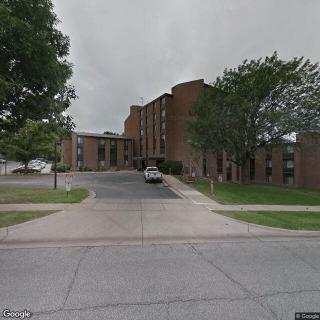
 Understanding Medicaid Coverage for Assisted Living: A Comprehensive Guide
 How and When Medicaid May Cover Assisted Living Costs
 A Detailed Exploration of Assisted Living Medicaid Waivers Across the United States