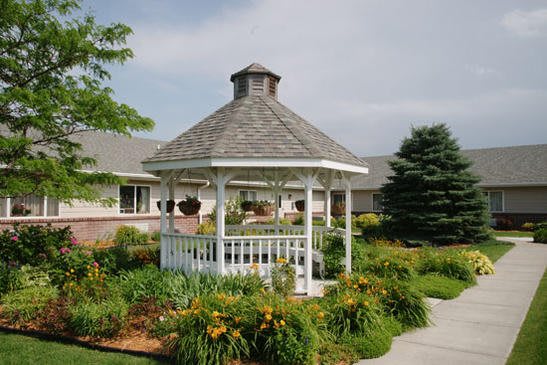
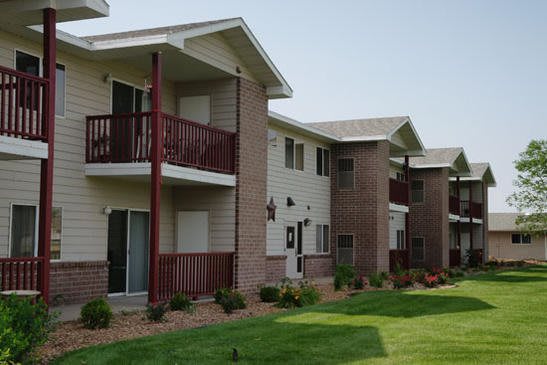
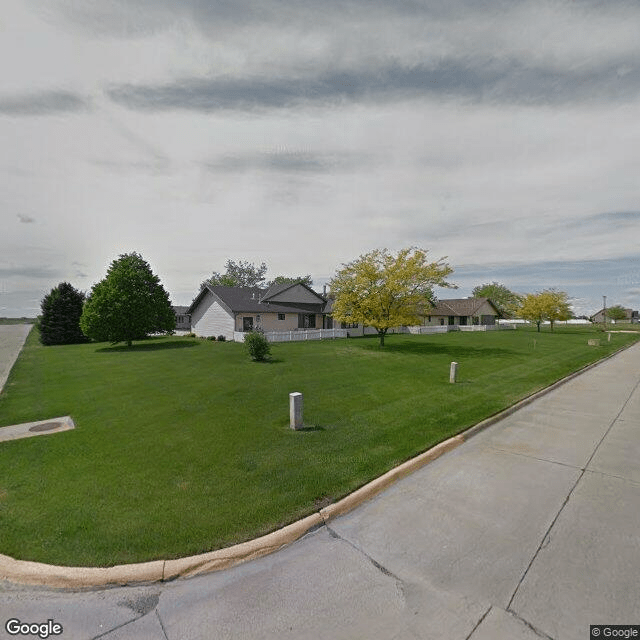
1811 Ridgeway Dr, Lexington, NE 68850
To contact a resident: (308) 324-5490
For more information about senior living options: (866) 208-4318
Avamere at Lexington Costs & Pricing
Avamere at Lexington offers competitive pricing for its various room types, significantly lower than both county and state averages. For a studio, residents pay just $1,000 per month, compared to Gosper County's average of $3,296 and Nebraska's state average of $3,728. This trend continues with the one-bedroom option at Avamere, where the monthly cost is $1,500 - substantially below the local average of $3,963 and only slightly above the state's figure of $3,167. The two-bedroom units are priced at a flat rate of $2,000 per month; while this aligns with Gosper County's cost for similar accommodations, it remains noticeably lower than Nebraska's statewide average of $3,627. Overall, Avamere at Lexington presents an exceptionally value-driven choice for potential residents in search of comfortable living arrangements.
| Floor plans | Avamere at Lexington | Gosper County | Nebraska |
|---|---|---|---|
| Studio | $1,000 | $3,296 | $3,728 |
| 1 Bedroom | $1,500 | $3,963 | $3,167 |
| 2 Bedrooms | $2,000 | $2,000 | $3,627 |
Overall Review of Avamere at Lexington
Pros
 Avamere at Lexington was very nice.
- The staff at Avamere at Lexington were very good.
- The rooms at Avamere at Lexington were large.
- The independent living apartments at Avamere at Lexington were nice, with some having two bedrooms.
- Emeritus at Park Avenue Estates has staff who are nice to residents and readily meet needs.
- Park Avenue Estates offers plenty of fun and varied activities for residents.
- The Park Avenue Estates facility is clean and comfortable.
- Grandpa is pretty happy there now.
Cons
 The room in the assisted living seemed more like a single room or a studio; it didn't have a separate bedroom.
- She doesn't eat much of the food there.
- They can improve the food there.
- The family was not happy about his move into assisted living.
Review
Avamere at Lexington is best suited for seniors who want a single campus that accommodates both assisted and independent living, with ample apartment space and a dependable care-forward staff. The community’s strength lies in the way it presents a continuum of living options: assisted living units that feel spacious enough for single occupancy and independent living apartments that include true multi-bedroom layouts, including duplex configurations. For couples and roommates who want to stay together while keeping options open for care, Avamere provides practical continuity without forcing a move to a new building.
Those weighing alternatives should consider Emeritus at Park Avenue Estates (Park Avenue) when dining quality and a richly social campus atmosphere become top priorities. One review highlighted a big, clean, comfortable environment with kind, responsive staff and a robust slate of activities, including meaningful family-oriented events. If the goal is a community where family involvement and frequent, structured celebrations are central to daily life, Park Avenue can feel distinctly more engaging, even if it means evaluating how that environment aligns with personal taste around meals and overall pace.
The strongest positives at Avamere lie in space, flexibility, and staff reliability. Independent living units offer two-bedroom options that suit couples or cohabitants, while the duplex designs provide a generous living area with a shared common space and separate bedrooms on either side. Assisted living, by contrast, benefits from broad, familiar services in a layout that remains comfortable and approachable. Across the board, the staff is described as very good, delivering the day-to-day care and support with attentiveness that can translate into smoother transitions when needs shift.
The principal drawback centers on the assisted living footprint, which in this case leans toward studio-like accommodations without a separate bedroom. For families where privacy and distinct sleeping areas are non-negotiable for the resident or for couples who want private bedrooms, this is a meaningful constraint. Dining and programming quality on Avamere’s own terms aren’t documented in the reviews, so prospective residents should verify what everyday life will feel like from meals to activities. The limited number of reviews also means the experience may vary more than anticipated, requiring a closer in-person assessment.
Yet the offset is real. The capacity to stay within one campus while pivoting from independent to assisted living as needs change can reduce disruption and preserve familiar routines. Large floor plans and well-conceived multi-bedroom layouts support ongoing independence and adjustment without forcing a move across communities. A strong care team, visible in daily operations, can cushion the sting of a tighter AL space and help residents maintain dignity and autonomy longer. In short, Avamere’s strongest assets, space, flexibility, and steady staffing, often outweigh its assisted-living space constraints, particularly for those who prize practical, scalable living arrangements.
Bottom line: Avamere at Lexington represents a solid, pragmatic choice for seniors who want space, flexibility, and continuity of care under one roof, with staff that earns trust through reliable daily support. It works best for couples and roommates who value two-bedroom independent living options and the comfort of a well-staffed campus. Those who must have true separate bedrooms in assisted living, or who place a premium on dining quality and a highly active family-centric social calendar, may prefer exploring Park Avenue Estates or Emeritus as alternatives. The final call should hinge on which living track will be used most, and how important a clearly defined AL bedroom, dining experience, and campus social fabric are to the resident’s happiness.
 Assisted Living
 Independent Living
 Cats allowed
 Dogs allowed
 Activities off-site
 Air-conditioning
 Bath tubs
 Beautician on-site
 Cable or satellite TV
 Devotional services off-site
 Full kitchen
 Ground floor units
 Handicap accessible
 Indoor common areas
 Outdoor common areas
 Respite or short term stays offered
 Wheelchair accessible showers
 Wi-Fi/high-speed internet available
 Ambulatory care
 Diabetic care
 Incontinence care
 Medication management
 Gluten-free
 Art classes
 Catholic services
 Cooking classes
 Day trips and outings
 Educational speakers / life long learning
 Wine tasting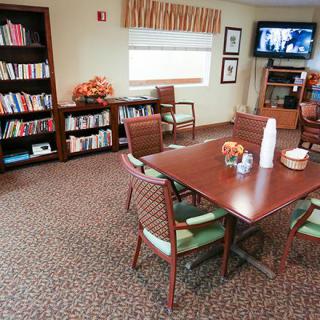



 8 Key Indicators That Suggest It May Be Time to Transition from Assisted Living to Skilled Nursing Care
 Vibrant Senior Living: A Comprehensive Guide for Active Older Adults
 When to Transition from Assisted Living to Memory Care: Key Indicators, Steps, and Finding the Right Community