
511 W Spruce St, Lexington, NE 68850
To contact a resident: (308) 324-6047
For more information about senior living options: (866) 208-4318
Alternative Lifestyle Care is an assisted living community in Lexington, NE.
Information last verified:
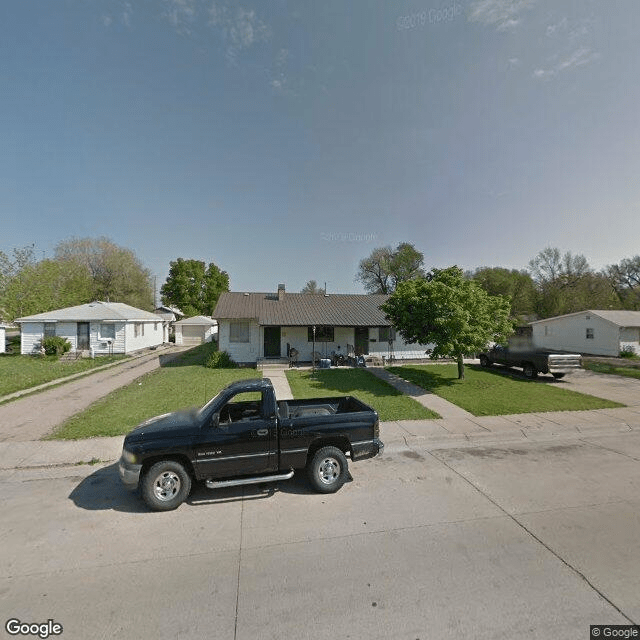
511 W Spruce St, Lexington, NE 68850
To contact a resident: (308) 324-6047
For more information about senior living options: (866) 208-4318
 Assisted Living
 Activities on-site
 Devotional services off-site
 Indoor common areas
 Ambulatory care
 Diabetic care
 Meals provided Activities on-site Devotional activities offsite
The alternative lifestyle care community in Lexington, NE offers a range of amenities and services to cater to the unique needs of its residents. With devotional services held off-site, individuals can practice their faith in a comforting and familiar environment. The indoor common areas provide spaces for socializing, relaxation, and group activities.
One standout feature of this community is its specialized diabetic care, ensuring that residents with diabetes receive the necessary attention and support to manage their condition effectively.
In addition to the excellent care provided, there are plenty of opportunities for engagement and enrichment. Devotional activities held offsite allow individuals to continue practicing their spirituality in their preferred locations.
Conveniently located nearby are two cafes, three pharmacies, and one physician's office, ensuring easy access to daily necessities and prompt medical attention when needed. The abundance of 27 restaurants offers residents an array of dining options within close proximity.
For transportation needs, there are two transportation options available nearby, providing convenient means for residents to travel locally or make appointments outside the community. Additionally, with 12 places of worship nearby, individuals have various religious centers to choose from based on their beliefs.
Lastly, having two hospitals in close vicinity ensures that emergency medical care is easily accessible if required. Overall, this assisted living community in Lexington provides excellent amenities, specialized care services for diabetics, numerous nearby facilities and services such as cafes, pharmacies and restaurants along with convenient transportation options - all within a welcoming environment encouraging spiritual exploration and well-being.
This area of Lexington, Nebraska offers a variety of amenities that may be beneficial for seniors looking to reside in the area. In close proximity, there are places of worship such as Asambleas De Dios Filadelfia and Trinity Lutheran Church for spiritual support. Additionally, there are several restaurants offering diverse cuisine options like Subway and Taqueria Max for convenient dining choices. With easy access to pharmacies like U-Save Pharmacy and nearby healthcare facilities including Plum Creek Medical Group and Tri-County Hospital, seniors can rest assured knowing that their medical needs can be met efficiently. The presence of cafes like Amy's Bakery provides a cozy spot for socializing and enjoying a cup of coffee. For outdoor activities, parks like Elwood Reservoir offer opportunities for leisurely walks and relaxation. Overall, this part of Lexington presents a well-rounded community with essential services that cater to the needs of seniors considering senior living in the area.
Alternative Lifestyle Care is located at 511 W Spruce St, Lexington, NE 68850 in Gosper County, Nebraska
Morrison & Morrison
Lexington, NE
 Personalized diabetic care in a comfortable assisted-living setting with on-site activities.
Wel-Life At Plum Creek
Lexington, NE

Shackley Retirement Village
Lexington, NE
Specialized diabetic care
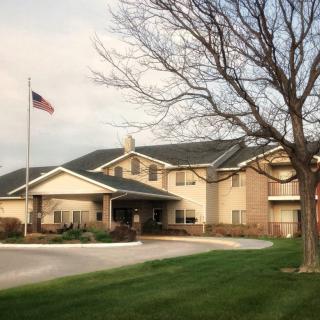
Avamere at Lexington
Lexington, NE
Competitive value pricing below county/state averages with both independent and assisted living, on-site amenities, and diverse dining options.
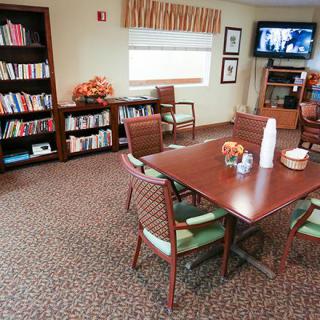
Ridgeway Senior Living
Lexington, NE
Welcoming atmosphere with attentive staff and a wide range of activities and accommodations.
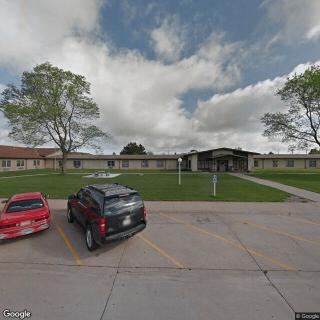
Emerald Nursing & Rehab Cozad
Cozad, NE
Small 22-bed facility with 24/7 supervision and on-site amenities (beauty salon, dining, activities).
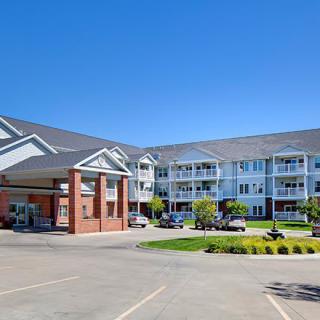
Kinship Pointe Kearney Northridge
Kearney, NE
Friendly, attentive staff; clean, well-maintained facility with spacious rooms and chef-prepared meals.
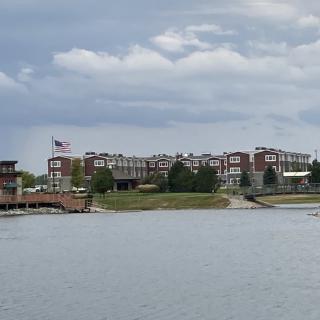
Broadwell Senior Living Kearney
Kearney, NE
 Beyond the Bingo Hall: 50+ Enriching Activities for Seniors in Assisted Living
Assisted living communities offer diverse activities beyond traditional games to enhance seniors' physical health, cognitive well-being, emotional enrichment, and social connections, including fitness classes, creative expression, and intergenerational interactions. These enriching programs foster community bonds and support residents' independence and happiness.
 Understanding the Distinctions: Assisted Living and Memory Care Explained
The article differentiates between assisted living and memory care, explaining that assisted living supports seniors with daily activities while promoting independence, whereas memory care provides specialized services for individuals with dementia, focusing on secure environments and cognitive support. It also addresses staff training, safety considerations, costs, family involvement, and transition strategies for families navigating these care options.
 Guiding Elderly Parents Who Refuse Assisted Living: 6 Practical Steps
Family caregivers face emotional, legal, and practical challenges when elderly parents refuse assisted living, often due to fears of losing autonomy. Open conversations and professional assessments can help address these concerns while exploring alternatives and ensuring safety, potentially leading to legal guardianship if necessary.