
















2615 West 11Th Street, Kearney, NE 68845
For more information about senior living options: (866) 208-4318
Overall Review of Brookestone Gardens
Pros
 Brookstone is described as a safe residential community that is competent and effective at managing the changes faced by elderly residents and supporting their families.
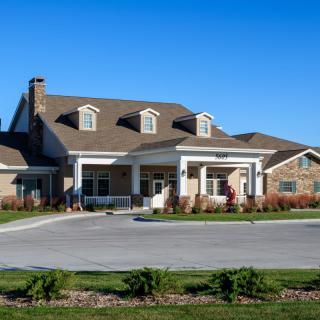
- Brookstone is a beautiful facility with wonderful staff who treat residents and their families with the utmost respect.
- The staff are very caring, and the facility is clean, bright, and cheerful.
- Residents have received kind, quality care from experienced staff consistently over several years.
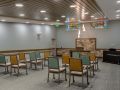
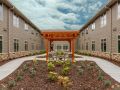
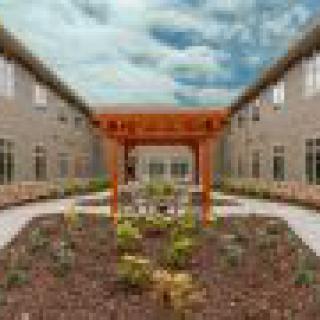
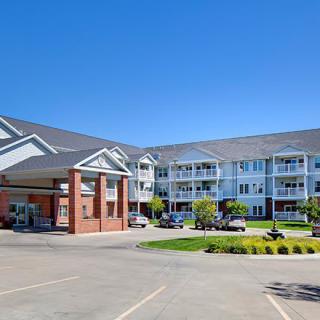
- Brookstone offers a space that feels like home, with beautiful surroundings and comfortable, warm apartments.
- The facility provides lots of activities and has friendly staff; it is clean and safe.
- The staff are amazing, caring, and loving.
Cons
 There was a poor experience dealing with the maintenance manager Chuck.
- The reviewer felt Brookestone’s facilities were misrepresented, suggesting the name Brookestone Correctional Facilities would be more fitting.
- The food was inedible.
- Visitors had to schedule visits at least two hours in advance and were met with rude and snippy staff on the phone.
- Children under 12 were not permitted to visit, which devastated families.
- Outings required advance permission with no last-minute trips allowed.
- Kendra at the front desk was rude and condescending.
- The reviewer described the situation as isolating and difficult to contact loved ones.
Review
Brookestone Gardens in Kearney, Nebraska is best suited for families seeking a warm, resident-centered assisted living experience where staff attention feels personal and a well-tended campus offers stability and a sense of home. The community works well for seniors who value a clean, bright, cheerful environment and for families that want proactive, respectful communication when concerns arise. It is especially appealing to those who want a cohesive support network, caregivers, residents, and relatives, working together in a setting that prioritizes dignity and consistency. That combination makes it a strong match for many later-life transitions, pairing professional care with a residential vibe that never quite feels clinical. In short, Brookestone Gardens delivers a reassuring home base for those who prize relational care and a stable routine.
On the care side, families repeatedly point to warmth and competence across the caregiving team. The staff are described as kind, respectful, and accessible, with quick responsiveness when concerns arise. The facility itself earns praise for cleanliness, brightness, and a mood that feels welcoming rather than institutional. Residents’ apartments are cited as comfortable and warm, contributing to a sense of homelike living. Longstanding families report consistent, quality care over years, and the social programming, activities and opportunities to engage, helps residents stay connected. Individual staff members are highlighted for going above and beyond, reinforcing a culture of genuine care. Taken together, these strengths create a dependable, nurturing atmosphere that often makes Brookestone Gardens a clear fit for households prioritizing sustained human connection.
Yet the picture is not flawless. A portion of the reviews flag friction in daily operations, particularly around maintenance and front-desk interactions. One account describes a troubling experience tied to the maintenance manager, raising questions about responsiveness at the most basic service level. Another reviewer singles out a front-desk staff member as rude and condescending, suggesting a breakdown in the essential first touchpoint for families. The most charged critiques compare Brookestone to a highly regulated environment, emphasizing rigid visiting rules, advance scheduling, and a perception that resident autonomy is constrained. Food quality surfaces as a sore point in at least one harsh assessment, and some families feel communication with loved ones remains more effortful than it should be. A sense of isolation arises when outreach and accessible channels for staying connected appear underdeveloped. These tensions reveal real risk that policy rigidity and inconsistent service can overshadow care quality for certain families.
Even so, the core positives often offset these drawbacks for many residents and their families. When staff communicate clearly and respond promptly, concerns stop feeling like looming issues and begin to feel manageable within a supportive network. The combination of a well-maintained, home-like environment and a culture of respectful, attentive care gives Brookestone a strong foundation. For families prioritizing dependable human connection, steady caregiving, and an atmosphere that emphasizes dignity and social engagement, the benefits commonly outweigh the potential friction points. The campus’s beauty, the warmth of the living spaces, and the steady, compassionate approach of the caregiving team create a durable sense of security that resonates with many households seeking long-term placement.
Alternatives should be considered for anyone who places a premium on visiting flexibility, a consistently seamless administrative experience, or a dining program that consistently wows every meal. If spontaneous family time, truly easy guest access, or culinary excellence in day-to-day dining are nonnegotiables, other local communities may deliver experiences that align more closely with those priorities. Families evaluating Brookestone for residents with specialized medical needs should also compare options to ensure the chosen community can meet those clinical requirements with confidence. In short, Brookestone serves well for many, but discerning families with different priorities around autonomy, visitor policy, and meal service will want to explore alternatives before committing.
To decide with confidence, schedule a thorough on-site tour during a typical week and observe resident–staff interactions across shifts. Ask for a candid briefing on staff-to-resident ratios, training standards, and how concerns are tracked and resolved. Probe dining options, menus, dietary accommodations, and whether residents have meal-time flexibility. Verify visiting policies, entry procedures, and the practical realities of arranging family time; confirm that concerns raised by current residents are addressed promptly and respectfully. Request to meet with a front-desk supervisor and the admissions director to hear how policy is implemented in practice, not just on paper. Finally, speak with several residents and family members about their experiences over time, and consider requesting a trial period or short-term stay if possible to gauge fit before making a long-term commitment.
 54 resident community capacity
 Assisted Living
 Independent Living
 Skilled Nursing Facility
 Air-conditioning
 Beauty salon
 Cable or satellite TV
 Computer center
 Dining room
 Fitness room
 Fully furnished
 Gaming room
 Garden
 Housekeeping services
 Kitchenette
 Move-in coordination
 Outdoor space
 Private bathrooms
 Restaurant-style dining
 Small library
 Telephone
 Wellness center
 Wi-Fi/high-speed internet available
 Community operated transportation
 24-hour call system
 Activities of daily living assistance
 Assistance with bathing
 Assistance with dressing
 Assistance with transfers
 Diabetes diet
 Medication management
 Special dietary restrictions
 Concierge services
 Planned day trips

 Comprehensive Supportive Living Arrangements for Adults with Disabilities
 Funding and Affording Assisted Living: A Thorough Overview
 Assisted Living Expenses and Long-Term Care Insurance: A Comprehensive Exploration