

8874 US Highway 212, Roberts, MT 59070
For more information about senior living options: (866) 208-4318
Overall Review of Heartland Assisted Living
Pros
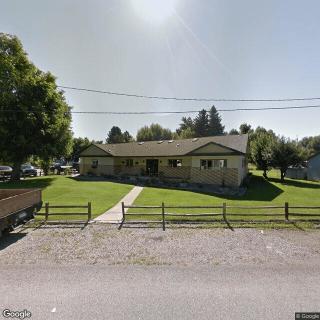
 Heartland feels like a home, not an institution.
- The staff at Heartland is amazing and provides tender, loving care as if it were their own family.
- Residents experience improved health and quality of life, with more choices.
- The renovations have been great and the monthly support group is more than helpful.
- The care at Heartland is top-notch and genuinely compassionate.
- Families say their loved ones felt at home and were very happy there.
Cons
 The resident's overall experience with Heartland Assisted Living was not good.
- The facility employed unlicensed workers who couldn't pass the CNA or LPN tests.
- The staff were overworked, and the scheduling was not good.
- The supervisor was not good because she didn't know how to run the facility.
- There were really no activities offered.
- There were people in residents' rooms when they left to go out.
Review
Heartland Assisted Living in Roberts, MT is best suited for seniors who want a genuinely home-like, family-focused environment where staff treat residents as if they were part of the family and daily life includes personal attention, simple routines, and opportunities to stay connected with the outdoors and animals. This community suits families seeking a warm, intimate setting rather than a large, hospital-like campus. The strongest appeal lies in the sense of belonging, the open, “open-door” feel of a small operation, and the perception that care is delivered with heart. For residents who can thrive on a steady stream of personal contact, Heartland can feel like a real home away from home.
Those who may want to consider alternatives are clear about their priorities: robust clinical oversight, a larger activity roster, and more predictable staffing. Several reviews flag concerns about licensed staffing, scheduling reliability, and management. If consistent licensed nursing presence is non-negotiable, or if a structured program with frequent, varied activities is essential, another facility with stronger administrative alignment and a deeper bench of licensed caregivers may be preferable. Families that value a highly organized, immediately responsive operation may find the consistency they need elsewhere, even if the atmosphere at Heartland remains appealing.
The key positives at Heartland, home-like atmosphere, friendly and attentive staff, recent renovations, and a supportive sense of community, strongly offset several notable drawbacks. The sense that care is delivered with genuine warmth translates into meaningful daily interactions, and stories of residents improving health and enjoying life reinforce the value of connection over clinical rigidity. The facility’s around-the-clock availability and ongoing family-style ambiance give families confidence that emergencies or late-night needs are met promptly. For many, the renovations and the continuous, inclusive approach to care create a quality-of-life dividend that outweighs some operational frictions.
Yet the negatives cannot be dismissed, because they directly affect safety, reliability, and day-to-day satisfaction. Some reviewers report unlicensed workers on site, overworked staff, and scheduling gaps, raising legitimate questions about adherence to licensing standards and consistent coverage. Management and supervisory leadership are repeatedly singled out as weaknesses, which can translate into uneven care plans and delayed problem-solving. The small size of the community also curtails activity options, with residents noting limited outdoor programming and a lack of meal customization. In short, the warm, homey vibe can be undermined if oversight and staffing stability falter.
With these tensions in mind, practical steps shape the decision. Prospective families should request a candid face-to-face with the supervising administrator and the leadership team, review qualifications for every caregiver on shift, and ask for current staffing ratios and turnover data. A tour should include a careful look at the daily activity calendar, dining options, and the degree of resident autonomy in choosing routines. Request to observe a meal service, a group activity, and a night shift interaction to gauge consistency and responsiveness. Consider asking to meet residents’ families to hear how they experience communication and problem-solving.
Overall, Heartland presents a compelling option for those prioritizing a home atmosphere, heartfelt caregiving, and a culture that feels like family. When leadership is stable, licensed staffing is reliable, and the operation maintains a robust program of activities and resident engagement, the advantages far outweigh the concerns. For families where clinical rigor, predictable scheduling, and proactive, structured programming are non-negotiable, it is wise to explore other communities first or use Heartland as a strong backup plan after confirming leadership and staffing stability. In the end, the question centers on a simple truth: does the resident value the warmth and belonging of a small, homey setting enough to tolerate some variability in oversight and programming? If yes, Heartland deserves serious consideration; if not, seek a facility with clearer governance and a more expansive activity and care framework.
 8 resident community capacity
 Studio apartments
 Assisted Living
 Board and Care Home
 Beauty salon
 Cable or satellite TV
 Dining room
 Fully furnished
 Garden
 Housekeeping services
 Kitchenette
 Move-in coordination
 Outdoor space
 Restaurant-style dining
 Small library
 Telephone
 Wi-Fi/high-speed internet available
 24-hour supervision
 Activities of daily living assistance
 Assistance with bathing
 Assistance with dressing
 Assistance with transfers
 Diabetes diet
 Medication management
 Mental wellness program
 Special dietary restrictions

 When to Transition from Assisted Living to Memory Care: Key Indicators, Steps, and Finding the Right Community
 Assisted Living and Memory Care: Understanding Their Core Differences
 Beyond the Bingo Hall: 50+ Enriching Activities for Seniors in Assisted Living