
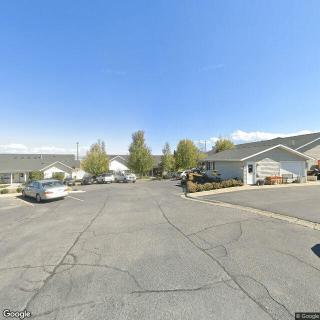
3325 Baldy Drive, Helena, MT 59602
For more information about senior living options: (866) 208-4318
Sharon's Sunshine Care Costs & Pricing
Sharon's Sunshine Care provides a cost-effective option for both private and semi-private room accommodations when compared to the rates in Lewis and Clark County and the broader state of Montana. With monthly fees of $2,800 for both room types, Sharon's Sunshine Care significantly undercuts the county average of $3,931 for private rooms and $3,748 for semi-private. Similarly, the facility offers substantial savings over the state average rates of $4,402 for private rooms and $3,874 for semi-private arrangements. This competitive pricing not only highlights Sharon's commitment to affordability but also positions it as an attractive choice for families seeking quality care without breaking the bank.
| Floor plans | Sharon's Sunshine Care | Lewis and Clark County | Montana |
|---|---|---|---|
| Private | $2,800 | $3,931 | $4,402 |
| Semi-Private | $2,800 | $3,748 | $3,874 |
Assisted Living communities with a similar price nearby
-
from -$100 / mo

Edgewood in Helena
$2,700 to $4,700 / month3.9 miles away
Overall Review of Sharon's Sunshine Care
Pros
 Everyone at Son Heaven is prompt, committed, caring, and professional.
- The team works hard to deliver excellence, and the residents are fortunate to call Son Heaven home.
- Son Heaven is a safe and fun place for a loved one.
- Son Heaven is a great asset to the Helena community.
- The staff and residents have become part of the family.
- The small facility makes personalized attention easy.
- The staff get to know each resident well and strive to accommodate each person’s wants and needs.
- Even the smallest need or request is acted upon and a solution found.
Review
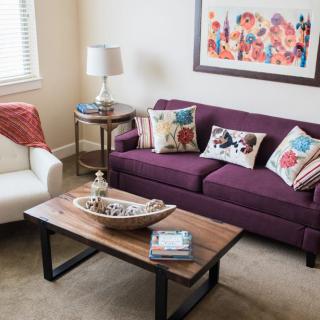
Sharon's Sunshine Care in Helena is best suited for seniors who want a tight-knit, home-like assisted living experience where care is highly personalized and staff are consistently accessible. The feedback describes a small-scale operation in which residents are known by name and care plans are tailored to individual preferences. Families seeking predictability, meaningful meals, and resident-engaged programming will find the environment welcoming and steady. The atmosphere feels like a true extension of family life, with staff proactively learning preferences and adjusting to changing needs rather than treating residents as numbers.
Those considering alternatives should note that the very strengths here, intimacy and personal attention, can also signal a more limited breadth of services. A larger campus or a facility with more extensive clinical depth may be preferable for seniors who require advanced therapies, broader rehab options, or memory-care programs. If independence needs are coupled with frequent medical oversight or a wider array of on-site specialists, families might prefer somewhere with a larger team and more formal care layers. In short, the smallest venue may be the most limited in the scope of services some residents eventually rely on.
On balance, the primary advantages offset the potential drawbacks. The staff’s prompt, caring, and professional approach consistently shines through, with caregivers who know residents’ histories, preferences, and small requests. A small facility format enables a home-like setting where an open kitchen fosters transparent interactions between staff and residents, reinforcing trust and daily comfort. Nutritious meals and meaningful learning activities further reinforce dignity and engagement, turning routine days into a series of purposeful moments. The main risk, unmet expectations due to limited scope, appears manageable when the care team stays aligned with resident goals and maintains open channels for communication.
Communication with families stands out as a clear strength. There is a culture of quality updates, thoughtful listening, and proactive involvement in planning and problem-solving. This reduces uncertainty during transitions and makes it easier to adjust care plans as needs evolve. The resulting sense of partnership means families are not left guessing about how their loved one is doing; concerns are heard, discussed, and acted upon. In practice, that translates to smoother care coordination, fewer unexplained gaps, and a reliable loop of information that keeps everyone on the same page.
For decision-makers, a pragmatic playbook helps separate fit from misfit. Confirm that current and anticipated needs align with the facility’s demonstrated strengths, staffing levels, nursing presence, and access to therapies. Plan a thorough tour with pointed questions about daily schedules, meal planning, activity options, and how resident preferences are tracked and updated. Inquire about the process for updating care plans, the cadence of family communications, and the escalation path for disagreements. Clarify costs, what is included, and whether short-term stays could prove the daily rhythm matches expectations. This due diligence turns comfort into confidence.
In summary, Sharon's Sunshine Care appears particularly well-suited for seniors who prize intimacy, consistent staff relationships, and a genuine home atmosphere where every resident is known. For families prioritizing a broader clinical footprint, specialized memory care, or extensive on-site amenities, alternatives with larger medical teams may be a better match. The decision-advantage leans toward peace of mind, grounded in care that is personal, responsive, and deeply family-connected. When daily routines, nutritious meals, and authentic connections are the top criteria, this Helena community stands out as a practical, capable choice.
 21 resident community capacity
 Assisted Living
 Board and Care Home
 Activities off-site
 Bath tubs
 Beauty salon
 Cable or satellite TV
 Devotional services off-site
 Dining room
 Fully furnished
 Garden
 Housekeeping services
 Indoor common areas
 Kitchenette
 Move-in coordination
 Outdoor common areas
 Private
 Restaurant-style dining
 Small library
 Telephone
 Wi-Fi/high-speed internet available
 Helena Regional (2 miles away)
 24-hour call system
 Ambulatory care
 Assistance with bathing
 Assistance with dressing
 Assistance with transfers
 Diabetes diet
 Diabetic care
 High acuity care
 Medication management
 Mental wellness program
 Special dietary restrictions
 Christian services
 Exploring the Contrasts Between Assisted Living and Skilled Nursing
 8 Key Indicators That Suggest It May Be Time to Transition from Assisted Living to Skilled Nursing Care
 Vibrant Senior Living: A Comprehensive Guide for Active Older Adults