
Victorian Place of Vienna

Save

  • Interior

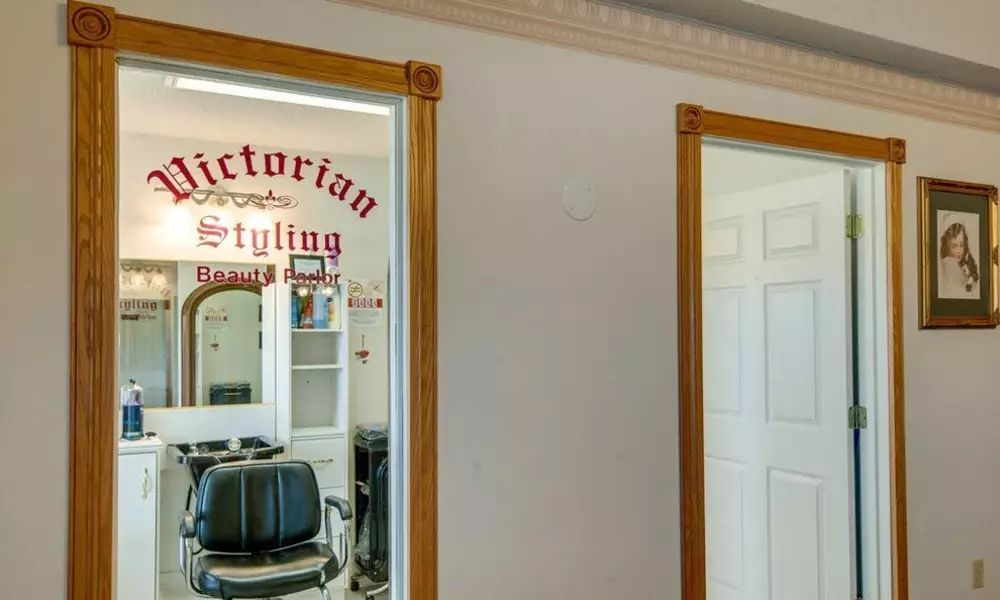
    Interior view of a vintage-style barber shop with a styling chair and mirror.
  • Decor

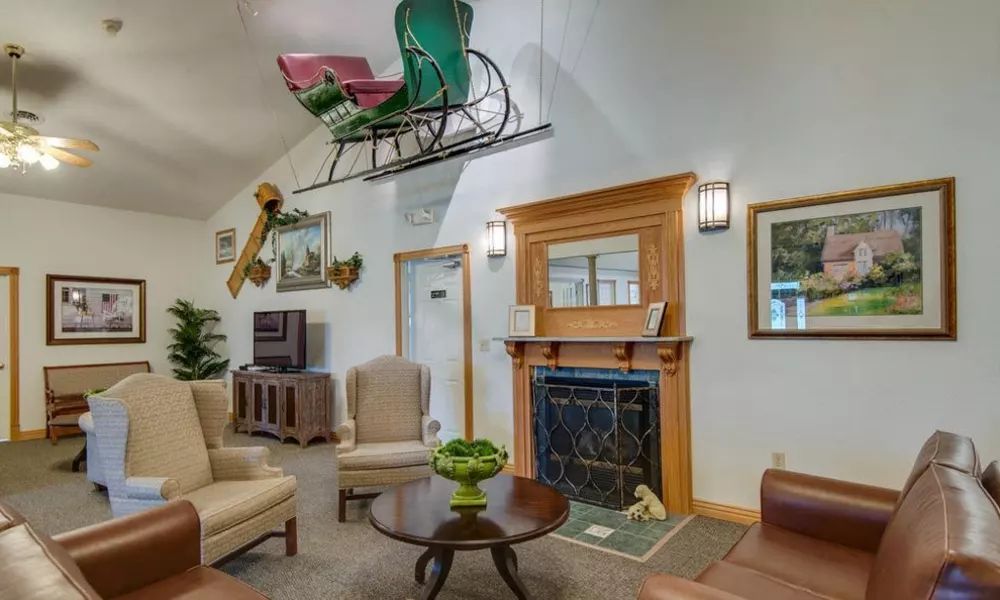
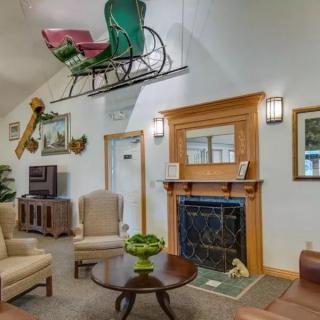
    A cozy living room with a unique decor, featuring a sleigh hung from the ceiling and a classic fireplace.
  • Living Room

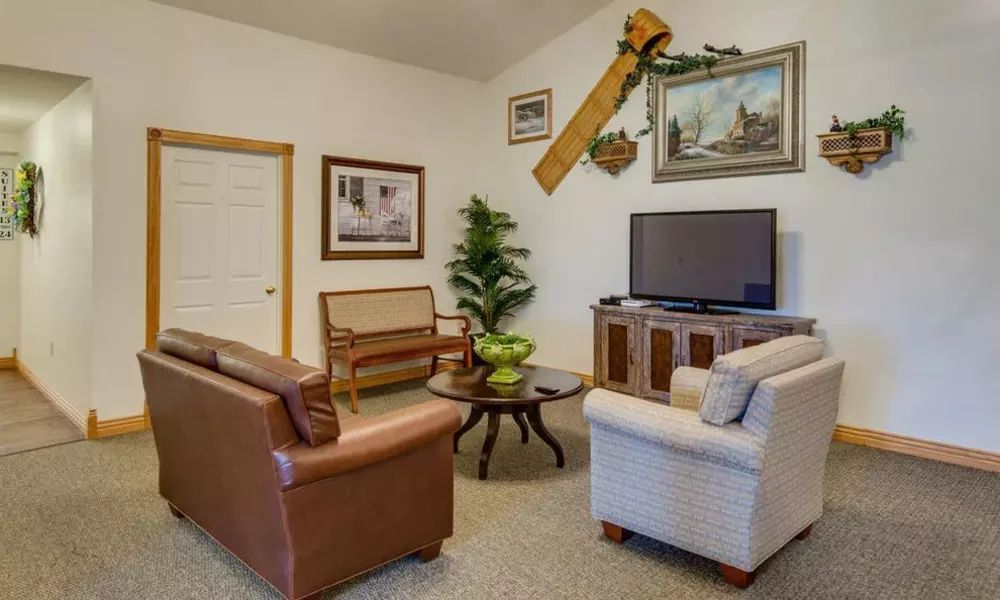
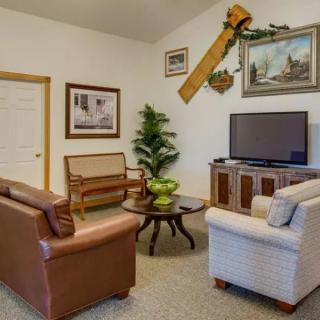
    A cozy living room with comfortable seating and stylish decor.
  • Building

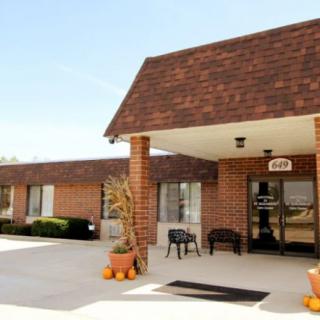
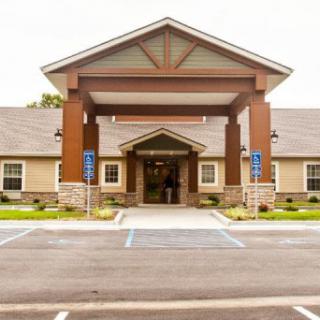
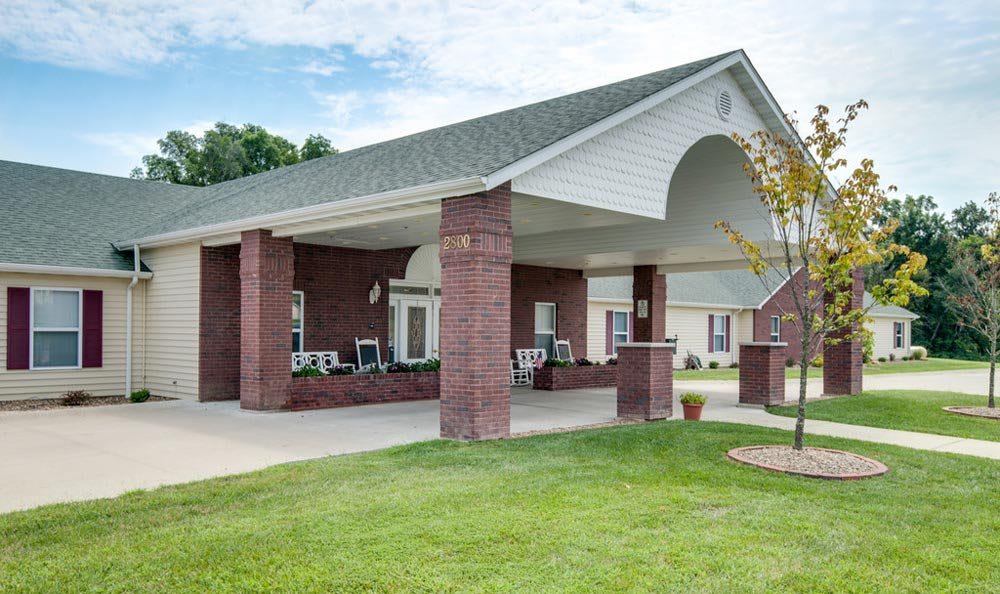
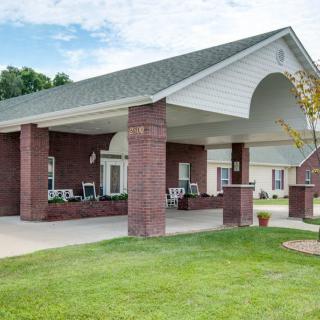
    A brick building with a large covered entrance and seating area.
  • Bedroom

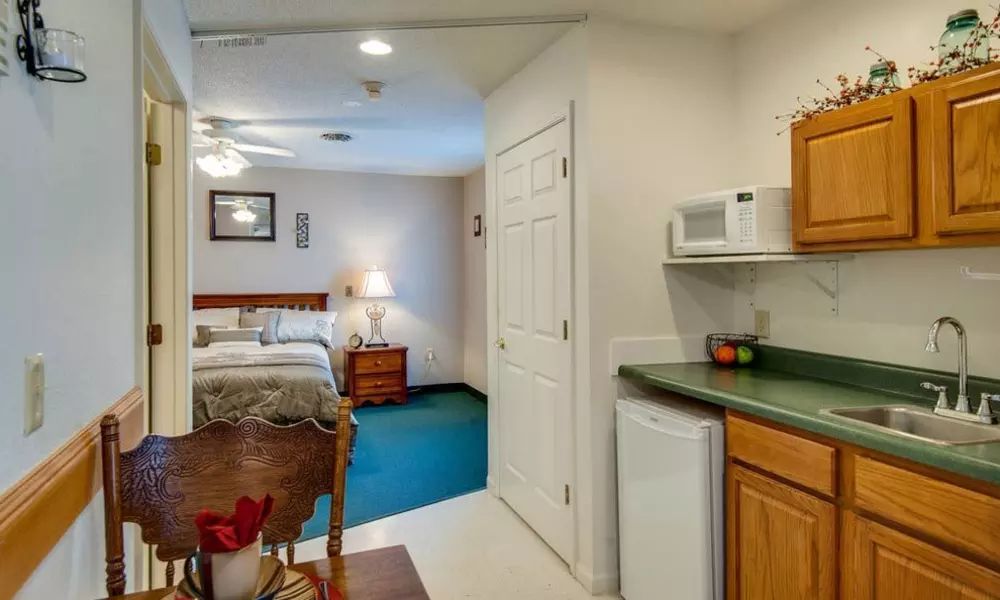
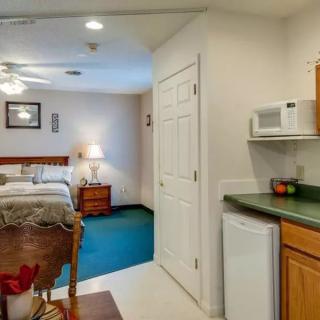
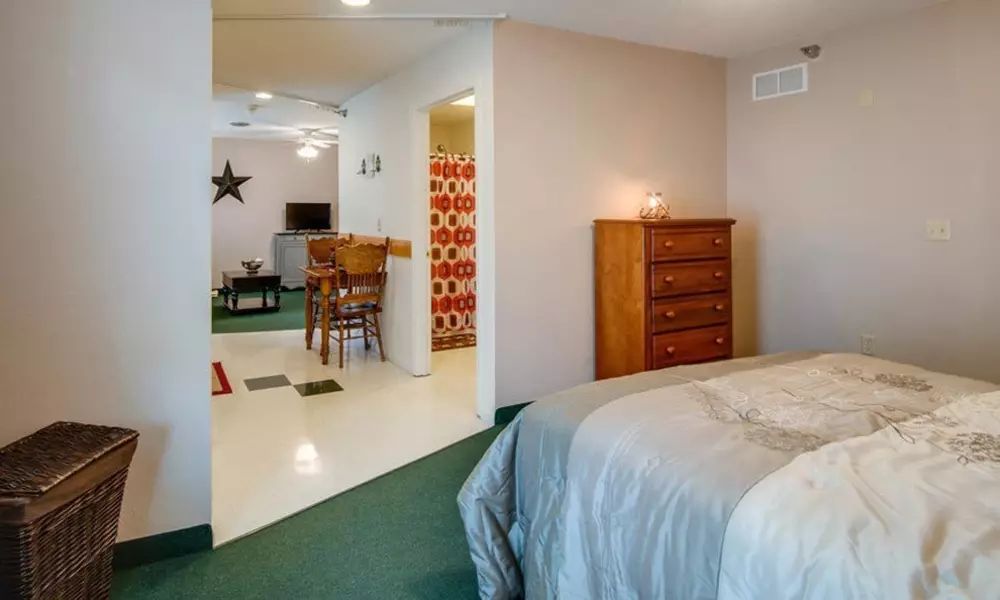
    A cozy studio apartment with a combined bedroom and kitchenette area.
  • Garden

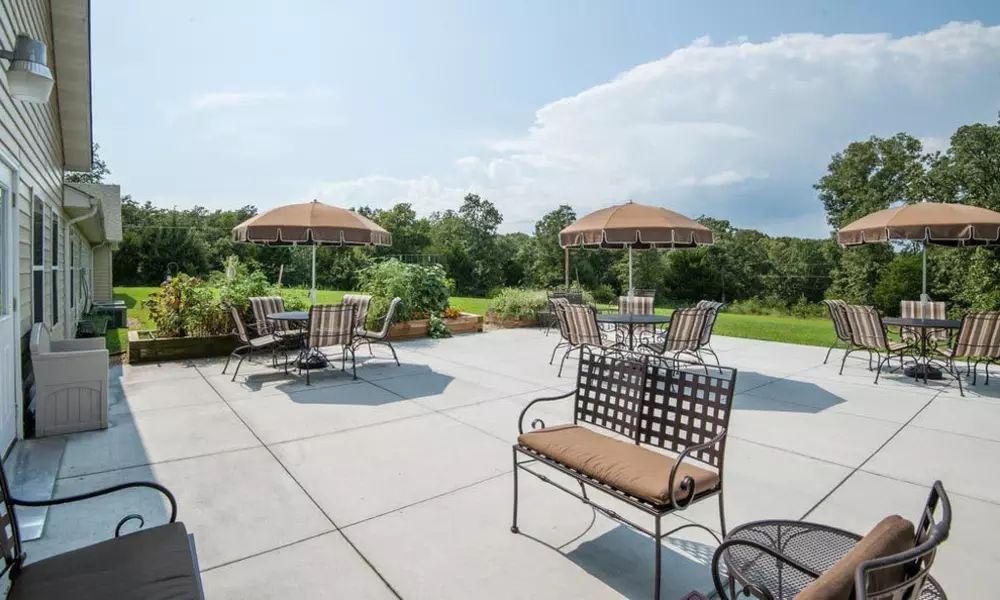
    A sunny patio area with tables, chairs, and umbrellas overlooking a garden.

Victorian Place of Vienna

112 Parkway, Vienna, MO 65582

For more information about senior living options: (844) 490-3973

3.3 from 3 reviews
5 stars
0
4 stars
2
3 stars
0
2 stars
1
1 stars
0

Assisted Living Memory Care

Victorian Place of Vienna Costs & Pricing

Victorian Place of Vienna offers a competitive pricing structure for its residents, particularly in comparison to the broader market of Osage County and the state of Missouri. For instance, the cost of a semi-private room is set at $1,860 per month, which significantly undercuts both the county average of $3,220 and the state average of $3,772. Similarly, their two-bedroom apartments are priced at $2,670 - again offering a more affordable option compared to Osage County's $3,235 and Missouri's $3,675. This pricing strategy positions Victorian Place as an appealing choice for those seeking quality care at a more accessible price point within the region.

Floor plansVictorian Place of ViennaOsage CountyMissouri
Semi-Private$1,860$3,220$3,772
2 Bedrooms$2,670$3,235$3,675

Overall Review of Victorian Place of Vienna

Pros

  • pro They have done a really good job.
  • pro They have made it a very smooth transition.
  • pro She is getting along really well.
  • pro The staff are all very friendly and helpful.

Cons

  • pro The facility is inadequately equipped to provide proper patient care.
  • pro The staff appears to be poorly trained to meet the care standards required.

Review

Victorian Place of Vienna is best suited for seniors who want a warm, community-oriented assisted living environment and value approachable staff to ease the move from independent living. It works well for residents who require moderate daily assistance, mobility support, and routine caregiving but do not demand intensive clinical oversight. The setting appears comfortable with amenities that support everyday living, and the emphasis is on steady routines and social engagement. For someone prioritizing companionship, reassurance, and hands-on help with daily tasks, this community can deliver a solid, low-stress transition.

Those with higher medical acuity should carefully consider alternatives. The strongest warning in the available feedback centers on clinical readiness: inadequate equipment for proper patient care and questions about staff training. Families facing ongoing or complex healthcare needs - medication management, wound care, frequent nursing interventions, or unstable health - will want a setting with robust on-site nursing, clear care protocols, and reliable emergency response. In short, a community with stronger clinical readiness is a safer match for higher-care residents.

On the upside, the pros hinge on the human side of care. Reviewers consistently describe a friendly, helpful staff culture that makes residents feel seen and supported. The transition from living at home to assisted living is portrayed as smooth, reducing relocation stress and helping residents adjust quickly. This social warmth translates into better adherence to daily routines, prompt assistance with mobility or transportation needs, and the potential for meaningful engagement in activities. For families prioritizing a positive social experience and daily reassurance, these strengths matter a great deal.

The primary caveat remains the clinical gap. Concerns about equipment and staff training are-not-ideal red flags, especially for residents who may experience health fluctuations or require precise medication administration and monitoring. When clinical oversight is inconsistent or gear isn't readily available to address urgent health issues, safety and continuity of care can suffer. The positivity of everyday interactions cannot fully compensate for the risk that medical needs may outpace the facility's capabilities. This tension should guide whether the community is seen as a long-term home or a temporary, transition-focused option.

Pros offset the cons only to a point. For individuals whose care requirements stay largely in the realm of daily living support - help with bathing, dressing, reminders, and mobility assistance - the welcoming staff and easy social integration can deliver meaningful quality-of-life gains. Those residents will likely appreciate predictable routines and the sense of community. However, for anyone whose health status could demand rapid clinical intervention or specialized services, the current gaps are significant enough to override the everyday positives. The decision should be anchored in a clear understanding of likely care needs and the facility's capacity to meet them reliably.

Practical next steps guide the decision. Begin with a thorough visit focused not just on atmosphere but on capability: request current staffing ratios and shifts, confirm the on-site medical presence and nursing availability, and review the scope of services included in the care package. Ask for details on training standards, recent competency assessments, and the facility's emergency protocols. Inspect equipment essential to safe care and observe how staff respond to a real-time call for assistance. Gather feedback from current residents and families about consistency of care, response times, and any health events. Finally, compare with alternatives in Vienna and surrounding areas, weighing social fit and care readiness. If medical stability is likely and companionship is the top priority, Victorian Place of Vienna merits careful consideration; if medical needs could escalate, pursue options with stronger clinical infrastructure.

Features

Types of Care

  • Assisted Living Assisted LivingAssisted living facilities provide crucial support and care for seniors who may need help with daily tasks such as medication management, bathing, and meal preparation. These communities offer a safe and comfortable environment where seniors can maintain their independence while receiving the assistance they need to thrive in their golden years.
  • Memory Care Memory CareMemory care is crucial for seniors as it provides specialized support and services for individuals with dementia or Alzheimer's disease. These programs offer a safe and secure environment where residents receive personalized care, cognitive stimulation, and help with daily activities. Memory care helps seniors maintain their independence, quality of life, and dignity while also providing peace of mind for their families.

Pets

  • Cats allowed Cats allowed"Pet friendly" senior living communities are important for seniors because pets provide companionship, reduce feelings of loneliness and depression, promote physical activity and mental stimulation, and offer a sense of purpose and responsibility. Pets can improve overall well-being and quality of life for seniors in many ways.
  • Dogs allowed Dogs allowed"Pet friendly" senior living communities are important for seniors because pets provide companionship, reduce feelings of loneliness and depression, promote physical activity and mental stimulation, and offer a sense of purpose and responsibility. Pets can improve overall well-being and quality of life for seniors in many ways.

Amenities

  • Activities off-site Activities off-siteEngaging in off-site activities is crucial for seniors to maintain social connections, stay active, and stimulate their minds. It promotes overall well-being and helps combat feelings of isolation and loneliness.
  • Activities on-site Activities on-siteActivities on-site are important for seniors because they provide opportunities for socialization, mental stimulation, physical activity, and overall well-being. Engaging in activities can help seniors stay active, maintain their independence, and improve their quality of life.
  • Beautician on-site Beautician on-siteHaving a beautician on-site at a senior living community is important for seniors as it allows them to easily access grooming and personal care services, boosting their self-esteem and overall well-being. It also provides convenience and helps seniors maintain their sense of independence and personal style.
  • Cable or satellite TV Cable or satellite TVCable or satellite TV is important for seniors because it provides entertainment, news, and companionship, helping to combat loneliness and boredom. It also offers a wide range of programming options tailored to different interests and preferences.
  • Devotional services off-site Devotional services off-siteDevotional services off-site are important for seniors as they provide spiritual nourishment, social engagement, and a sense of community outside of the senior living facility. This can enhance overall well-being and help combat feelings of isolation and loneliness often experienced by older adults.
  • Devotional services on-site Devotional services on-siteDevotional services on-site provide seniors with spiritual support and a sense of community, as well as an opportunity for reflection and guidance during their senior living experience. This can promote emotional well-being and connection to others, leading to a more fulfilling and enriching lifestyle in their later years.
  • Dining room Dining roomDining rooms are important for seniors as they provide a space for socialization, connection, and nutritious meals. They offer opportunities for residents to bond over shared meals, foster a sense of community, and promote healthy eating habits. Dining rooms also ensure that seniors have access to well-balanced meals tailored to their dietary needs and preferences.
  • Fully furnished Fully furnishedFully furnished senior living communities are important for seniors because they provide convenience, comfort, and a hassle-free moving experience. Seniors can easily settle into their new living space without the stress of having to buy and move furniture. This allows them to focus on enjoying their new home and community.
  • Garden GardenGardens are important for seniors as they provide a peaceful and therapeutic environment for relaxation, physical activity, and socialization. Being in nature has been shown to reduce stress, improve mood, and promote overall well-being. Gardens also offer opportunities for seniors to engage in gardening activities, which can improve mobility, flexibility, and cognitive function. Additionally, gardens create a sense of community and connection with others who share a passion for plants and outdoor spaces.
  • Ground floor units Ground floor unitsGround floor units are important for seniors because they provide easy accessibility, reduced risk of falls and injuries, and convenience for those with mobility issues. Seniors can avoid climbing stairs or using elevators, making daily tasks and activities more manageable and enjoyable.
  • Housekeeping services Housekeeping servicesHousekeeping services are important for seniors because they help maintain a clean and safe living environment, promote independence, and reduce the risk of accidents or illnesses. Additionally, having assistance with household chores can alleviate physical strain and allow seniors to focus on other aspects of their well-being.
  • Indoor common areas Indoor common areasIndoor common areas are crucial for seniors as they provide a space for socialization, recreation, and community engagement, promoting overall well-being and reducing feelings of isolation and loneliness.
  • Move-in coordination Move-in coordinationMove-in coordination is important for seniors because it helps ease the transition into their new living environment. It ensures that all logistics, such as packing, organizing movers, and setting up utilities are taken care of, allowing seniors to focus on settling in and adjusting to their new home. Having a smooth move-in process can alleviate stress and anxiety, making the transition smoother and more enjoyable for seniors.
  • Outdoor common areas Outdoor common areasOutdoor common areas are important for seniors as they provide a space for socialization, physical activity, and relaxation. Being outside in nature can improve mood and overall well-being, while also encouraging movement and engagement with others. These spaces can help combat feelings of isolation and promote a sense of community among residents.
  • Outdoor space Outdoor spaceOutdoor spaces are important for seniors as they provide opportunities for physical activity, social interaction, exposure to natural light and fresh air, and a sense of connection to nature. Having access to outdoor spaces can improve overall well-being and quality of life for older adults living in senior communities.
  • Respite or short term stays offered Respite or short term stays offeredRespite or short term stays provide seniors with a temporary solution when their regular caregiver is unavailable, offering them the opportunity to receive additional care and support during times of need, while also giving caregivers a chance to rest and recharge.
  • Telephone TelephoneTelephones are important for seniors as they provide a lifeline for communication with loved ones, emergency services, and healthcare providers. They offer a sense of security and independence, enabling seniors to stay connected and access assistance when needed.
  • Wi-Fi/high-speed internet available Wi-Fi/high-speed internet availableWi-Fi/high-speed internet is important for seniors to stay connected with loved ones, access online resources, and participate in virtual activities to combat feelings of loneliness and isolation. It also allows them to easily manage healthcare needs, access entertainment, and engage in lifelong learning opportunities.

Care Services

  • 24-hour supervision 24-hour supervision24-hour supervision is important for seniors to ensure their safety, well-being, and access to immediate assistance in case of emergencies or health issues. This constant support provides peace of mind for both seniors and their loved ones, allowing them to age in place with dignity and security.
  • Activities of daily living assistance Activities of daily living assistanceActivities of daily living assistance are important for seniors because they provide essential support with tasks such as eating, bathing, dressing, and mobility. This assistance helps seniors maintain their independence, dignity, and overall quality of life as they age.
  • Ambulatory care Ambulatory care"Ambulatory care services provide essential medical support and treatment to seniors without requiring hospitalization, allowing them to maintain their independence and quality of life while managing chronic conditions or receiving routine medical care."
  • Assistance with bathing Assistance with bathingAssistance with bathing is crucial for seniors as it helps maintain personal hygiene, prevents infections, and ensures their overall well-being and comfort. It also provides a sense of dignity and independence for seniors who may struggle with this task on their own.
  • Assistance with dressing Assistance with dressingAssistance with dressing is important for seniors because it helps maintain their independence, promotes personal hygiene, prevents accidents and injuries, and improves overall quality of life. This service ensures that seniors can continue to dress comfortably and confidently, despite any physical limitations they may have.
  • Assistance with transfers Assistance with transfersAssistance with transfers is crucial for seniors as it helps prevent falls and injuries, maintains their independence, and ensures they can safely navigate their living environment. It also provides peace of mind for both seniors and their loved ones.
  • Coordination with health care providers Coordination with health care providersCoordination with health care providers is crucial for seniors to ensure proper medical care, medication management, and overall well-being. This collaboration helps prevent overlapping treatments, track progress more effectively, and provide comprehensive support tailored to individual needs.
  • Dementia waiver Dementia waiverDementia waivers are essential for seniors as they provide critical protections and accommodations for those experiencing cognitive decline. These waivers ensure individuals with dementia receive appropriate care, support, and resources to maintain their quality of life and dignity as they navigate the challenges of this progressive condition.
  • Diabetes diet Diabetes dietA diabetes diet is crucial for seniors as it helps manage blood sugar levels, reduce risks of complications, and improve overall health and well-being. By following a balanced and nutritious diet tailored to their specific needs, seniors can better control their diabetes and enhance their quality of life.
  • Diabetic care Diabetic careDiabetic care is crucial for seniors as they are more susceptible to developing diabetes due to aging and other health conditions. Proper management of diabetes can help prevent complications such as heart disease, vision loss, and nerve damage, improving the overall quality of life for seniors in senior living communities.
  • Hospice waiver Hospice waiverHospice waivers are important for seniors because they allow individuals to receive specialized end-of-life care and support at home or in a hospice facility. This waiver ensures that seniors can access the necessary resources and services to maintain comfort and dignity during their final days.
  • Incontinence care Incontinence careIncontinence care is essential for seniors to maintain their dignity, hygiene, and overall quality of life. By addressing incontinence issues promptly and effectively, seniors can enjoy a sense of independence and comfort in their daily activities.
  • Meal preparation and service Meal preparation and serviceMeal preparation and service are crucial for seniors as they may have limited mobility or energy to cook nutritious meals. Having access to healthy and convenient food options can ensure they are getting the proper nutrition needed to maintain their overall health and well-being.
  • Medication management Medication managementMedication management is crucial for seniors to ensure they are taking the right medications at the correct dosages and times. This helps prevent adverse drug interactions, reduces the risk of medication errors, and promotes overall health and well-being. Proactive management also allows for adjustments as needed based on changing health conditions or new prescriptions.
  • Mental wellness program Mental wellness programMental wellness programs are essential for seniors as they promote cognitive stimulation, emotional support, and social engagement. These programs help prevent isolation, depression, and cognitive decline, ultimately enhancing the overall quality of life for older adults.
  • Mild cognitive impairment Mild cognitive impairment"Mild cognitive impairment" is important for seniors because it is an early stage of cognitive decline that can potentially progress to more severe conditions such as dementia. Recognizing and addressing mild cognitive impairment can help seniors receive appropriate care and support to maintain their quality of life and independence for as long as possible.
  • Special dietary restrictions Special dietary restrictionsSpecial dietary restrictions are important for seniors because age-related changes in metabolism and health conditions can make it difficult for their bodies to process certain foods. By following a diet tailored to their specific needs, seniors can maintain their overall health and well-being, manage chronic conditions, and reduce the risk of complications such as malnutrition or food interactions with medications.
  • Specialized memory care programming Specialized memory care programmingSpecialized memory care programming is crucial for seniors with cognitive impairments such as dementia or Alzheimer's disease. These programs provide a safe and supportive environment tailored to the unique needs of individuals with memory loss, helping them maintain their independence, dignity, and quality of life.
  • Transportation arrangement (medical) Transportation arrangement (medical)Transportation arrangements for medical purposes are essential for seniors as they may have difficulty driving themselves to appointments or accessing public transportation. Having reliable and safe transportation options ensures that seniors can receive timely medical care and maintain their health and well-being.
  • Transportation to doctors appointments Transportation to doctors appointmentsTransportation to doctors' appointments is crucial for seniors as it ensures they have access to necessary medical care and support for their health needs. Without reliable transportation, seniors may struggle to attend important appointments, leading to potential delays in treatment and health complications. Providing transportation services helps seniors maintain their overall well-being and quality of life.

Dining

  • Anytime dining Anytime diningAnytime dining is important for seniors because it allows them the flexibility to eat when they are hungry, rather than being restricted to set meal times. This can be especially beneficial for those with medical conditions or medications that affect their appetite, as well as those who may have difficulty adhering to a strict dining schedule. Overall, anytime dining promotes independence and overall well-being for seniors in senior living communities.
  • Diabetes diet Diabetes dietA diabetes diet is crucial for seniors as it helps manage blood sugar levels, reduce risks of complications, and improve overall health and well-being. By following a balanced and nutritious diet tailored to their specific needs, seniors can better control their diabetes and enhance their quality of life.
  • Guest meals Guest mealsGuest meals are important for seniors living in senior living communities because they provide an opportunity for socialization and companionship. Sharing a meal with friends, family, or new acquaintances can help combat feelings of loneliness and isolation, promote a sense of community, and enhance overall well-being. Additionally, guest meals allow seniors to enjoy delicious food in a comfortable setting without the hassle of cooking or cleaning up, making dining a pleasurable and stress-free experience.
  • International cuisine International cuisineInternational cuisine is important for seniors because it offers a variety of flavors, ingredients, and cultural experiences that can help keep their meals interesting and enjoyable. Trying new dishes can also stimulate the senses and provide different nutrients that contribute to overall health and well-being. Additionally, exploring international cuisine can bring back fond memories of travels or childhood experiences, making mealtime more nostalgic and fulfilling for seniors.
  • Meals provided Meals provided"Meals provided" are crucial for seniors in assisted living communities as it ensures they have access to nutritious, balanced meals without the stress of meal planning and preparation. This can help promote overall health and well-being for seniors who may have limited mobility or cognitive abilities.
  • Room service Room serviceRoom service is important for seniors in a senior living community because it provides convenience and allows them to have their meals delivered directly to their room. This can be especially beneficial for seniors who may have mobility issues or difficulty accessing the dining area. Room service ensures that seniors are able to receive nutritious meals without having to navigate through the facility, allowing them to maintain their independence and overall well-being.
  • Special dietary restrictions Special dietary restrictionsSpecial dietary restrictions are important for seniors because age-related changes in metabolism and health conditions can make it difficult for their bodies to process certain foods. By following a diet tailored to their specific needs, seniors can maintain their overall health and well-being, manage chronic conditions, and reduce the risk of complications such as malnutrition or food interactions with medications.

Activities

  • Community-sponsored activities Community-sponsored activitiesCommunity-sponsored activities are important for seniors as they provide opportunities for social interaction, mental stimulation, and physical activity. These activities can help improve overall well-being, combat loneliness and isolation, and promote a sense of belonging and purpose among older adults.
  • Cooking classes Cooking classesCooking classes are important for seniors as they provide opportunities for social interaction, enhance cognitive skills, promote healthy eating habits, and boost confidence in the kitchen.
  • Day trips and outings Day trips and outingsDay trips and outings are important for seniors as they provide opportunities for socialization, mental stimulation, physical activity, and a break from daily routines. These experiences can enhance overall well-being and quality of life for older adults living in senior communities.
  • Devotional activities offsite Devotional activities offsiteDevotional activities offsite are important for seniors because they provide social engagement, spiritual growth, and a sense of community outside of their living environment. This can improve overall well-being, mental health, and combat feelings of isolation or loneliness.
  • Devotional activities on-site Devotional activities on-siteDevotional activities on-site provide seniors with a sense of community, spiritual fulfillment, and emotional support, promoting overall well-being and a positive sense of purpose in their lives.
  • Educational speakers / life long learning Educational speakers / life long learningEducational speakers and lifelong learning opportunities are crucial for seniors as they provide mental stimulation, promote social engagement, and contribute to overall well-being. Continuous learning helps seniors stay mentally sharp, build new skills, and maintain a sense of purpose and fulfillment in their lives. It also allows them to stay connected to the world around them and fosters a sense of community within senior living facilities.
  • Live dance or theater performances Live dance or theater performancesLive dance or theater performances are important for seniors because they provide opportunities for socialization, mental stimulation, and emotional engagement. These performances can help combat feelings of isolation and loneliness, while also offering a sense of connection to the arts and culture. Additionally, watching live performances can bring joy and create lasting memories for seniors in their later years.
  • Live musical performances Live musical performancesLive musical performances can provide seniors with a sense of joy, nostalgia, and connection. Music has the power to evoke emotions and memories, improve mood and cognitive function, and foster social interaction among seniors. It can also serve as a form of therapy and stress relief for older adults, making it an important activity to include in senior living communities.
  • Live well programs Live well programs"Live well programs are essential for seniors as they provide opportunities for physical activity, social engagement, and mental stimulation, ultimately promoting overall health and well-being in later years."
  • Scheduled daily activities Scheduled daily activitiesScheduled daily activities are important for seniors because they provide structure, socialization, mental stimulation, and physical activity. Engaging in regular activities can improve overall well-being and quality of life for seniors living in a community setting.
  • Stretching classes Stretching classesStretching classes are important for seniors because they help improve flexibility, reduce the risk of injury, and promote overall health and well-being. Regular stretching can also help alleviate joint pain and stiffness, enhance balance and coordination, and increase range of motion.
  • Wine tasting Wine tastingWine tasting can be a fun and social activity for seniors, allowing them to engage their senses, learn about different varieties of wine, and potentially meet new friends. It also offers health benefits such as improved cognitive function and reduced risk of heart disease when consumed in moderation.
  • Yoga / chair yoga Yoga / chair yogaYoga and chair yoga are important for seniors as they promote flexibility, balance, strength, and overall wellbeing. These practices can help improve mobility, reduce stress, and enhance mental clarity, ultimately leading to a higher quality of life in their senior years.

Description

Victorian Place of Vienna in Vienna, MO is an exceptional assisted living community that specializes in memory care services. Our residents receive personalized care and assistance with daily activities, ensuring their comfort and well-being.

Our community offers a variety of amenities to enhance the quality of life for our residents. We have a vibrant activities program that includes on-site activities such as cooking classes, wine tasting, stretching classes, and educational speakers. Additionally, we organize day trips and outings to provide our residents with opportunities for socialization and engagement.

At Victorian Place of Vienna, we understand the importance of maintaining one's appearance and offer the convenience of an on-site beautician. Residents can also enjoy cable or satellite TV in their fully furnished units. Our indoor common areas are designed for relaxation and socializing while our outdoor common areas provide a serene space for enjoying nature.

We prioritize the health and well-being of our residents by offering a range of care services. Our dedicated staff is available to provide assistance with everyday tasks such as bathing, dressing, and transfers. We also coordinate with healthcare providers to ensure that our residents receive optimal medical care. Medication management is provided to ensure the proper administration of medications.

Meals at Victorian Place of Vienna are catered to individual dietary needs. We offer diabetes diets and special dietary restrictions can be accommodated. Residents can enjoy delicious meals in our dining room or have meals provided in their own rooms through room service. Guests are welcome to join residents for meals as well.

Engaging in various activities contributes to mental wellness, which is why we offer diverse programs like live dance or theater performances, live musical performances, devotional activities both on-site and off-site, and scheduled daily activities catering to different interests. Additionally, we have a mental wellness program focusing on promoting cognitive health.

Transportation arrangements are made for medical appointments to ensure easy access to necessary healthcare services. For added convenience, there is Wi-Fi/high-speed internet available throughout the community.

Victorian Place of Vienna is conveniently located near pharmacies, making it convenient for residents to access their medication needs.

In summary, Victorian Place of Vienna provides exceptional memory care services in a warm and inviting environment. With a wide range of amenities and care services, our community promotes comfort, engagement, and overall well-being for our residents.

Nearby Places of Interest

Located in Vienna, Missouri, this area offers a variety of amenities and services that cater to senior living. With pharmacies such as Sinks Pharmacy and CVS Pharmacy nearby, residents have easy access to medications and healthcare supplies. Several places of worship like Holy Family Catholic Church and Pilot Knob Baptist Church provide spiritual support for those seeking a religious community. There are also multiple dining options including Sugar Creek Restaurant and Ms Kitty's Place for convenient meals. Medical care is readily available with physicians like Dixon Family Practice and hospitals like Phelps County Regional Medical Center within close proximity. Parks like Mark Twain National Forest offer opportunities for outdoor recreation, while theaters like Regal Forum provide entertainment options. Transportation services such as City Cab ensure easy access to surrounding areas. Overall, this part of Vienna provides a well-rounded environment for seniors looking for a comfortable and convenient place to live.

Pharmacies

  • Sinks Pharmacy (0.5 miles)
  • Country Mart Ace (14.9 miles)
  • CVS Pharmacy (19.1 miles)

Places of Worship

  • Holy Family Catholic Church (9 miles)
  • Pilot Knob Baptist Church (11.6 miles)
  • Ricker Memorial Church (12.5 miles)
  • Southern Baptist Convention (13.7 miles)
  • Church of God Vichy Campground (14 miles)
  • Saint Cecilias Catholic Church (14.5 miles)
  • Cas Projects (14.6 miles)

Restaurants

  • 1905 Tavern (9.1 miles)
  • Sugar Creek Restaurant (14.4 miles)
  • Johnson's Snackette (15.5 miles)
  • Ms Kitty's Place (17.6 miles)
  • Burgos Home Cooking Rolla (18.1 miles)
  • Ay Caramba Mexican Restaurant (18.5 miles)
  • Steak 'n Shake (18.6 miles)

Physicians

  • Dixon Family Practice (15.5 miles)
  • Argyle Family Health Clinic (17.5 miles)
  • Capital Region Physicians - St. Elizabeth (17.5 miles)
  • Womens Health Center - PCRMC Medical Group (18.7 miles)
  • Central Missouri Pain Clinic (18.7 miles)
  • Christopher Baldwin, MD (18.7 miles)
  • Radiation Oncology Center (18.7 miles)

Hospitals

  • Phelps County Regional Medical Center Medical Group (18.7 miles)
  • St John's Outpatient Surgery Center (19.1 miles)
  • Phelps County Regional Medical Center (19.2 miles)
  • East Central College Nurse Training (19.3 miles)

Cafes

  • Scooter's Coffee (18.7 miles)
  • Starbucks (18.7 miles)
  • The Giddy Goat Coffeehouse (19 miles)
  • The Panda Cafe (19 miles)
  • The Purest Coffee (19 miles)

Parks

  • Mark Twain National Forest (18.9 miles)
  • Schuman Park (19 miles)
  • Splash Zone Waterpark (19.2 miles)
  • Ridgeview Park (19.3 miles)

Theaters

  • Regal Forum (19.1 miles)

Transportation

  • City Cab (19.3 miles)

Frequently Asked Questions

How much does it cost to live at Victorian Place of Vienna in Vienna, MO?
Where is Victorian Place of Vienna?
Does Victorian Place of Vienna provide care for residents with dementia or Alzheimer's disease?
Does Victorian Place of Vienna allow residents to have pets?
What photos are available for Victorian Place of Vienna in Vienna, Missouri?

Nearby Communities

  • Marie's Manor

    Marie's Manor

    Vienna, MO

    5 from 4 reviews
     

    pro Compassionate, attentive staff delivering personalized care and a welcoming, family-like atmosphere.

  • Victorian Estates II

    Victorian Estates II

    Belle, MO


    pro Diabetic care with engaging activities and comfortable common areas.

  • Dixon Nursing & Rehab

    Dixon Nursing & Rehab

    Dixon, MO


    pro Extensive on-site amenities and 24/7 supervision.

  • St Elizabeth Care Center

    St Elizabeth Care Center

    Saint Elizabeth, MO


    pro Comprehensive amenities and 24/7 care (dining, salon, fitness, activities, transportation).

  • Silverstone Place

    Silverstone Place

    Rolla, MO


    pro Extensive amenities with 24/7 care and engaging activities

  • Westphalia Hills A Stonebridge Community

    Westphalia Hills A Stonebridge Community

    Westphalia, MO

     
    $3,150 to $3,800 / month

    pro Intimate multi-care community (memory care + skilled nursing) with 24/7 supervision, restaurant-style dining, and on-site amenities (salon, garden, activities).

  • Oak Pointe of Rolla

    Oak Pointe of Rolla

    Rolla, MO

    4.7 from 37 reviews
    $4,325 to $5,850 / month

    pro Excellent staff and dining with active daily programs.

  • Rolla Presbyterian Manor

    Rolla Presbyterian Manor

    Rolla, MO

    3.9 from 12 reviews
    $2,450 to $4,680 / month

    pro Offers independent, assisted, and memory care with attentive staff and an active community.

  • Chapel Hill Commons III

    Chapel Hill Commons III

    Jefferson City, MO

    5 from 6 reviews
    $517 / month

    pro Friendly, accommodating staff and a welcoming community; very affordable rent.

Assisted Living in Nearby Cities

Related Resources

  • does my mom have dementia quizFive Subtle Dementia Indicators to Observe: An In-Depth Guide to Understanding “Does My Mom Have Dementia?”

    The article presents five subtle indicators of dementia, such as memory lapses and mood swings, to help families assess cognitive decline in loved ones. It emphasizes early detection, open communication, and seeking professional help while providing practical support steps.

  • dementia paranoiaDementia, Paranoia, and Caregiver Guidance: Understanding the Connection
    Dementia encompasses progressive neurological disorders that impair cognitive functions and can lead to paranoia due to cognitive decline and emotional changes. The article discusses the triggers of paranoia in dementia, caregiver strategies for managing it, and the importance of distinguishing between dementia-related paranoia and other psychiatric conditions.

  • memory care activitiesEngaging Memory Care Activities That Enhance Quality of Life
    Memory care activities are essential for improving the quality of life of seniors with cognitive impairments, as they stimulate cognitive function, promote well-being, and encourage social interaction through tailored strategies. These activities combine structured exercises with spontaneous tasks, sensory engagement, physical workouts, creative pursuits, and intergenerational interactions to enhance emotional connection and a sense of purpose.