
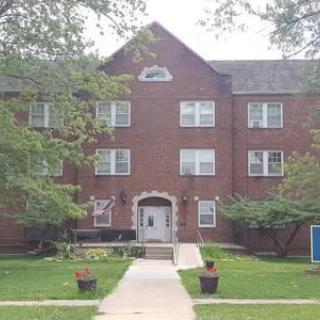
109 East Crowder Road, Trenton, MO 64683
For more information about senior living options: (866) 208-4318
Overall Review of Premier Residential Care
Pros
 It is a great place.
Cons
 They treated adults like children.
- They isolated residents to keep girls and boys apart despite an agreement for appropriate behavior between two residents who liked each other.
- They allowed the male resident who inappropriately touched and threatened a female resident to remain, while forcing the female to leave.
- They stated it was in the best interest of everyone.
- They claimed there was a restraining order on the female when none was issued.
- They used that claim as an excuse to not allow her to pack her own belongings.
- The reviewer questions how this would help anyone heal or receive proper care.
Review
Premier Residential Care in Trenton, Missouri is best suited for adults who need help with daily living in a modest, low-key setting and for families prioritizing affordability and proximity over aggressive safeguards. The community can deliver straightforward routines and a neighborly atmosphere that may feel comforting to residents who donā€™t require intensive medical oversight. For those with a clear plan for supervision and who value a simple pace, Premier can be a reasonable match. The positives hinge on stable, respectful staff conduct and predictable responses to conflicts , factors that appear inconsistent from the available accounts.
Alternatives should be strongly considered for residents or families where personal safety, clear boundaries, and rights protection are paramount. If there is a history of harassment, legal action, or disputes between residents, a facility with transparent, enforceable procedures and decisive action to separate aggressors is essential. Likewise, anyone who expects consistent adherence to resident autonomy, including the right to pack belongings and to know who shares the facility, will want to look elsewhere. In short, when safety and fair process are top priorities, Premier may fall short.
On the upside, Premier can feel welcoming and provide basic companionship and daily structure. For residents who only need help with activities of daily living, simple supervision, and a stable routine, the environment might meet those minimal expectations. The clear advantage is proximity to family and the potential for a close-knit community with a predictable schedule. Yet these modest gains are undercut if core expectations around safety and rights are left to inconsistent judgment rather than firm policy and trained oversight.
Illustrative concerns center on how a serious incident was handled: a female resident faced inappropriate behavior from a male resident, leading to a restraining order and a decision to remove the female while allowing the offender to remain. The response described depicts a prioritization of perceived harmony over individual safety and due process. The claim that the female lacked a restraining order, or could not pack belongings, points to miscommunication and potential policy manipulation. Regardless of intent, this type of decision-making erodes trust, raises the risk of coercive pressure on vulnerable residents, and signals weak governance around safeguarding.
Families evaluating Premier should press for concrete answers: written safety policies, clear procedures for handling conflicts, documented steps to separate problematic residents, and an explicit non-retaliation framework. Demand transparency on how emergency decisions are made, who enforces protections or removals, and how residents' belongings are managed during transitions. A visit should include candid conversations with direct-care staff, a tour of the incident reporting system, and unvarnished discussions with current residents about day-to-day safety and responsiveness. If these assurances cannot be delivered, alternatives with stronger governance and accountability should be pursued.
Bottom line: Premier Residential Care may serve as a budget-conscious option for basic assistance, but the safety and rights concerns raised by the available accounts are substantial. For families where personal safety, consistent policy, and respectful treatment are non-negotiable, exploration of other local options is warranted. When due diligence is performed, comparing care levels, staffing, and resident satisfaction across facilities, the choice will hinge on governance and safety: favoring options that enforce clear boundaries and transparent processes over a welcoming veneer that masks unresolved tensions.
 13 resident community capacity
 Assisted Living
 Board and Care Home
 Cable or satellite TV
 Dining room
 Fully furnished
 Garden
 Housekeeping services
 Move-in coordination
 Outdoor space
 Telephone
 Wi-Fi/high-speed internet available
 24-hour supervision
 Activities of daily living assistance
 Assistance with bathing
 Assistance with dressing
 Assistance with transfers
 Diabetes diet
 Meal preparation and service
 Medication management
 Special dietary restrictions
 Transportation arrangement (medical)
 Transportation to doctors appointments





 Medicare Coverage for Assisted Living: An In-Depth Exploration
 Choosing the Right Senior Care: A Detailed Exploration of Assisted Living and Nursing Homes
 Understanding the True Cost of Assisted Living in 2025: A Comprehensive Guide