For more information about senior living options: (866) 208-4318
2.4 from 121 reviews
5 stars
36
4 stars
7
3 stars
1
2 stars
7
1 stars
70
Spring Valley Assisted Living Costs & Pricing
Spring Valley Assisted Living offers competitive pricing for its residents, particularly when compared to broader metrics within Greene County and the state of Missouri. For a studio apartment, the monthly cost at Spring Valley is $2,929, which is notably lower than both the county average of $3,280 and the state figure of $3,418. Similarly, their two-bedroom units are priced at $3,656 - above Greene County's average of $2,718 but slightly below the state average of $3,675. The semi-private rooms reflect a different trend with a higher monthly rate of $6,665; this significantly exceeds both Greene County's average ($3,760) and Missouri's ($3,772). Overall, while some options may be pricier at Spring Valley compared to local averages, their offerings provide distinct benefits that can justify these costs for families seeking assisted living solutions.
Floor plans
Spring Valley Assisted Living
Greene County
Missouri
Studio
$2,929
$3,280
$3,418
2 Bedrooms
$3,656
$2,718
$3,675
Semi-Private
$6,665
$3,760
$3,772
Memory care communities with a similar price nearby
Residents describe strong physical, occupational, and speech therapy support during rehab stays.
Multiple residents and families say the therapy department helped them make progress, including getting back on their feet after hospitalization and working toward independence. Several reviews specifically highlight physical therapy and occupational therapy as helpful, and a few mention speech therapy as part of the rehab plan. Even some reviews that are otherwise critical point to therapy staff as the best part of the stay.
common14 reviews mention this
Cleanliness and appearance divide opinions
Some residents describe a clean, bright environment, while others report persistent cleanliness problems.
Positive reviews describe the building as clean, bright, and well decorated, including praise tied to rooms and daily readiness. Other reviews counter that cleanliness was not maintained, with claims about dirty rooms, sheets not being changed, and unpleasant odors. A few middle-ground comments mention remodeling or renovation adding some messiness, while care quality varied by department and staff availability.
caveat26 reviews mention this
Staffing affects call response
Residents describe delays in answering call buttons and shortages affecting day-to-day care.
A recurring criticism is not getting help in time—reviews mention unanswered call lights, delayed responses, and times when residents were left waiting for assistance. Several reviews also describe staffing shortages, including reports that aides were unavailable for hygiene needs or that staff were spread too thin. A few families balance this by saying staff still worked hard, but that understaffing led to understandable delays.
common15 reviews mention this
Food quality is mixed
Meals are described as anywhere from acceptable to repeatedly served cold or poor quality.
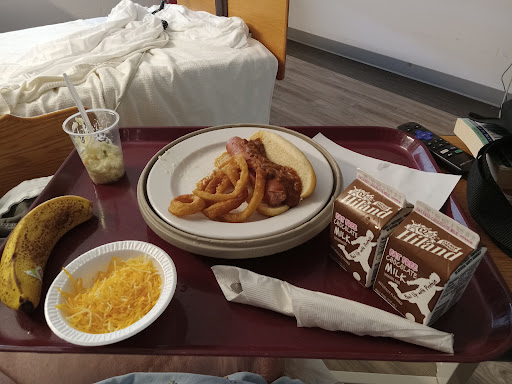
Some reviews say the food was decent or on par with institutional cooking, and a few mention meals being part of a positive overall rehab experience. Others describe meals as cold, poorly prepared, or not identifiable, including complaints about missing items like condiments. There are also reports of food delivery being missed, contributing to frustration during stays.
caveat8 reviews mention this
Rooms and common areas feel different
Reviews describe both remodeling improvements and ongoing aging or upkeep concerns.
Some reviews mention remodeling and updated areas, describing the facility as nice and newly remodeled. Others describe the building as outdated, dirty, or in need of major construction repairs, including specific concerns about bathrooms and showers. A few reviewers frame the condition as transitional—under renovation on one side while still reporting problems elsewhere.
How we summarize
Counts show how many written reviews mention each theme; a review can touch several themes, and only frequently mentioned themes are displayed.
Features
Types of Care
Assisted Living
Memory Care
Pets
Cats allowed
Dogs allowed
Amenities
Activities on-site
Beautician on-site
Devotional services on-site
Indoor common areas
Outdoor common areas
Respite or short term stays offered
Wheelchair accessible showers
Transportation
Springfield-Branson Regional (8 miles away)
Care Services
Ambulatory care
Diabetic care
Incontinence care
Dining
Meals provided
Activities
Activities on-site
Devotional activities on-site
Nearby Places of Interest
This area of Springfield, Missouri offers a variety of amenities and services that cater to the needs of seniors. With several renowned restaurants nearby, such as Captain D's, Haruno, and Olive Garden, residents can enjoy quality dining experiences. Additionally, there are multiple physicians' offices and hospitals in close proximity, ensuring easy access to healthcare services. Places of worship like Messiah Lutheran Church provide spiritual support, while pharmacies like CVS and Walgreens offer convenient access to medication. For leisure activities, seniors can visit cafes like Kingdom Coffee or catch a movie at Alamo Drafthouse Springfield. The nearby parks like Phelps Grove Park and Sequiota Park provide beautiful outdoor spaces for recreational activities. Overall, this part of Springfield provides a well-rounded community environment for seniors looking to settle down in the area.
Restaurants
Captain D's (0.2 miles)
Haruno (0.3 miles)
Sakura Japanese Sushi Bar & Grill (0.5 miles)
HuHot Mongolian Grill (0.5 miles)
Olive Garden (0.6 miles)
Chili's Grill & Bar (0.7 miles)
Nearly Famous Deli & Pasta House (0.7 miles)
Physicians
Allergy & Asthma Center-Ozarks (0.3 miles)
Clark, Johnathan, Md - Clark Family Practice (0.3 miles)
Springfield Surgical Specialists Asc (0.4 miles)
Clarke Surgical Center (0.4 miles)
Mercy Clinic Family Medicine - Smith Glynn Callaway - Suite 240 (0.5 miles)
Spring Valley Assisted Living offers competitive pricing for its residents, particularly when compared to broader metrics within Greene County and the state of Missouri. For a studio apartment, the monthly cost at Spring Valley is $2,929, which is notably lower than both the county average of $3,280 and the state figure of $3,418. Similarly, their two-bedroom units are priced at $3,656 - above Greene County's average of $2,718 but slightly below the state average of $3,675. The semi-private rooms reflect a different trend with a higher monthly rate of $6,665; this significantly exceeds both Greene County's average ($3,760) and Missouri's ($3,772). Overall, while some options may be pricier at Spring Valley compared to local averages, their offerings provide distinct benefits that can justify these costs for families seeking assisted living solutions.
Incontinence care is a vital feature at Spring Valley Assisted Living, designed to enhance the dignity and comfort of residents with dementia or Alzheimer's disease. This specialized support not only addresses the physical needs associated with incontinence but also alleviates the emotional distress that can arise from such challenges. By providing tailored assistance in a compassionate manner, caregivers help maintain individual hygiene and skin integrity while fostering a safe and reassuring environment. This, in turn, promotes residents' overall well-being and allows them to focus on their social interactions and cognitive engagement, which are crucial for their mental health and quality of life.
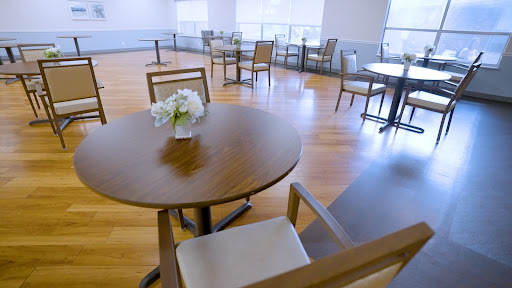
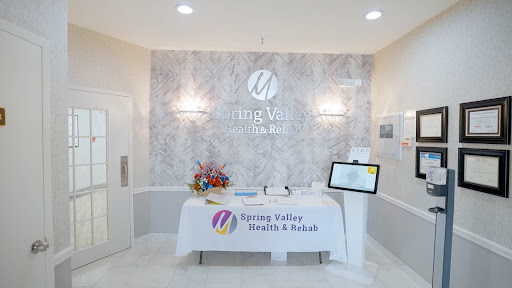
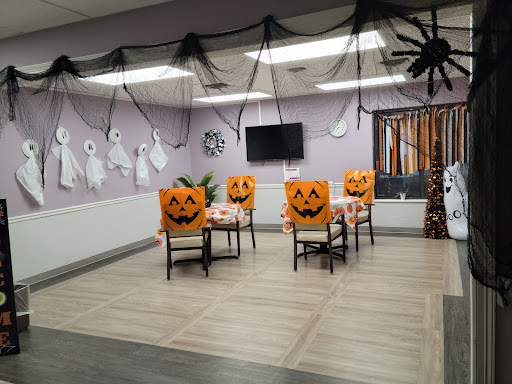
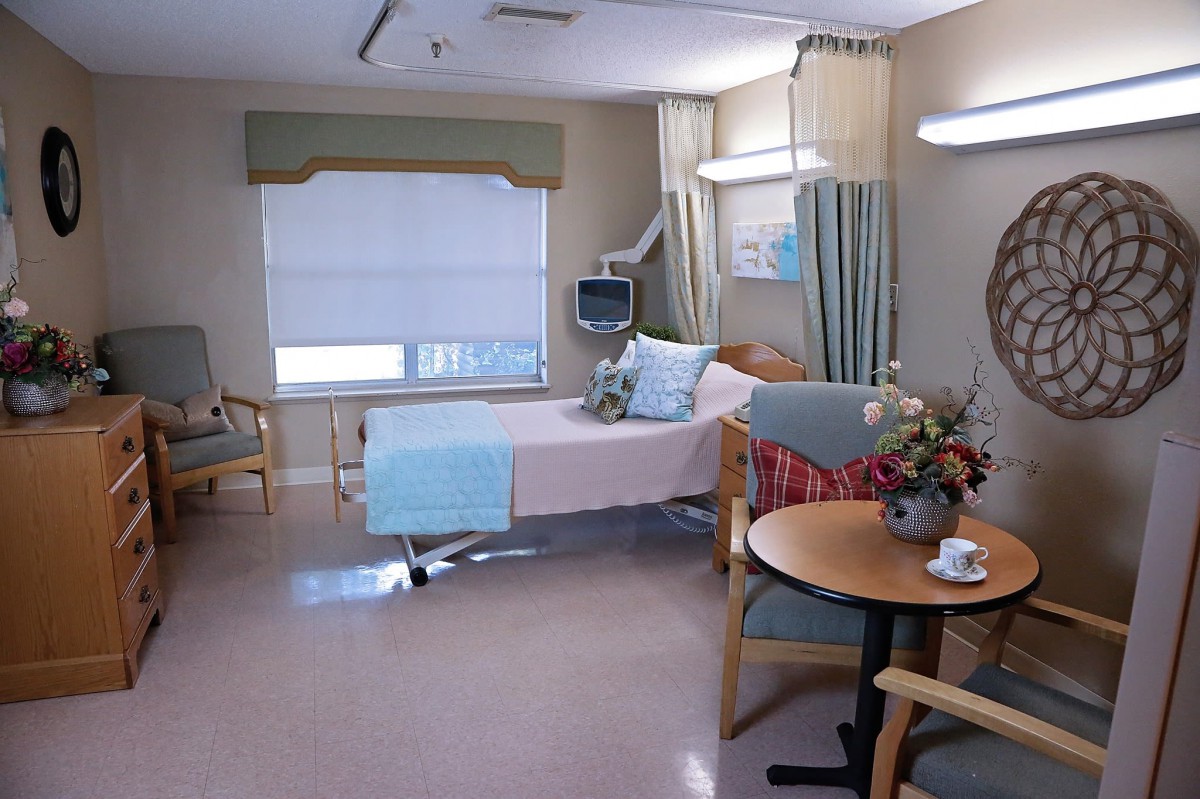
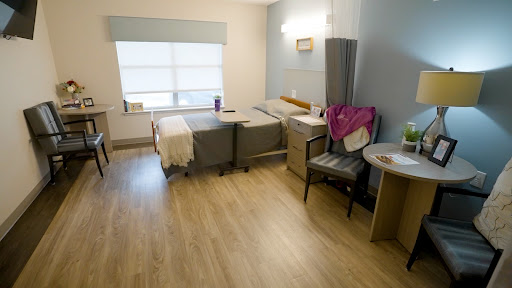
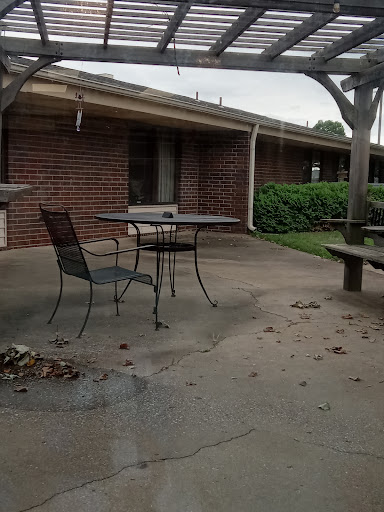
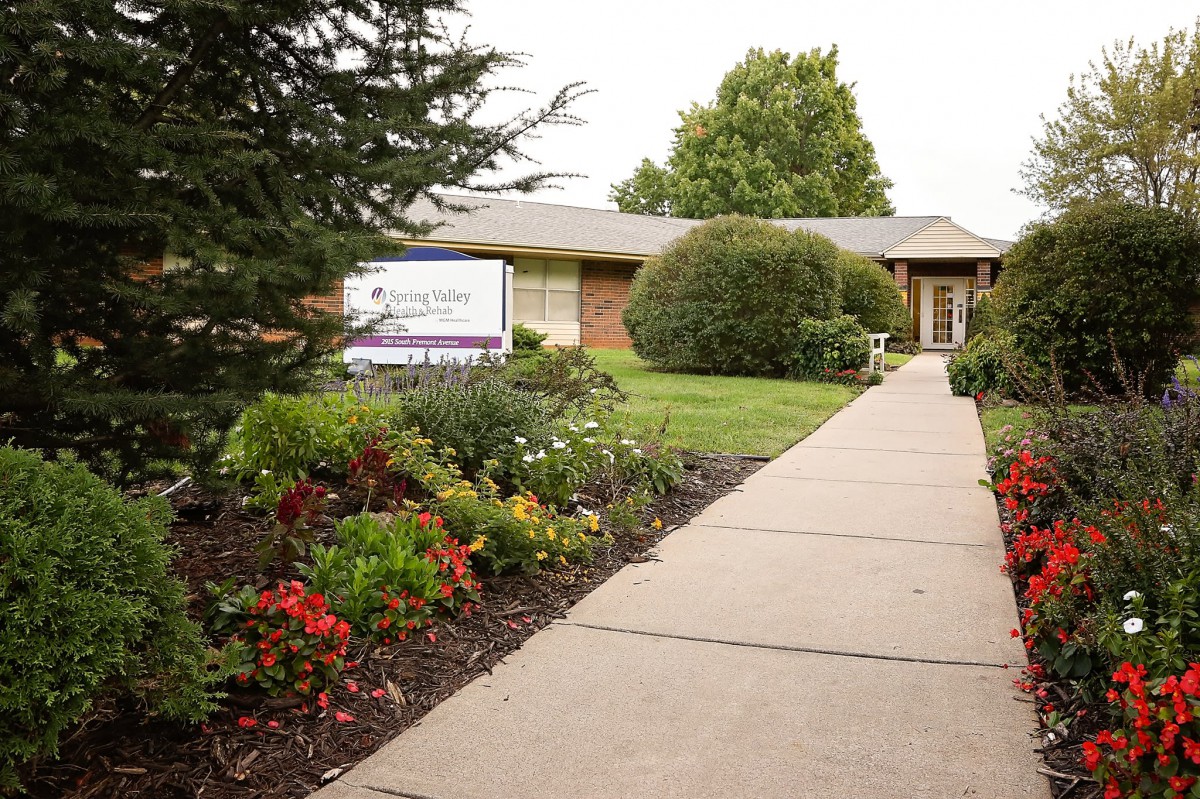
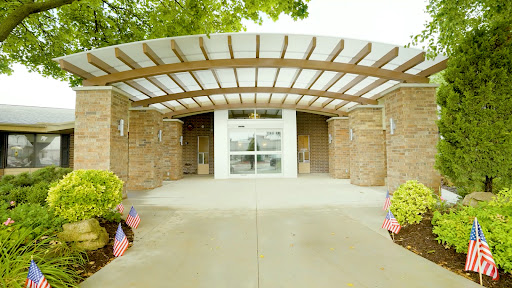
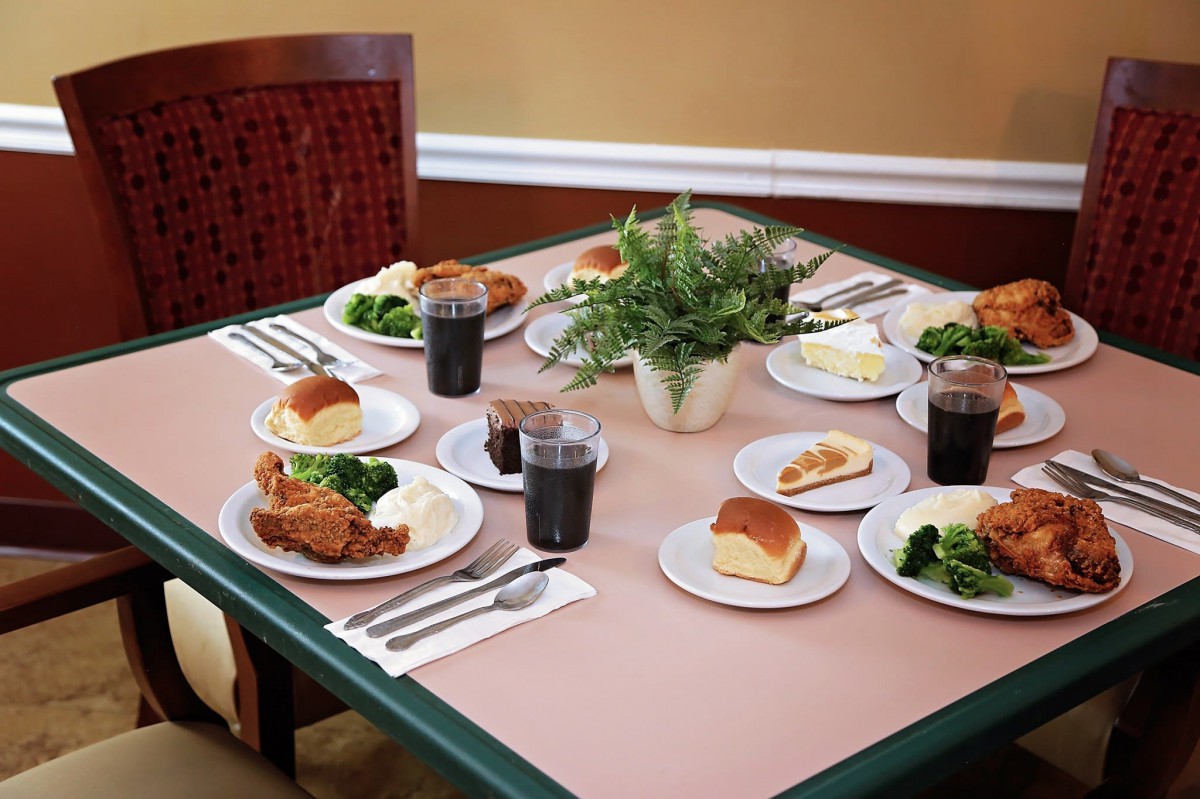
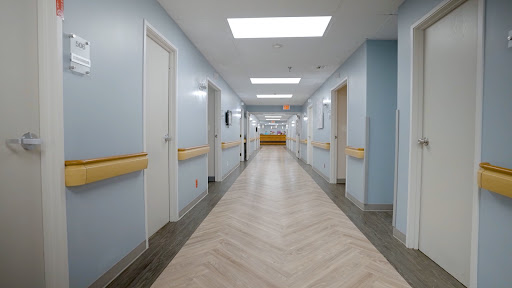
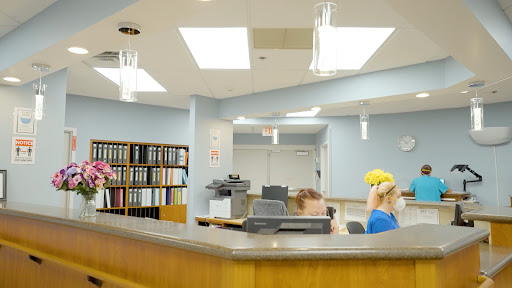
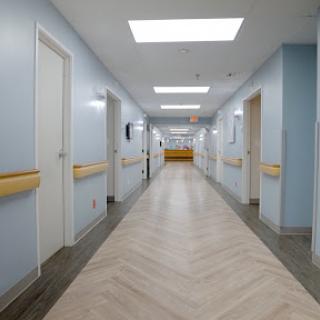
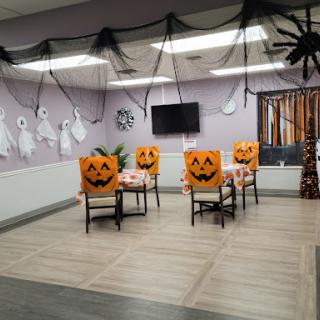
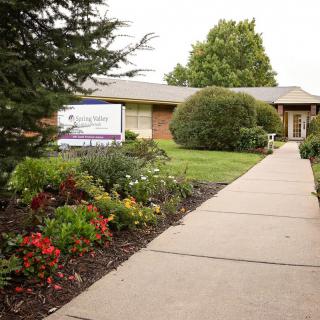
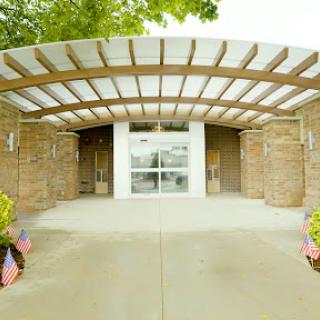
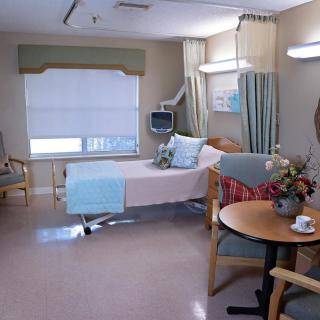
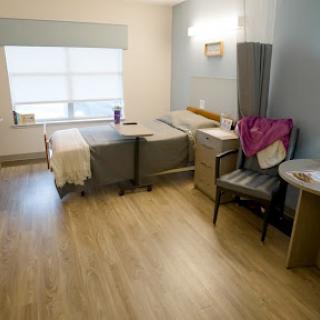
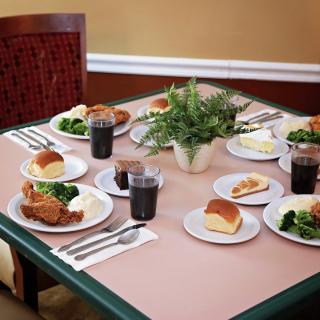
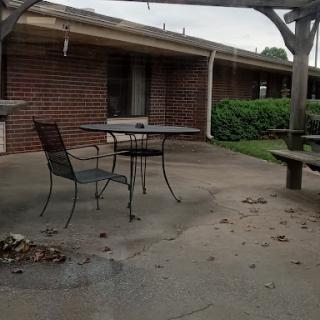
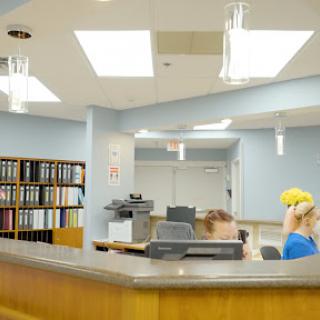
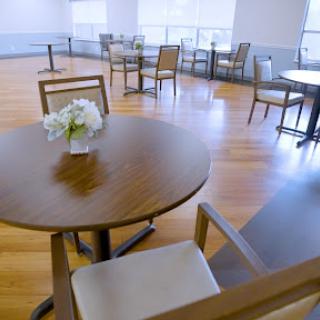
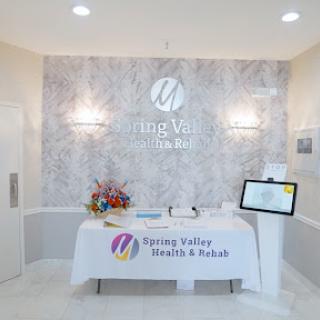
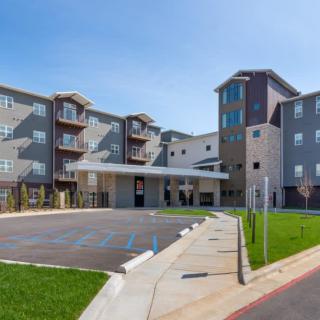
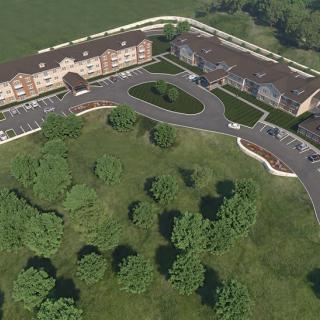
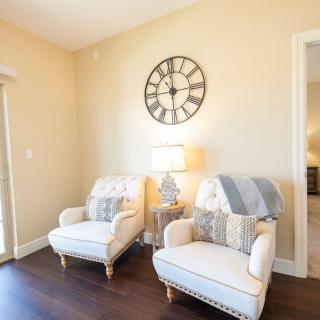
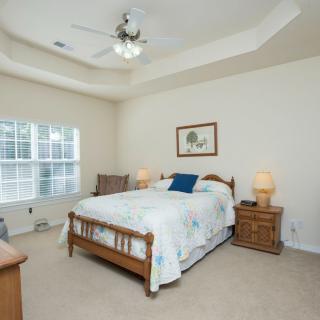
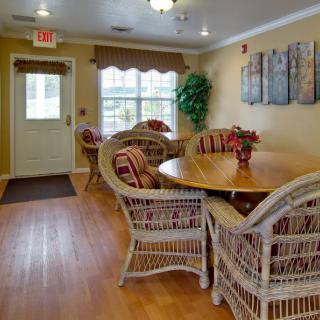
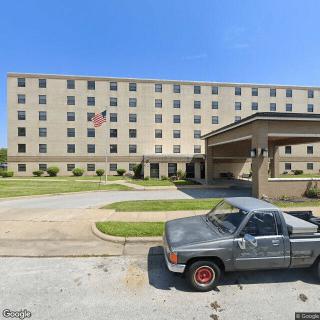
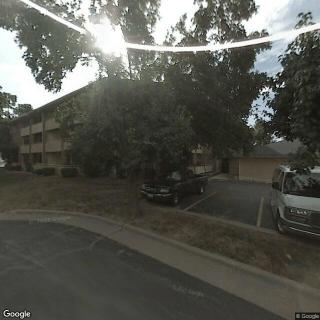
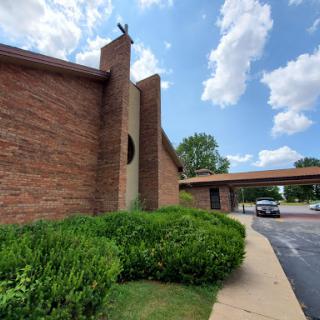
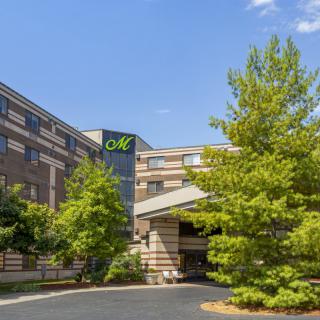
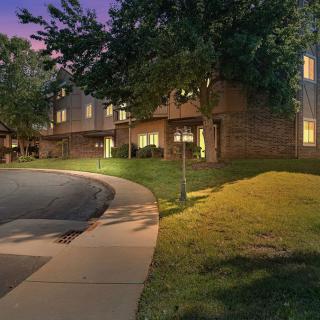
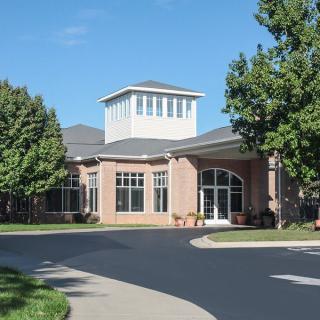
Spring Valley Assisted Living on seniors.fyi includes 14 photos including images showing dining, landscaping, interior, building, reception, healthcare, minimalist, bedroom, and more.
Nearby Communities
Lancelot Apartments
Springfield, MO
4 from 4 reviews
$2,600 / month
Affordable pricing with easy access to numerous amenities.
Manorcare Health Services
Springfield, MO
3.1 from 7 reviews
Comprehensive care with 24-hour supervision, diabetes diet options, mental wellness, and resident-run activities.
Battlefield Towers Apartments
Springfield, MO
2.7 from 15 reviews
Convenient, amenity-rich location with easy access to parks, cafes, healthcare, theaters, and hospitals.
Seasons Three
Springfield, MO
4.6 from 22 reviews
$995 / month
Spacious apartments with a welcoming community and convenient amenities.
Springfield Villa
Springfield, MO
2.8 from 47 reviews
Welcoming, clean facility with attentive staff and engaging activities.
The Montclair
Springfield, MO
4.7 from 201 reviews
$2,600 to $3,400 / month
Friendly staff and an active community with restaurant-style dining.
The Cambridge
Springfield, MO
4.5 from 154 reviews
$2,199 to $3,309 / month
Friendly, attentive staff and an active resident community.
The Fremont Senior Living
Springfield, MO
4.5 from 166 reviews
$3,510 to $4,405 / month
Friendly, attentive staff in a home-like, clean setting.
The Waterford At Ironbridge
Springfield, MO
4.7 from 177 reviews
$2,330 to $3,695 / month
Compassionate, responsive staff in a clean, safe community with engaging activities.
Dementia often results in disrupted sleep patterns, leading to excessive daytime sleeping due to factors like brain damage affecting circadian rhythms, medication side effects, and lack of structure in daily activities. Caregivers must monitor these changes closely, as oversleeping can increase risks such as malnutrition or dehydration, and provide necessary support and routines to enhance patient engagement and well-being.
The transition from assisted living to skilled nursing care is often prompted by complex medical needs that assisted living cannot meet, with key indicators including frequent health declines, increased falls, severe memory issues, and caregiver burnout. Families should recognize these signs early to discuss options with healthcare providers and prepare for the emotional and logistical aspects of moving to a facility that offers comprehensive medical support.
Dementia is characterized by cognitive decline, with nutrition playing a vital role in brain health; while no specific diet can prevent or reverse it, a nutrient-dense diet rich in antioxidants and healthy fats may support cognitive function. The MIND diet, which emphasizes beneficial foods and limits processed items, along with proper hydration and individualized meal strategies, can enhance the well-being of dementia patients.
Get PricingAsk A QuestionSchedule A TourContact Senior Advisor
By clicking submit, you agree to our Partner's Terms of Use. You
also consent to receive calls and texts, which may be autodialed, from our Partner. Your consent is not a condition to
using our Partner's service. Please visit our Partner's Privacy Policy for information about their privacy practices.


 Assisted Living
 Memory Care
 Cats allowed
 Dogs allowed
 Activities on-site
 Beautician on-site
 Devotional services on-site
 Indoor common areas
 Outdoor common areas
 Respite or short term stays offered
 Wheelchair accessible showers
 Springfield-Branson Regional (8 miles away)
 Ambulatory care
 Diabetic care
 Incontinence care
 Meals provided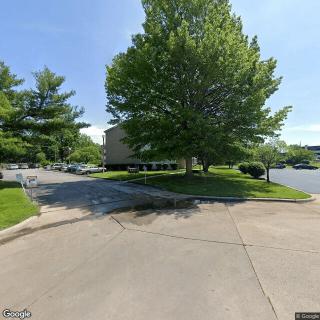
 Affordable pricing with easy access to numerous amenities.
 Why Do Dementia Patients Sleep So Much? Understanding Oversleeping, Stages, and Care Approaches
 8 Key Indicators That Suggest It May Be Time to Transition from Assisted Living to Skilled Nursing Care
 Nourishing the Mind: Essential Dietary Approaches for Dementia