

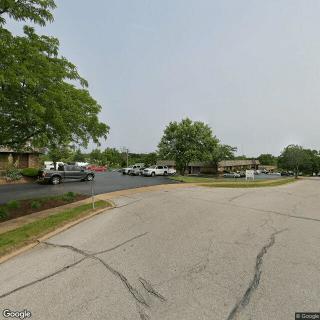
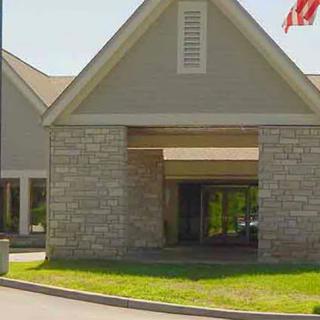
9962 Lin Ferry Drive Suite 100, St. Louis, MO 63123
To contact a resident: (314) 842-5589
For more information about senior living options: (866) 208-4318
Overall Review of Visiting Angels
Pros
 Visiting Angels have been remarkable for her.
- She feels so much better having someone with her most of the day.
- The family is thankful for Visiting Angels.
Review
Visiting Angels in St. Louis is best suited for seniors who want to stay in their own home and receive consistent daytime companionship along with non-medical support. The lone review praises the arrangement as transformative for the person receiving care, noting that having a caregiver present most of the day has a meaningful, positive impact on mood, energy, and overall well-being. This service excels at reducing loneliness, offering safety-minded presence, and helping with routine tasks in a familiar environment. It is a practical choice when independence at home is a priority and when a family cannot be there for extended daytime hours.
Those considering alternatives should weigh needs that extend beyond companionship and light assistance. If 24/7 skilled nursing oversight, comprehensive medical monitoring, or highly structured group activities in a community setting are essential, an assisted living community or memory-care environment may be more appropriate. Families seeking robust social programming, built-in transportation, and opportunities for a broader network of peers might find a traditional facility preferable. Budget considerations also matter; home-based care can scale differently from an ongoing monthly community residence, so financial feasibility is a real factor in the decision.
The core advantages, consistent presence, emotional support, and the sense of safety that comes from knowing a caregiver is with the client during the day, tend to offset several common drawbacks of at-home care. A routine caregiver schedule reduces anxiety about gaps in supervision and helps coordinate day-to-day activities, meals, and light housekeeping without requiring the senior to navigate unfamiliar settings. Continuity builds trust, which is crucial for cooperation with tasks and adherence to simple health reminders. In short, the day-to-day stability offered by regular caregivers can outweigh the absence of a built-in social calendar and the absence of a facility’s structured programming for many families.
The testimonial underscores the tangible benefits: "Visiting Angels have been remarkable for her. She feels so much better having someone with her most of the day. I am so thankful for them." That sentiment translates into practical gains, improved mood, higher engagement in daily routines, and reduced caregiving burden on family members. The language signals a meaningful shift from isolation to companionship, with the caregiver serving as an active support system rather than a distant or purely task-focused helper. While the review doesn’t enumerate every service detail, it clearly spots personal impact as the defining win.
For families evaluating this option, approach the decision with concrete, action-oriented questions. Clarify caregiver matching criteria and the pool of available aides, ensure there is reliable back-up coverage for illnesses or vacations, and confirm the process for continuity if a preferred caregiver is unavailable. Probe the scope of tasks included (meal preparation, medication reminders, light housekeeping, transportation coordination) and how care plans are created, updated, and communicated. Ask about supervision, performance reviews, and how care quality is tracked over time. Finally, request a transparent discussion of costs, trial periods, and what happens if needs evolve toward higher acuity or a move to a care facility becomes desirable.
Bottom line: Visiting Angels represents a strong, pragmatic option for seniors who want to remain at home with reliable daytime companionship and practical support. The experience described suggests meaningful improvements in daily life and well-being, with family members expressing gratitude for the steadiness and presence provided. However, for those whose needs include round-the-clock medical oversight, an extensive social program, or on-site professional care in a community setting, alternatives such as an assisted living or memory-care option should be seriously considered. The decision should weigh personal care needs, the desired living environment, and the family’s capacity to manage scheduling, costs, and care coordination.
 Lambert-St Louis International (15 miles away)




 A Closer Look at Private Pay Home Care
 Comprehensive Approaches for Arthritis: A Detailed Guide to Symptoms, Causes, and Care
 Comprehensive Insights and Practical Strategies to Help Older Adults Avoid Falls