Three Mcknight Place, St. Louis, MO 63124
For more information about senior living options: (866) 208-4318
Overall Review of Mcknight Place Assisted Living
Pros
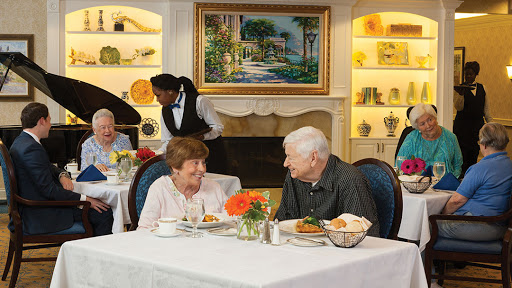
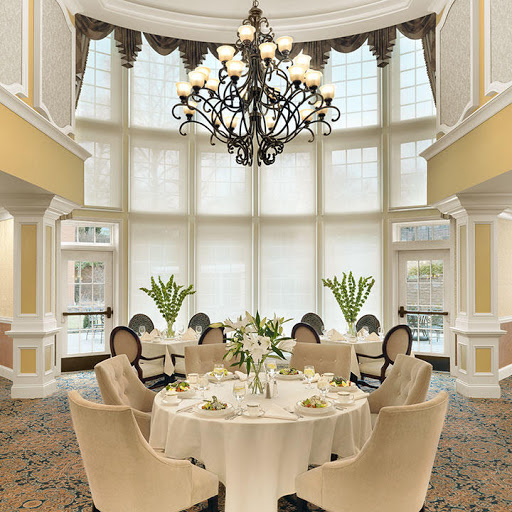
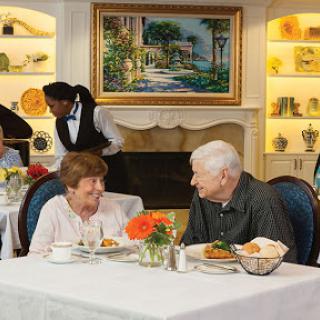
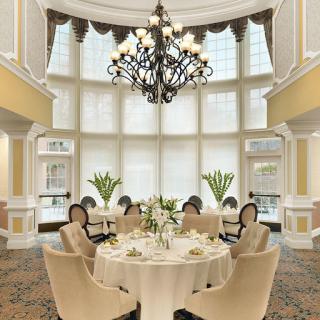
 The dining area is very nice and designed around a courtyard, making it really pretty.
- The staff at McKnight Place Assisted Living are incredibly caring, loving, and thoughtful.
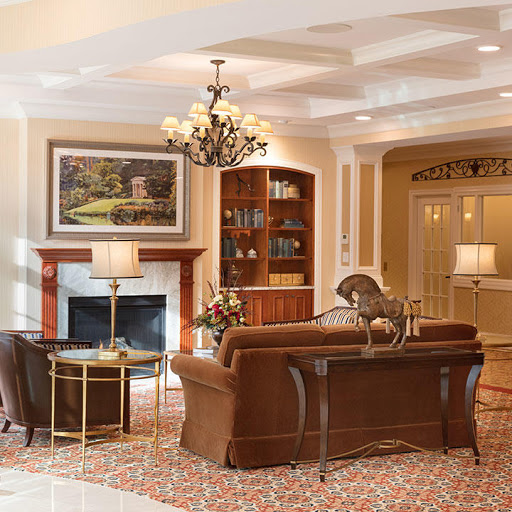
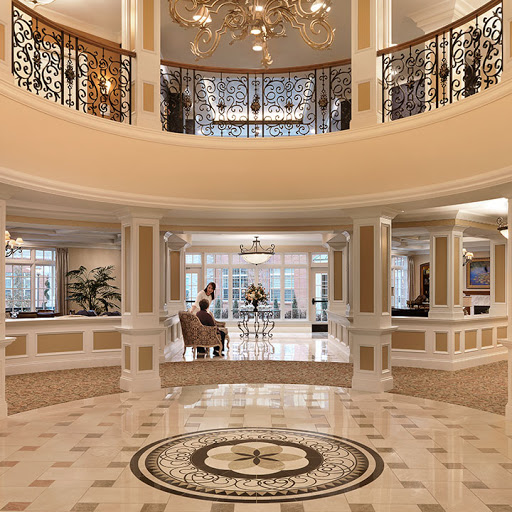
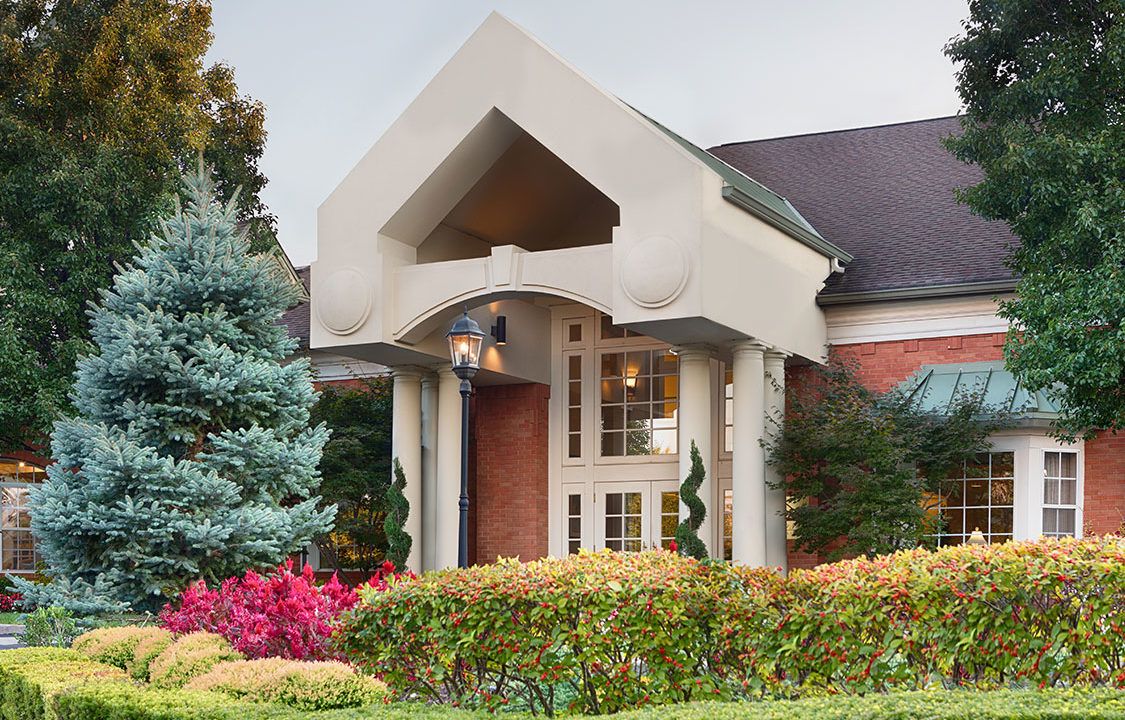
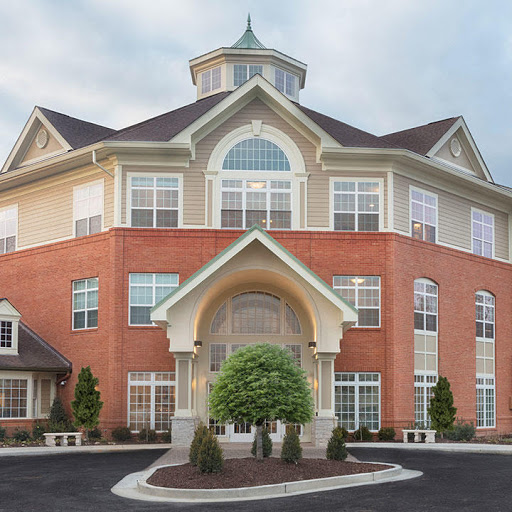
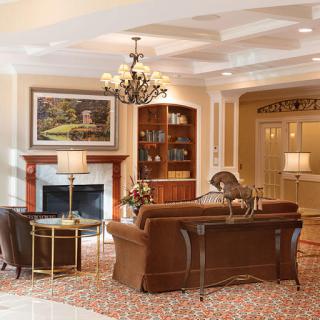
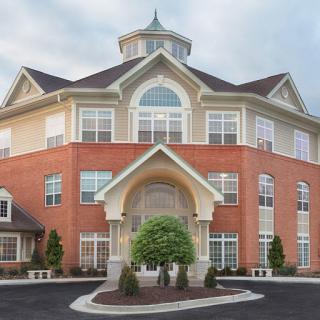
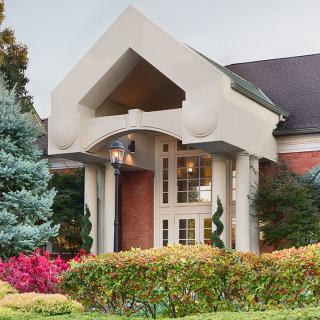
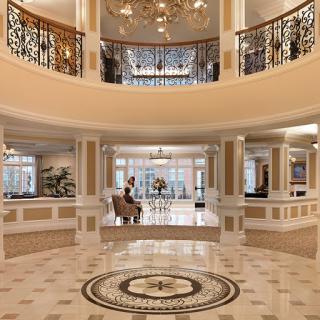
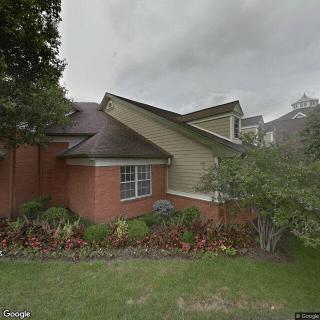
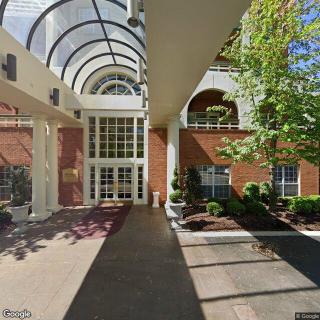
- The facility presents a lovely appearance and creates a welcoming atmosphere.
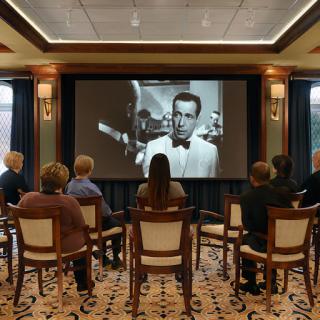
- It offers a variety of activities—sculpting, painting, and gardening—along with wonderful entertainment.
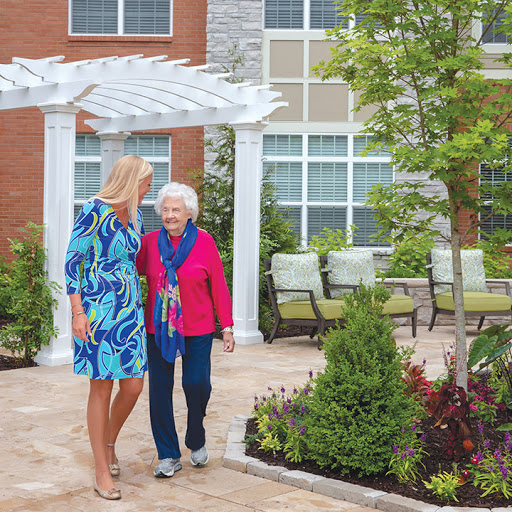
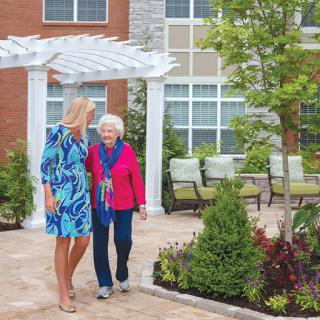
- There are gorgeous outdoor spaces and an atrium, including a unique large bird cage.
- The facility is consistently clean, contributing to a positive experience.
- Residents can be as busy as they want with the available programming.
- The reviewer would live there if they could afford it, indicating a strong overall appeal.
Cons
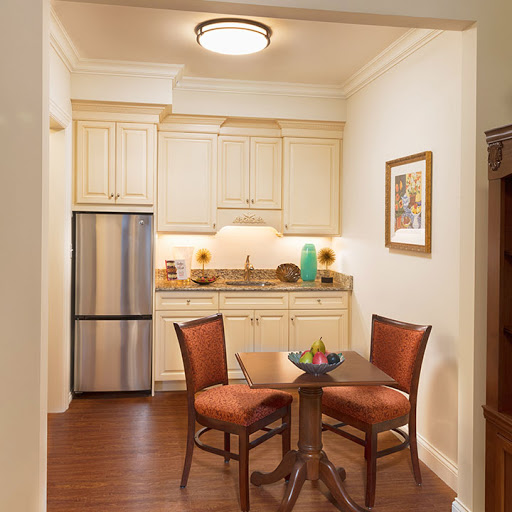
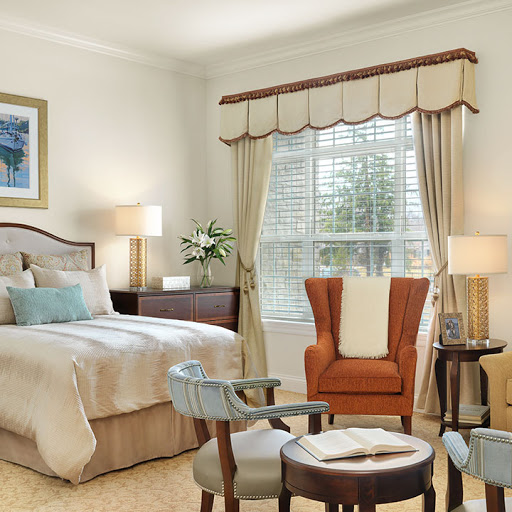
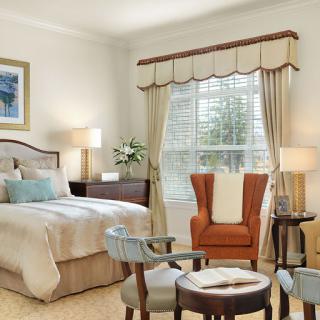
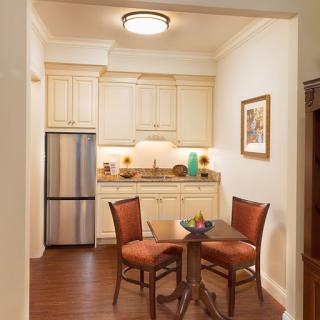
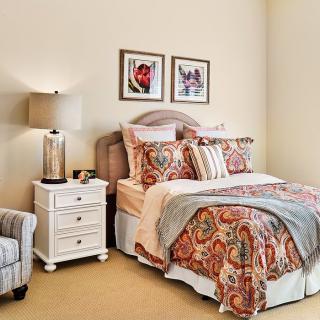
 The rooms are very small.
 - The assisted living room is only one room and lacks a living room and a separate bedroom.
- The call lights at the nurse's desk go unmanned, so emergencies may go unnoticed.
- The desk is unmanned for long periods and takes forever to get any attention.
- The facility seems more concerned with appearance than with resident safety.
Review
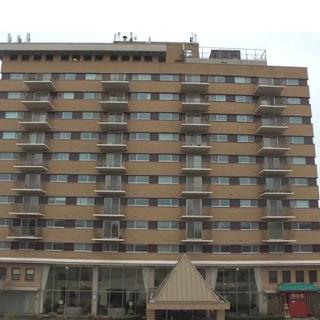
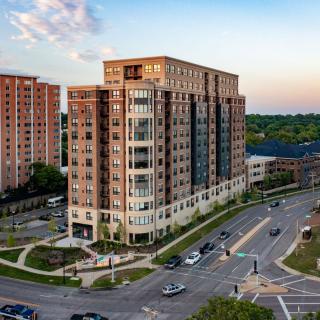
McKnight Place Assisted Living in St. Louis is best suited for active, social seniors who want a warm, neighborly environment in a central urban setting and who prize a genuinely caring staff. The community emphasizes engaging programs, a courtyard-centered dining area, and a welcoming atmosphere that supports plenty of daily activity. The building itself is older, with an explicit plan to expand and repurpose the current space into memory care next year. That transition signals ongoing investment and a care mix that will evolve, which can be a real fit for residents likely to need memory care down the line, but it also introduces a period of adjustment for others.
Those weighing alternatives should note who may not be ideal here. The assisted-living apartments run small, with one-room layouts that lack a separate living room or bedroom, making them tight for couples or residents who value more private space. Staffing realities also feature prominently in assessments: while the staff is described as exceptionally caring, there are repeated complaints about unmanned call lights, raising legitimate concerns about immediate emergency response. Families prioritizing larger quarters, turnkey safety systems, or predictable, rapid assistance should compare other options before committing.
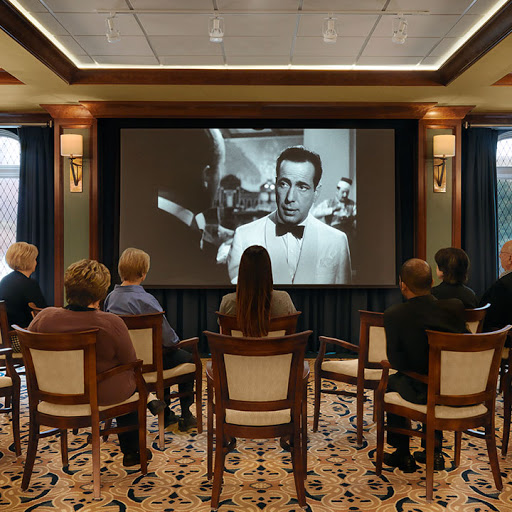
The positives do align well with a high-quality daily experience. The dining area is aesthetically pleasing and framed by a courtyard, contributing to pleasant mealtimes and social interaction. A robust slate of activities, sculpting, painting, gardening, movie nights, bingo, and regular entertainment, offers ample opportunities to stay engaged and connected, which can significantly enhance quality of life in a smaller living space. Cleanliness and upkeep are consistently noted, and distinctive features such as attractive outdoor spaces and an atrium with a bird cage add charm that helps residents feel at home and less boxed in.
Yet the safety and staffing concerns cannot be dismissed. The repeated observation of unattended call lights points to potential delays in receiving help when needed, a nontrivial risk for anyone with mobility challenges or cognitive impairment. The on-site warmth and strong interpersonal connections do not fully compensate for uncertain response times, so families must weigh the emotional comfort against concrete safety realities. The planned memory-care conversion injects a dual element: it promises on-site memory-support capabilities in the future, but it also signals ongoing changes in administration, resident mix, and daily routines during the transition. The central location and visible commitment to expansion mitigate some risk, but do not erase it.
Practical due diligence is essential. Prospective residents should request concrete details on caregiver-to-resident ratios, typical call-light response times, and whether remote paging or after-hours coverage is in place. Clarity is needed on how the memory-care conversion will affect staffing, pricing, and available space, and on the true cost of private rooms given the current layout. Touring during peak activity times and observing interactions around the nurse’s desk, dining, and activity rooms will reveal whether the operational pace matches the promised warmth and whether safety systems function smoothly in real life.
In sum, McKnight Place offers a warm, vibrant, and convenient living experience with strong social programming and a genuinely friendly staff. It is a compelling choice for seniors who prize community, connection, and location, and who can tolerate smaller living spaces and the current safety caveats. For residents who require larger accommodations, highly predictable immediate assistance, or who have no near-term plan to transition to memory care, it is wise to explore alternatives with more expansive floor plans and more consistently rapid responses. If memory-care needs are anticipated, the upcoming on-site facility could be advantageous, provided the transition is managed with transparent communication and stable staffing. The decision should center on balancing the value of social engagement and ease of access with the realities of space, safety responsiveness, and the evolving care environment.
 120 resident community capacity
 Assisted Living
 Memory Care
 Respite Care
 Air-conditioning
 Beauty salon
 Cable or satellite TV
 Computer center
 Dining room
 Fitness room
 Fully furnished
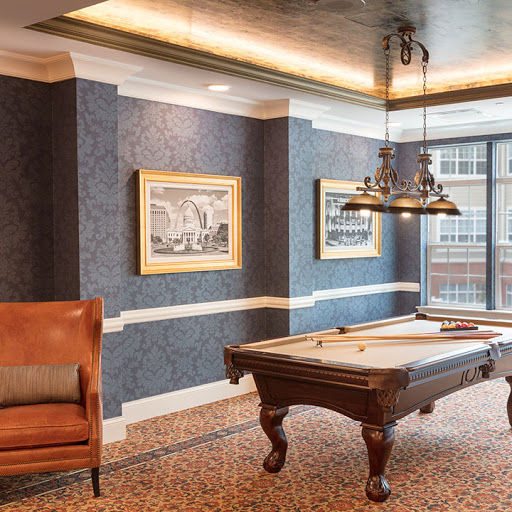
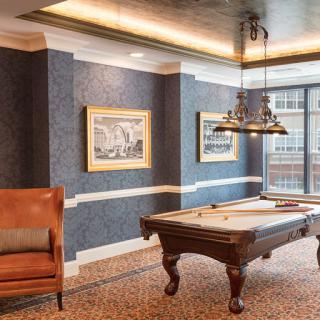
 Gaming room
 Garden
 Housekeeping services
 Kitchenette
 Move-in coordination
 Outdoor space
 Private bathrooms
 Restaurant-style dining
 Small library
 Telephone
 Wellness center
 Wi-Fi/high-speed internet available
 Lambert-St Louis International (6 miles away)
 Community operated transportation
 12-16 hour nursing
 24-hour call system
 Activities of daily living assistance
 Assistance with bathing
 Assistance with dressing
 Assistance with transfers
 Diabetes diet
 Medication management
 Mental wellness program
 Special dietary restrictions
 Concierge services
 Planned day trips

 Understanding Dementia Through Its Seven Stages: A Comprehensive Look at Progression and Expectations
 Safeguarding Your Memory Through the Golden Years: Eight Ways to Preserve Cognitive Health
 Comprehensive Insights into Activities of Daily Living (ADLs) and Their Assessment