
1100 Meadow Pointe Dr, O'Fallon, MO 63366
To contact a resident: (636) 484-3233
For more information about senior living options: (866) 208-4318
Overall Review of Comprehensive Private Services
Pros
 Penny provides exceptional service and is very helpful with all questions.
- The apartments are in a great, convenient location.
- The apartments are spacious and reasonably priced.
- The support staff are friendly and excellent at their jobs.
- The community is peaceful and a great place to hang one's hat.
- The entire staff is friendly, hospitable, caring, and competent.
- The neighbors are friendly, and the place is dead-quiet and peaceful.
- There are lots of community activities, and the bus driver is awesome.
Cons
 The review notes that after a death, the security deposit is issued in the decedent’s name and there is a suggestion to commit fraud to cash it.
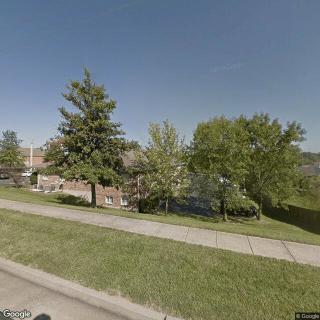
- There is currently no manager for buildings 1 and 3, and corporate is criticized for not acting promptly; upkeep tasks, especially sidewalk repair, are needed.
- In Gentemann Manor II, dog noise issues are not addressed, with dogs barking all day at the door of owners’ apartments, disturbing other tenants.
- Despite pet-friendly policies, tenants feel dogs are not reasonably controlled and bark excessively.
- The apartment layout has engineering and design anomalies that waste space and hinder how residents actually live, and the exposed electrical panel is a flaw.
- Outdoor seating areas are now filled with tobacco smoke because indoor no-smoking rules push smoking outside, reducing comfort for non-smokers.
- The property is aging and showing its age, with concerns about how things will be updated over time.
Review
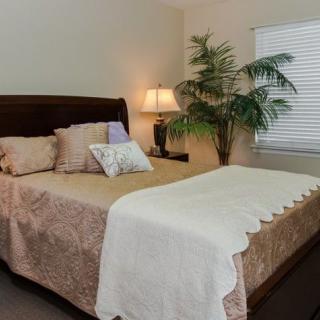
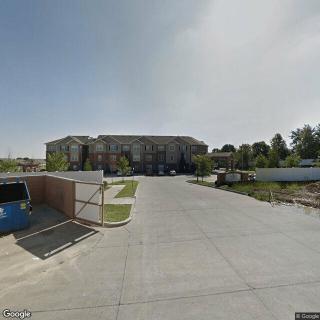
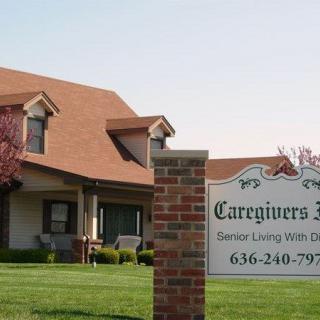
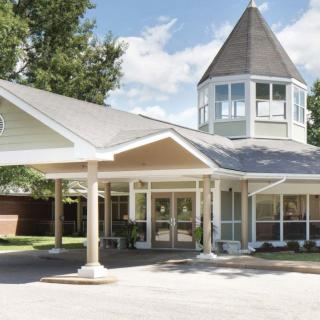
This community in O’Fallon is best suited for seniors who want affordable, independent living with solid daily support and easy access to amenities, while still preserving a strong sense of neighborhood life. The apartments are roomy, the location is convenient, and the price point keeps ongoing costs manageable. Residents experience a peaceful, secure environment with responsive maintenance and friendly, service-oriented staff. On-site features, a gym, library, computer center, and a communal gathering room, paired with dependable shuttle service to shops and events create a practical balance between autonomy and social engagement. For households prioritizing affordability and uncomplicated living, this option holds substantial appeal.
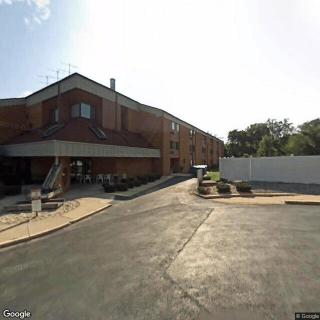
Those who should consider alternatives include seniors needing more intensive on-site care, memory support, or continuous supervision. The property has multiple buildings and has faced management gaps, including periods without a building-wide manager, which can slow maintenance or capital improvements. Prospective residents should also weigh pet-related preferences, since dog barking has been a recurring contention for neighbors, and the outdoor seating areas can carry smoke odors when tobacco use shifts outdoors. Another factor is aging infrastructure: while well-maintained, the units and common areas show wear, and design quirks can waste space or complicate daily routines. If a highly polished, uniformly modern building with constant hands-on management is essential, alternatives deserve consideration.
The core advantages, affordable rents, generous apartment layouts, quiet interiors, attentive upkeep, and strong staff, largely offset the notable drawbacks when weighed in practical terms. The price-to-value equation remains one of the strongest assets: utility bills tend to be low, and the apartments offer liveability without a premium price tag. Quiet surroundings ease nighttime rest, and the security, mail handling, and on-site amenities support independent living without constant driving. The maintenance team’s responsiveness, combined with a welcoming staff culture, helps mitigate occasional service gaps. The bus shuttle and the surrounding neighborhood’s accessibility further compensate for limited personal transportation, keeping shopping and social outings within easy reach.
Yet the downsides cannot be dismissed. Inconsistent on-site management across buildings and aging physical infrastructure introduce a risk of delayed repairs or deferred upgrades. Sidewalk repair and slope improvements are legitimate safety concerns that require ongoing attention, especially for residents with mobility challenges. Layout anomalies and design choices can waste space or complicate daily routines, and even with pet-friendly policies, dog barking remains a stressor for nearby tenants unless ownership and management enforce quiet hours or behavioral guidelines. The past presence of lingering cigarette odors outside seating areas also points to outdoor air quality as a factor to monitor, even after indoor smoking restrictions improve indoor environments. These realities shape a clear trade-off: strong value and a comfortable baseline of independence, tempered by variability in live management and aging physical plant.
For families weighing the decision, the practical move is to prioritize personal needs against these realities. If independence, affordability, and social vitality rank highest, and the desire for a robust on-site amenity ecosystem is compelling, this community earns serious consideration. If care intensity, highly proactive management, or pristine, modern layouts are non-negotiable, it makes sense to explore other options and compare staffing models, turnover, and renovation plans. Prospective residents should verify current building management coverage, inspect concrete conditions such as sidewalks and entryways, and experience noise levels at different times to gauge dog barking and HVAC sounds. A candid conversation with the on-site team, along with a tour that includes both common spaces and representative units, will reveal whether the balance of pros outweighs the existing cons.
In the end, this community serves a clear niche: budget-conscious seniors who value independence, stability, and accessible services without requiring high levels of medical support. It is less suited for those who demand constant, uniform management presence, world-class modern design, or comprehensive on-site care. The right decision hinges on matching personal priorities to the realities of aging spaces and management rhythms. If that fit exists, a practical, rewarding living arrangement awaits; if not, alternatives with stronger care-oriented or modernization guarantees should be pursued with equal diligence.
 Lambert-St Louis International (20 miles away)


 Seniors and Modern Transportation: Exploring Uber, Lyft, and Other Ride-Hailing Options
 Comprehensive Guide to Qualifying for Home Health Care Services
 Powerful Realities of Elder Abuse and the Most Effective Ways to Report It