
15431 State Highway M, Marble Hill, MO 63764
For more information about senior living options: (866) 208-4318
Overall Review of Diana's Boarding Home 1
Pros
 The residents are lovely.
- The staff are very caring.
- The countryside living is stunning.
- It feels like home.
Cons
 Residents experience poor staffing and cleaning.
Review
Diana's Boarding Home 1 in Marble Hill, Missouri is best suited for seniors who want a compact, home-like environment with warm, neighborly residents and a staff that genuinely cares. The setting is rural and tranquil, with a countryside ambiance that supports a relaxed pace and familiar, intimate interactions. This option works well for those who prioritize emotional comfort, personalized attention, and a sense of belonging over campus-style amenities or formal medical programming. It is a place where the atmosphere matters as much as the daily routine, and where residents tend to know each other and staff by name, fostering a comforting, “at home” feel.
Neutral to strong contenders should be aware of who may want to consider alternatives. Anyone needing consistent, around-the-clock staffing or rigorous housekeeping may encounter frustration here. The model appears to rely on smaller teams, which can translate into slower response times or gaps in daily care tasks. For families seeking highly regulated care, frequent on-site medical oversight, or robust housekeeping and cleanliness standards, a larger assisted living facility or a more structured boarding home with proven staffing levels would be a wiser choice. In short, this community suits those who value warmth and character but not necessarily exhaustive operational reliability.
The strongest positives center on people and ambiance. A very caring staff emerges in day-to-day interactions, with staff members who demonstrate genuine concern for residents. The countryside setting contributes to a peaceful, low-stress environment that many seniors find restorative, and the homey, less institutional vibe helps residents feel comfortable quickly. Residents themselves tend to be pleasant and engaged, contributing to a cooperative, social culture where conversations flow and friendships form naturally. For families prioritizing a positive emotional climate and a sense of belonging, these elements carry significant weight.
Yet the main drawbacks are clear and meaningful. Reports of poor staffing and cleaning point to vulnerabilities in consistency and upkeep. When staffing is insufficient or stretched thin, routine tasks, such as timely assistance with activities of daily living, prompt meal service, and punctual medication support, can experience delays. Cleaning lapses can undermine comfort and perceived safety, and housekeeping reliability often underpins a person’s ongoing sense of dignity in daily living. These issues are not minor irritants; they shape day-to-day satisfaction and can escalate into practical concerns if medical or emergency needs arise.
The key question is whether the strengths can sufficiently offset the weaknesses. The answer is nuanced. The heartfelt care and home-like atmosphere provide an immediate dividend: residents feel valued, connected, and at ease, which can markedly improve mood, engagement, and overall quality of life. The rural setting reinforces a slower, more predictable routine that many seniors appreciate, reducing the stress that comes with busier environments. However, these advantages do not completely counterbalance the operational gaps. When reliability in staffing and cleanliness is inconsistent, the risk to safety, hygiene, and timely support remains real. In practical terms, the decision hinges on how heavily weight is given to personal warmth versus systemic reliability.
Ultimately, this community is a compelling option for families prioritizing comfort, connection, and a true sense of “home” over formal, high-touch care. It can function well as a transitional or lower-need arrangement where the emphasis is on companionship and a soothing environment, provided there is an acceptable plan for addressing staffing gaps and housekeeping lapses. For seniors with higher care needs, frequent assistance requirements, or stringent cleanliness expectations, alternatives that offer steadier staffing, more robust housekeeping, and stronger regulatory oversight are advisable. Before choosing, demand a candid discussion about staffing schedules, backup coverage, housekeeping frequency, and how emergencies are handled, then weigh whether the heart of the community compensates for the operational fragility.
 20 resident community capacity
 Assisted Living
 Beauty salon
 Cable or satellite TV
 Dining room
 Fully furnished
 Garden
 Housekeeping services
 Kitchenette
 Move-in coordination
 Outdoor space
 Telephone
 Wi-Fi/high-speed internet available
 24-hour call system
 Activities of daily living assistance
 Assistance with bathing
 Assistance with dressing
 Assistance with transfers
 Diabetes diet
 Meal preparation and service
 Medication management
 Mental wellness program
 Special dietary restrictions
 Transportation arrangement (medical)
 Transportation to doctors appointments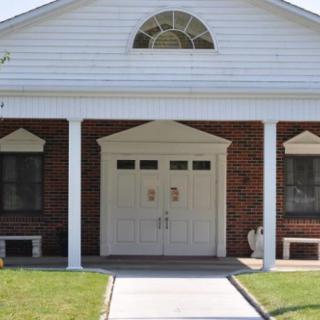




 Is Assisted Living Deductible on Your Taxes? Understanding the Complexities of Assisted Living Expenses and Deductions
 Assisted Living Support for Veterans: A Complete and Detailed Overview
 Exploring the Contrasts Between Assisted Living and Skilled Nursing