
Hc 64 Box 4683, Marble Hill, MO 63764
For more information about senior living options: (866) 208-4318
Overall Review of Diana's Boarding Home 3
Pros
 The residents are lovely.
- The staff are very caring.
- The countryside living is stunning.
- The place feels like home.
Cons
 The facility is criticized for poor staffing and cleaning.
Review
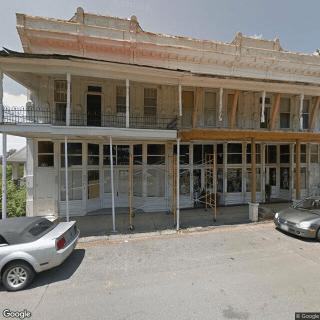
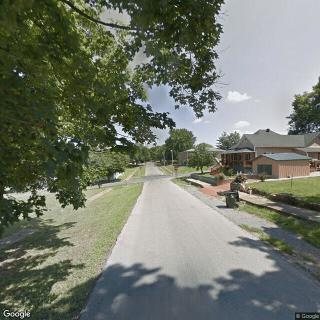
Diana’s Boarding Home 3 is best suited for families seeking a genuinely home-like setting in a quiet rural corridor, where residents are known by name and everyday interactions carry a personal touch. The best fit is someone who prizes warmth and familiarity over institutional polish: a resident who enjoys small-scale living, where caregivers appear accessible and the rhythm of days feels intimate rather than formal. Marble Hill, Missouri provides the backdrop of countryside calm, which can ease transition anxieties and support social connection among a small, close-knit resident group. In short, this community functions as a sincere, homelike option for those who value relationships and atmosphere as much as routine care.
Certain buyers should seriously consider alternatives. If reliability in staffing and thorough cleanliness are non-negotiables, this community may pose red flags. The reviews signal a tension between a heartfelt, homey environment and operational gaps. For families needing highly consistent staffing coverage, predictable response times, or meticulous housekeeping, it’s prudent to explore other board-and-care or assisted-living options that emphasize stronger housekeeping protocols and more robust staffing levels. Prospective residents with higher acuity or frequent assistance needs may also want to compare options where larger teams and formalized procedures better support rapid, round-the-clock support.
The core strengths lie in the care ethos and the setting. The most persuasive upside is the evident warmth of the staff, described as very caring, which can translate into meaningful, day-to-day companionship and responsive attention to personal preferences. The countryside setting contributes a serene, distraction-free backdrop that supports a tranquil daily routine and a sense of belonging. Finally, the claim that the space “feels like home” isn’t superficial: for many older adults, that emotional resonance reduces anxiety about transition and reinforces comfort in familiar surroundings. Taken together, these elements create a living experience that prioritizes personal dignity and social connection over corporate-scale efficiency.
Those same strengths illuminate what residents may ultimately cherish most: authenticity and a personal touch. families searching for a place where staff know residents’ histories, likes, and daily quirks will likely find resonance here. The intimate scale of a boarding-home environment tends to foster genuine relationships, not just with caregivers but among residents as well, which can be a powerful factor for emotional well-being. Additionally, the home-like feel and country setting can support routines that feel natural rather than imposed, which is valuable for seniors who resist more institutional patterns. These non-financial rewards should not be underestimated when weighing options, especially for individuals who prioritize dignity and familiarity in aging-in-place arrangements.
Yet the practical liabilities appear clearly enough to demand scrutiny. The most consequential concern is the reported staffing weakness and cleanliness issues. In care settings, staffing stability translates directly into reliability of help, medication management, and timely assistance during the night or mornings. When staffing is inconsistent or thin, even caring staff may struggle to meet urgent needs, which elevates risk and stress for both residents and family members. Cleaning lapses, whether in daily housekeeping or room turnover, can affect safety, odor, and overall comfort, eroding the home-like appeal that defines the community. These factors are not mere inconveniences; they shape daily safety, health outcomes, and the emotional security inherent in a trusted senior living arrangement.
The practical conclusion is clear: this community can be an excellent fit for families prioritizing warmth, relationship-driven care, and a peaceful, home-like atmosphere, provided there is tolerance for potential staffing and cleaning gaps. Before deciding, visitors should demand transparency on staffing ratios, caregiver schedules, and cleaning protocols, and request to observe a typical shift in action. Families should also pursue candid discussions about how emergencies are handled, how medication administration is monitored, and what contingency plans exist if staff coverage dips. If these assurances cannot be secured to a high standard, or if a resident requires more consistent, high-touch support, exploring alternative options with larger teams and stronger housekeeping may be the prudent path.
 40 resident community capacity
 Assisted Living
 Beauty salon
 Cable or satellite TV
 Dining room
 Fully furnished
 Garden
 Housekeeping services
 Kitchenette
 Move-in coordination
 Outdoor space
 Telephone
 Wi-Fi/high-speed internet available
 24-hour call system
 Activities of daily living assistance
 Assistance with bathing
 Assistance with dressing
 Assistance with transfers
 Diabetes diet
 Meal preparation and service
 Medication management
 Mental wellness program
 Special dietary restrictions
 Transportation arrangement (medical)
 Transportation to doctors appointments



 Beyond the Bingo Hall: 50+ Enriching Activities for Seniors in Assisted Living
 Understanding the Distinctions: Assisted Living and Memory Care Explained
 Guiding Elderly Parents Who Refuse Assisted Living: 6 Practical Steps