
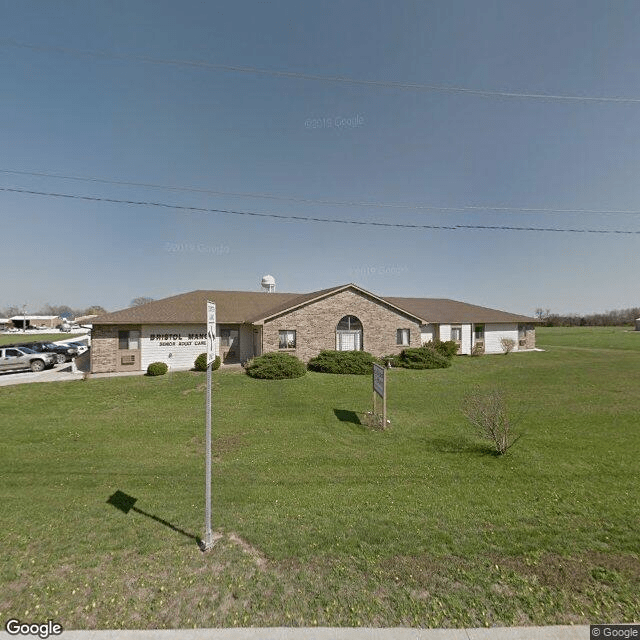
204 US Highway 65 South, Lincoln, MO 65338
To contact a resident: (660) 547-2580
For more information about senior living options: (866) 208-4318
Bristol Manor of Lincoln Costs & Pricing
At Bristol Manor of Lincoln, residents can expect competitively priced accommodations that align closely with the local market. For a studio apartment, the monthly cost is $1,975, which is slightly above the average for Benton County at $1,963 but significantly lower than the state average of $3,418. Similarly, the one-bedroom option is priced at $2,975, again just above Benton County's average of $2,963 and well below Missouri's statewide average of $3,349. These figures highlight Bristol Manor's commitment to providing quality housing at accessible rates within the broader context of county and state pricing trends.
| Floor plans | Bristol Manor of Lincoln | Benton County | Missouri |
|---|---|---|---|
| Studio | $1,975 | $1,963 | $3,418 |
| 1 Bedroom | $2,975 | $2,963 | $3,349 |
Assisted Living communities with a similar price nearby
-
About the same
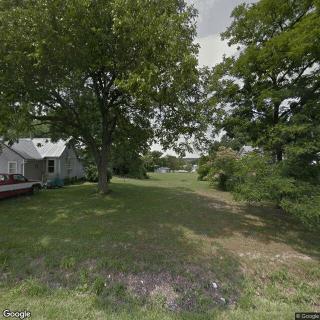
Bristol Manor of Stover
$1,950 to $2,950 / month18.5 miles away -
from +$125 / mo
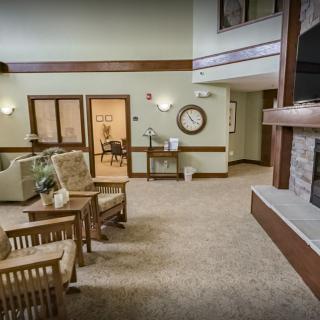
Cedarhurst of Sedalia
$2,100 to $2,850 / month21.9 miles away -
from +$125 / mo

Essex of Sedalia
$2,100 to $3,400 / month22.8 miles away -
About the same
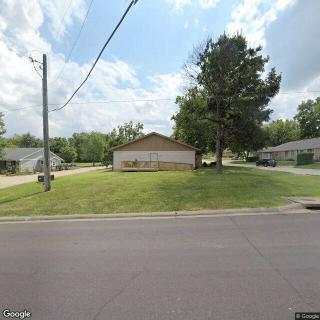
Bristol Manor of Sedalia
$2,030 to $3,030 / month21.6 miles away -
from -$375 / mo
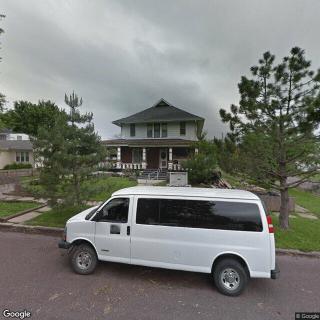
Sunny Meadows Living Center
$1,600 to $1,650 / month23.1 miles away
Overall Review of Bristol Manor of Lincoln
Pros
 The main living room area is spacious and welcoming.
- The staff greet visitors at the door and are very nice.
- The building is nice and feels homey.
- The administrator and staff are friendly and help residents as much as possible.
- The facility is welcoming and residents enjoy the activities.
- The Bristol facility is recommended for residential care.
Cons
 The company is terrible to their residents.
- They leave administration staff with no relief, forcing them to stay at the facility 24/7 for months on end.
- They do not help recruit staff or provide relief even for administration to get food for the residents.
- In an emergency where a resident’s life was at risk, the company did nothing to support the resident and only wanted to know when they would return so they could get money from them.
- The resident was in a life-threatening situation due to another resident, and the company wanted administration to find a way to keep the attacking resident while they were in police custody.
- Horrible company that does not care about their residents or their staff.
Review
Bristol Manor of Lincoln is best suited for families seeking a warm, home-like environment where residents encounter friendly, approachable staff and opportunities for social engagement. The community appeals to those who prize a welcoming front-desk experience, a spacious common area, and a campus feel that feels “homey” rather than institutional. For families with acute concerns about staffing reliability or rigorous safety oversight, alternatives may be worth considering, as the strongest value here rests on personal warmth and daily social life rather than uncompromising governance.
On the upside, the most consistent positives center on people and atmosphere. Administrators and frontline staff receive praise for their friendliness and willingness to help, and families report a welcoming tone that carries through to the resident experience. Tours suggest a genuine effort to make residents comfortable, with staff who engage in activities and help residents participate in daily life. The physical setting reinforces the appeal: a well-maintained, homey facility with inviting common spaces and a back deck that lends a pleasant outdoor extension to everyday living. These elements collectively create a sense of belonging and can make daily routines more pleasant and less clinical.
Yet the most pressing concerns cast a long shadow over the overall value proposition. Accounts from multiple sources portray a governance and staffing picture that raises serious alarms. The most troubling narrative centers on a perceived lack of relief staffing and support for administration, described as leaving administrators to shoulder heavy burdens for extended periods. Reports claim little willingness to secure relief staff or to intervene during emergencies, even when resident safety is at risk. In one account, the facility is said to have postponed helping an at-risk resident in a life-threatening moment, seemingly prioritizing other considerations over immediate care. Another account describes pressure to retain an aggressor while police were involved, a scenario that underscores potential deficiencies in crisis handling and safeguarding procedures. Taken together, these stories suggest systemic gaps in staffing stability, emergency response, and resident protection that are difficult to overlook.
Those conflicting threads, the warmth and social vitality on one hand, and the serious risk-management concerns on the other, generate a clear divide in how the community should be weighed. The positive elements do offset some daily frustrations; residents who need light assistance and crave conversation, companionship, and organized activities may experience meaningful quality of life gains here. The homey ambiance and friendly interactions can make companionship and routine feel stable and reassuring, which matters for many who fear isolation. However, when safety, reliable staffing, and decisive crisis response are the touchstones of care, these concerns overwhelm the appeal, eroding trust in consistent, professional protection and predictable staffing coverage.
Families who must guard against governance gaps should consider alternatives with stronger, verifiable protocols around staffing, supervision, and emergency care. A community with clear staffing ratios, documented relief coverage, and proactive safety management will align more closely with priorities for predictable, continuous care. Prospective residents should demand concrete details: who covers shifts when staff are out, how emergencies are escalated, what training and supervision exist for high-risk residents, and whether there is a transparent incident log with accountability. Tour conversations should extend to current residents and families to gauge real-world responsiveness and safety culture beyond the initial warmth.
For those proceeding with Bristol Manor, a disciplined, no-surprise checklist is essential. Schedule multiple visits, not just one warm tour. Seek to meet the administrator in depth, review the latest incident and staffing policies, and request written assurances on relief staffing and emergency protocols. Inspect common areas and outdoor spaces with an eye for maintenance that signals ongoing investment, and probe how activity programming adapts to varying levels of ability. The strongest recommendation is to balance the undeniable social strengths with a sober assessment of governance and safety capabilities. If reliability and proactive protection matter most, this community should be a carefully measured choice, not the default option.
 12 resident community capacity
 Assisted Living
 Board and Care Home
 Day Program
 Independent Living
 Cats allowed
 Dogs allowed
 Air-conditioning
 Cable or satellite TV
 Devotional services off-site
 Dining room
 Fully furnished
 Garden
 Ground floor units
 Housekeeping services
 Indoor common areas
 Move-in coordination
 Outdoor common areas
 Respite or short term stays offered
 Telephone
 Wi-Fi/high-speed internet available
 24-hour supervision
 Ambulatory care
 Assistance with bathing
 Assistance with dressing
 Assistance with transfers
 Diabetes diet
 Diabetic care
 Incontinence care
 Meal preparation and service
 Medication management
 Special dietary restrictions
 Transportation arrangement (medical)
 Transportation to doctors appointments
 BBQs or picnics
 Birthday parties
 Stretching classes
 Understanding the Distinctions: Assisted Living and Memory Care Explained
 Guiding Elderly Parents Who Refuse Assisted Living: 6 Practical Steps
 Your Comprehensive Guide to Luxury Assisted Living: Elevated Facilities, Amenities, and Costs