225 West Highway 32, Licking, MO 65542
For more information about senior living options: (866) 208-4318
Licking Residential Care Facility Costs & Pricing
Licking Residential Care Facility offers competitive pricing for its services compared to the broader market in Texas County and across Missouri. For a semi-private room, residents will pay $1,920 per month, which is notably lower than the state average of $2,135 in Texas County and significantly less than Missouri's average of $3,772. Similarly, the facility's studio option costs $2,370 per month, again favorably positioned against Texas County's average of $2,610 and Missouri's higher rate of $3,418. This cost structure not only reflects Licking Residential Care Facility's commitment to affordability but also showcases its value proposition for individuals seeking quality residential care without the burden of excessive expenses.
| Floor plans | Licking Residential Care Facility | Texas County | Missouri |
|---|---|---|---|
| Semi-Private | $1,920 | $2,135 | $3,772 |
| Studio | $2,370 | $2,610 | $3,418 |
Overall Review of Licking Residential Care Facility
Pros
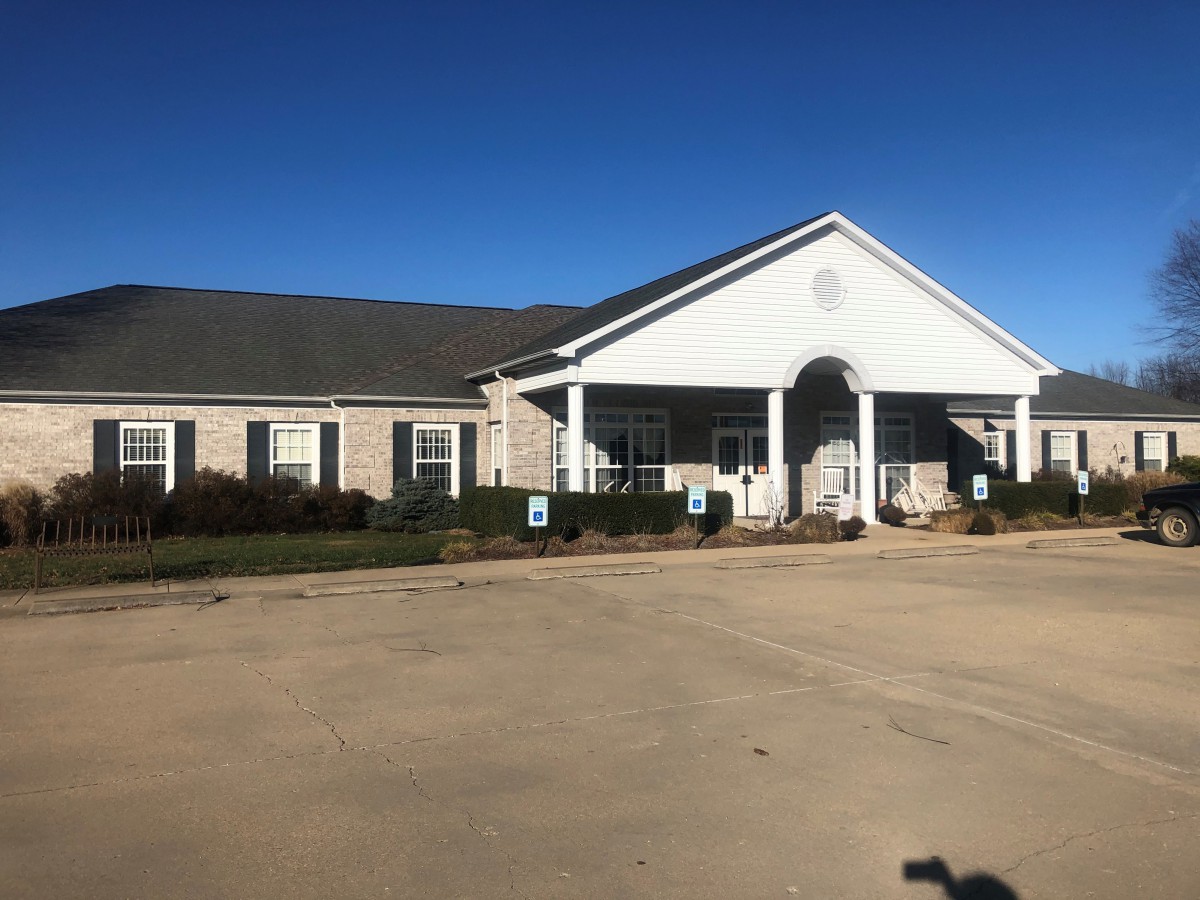
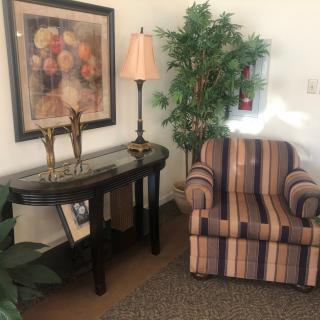
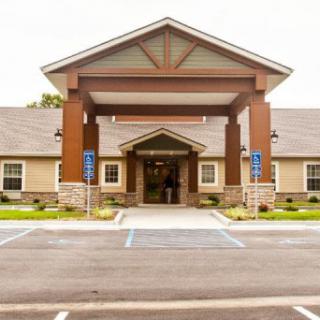
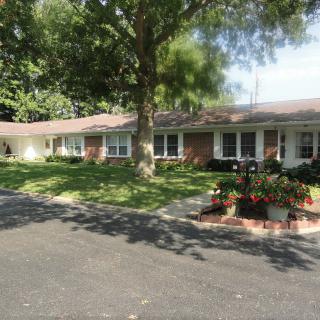
 The facility is very clean and nice.
- The care provided is very good.
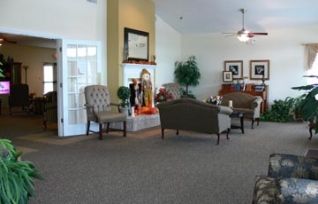
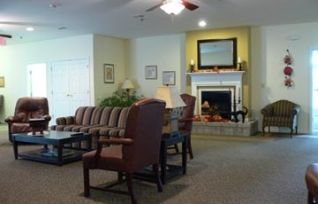
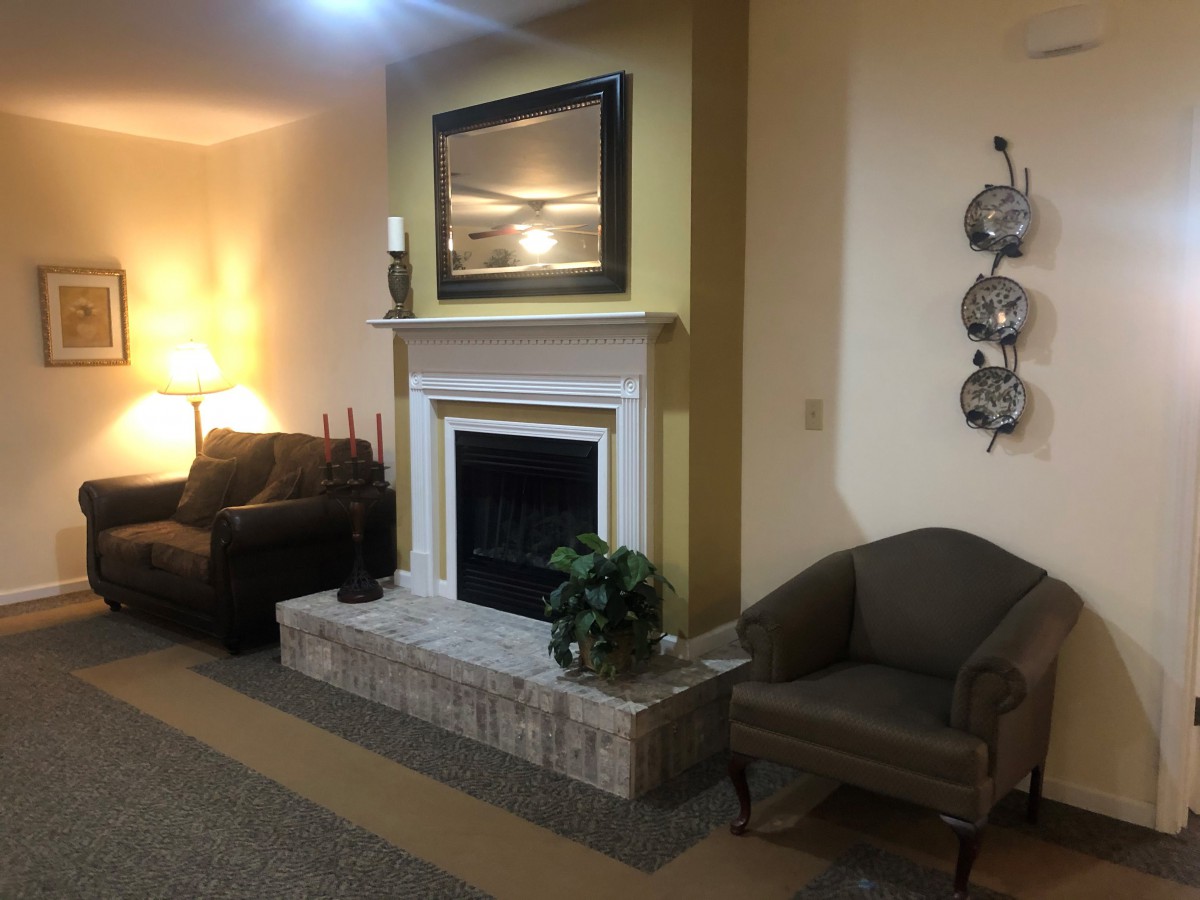
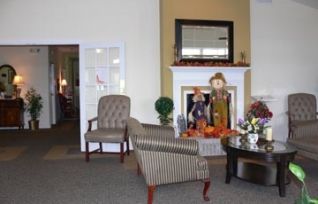
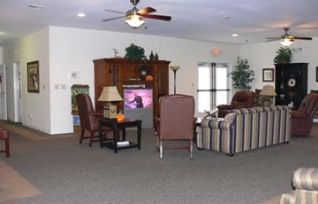
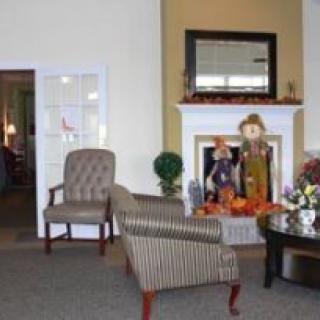
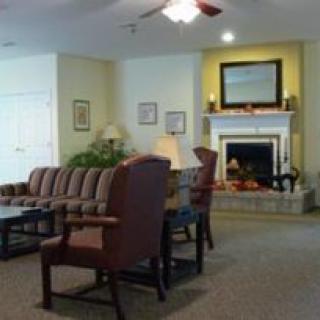
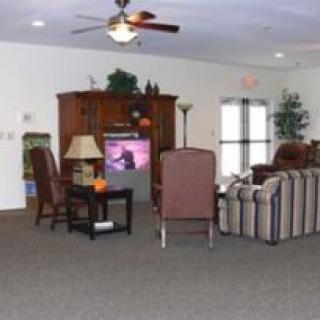
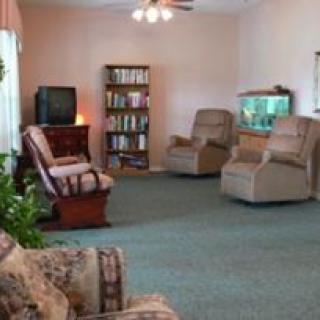
- It features a large open family room for visiting with games.
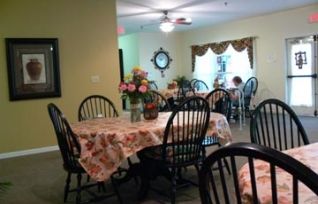
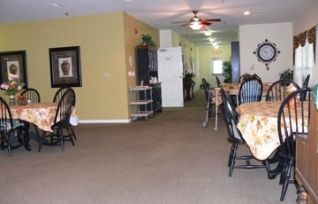
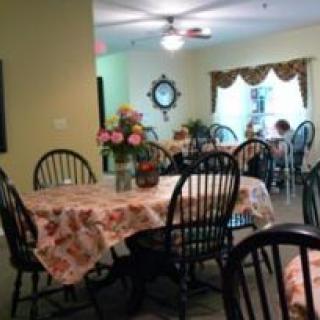
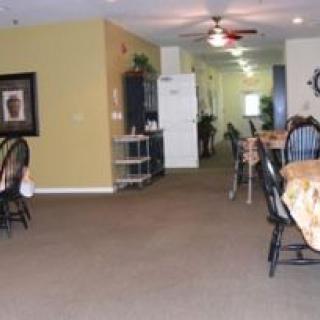
- The dining room is well lit, pleasant, and homey.
- The meals are tasty and home-cooked by a dedicated staff.
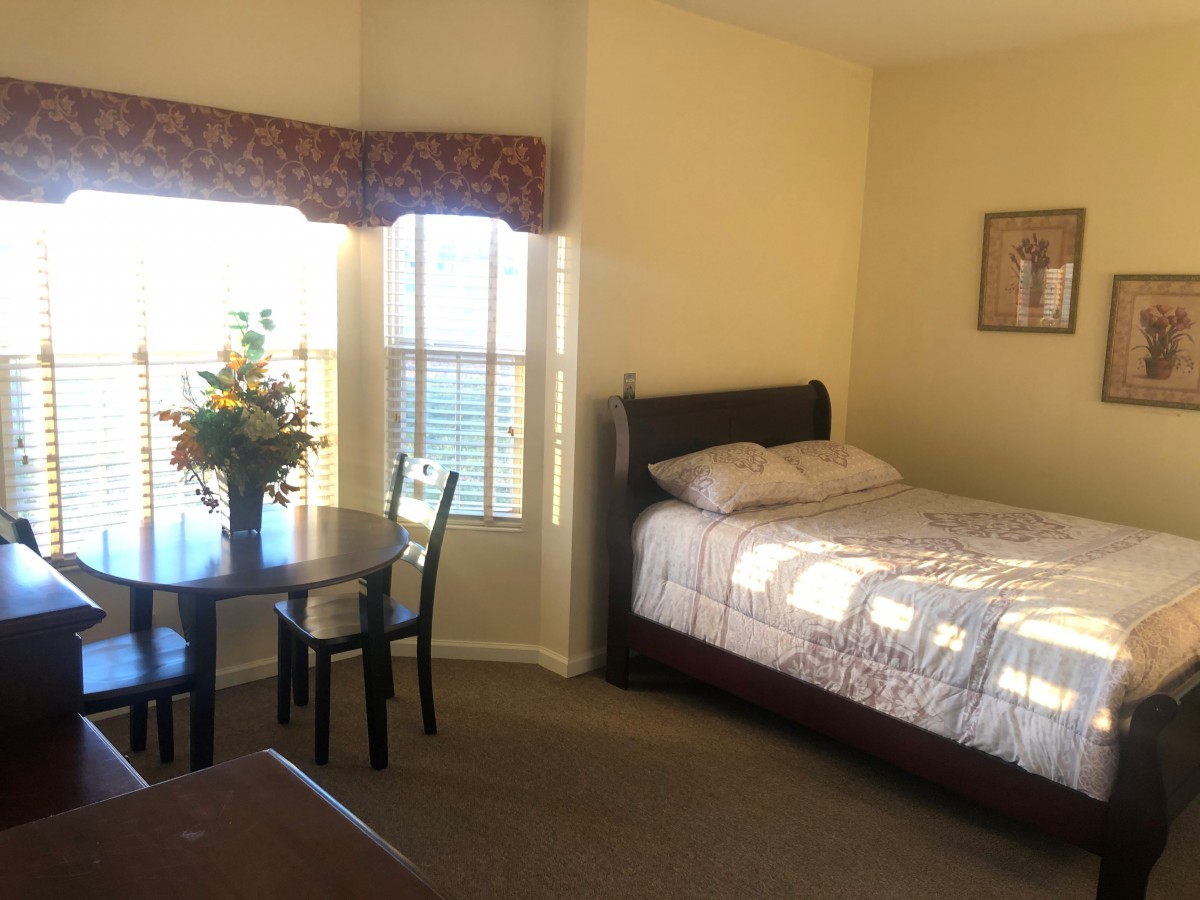
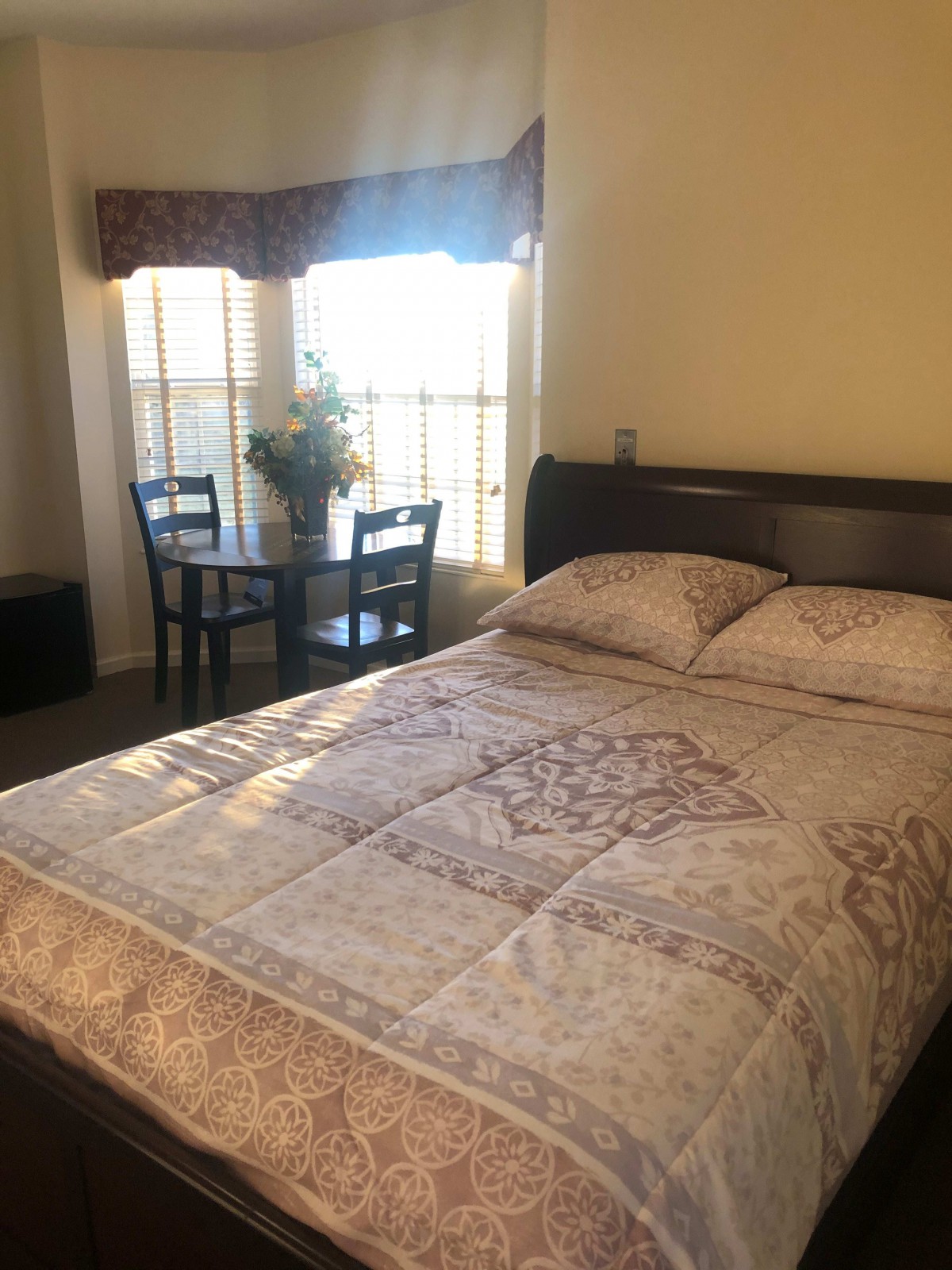
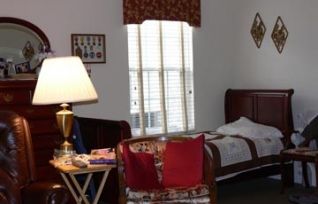
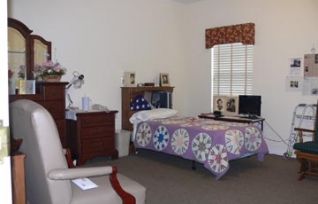
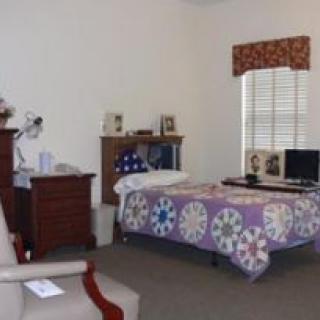
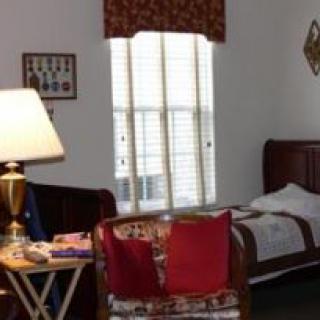
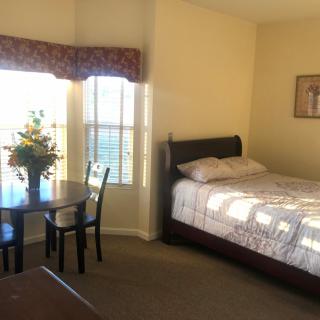
- Residents are encouraged to bring their own furniture to personalize their rooms.
- The environment includes a bird house outside, a roaming Sheltie, and a large fish tank, enhancing the homey feel.
- Residents participate in activities such as puzzles, a well-stocked library, and live entertainment.
- The reviews rate Licking Residential Care highly, with five-star praise.
Review
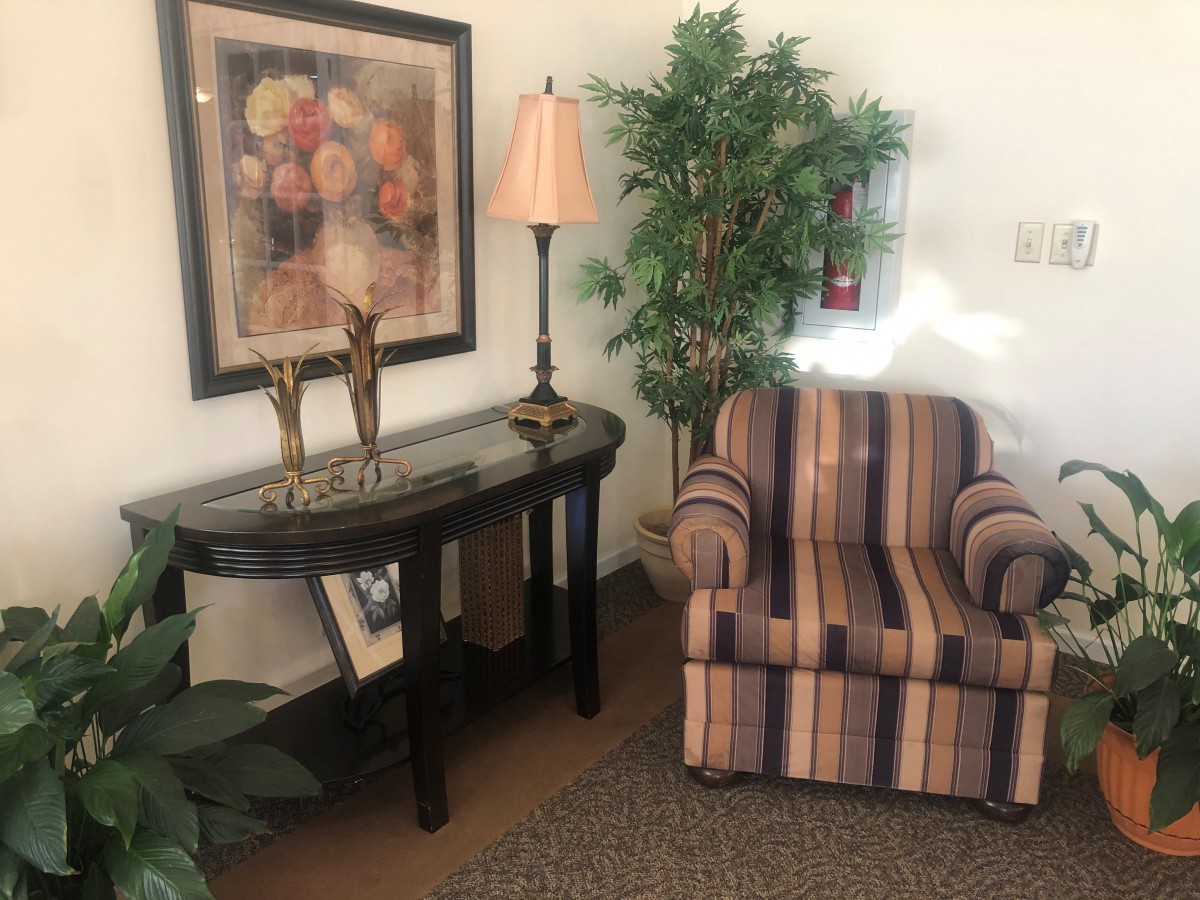
Licking Residential Care Facility is best suited for seniors who want a warm, home-like setting where family involvement and everyday livability take center stage. The community clearly appeals to those who prize cleanliness, comfortable shared spaces, and a lived-in atmosphere that feels less institutional and more like a well-kept family home. Residents can expect a well-lit dining room that fosters conversation during meals, a large open area for visiting relatives, and common spaces where games, puzzles, and casual gatherings happen naturally. The emphasis on bringing personal furnishings to the rooms and on small, tangible comforts, such as live entertainment and a library, helps residents maintain a sense of familiarity and ownership in their daily lives.
Families will notice that this facility shines for individuals who value social engagement as a core component of daily living. The environment encourages participation in activities like Golden Age Games, puzzles, book browsing, and visits with animals and a fish tank, which together create an inviting, interactive routine. Meals are described as home-cooked by a dedicated staff, contributing to a comforting sense of normalcy and culinary satisfaction. The ability to personalize living spaces, bringing furniture, bird feeders, or other familiar touches, further strengthens belonging and continuity, aspects that often matter most to residents and their loved ones when choosing care.
A practical reading of the positives points to a few clear strengths. First, cleanliness and upkeep are repeatedly noted, giving families confidence about basic safety and comfort. Second, the social ecosystem is robust: residents gather for meals, live entertainment, and recreational programming, reducing isolation and promoting meaningful connection. Third, staff appear attentive, delivering consistent care that feels thoughtful rather than transactional. Fourth, the small-town charm, pets roaming the halls, a bird house outside windows, and a homey dining room, contributes to a sense of ease and predictability that many seniors prioritize over more clinical settings.
Yet, the reviews illuminate a caveat worth weighing. The facility’s strengths do not come with explicit detail about high-acuity medical support or specialized memory-care services. There is no clear description of on-site nurses available around the clock, medical transportation, or dedicated secure units for residents with advanced dementia. For those whose needs exceed routine assisted living, complex med regimens, significant mobility assistance, or cognitive care with heightened supervision, alternatives with more defined clinical capabilities or memory-care design may be more appropriate. The absence of these specifics means families should verify the level of medical oversight before assuming suitability for every health profile.
Despite these potential gaps, the core advantages offset many concerns for the right resident. The homey ambience, coupled with strong social programming and practical amenities (cleanliness, good meals, personalization options), can substantially enhance quality of life for individuals who thrive on routine, companionship, and a less clinical atmosphere. The presence of live entertainment, games, and medals from community events signals an engaged resident culture that helps preserve independence and pride. For families seeking a low-stress option where safety and comfort coexist with genuine warmth, these pros often trump the absence of a formal medical specialty.
In guiding a decision, this community is a strong match for seniors who prioritize a friendly, domestic feel over institutional polish and who want abundant opportunities for social participation and personal expression. It is less suitable for those requiring intensive medical management, secure memory-care environments, or highly structured clinical programs. Prospective families should schedule a comprehensive visit with a focus on medical capabilities, staffing patterns, and daily schedules; ask about how meals are planned and delivered, and how personal furniture and belongings are accommodated; and talk to current residents and families about everyday routines, safety practices, and the true cadence of life inside. This is a setting where warmth, cleanliness, and engagement carry the day, and where the right match hinges on the resident’s comfort with a home-forward, community-driven model.
 34 resident community capacity
 Assisted Living
 Respite Care
 Activities on-site
 Beauty salon
 Cable or satellite TV
 Devotional services off-site
 Dining room
 Fully furnished
 Garden
 Housekeeping services
 Indoor common areas
 Kitchenette
 Move-in coordination
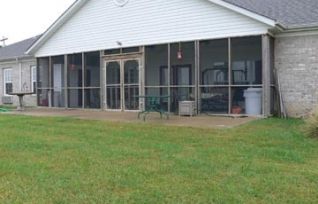
 Outdoor space
 Restaurant-style dining
 Small library
 Telephone
 Wi-Fi/high-speed internet available
 24-hour call system
 Ambulatory care
 Assistance with bathing
 Assistance with dressing
 Assistance with transfers
 Diabetes diet
 Diabetic care
 Medication management
 Mental wellness program
 Special dietary restrictions
 Transportation arrangement (medical)
 Transportation to doctors appointments


 Funding and Affording Assisted Living: A Thorough Overview
 Assisted Living Expenses and Long-Term Care Insurance: A Comprehensive Exploration
 Securing Financial Support for Assisted Living: A Comprehensive Overview