Spring River Christian Village in Joplin, MO

Save

  • Interior

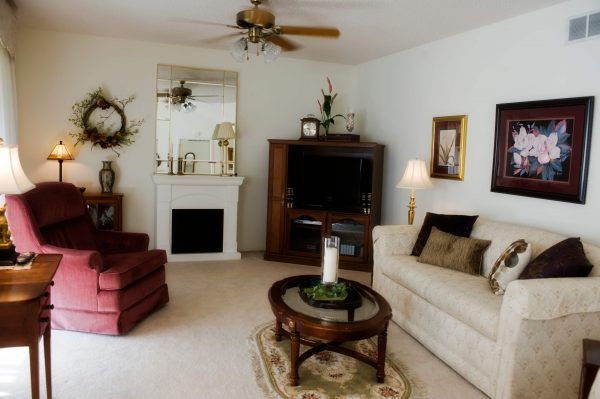
    A cozy living room with a sofa, television, and fireplace.
  • Outdoors

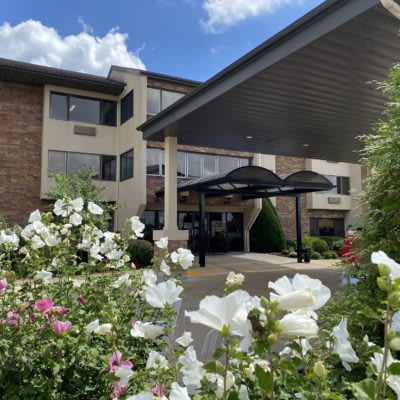
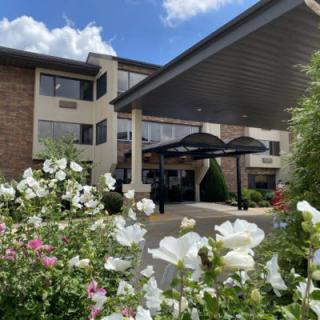
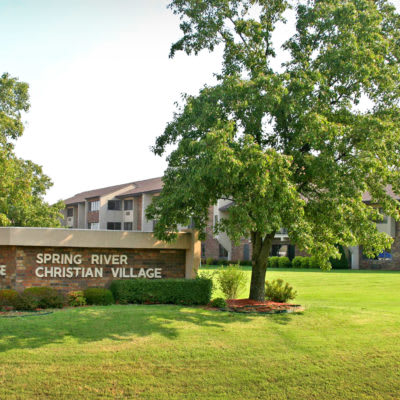
    A welcoming building entrance surrounded by a garden with blooming flowers and a clear blue sky.
  • Decor

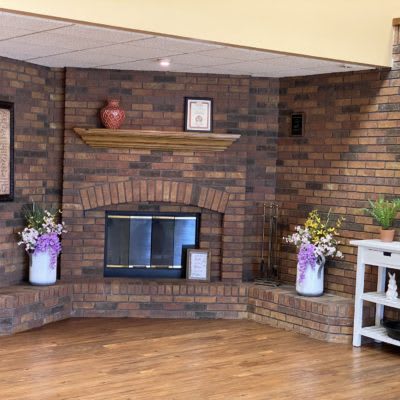
    A cozy living room corner featuring a brick fireplace, wooden shelf with decorative items, and vases with flowers.
  • Living Room

    Cozy living room with comfortable seating and a large TV.
  • Building

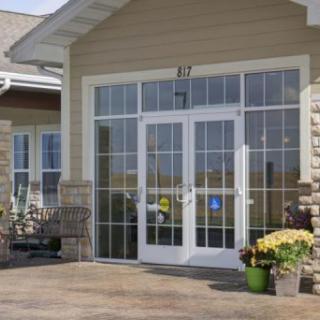
    The exterior view of a building with a prominent entrance under a cloudy sky.
  • Trees

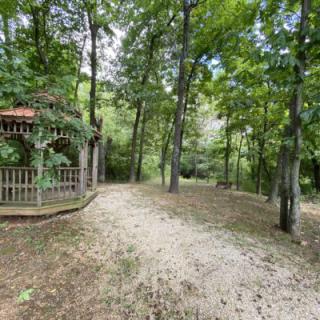
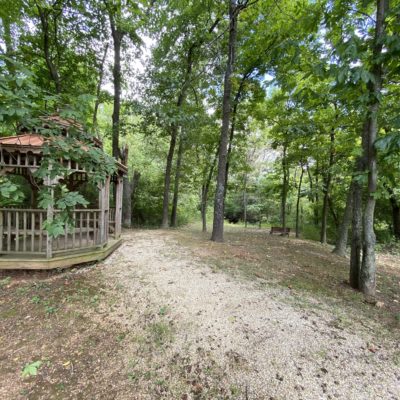
    A peaceful forest setting with a gazebo and pathway surrounded by trees.
  • Windows

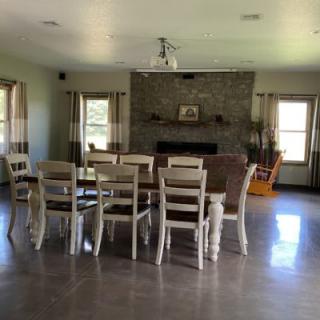
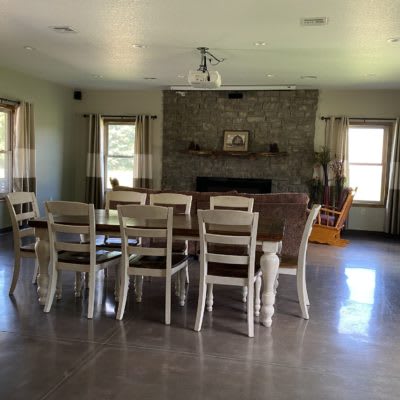
    A spacious dining room with a large table and chairs, featuring a stone fireplace and multiple windows.
  • Dining

    A group of people serving food in a restaurant setting.
  • Kitchen

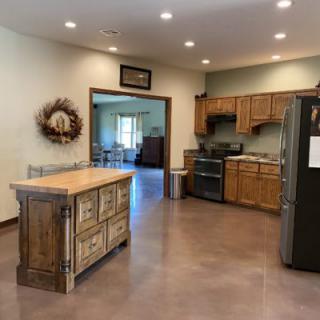
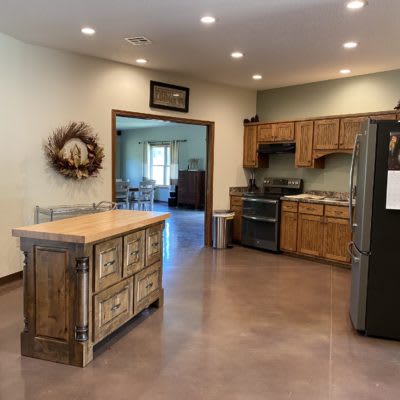
    A modern kitchen featuring wood cabinets, a central island, stainless steel appliances, and an open floor plan.
  • Artwork

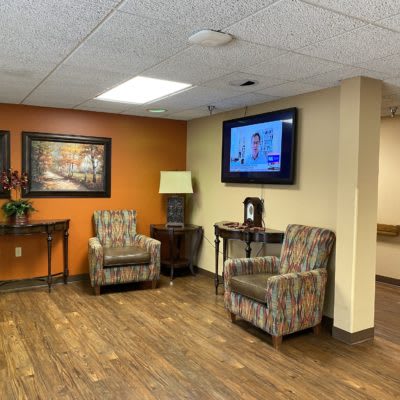
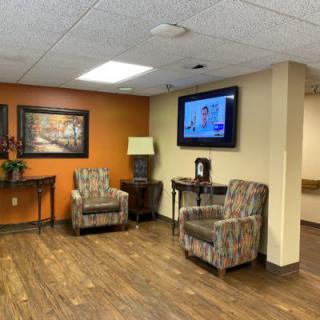
    A cozy lobby area featuring two patterned chairs, a television, artwork, and decorative elements, set against warm-toned walls and wooden flooring.
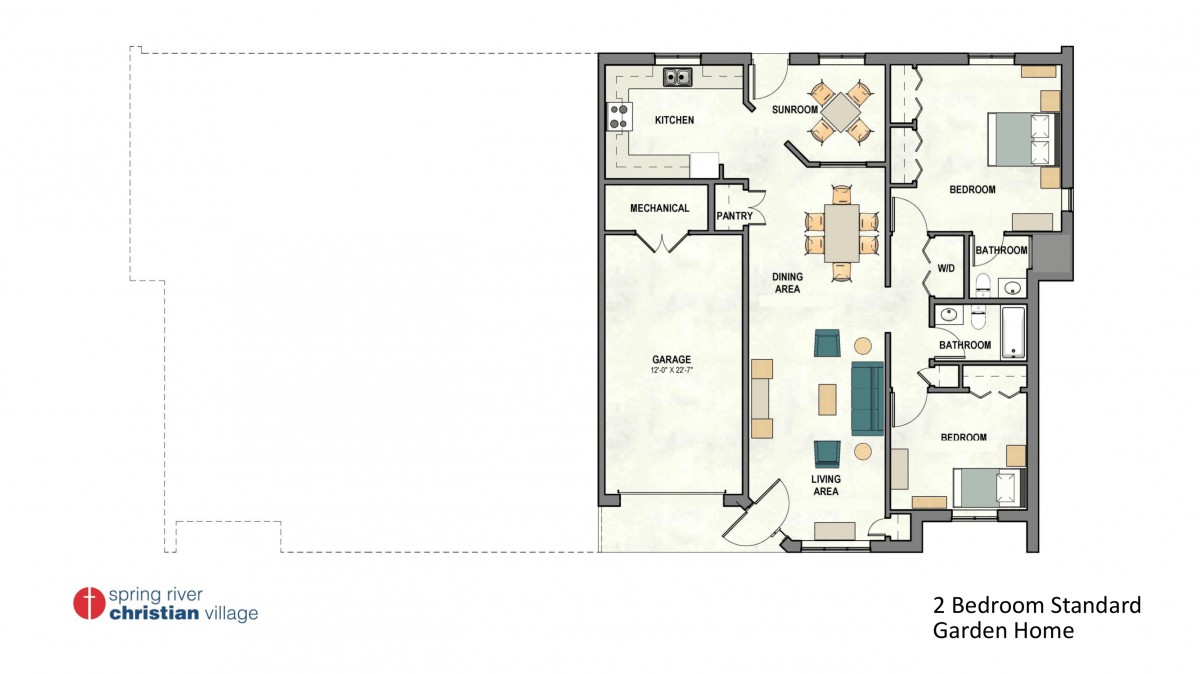
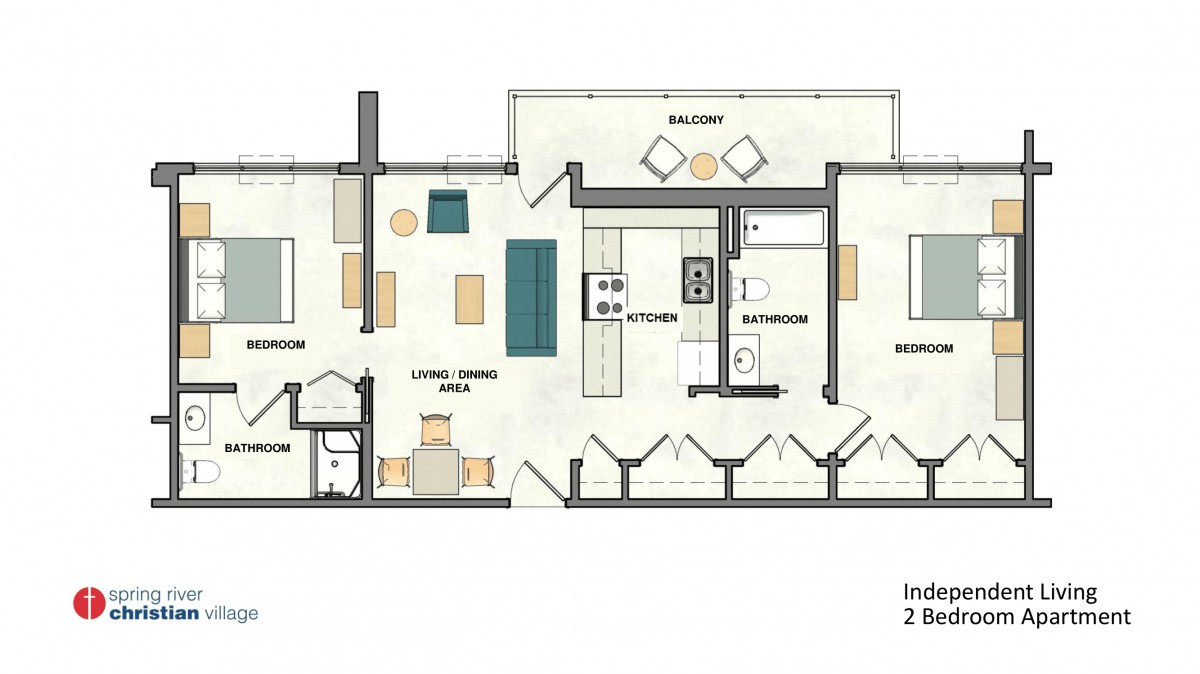
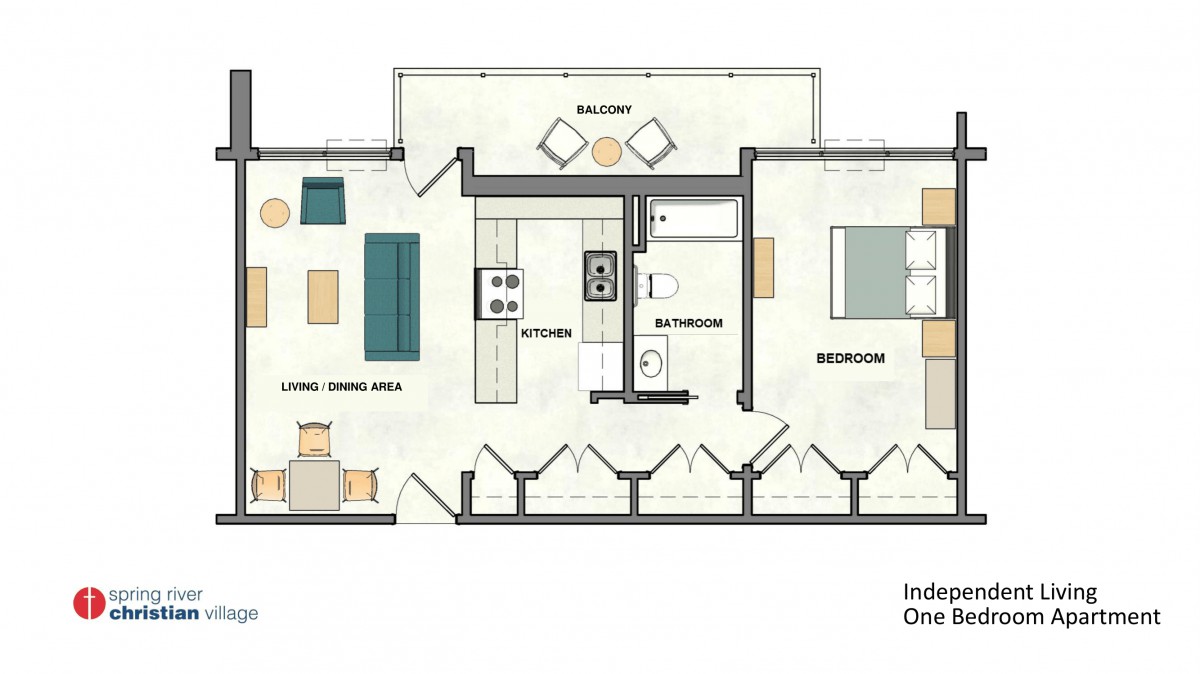
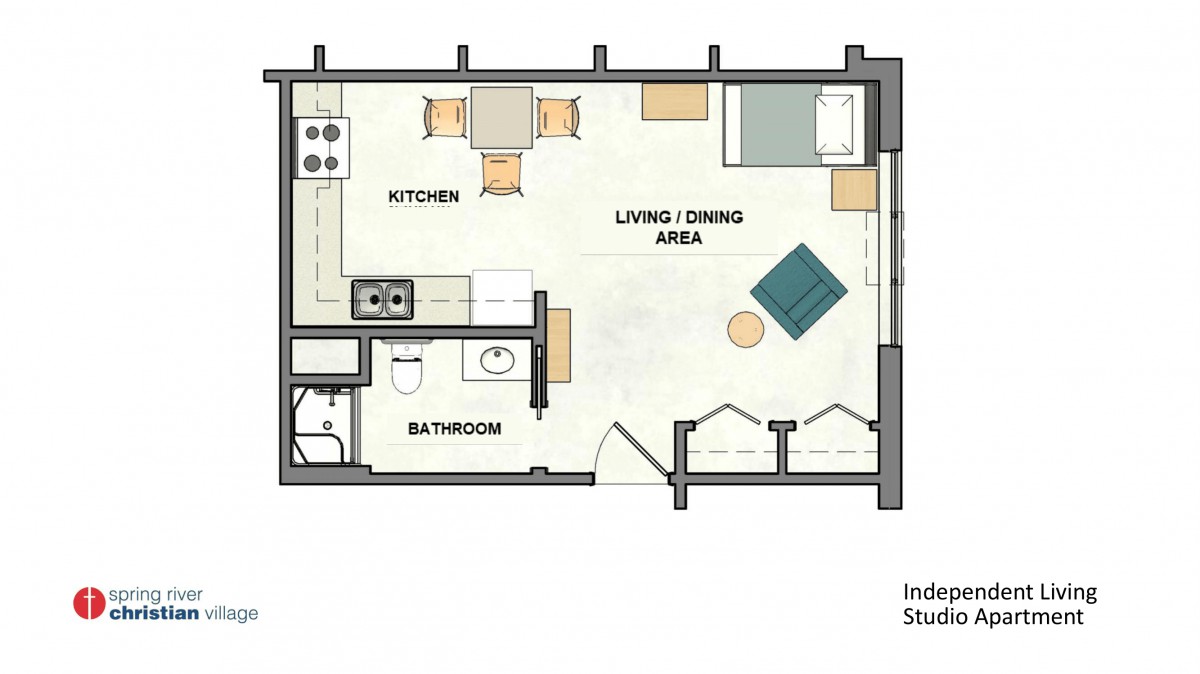
  • Floor Plan

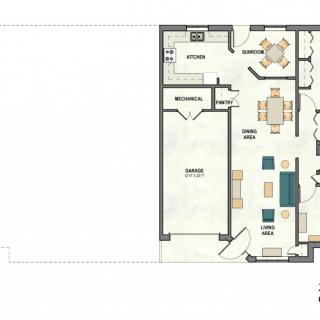
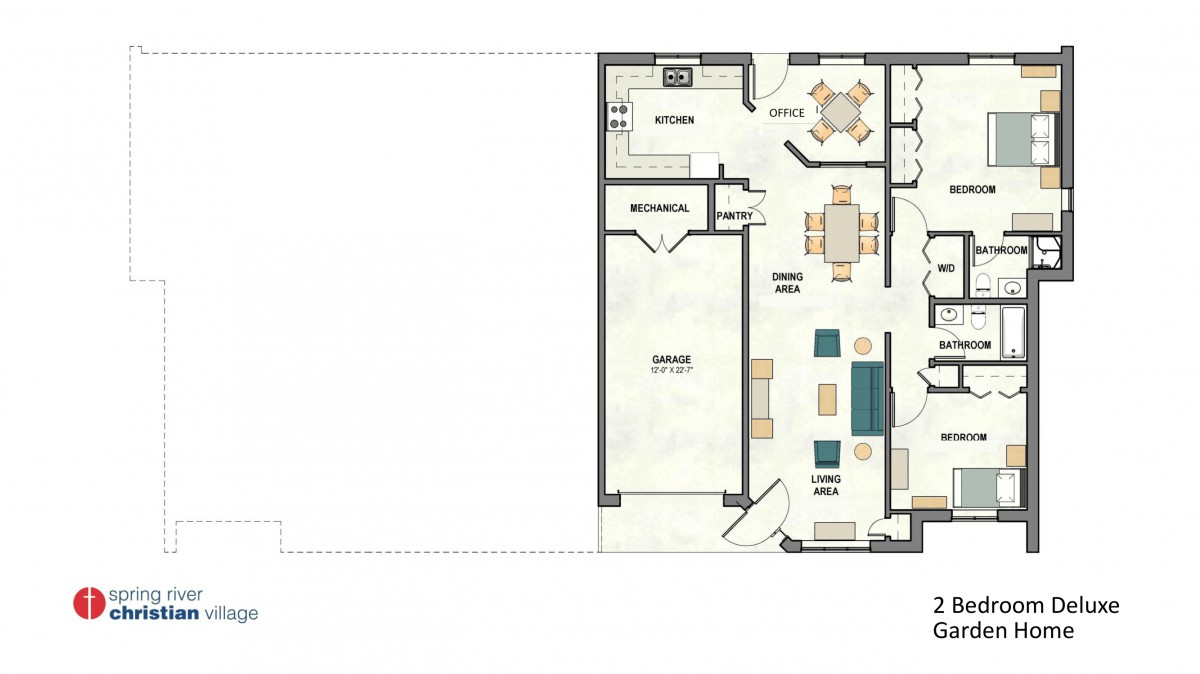
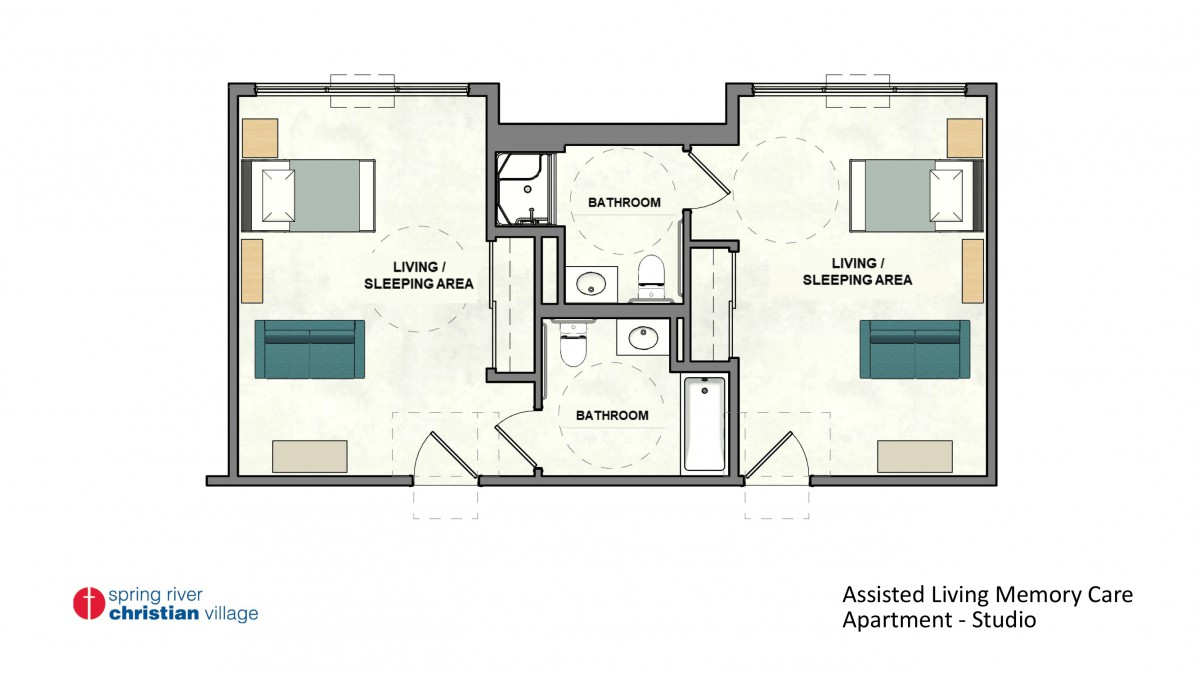
    An architectural floor plan depicting the layout of a residential space.
  • Nature

    A rustic wooden swing set in a serene forest setting.
  • Grass

    Spring Park Christian Village building with surrounding trees and lawn.

Spring River Christian Village in Joplin, MO

201 South Northpark Lane, Joplin, MO 64801

For more information about senior living options: (844) 490-3973

3.8 from 78 reviews
5 stars
39
4 stars
12
3 stars
12
2 stars
2
1 stars
13

Assisted Living Continuing Care Retirement Community (CCRC) Independent Living Memory Care Respite Care Skilled Nursing Facility

Spring River Christian Village Costs & Pricing

At Spring River Christian Village, the monthly costs for various room types present a competitive option compared to both Newton County and the broader state of Missouri. For instance, residents can secure a studio apartment for $1,709, significantly lower than the county average of $2,903 and the state average of $3,418. Similarly, one-bedroom units are priced at $2,173, which not only offers savings compared to Newton County's $2,865 but also undercuts the state average of $3,349. The two-bedroom options continue this trend, with a monthly cost of $2,615 in Spring River Christian Village - again more economical than both the county ($3,009) and state averages ($3,675). These pricing structures highlight Spring River Christian Village as an attractive choice for those seeking quality living accommodations that are mindful of budgetary considerations within the context of local and state trends.

Floor plansSpring River Christian VillageNewton CountyMissouri
Studio$1,709$2,903$3,418
1 Bedroom$2,173$2,865$3,349
2 Bedrooms$2,615$3,009$3,675

What level of care are you interested in?

Assisted Living

Memory Care

Independent Living

Skilled Nursing Facility

Continuing Care Retirement Community (CCRC)CCRC

Other


Request a tour at Spring River Christian Village

    Overall Review of Spring River Christian Village

    Pros

    • pro The staff are kind and caring, making residents feel warm, happy, and safe.
    • pro Spring River Christian Village is described as a wonderful place where residents feel like family.
    • pro Associates consistently show love to residents and families every day.
    • pro The facility is clean, smells fresh, and offers a variety of meals.
    • pro The nursing staff are gracious and provide care that is reasonably priced.
    • pro The environment is friendly, with attentive staff and strong teamwork.
    • pro The dining area is bright, convenient, and the meals are good.
    • pro It is a faith-based facility with compassionate, culturally competent care.
    • pro The community is beautiful, well maintained, and offers a wide range of activities and therapies.

    Cons

    • pro The reviewer claims the new owners have screwed their lives up.
    • pro The facility is described as the worst place they have stayed, noting lack of diabetic meals and inadequate medical care.
    • pro They rate the place zero stars and say the mother was neglected and doctors' orders were not followed.
    • pro They report chronic understaffing, with areas like the third floor closed because of it.
    • pro The place is dingy and really needs a remodel.
    • pro The food could use improvement and isn't very good.
    • pro They would not recommend this facility to others.
    • pro Some staff were mean or hateful and did not assist residents appropriately.
    • pro They would not place their loved one there and would advise looking elsewhere.

    Review

    Spring River Christian Village in Joplin, Missouri is best suited for seniors who want a faith-centered, tightly-knit campus where staff visibly treats residents like family and where independent living, assisted options, and on-site services are woven into daily life. It works well for families that prize warmth, spiritual orientation, and a community atmosphere over clinical distance. The layout and services cater to those who value a strong social environment, scheduled activities, and convenient access to therapy, meals, and transportation within a faith-friendly framework. For residents who insist on pristine, all-the-time medical surveillance or who require highly predictable nurse-to-patient ratios, this community may not be the ideal home.

    Alternatives are worth considering for adults whose top priority is medical precision and consistent staffing. Several reviewers flag situations where care appeared variable, with reports of understaffing, delayed responses, and occasional lapses in medication management. Families who need rigorous, around-the-clock nursing oversight or who want ongoing, very predictable care plans may find those gaps more consequential elsewhere. Price sensitivity is another angle: while many praise the value, others describe rate increases and a sense that "you get less for more" if medical acuity or consistent attention is non-negotiable. In short, this is a strong cultural fit for many, but not a universal fit for all levels of medical dependency.

    On the strength side, the pros frequently cited are convincing. The staff is repeatedly described as kind, patient, and genuinely caring, with long-tenured employees creating a recognizable "extended family" vibe. The facility is presented as clean, well-kept, and welcoming, with well-designed common spaces, bright dining areas, and a visible emphasis on hospitality. Residents and families often note a robust calendar of activities, the availability of therapy on site, and a dining program that - while not flawless - offers variety and substantial meals. The faith-based orientation is consistently highlighted as a meaningful, differentiating factor that supports chapel services, spiritual care, and a sense of purpose for many residents.

    Yet, the main drawbacks temper the enthusiasm. Understaffing is a recurring theme, particularly on holidays and weekends, which can slow response times and complicate care coordination. A handful of reviews describe gaps in communication, difficulties in obtaining timely information, and isolated incidents of care that felt insufficient or unresponsive. Maintenance and remodeling needs surface in some accounts, and price increases paired with perceived reductions in service quality create a tension point for budget-conscious families. The dining experience, though generally positive, is not universally praised, and a few families report that dietary needs and preferences were not always met promptly.

    The key to leveraging the positives against the negatives lies in proactive engagement and clear expectations. The strong, compassionate staff and the faith-based culture create a supportive backdrop that can offset occasional care gaps, especially when families participate actively in care planning and regular check-ins. The extensive housing options - from independent living to assisted arrangements - and the on-site services, including therapy and transport, build a cohesive ecosystem that makes day-to-day life more seamless for many residents. A well-communicated, respectful partnership with administrators and care teams tends to yield the best outcomes, given the realities of staffing fluctuations that appear in several reviews.

    For families evaluating this community, practical steps matter. Visit during various times of day to gauge staffing levels and responsiveness, and speak directly with front-line caregivers as well as the nursing leadership. Review sample care plans, medication routines, and dining options to ensure alignment with your loved one's needs and preferences. Ask for recent occupancy and maintenance updates, and bring up any anticipated changes in care requirements to see how flexible the team can be. If spiritual life and community connection are non-negotiables, assess the weekly schedule of worship services, volunteer opportunities, and pastoral support to confirm they meet expectations. When these elements align, Spring River Christian Village presents a compelling, value-rich home.

    Ultimately, Spring River Christian Village stands out as a practical, often exemplary choice for seniors who value a warm, faith-driven community with attentive staff, meaningful activities, and convenient, resident-centered services. It earns its strength from a genuine sense of belonging and care that families repeatedly describe as life-affirming. However, families with high acuity needs or rigid budget constraints should proceed with caution and perform due diligence on staffing stability, care consistency, and transparency of pricing. For the right resident, this is more than a residence; it is a welcoming community that can sustain independence while delivering compassionate support.

    Features

    Housing

    • 93 resident community capacity 93 resident community capacity

    Types of Care

    • Assisted Living Assisted LivingAssisted living facilities provide crucial support and care for seniors who may need help with daily tasks such as medication management, bathing, and meal preparation. These communities offer a safe and comfortable environment where seniors can maintain their independence while receiving the assistance they need to thrive in their golden years.
    • Continuing Care Retirement Community (CCRC) Continuing Care Retirement Community (CCRC)Continuing Care Retirement Communities (CCRCs) are important for seniors because they provide a range of housing options and care services all in one location. This allows seniors to age in place and receive the level of care they need as their health changes, without having to move to a new facility. CCRCs provide a sense of security and peace of mind for seniors and their families, knowing that they will be taken care of no matter what the future holds.
    • Independent Living Independent LivingIndependent living communities are important for seniors because they offer a safe and supportive environment where older adults can live independently while still having access to amenities and services that enhance their quality of life. These communities provide social opportunities, recreational activities, and assistance with daily tasks, promoting overall well-being and allowing seniors to maintain their independence for as long as possible.
    • Memory Care Memory CareMemory care is crucial for seniors as it provides specialized support and services for individuals with dementia or Alzheimer's disease. These programs offer a safe and secure environment where residents receive personalized care, cognitive stimulation, and help with daily activities. Memory care helps seniors maintain their independence, quality of life, and dignity while also providing peace of mind for their families.
    • Respite Care Respite CareRespite care provides temporary relief for caregivers, allowing them to recharge and attend to their own needs. It also gives seniors the opportunity to socialize, receive professional care, and experience a change of scenery, promoting overall well-being and reducing feelings of isolation.
    • Skilled Nursing Facility Skilled Nursing FacilitySkilled Nursing Facilities are crucial for seniors as they provide round-the-clock medical care, rehabilitation services, and assistance with daily activities. These facilities ensure that seniors receive the specialized care they need to maintain their health and well-being as they age.

    Pets

    • Cats allowed Cats allowed"Pet friendly" senior living communities are important for seniors because pets provide companionship, reduce feelings of loneliness and depression, promote physical activity and mental stimulation, and offer a sense of purpose and responsibility. Pets can improve overall well-being and quality of life for seniors in many ways.
    • Dogs allowed Dogs allowed"Pet friendly" senior living communities are important for seniors because pets provide companionship, reduce feelings of loneliness and depression, promote physical activity and mental stimulation, and offer a sense of purpose and responsibility. Pets can improve overall well-being and quality of life for seniors in many ways.

    Amenities

    • Activities on-site Activities on-siteActivities on-site are important for seniors because they provide opportunities for socialization, mental stimulation, physical activity, and overall well-being. Engaging in activities can help seniors stay active, maintain their independence, and improve their quality of life.
    • Air-conditioning Air-conditioningAir conditioning is important for seniors as they are more vulnerable to heat-related illnesses and may have underlying health conditions that make it difficult for them to regulate their body temperature. It helps to keep them comfortable, safe, and healthy in hot weather.
    • Bath tubs Bath tubsBath tubs are important for seniors because they provide a safe and relaxing way to bathe, helping to prevent slips and falls while promoting independence and overall well-being.
    • Beautician on-site Beautician on-siteHaving a beautician on-site at a senior living community is important for seniors as it allows them to easily access grooming and personal care services, boosting their self-esteem and overall well-being. It also provides convenience and helps seniors maintain their sense of independence and personal style.
    • Beauty salon Beauty salonBeauty salons are important for seniors because they provide a space for them to feel pampered, socialize, and maintain their personal grooming and hygiene. Regular visits to a beauty salon can help boost seniors' self-esteem and overall well-being.
    • Cable or satellite TV Cable or satellite TVCable or satellite TV is important for seniors because it provides entertainment, news, and companionship, helping to combat loneliness and boredom. It also offers a wide range of programming options tailored to different interests and preferences.
    • Computer center Computer centerA computer center is essential for seniors as it provides access to technology, communication tools, and resources that can enhance their daily lives. It allows them to stay connected with loved ones, engage in online activities, and learn new skills, ultimately promoting socialization and mental stimulation.
    • Devotional services off-site Devotional services off-siteDevotional services off-site are important for seniors as they provide spiritual nourishment, social engagement, and a sense of community outside of the senior living facility. This can enhance overall well-being and help combat feelings of isolation and loneliness often experienced by older adults.
    • Fitness room Fitness roomHaving a fitness room in a senior living community is essential for seniors to stay active, maintain their physical health, and improve their overall well-being. Regular exercise can help prevent falls, reduce the risk of chronic diseases, and promote mental sharpness. It also provides social opportunities for residents to connect with others and enjoy a sense of community.
    • Full kitchen Full kitchenHaving a full kitchen in a senior living facility is important for seniors because it allows them to maintain their independence and prepare their own meals. This promotes healthy eating habits, saves money on dining out, and provides a sense of familiarity and comfort for residents.
    • Fully furnished Fully furnishedFully furnished senior living communities are important for seniors because they provide convenience, comfort, and a hassle-free moving experience. Seniors can easily settle into their new living space without the stress of having to buy and move furniture. This allows them to focus on enjoying their new home and community.
    • Gaming room Gaming roomGaming rooms are important for seniors as they provide a fun and engaging environment for socializing, cognitive stimulation, and physical activity. Games can improve memory, problem-solving skills, and overall mental well-being while fostering friendships and reducing feelings of isolation.
    • Garden GardenGardens are important for seniors as they provide a peaceful and therapeutic environment for relaxation, physical activity, and socialization. Being in nature has been shown to reduce stress, improve mood, and promote overall well-being. Gardens also offer opportunities for seniors to engage in gardening activities, which can improve mobility, flexibility, and cognitive function. Additionally, gardens create a sense of community and connection with others who share a passion for plants and outdoor spaces.
    • Garden view Garden viewGarden views are important for seniors as they provide natural beauty and tranquility, promoting relaxation and overall well-being. Access to green spaces can also encourage outdoor activity and socialization, enhancing physical and mental health.
    • Ground floor units Ground floor unitsGround floor units are important for seniors because they provide easy accessibility, reduced risk of falls and injuries, and convenience for those with mobility issues. Seniors can avoid climbing stairs or using elevators, making daily tasks and activities more manageable and enjoyable.
    • Handicap accessible Handicap accessible"Handicap accessible" amenities are crucial for seniors to ensure they can easily navigate and access facilities, services, and activities without barriers or limitations due to physical impairments. This promotes independence, safety, and inclusivity for seniors in senior living communities.
    • Housekeeping services Housekeeping servicesHousekeeping services are important for seniors because they help maintain a clean and safe living environment, promote independence, and reduce the risk of accidents or illnesses. Additionally, having assistance with household chores can alleviate physical strain and allow seniors to focus on other aspects of their well-being.
    • Indoor common areas Indoor common areasIndoor common areas are crucial for seniors as they provide a space for socialization, recreation, and community engagement, promoting overall well-being and reducing feelings of isolation and loneliness.
    • Kitchenette KitchenetteKitchenettes are important for seniors living in senior living communities because they provide the convenience and independence of being able to prepare simple meals and snacks in the comfort of their own living space. This can help promote a sense of autonomy and well-being for seniors, allowing them to maintain some level of control over their dietary choices and daily routines.
    • Move-in coordination Move-in coordinationMove-in coordination is important for seniors because it helps ease the transition into their new living environment. It ensures that all logistics, such as packing, organizing movers, and setting up utilities are taken care of, allowing seniors to focus on settling in and adjusting to their new home. Having a smooth move-in process can alleviate stress and anxiety, making the transition smoother and more enjoyable for seniors.
    • Outdoor space Outdoor spaceOutdoor spaces are important for seniors as they provide opportunities for physical activity, social interaction, exposure to natural light and fresh air, and a sense of connection to nature. Having access to outdoor spaces can improve overall well-being and quality of life for older adults living in senior communities.
    • Private bathrooms Private bathroomsPrivate bathrooms are important for seniors in senior living communities because they provide independence, dignity, and comfort. Having a private bathroom allows seniors to maintain their personal hygiene routines without the need for assistance, promoting a sense of autonomy and privacy. Additionally, private bathrooms help prevent the spread of infections and provide a safe and clean environment for seniors to navigate safely.
    • Private patio, deck, or balcony Private patio, deck, or balconyHaving a private patio, deck, or balcony is crucial for seniors living in a retirement community as it provides them with access to fresh air, natural light, and the outdoors without having to leave their home. This outdoor space can promote physical activity, mental well-being, and socialization opportunities for seniors, contributing to an overall improved quality of life.
    • Respite or short term stays offered Respite or short term stays offeredRespite or short term stays provide seniors with a temporary solution when their regular caregiver is unavailable, offering them the opportunity to receive additional care and support during times of need, while also giving caregivers a chance to rest and recharge.
    • Restaurant-style dining Restaurant-style diningRestaurant-style dining is important for seniors because it allows them to enjoy delicious, nutritious meals in a social and upscale setting. This enhances their dining experience, promotes healthy eating habits, and fosters socialization with fellow residents, ultimately contributing to their overall well-being and quality of life.
    • Small library Small librarySmall libraries are important for seniors as they provide access to a variety of reading materials, including books, newspapers, and magazines. This can help stimulate their minds, keep them engaged, and provide a sense of community through book clubs and other social activities. Additionally, reading has been shown to improve cognitive function and overall mental well-being in older adults.
    • Telephone TelephoneTelephones are important for seniors as they provide a lifeline for communication with loved ones, emergency services, and healthcare providers. They offer a sense of security and independence, enabling seniors to stay connected and access assistance when needed.
    • Wellness center Wellness centerWellness centers are important for seniors because they offer a variety of programs and services that promote physical, mental, and emotional well-being. These centers provide opportunities for exercise, socialization, education, and relaxation, helping seniors maintain their overall health and quality of life.
    • Wheelchair accessible showers Wheelchair accessible showersWheelchair accessible showers are crucial for seniors as they provide a safe and independent bathing option for those with mobility challenges. These showers help prevent falls and allow seniors to maintain their dignity and autonomy while ensuring they can bathe comfortably.
    • Wi-Fi/high-speed internet available Wi-Fi/high-speed internet availableWi-Fi/high-speed internet is important for seniors to stay connected with loved ones, access online resources, and participate in virtual activities to combat feelings of loneliness and isolation. It also allows them to easily manage healthcare needs, access entertainment, and engage in lifelong learning opportunities.

    Transportation

    • Joplin Regional (5 miles away) Joplin Regional (5 miles away)
    • Community operated transportation Community operated transportationCommunity operated transportation is crucial for seniors as it provides them with the means to access essential services, social activities, and medical appointments. It allows seniors to maintain their independence and quality of life by ensuring they can participate in activities outside of their homes. Additionally, community-operated transportation services offer a safe and reliable way for seniors to travel without having to rely on family or friends for assistance.
    • Transportation arrangement Transportation arrangementTransportation arrangements are crucial for seniors as they may face challenges with driving, mobility, or access to public transportation. Having reliable transportation services ensures that seniors can easily attend appointments, social activities, and maintain their independence and quality of life.
    • Transportation arrangement (non-medical) Transportation arrangement (non-medical)Transportation arrangements are essential for seniors as they provide access to essential services, activities, and social interactions outside the home. This service helps maintain independence, mobility, and overall well-being for seniors who may have limited transportation options.

    Care Services

    • 24-hour call system 24-hour call system24-hour call systems are important for seniors because they provide peace of mind and immediate assistance in case of emergencies. This technology ensures that help is always available, promoting safety and security for elderly individuals living alone or in assisted living facilities.
    • 24-hour supervision 24-hour supervision24-hour supervision is important for seniors to ensure their safety, well-being, and access to immediate assistance in case of emergencies or health issues. This constant support provides peace of mind for both seniors and their loved ones, allowing them to age in place with dignity and security.
    • Activities of daily living assistance Activities of daily living assistanceActivities of daily living assistance are important for seniors because they provide essential support with tasks such as eating, bathing, dressing, and mobility. This assistance helps seniors maintain their independence, dignity, and overall quality of life as they age.
    • Ambulatory care Ambulatory care"Ambulatory care services provide essential medical support and treatment to seniors without requiring hospitalization, allowing them to maintain their independence and quality of life while managing chronic conditions or receiving routine medical care."
    • Assistance with bathing Assistance with bathingAssistance with bathing is crucial for seniors as it helps maintain personal hygiene, prevents infections, and ensures their overall well-being and comfort. It also provides a sense of dignity and independence for seniors who may struggle with this task on their own.
    • Assistance with dressing Assistance with dressingAssistance with dressing is important for seniors because it helps maintain their independence, promotes personal hygiene, prevents accidents and injuries, and improves overall quality of life. This service ensures that seniors can continue to dress comfortably and confidently, despite any physical limitations they may have.
    • Assistance with transfers Assistance with transfersAssistance with transfers is crucial for seniors as it helps prevent falls and injuries, maintains their independence, and ensures they can safely navigate their living environment. It also provides peace of mind for both seniors and their loved ones.
    • Diabetes diet Diabetes dietA diabetes diet is crucial for seniors as it helps manage blood sugar levels, reduce risks of complications, and improve overall health and well-being. By following a balanced and nutritious diet tailored to their specific needs, seniors can better control their diabetes and enhance their quality of life.
    • Diabetic care Diabetic careDiabetic care is crucial for seniors as they are more susceptible to developing diabetes due to aging and other health conditions. Proper management of diabetes can help prevent complications such as heart disease, vision loss, and nerve damage, improving the overall quality of life for seniors in senior living communities.
    • High acuity care High acuity careHigh acuity care is important for seniors because it provides specialized medical attention and support for individuals with complex medical needs. This level of care ensures that seniors receive the appropriate treatment and assistance to maintain their health and quality of life as they age.
    • Incontinence care Incontinence careIncontinence care is essential for seniors to maintain their dignity, hygiene, and overall quality of life. By addressing incontinence issues promptly and effectively, seniors can enjoy a sense of independence and comfort in their daily activities.
    • Meal preparation and service Meal preparation and serviceMeal preparation and service are crucial for seniors as they may have limited mobility or energy to cook nutritious meals. Having access to healthy and convenient food options can ensure they are getting the proper nutrition needed to maintain their overall health and well-being.
    • Medication management Medication managementMedication management is crucial for seniors to ensure they are taking the right medications at the correct dosages and times. This helps prevent adverse drug interactions, reduces the risk of medication errors, and promotes overall health and well-being. Proactive management also allows for adjustments as needed based on changing health conditions or new prescriptions.
    • Special dietary restrictions Special dietary restrictionsSpecial dietary restrictions are important for seniors because age-related changes in metabolism and health conditions can make it difficult for their bodies to process certain foods. By following a diet tailored to their specific needs, seniors can maintain their overall health and well-being, manage chronic conditions, and reduce the risk of complications such as malnutrition or food interactions with medications.

    Dining

    • Diabetes diet Diabetes dietA diabetes diet is crucial for seniors as it helps manage blood sugar levels, reduce risks of complications, and improve overall health and well-being. By following a balanced and nutritious diet tailored to their specific needs, seniors can better control their diabetes and enhance their quality of life.
    • Gluten-free Gluten-freeGluten-free options are important for seniors as they are more prone to digestive issues and dietary sensitivities. Offering gluten-free meal choices in senior living communities can help improve their overall health and well-being.
    • Guest meals Guest mealsGuest meals are important for seniors living in senior living communities because they provide an opportunity for socialization and companionship. Sharing a meal with friends, family, or new acquaintances can help combat feelings of loneliness and isolation, promote a sense of community, and enhance overall well-being. Additionally, guest meals allow seniors to enjoy delicious food in a comfortable setting without the hassle of cooking or cleaning up, making dining a pleasurable and stress-free experience.
    • Kosher KosherKosher options are important for seniors because they adhere to dietary laws that are significant to many Jewish individuals, providing them with peace of mind and an opportunity to maintain their cultural traditions and beliefs while living in a senior living community.
    • Low / no sodium Low / no sodiumLow/no sodium options are important for seniors because excessive sodium intake can lead to high blood pressure, heart disease, and other health issues commonly experienced by older adults. By choosing low/no sodium foods, seniors can better manage their health and reduce their risk of developing these conditions.
    • Meals provided Meals provided"Meals provided" are crucial for seniors in assisted living communities as it ensures they have access to nutritious, balanced meals without the stress of meal planning and preparation. This can help promote overall health and well-being for seniors who may have limited mobility or cognitive abilities.
    • No Sugar No SugarNo sugar diets are important for seniors because they can help prevent or manage chronic conditions such as diabetes, heart disease, and obesity. Sugar can also contribute to cognitive decline and inflammation in the body, so reducing sugar intake can lead to overall improved health and well-being in older adults.
    • Organic OrganicOrganic foods are important for seniors because they contain fewer chemicals and pesticides, which can be harmful to aging bodies. Additionally, organic foods often have higher nutrient levels, making them a healthier choice for maintaining overall well-being in older adults.
    • Restaurant style dining Restaurant style diningRestaurant style dining is important for seniors as it offers them a social and enjoyable dining experience, promotes healthy eating habits, and provides personalized menu options to cater to their dietary needs and preferences. This type of dining setting can enhance their overall quality of life and create a sense of community within the senior living facility.
    • Room service Room serviceRoom service is important for seniors in a senior living community because it provides convenience and allows them to have their meals delivered directly to their room. This can be especially beneficial for seniors who may have mobility issues or difficulty accessing the dining area. Room service ensures that seniors are able to receive nutritious meals without having to navigate through the facility, allowing them to maintain their independence and overall well-being.
    • Special dietary restrictions Special dietary restrictionsSpecial dietary restrictions are important for seniors because age-related changes in metabolism and health conditions can make it difficult for their bodies to process certain foods. By following a diet tailored to their specific needs, seniors can maintain their overall health and well-being, manage chronic conditions, and reduce the risk of complications such as malnutrition or food interactions with medications.
    • Special dining programs Special dining programsSpecial dining programs are important for seniors because they provide nutritious meals tailored to their dietary needs and preferences. These programs also offer socialization opportunities, promote overall health and well-being, and can help prevent malnutrition.
    • Vegan VeganVegan diets can provide numerous health benefits for seniors, including lower risk of chronic diseases, improved digestion, and increased energy levels. Additionally, plant-based diets are often rich in essential nutrients that can support overall well-being and longevity in older adults.
    • Vegetarian VegetarianA vegetarian diet is important for seniors because it can help lower the risk of chronic diseases, maintain a healthy weight, and provide essential nutrients needed for aging bodies. Additionally, plant-based diets are often easier on digestive systems and can contribute to overall well-being in older adults.

    Activities

    • Art classes Art classesArt classes are important for seniors because they provide a creative outlet, improve cognitive function, reduce stress and anxiety, promote socialization, and enhance overall well-being and quality of life.
    • Bible study group Bible study groupBible study groups provide seniors with a sense of community, spiritual growth, and support during their later years. It helps them stay connected to their faith, find comfort in difficult times, and build meaningful relationships with others.
    • Community-sponsored activities Community-sponsored activitiesCommunity-sponsored activities are important for seniors as they provide opportunities for social interaction, mental stimulation, and physical activity. These activities can help improve overall well-being, combat loneliness and isolation, and promote a sense of belonging and purpose among older adults.
    • Concierge services Concierge servicesConcierge services are essential for seniors as they provide assistance with daily tasks and errands, enhance their quality of life by offering convenience and personalized care, and promote a sense of safety and security.
    • Cooking classes Cooking classesCooking classes are important for seniors as they provide opportunities for social interaction, enhance cognitive skills, promote healthy eating habits, and boost confidence in the kitchen.
    • Day trips and outings Day trips and outingsDay trips and outings are important for seniors as they provide opportunities for socialization, mental stimulation, physical activity, and a break from daily routines. These experiences can enhance overall well-being and quality of life for older adults living in senior communities.
    • Devotional activities offsite Devotional activities offsiteDevotional activities offsite are important for seniors because they provide social engagement, spiritual growth, and a sense of community outside of their living environment. This can improve overall well-being, mental health, and combat feelings of isolation or loneliness.
    • Devotional activities on-site Devotional activities on-siteDevotional activities on-site provide seniors with a sense of community, spiritual fulfillment, and emotional support, promoting overall well-being and a positive sense of purpose in their lives.
    • Educational speakers / life long learning Educational speakers / life long learningEducational speakers and lifelong learning opportunities are crucial for seniors as they provide mental stimulation, promote social engagement, and contribute to overall well-being. Continuous learning helps seniors stay mentally sharp, build new skills, and maintain a sense of purpose and fulfillment in their lives. It also allows them to stay connected to the world around them and fosters a sense of community within senior living facilities.
    • Fitness programs Fitness programsFitness programs are crucial for seniors as they help improve strength, flexibility, balance, and overall well-being. Staying active can reduce the risk of chronic diseases, improve mental health, and enhance quality of life in older adults.
    • Karaoke KaraokeKaraoke provides seniors with a fun and social activity that can boost mood, confidence, and cognitive function. It encourages social interaction, physical movement, and creative expression, making it an important form of entertainment for senior living communities.
    • Live well programs Live well programs"Live well programs are essential for seniors as they provide opportunities for physical activity, social engagement, and mental stimulation, ultimately promoting overall health and well-being in later years."
    • Other religious services Other religious servicesOther religious services are important for seniors as they provide a sense of community, spiritual comfort, and opportunities for socializing. These services can help seniors feel connected to their faith and maintain a sense of purpose and belonging in their later years.
    • Planned day trips Planned day tripsPlanned day trips are important for seniors because they offer opportunities for socialization, mental stimulation, and physical activity. They provide a change of scenery and help seniors stay engaged and connected to their community, promoting overall well-being and quality of life.
    • Resident-run activities Resident-run activitiesResident-run activities are important for seniors as they encourage social interaction, creativity, and a sense of autonomy. These activities empower seniors to stay engaged and active in their community while fostering meaningful connections with their peers.
    • Scheduled daily activities Scheduled daily activitiesScheduled daily activities are important for seniors because they provide structure, socialization, mental stimulation, and physical activity. Engaging in regular activities can improve overall well-being and quality of life for seniors living in a community setting.
    • Visiting Rabbi Visiting Rabbi"Visiting rabbis provide spiritual and emotional support to seniors in assisted living communities, helping them connect with their faith, find comfort in times of need, and maintain a sense of community and belonging."
    • Visiting chaplain or priest Visiting chaplain or priestHaving a visiting chaplain or priest at a senior living community is important for seniors because it provides spiritual support, comfort, and guidance during a time of life that can be challenging and uncertain. Their presence can help seniors feel connected to their faith, find peace of mind, and cope with the emotional and mental struggles they may face in their later years.

    Description

    Spring River Christian Village in Joplin, MO is a vibrant and caring assisted living community that offers a wide range of care services to meet the individual needs of its residents. As a Continuing Care Retirement Community (CCRC), it provides a continuum of care, allowing residents to age in place and receive the necessary support as their needs change over time.

    With spacious and comfortable Independent Living apartments, residents can maintain an active and independent lifestyle while enjoying convenient amenities such as air-conditioning, fully furnished units, private bathrooms, and access to outdoor spaces like gardens and patios. The community also offers Memory Care for seniors with Alzheimer's or dementia, providing specialized care in a secure environment.

    Residents at Spring River Christian Village benefit from 24-hour supervision and assistance with activities of daily living such as bathing, dressing, and transfers. Skilled nursing facilities are available for those requiring high acuity care or diabetic management. Medication management is provided to ensure that residents receive their medications on time.

    The community boasts various amenities to enhance the quality of life for its residents. They can enjoy delicious meals served in a restaurant-style dining room with options for special dietary restrictions like gluten-free or vegan diets. Socializing opportunities abound through activities like Bible study groups, cooking classes, fitness programs, day trips, and planned outings facilitated by concierge services. Residents can also engage in devotional activities both on-site and off-site through visiting chaplains or priests.

    Spring River Christian Village is conveniently located near numerous cafes, parks, pharmacies, physicians' offices, restaurants, transportation options, places of worship, theaters, and hospitals. This accessibility ensures that residents have easy access to amenities outside the community as well as medical services when needed.

    Overall, Spring River Christian Village offers a warm and compassionate environment where seniors can find peace of mind knowing that they are well-cared for in a supportive community that fosters independence and enriches their lives through various activities and amenities.

    Videos

    Nearby Places of Interest

    This part of Joplin, Missouri offers a convenient and vibrant community for senior living. With a variety of amenities within close proximity, such as theaters, restaurants offering diverse cuisine options, reputable physicians and pharmacies, cozy cafes for socializing and enjoying a cup of coffee, places of worship for spiritual fulfillment, parks for relaxation and outdoor activities, transportation services for convenience, and hospitals for healthcare needs. The area provides ample opportunities for entertainment, dining, healthcare access and recreational activities to support a comfortable and fulfilling lifestyle for seniors.

    Theaters

    • Northstar STM 14 (0.3 miles)

    Restaurants

    • Orange Julius (0.3 miles)
    • Johnny Carino's (0.5 miles)
    • Logan's Roadhouse (0.5 miles)
    • Tokyo Japanese Steak House (0.6 miles)
    • Taco Bell (0.8 miles)
    • Sonic Drive-In (0.8 miles)
    • McDonald's (0.8 miles)

    Physicians

    • Northpark EyeCare (0.3 miles)
    • Beltone Hearing Aid Center (1.8 miles)
    • Coleman Vision (1.9 miles)
    • Edgar M. Conrad (2.4 miles)
    • Mercy Clinic Cardiovascular Surgery - Main and 1st (2.4 miles)
    • 4 Corners Pain Relief Institute (2.4 miles)
    • Midwest Regional Allergy Asthma Arthritis & Osteoporosis Center (2.5 miles)

    Cafes

    • Joe Muggs Coffee (0.4 miles)
    • Red Onion Cafe (2.4 miles)
    • Zinc Coffee (2.7 miles)
    • New Day Cafe (3.2 miles)
    • Crazy Llama Coffee (3.7 miles)

    Places of Worship

    • Southern Baptist Convention (0.6 miles)
    • Cornerstone Christian Church (1.2 miles)
    • Calvary Chapel of Joplin (1.6 miles)
    • United Hebrew Congregation (2.9 miles)
    • Our Father's House Ministries (3.2 miles)
    • Hope City Church (3.6 miles)

    Parks

    • Leonard Park (0.7 miles)
    • Parr Hill Dog Park (2 miles)
    • King Jack Park Baseball Fields (3 miles)
    • Butterfly Garden and Overlook (3.8 miles)

    Pharmacies

    • Walgreens (1.4 miles)
    • Drug Warehouse (1.6 miles)
    • Medicine Shoppe Pharmacy (1.8 miles)
    • Medicine Shoppe (2.6 miles)
    • Pronto Pharmacy #4 (2.9 miles)
    • Joplin Retail Rx (3 miles)
    • Family Pharmacy (3.1 miles)

    Transportation

    • Enterprise Rent-A-Car (1.5 miles)

    Hospitals

    • St John's Regional Medical Center (1.8 miles)
    • Freeman Hospital East (3.3 miles)

    Frequently Asked Questions

    How much does it cost to live at Spring River Christian Village in Joplin, MO?
    Where is Spring River Christian Village?
    Does Spring River Christian Village provide care for residents with dementia or Alzheimer's disease?
    Does Spring River Christian Village allow residents to have pets?
    What photos are available for Spring River Christian Village in Joplin, Missouri?

    Nearby Communities

    • Northpark

      Northpark

      Joplin, MO

      5 from 1 review
      $550 to $625 / month

      pro Handicap-accessible units with well-maintained grounds and friendly, professional staff.

    • Prairie Hill

      Prairie Hill

      Joplin, MO

       
      $550 / month

      pro Very affordable 2-bedroom units at $550/month, notably cheaper than Newton County and Missouri averages.

    • College View Manor

      College View Manor

      Joplin, MO

      4.8 from 92 reviews
      $2,500 to $3,500 / month

      pro Friendly staff with engaging activities and good dining.

    • Parkwood

      Parkwood

      Joplin, MO


      pro Excellent proximity to healthcare, dining, parks, and transportation.

    • Whispering Pines Senior Living

      Whispering Pines Senior Living

      Joplin, MO

       
      $2,900 to $3,770 / month

      pro Competitive pricing with solid value for semi-private and private rooms.

    • Whispering Pine Senior Living

      Whispering Pine Senior Living

      Joplin, MO


      pro Small, intimate 20-bed setting with 24/7 supervision.

    • Autumn Place Residential Care Of Joplin

      Autumn Place Residential Care Of Joplin

      Joplin, MO

      3.1 from 8 reviews
       

      pro Friendly, helpful staff; clean, well-maintained facility with engaging activities.

    • Oak Pointe of Neosho

      Oak Pointe of Neosho

      Neosho, MO

      4.6 from 53 reviews
      $3,500 to $5,500 / month

      pro Caring staff with engaging activities in a clean, welcoming environment.

    • Seneca House

      Seneca House

      Seneca, MO

      4.4 from 52 reviews
       

      pro Caring, attentive staff and a clean, well-maintained environment.

    Related Resources

    • do dementia patients sleep a lotWhy Do Dementia Patients Sleep So Much? Understanding Oversleeping, Stages, and Care Approaches

      Dementia often results in disrupted sleep patterns, leading to excessive daytime sleeping due to factors like brain damage affecting circadian rhythms, medication side effects, and lack of structure in daily activities. Caregivers must monitor these changes closely, as oversleeping can increase risks such as malnutrition or dehydration, and provide necessary support and routines to enhance patient engagement and well-being.

    • when to move from assisted living to nursing home8 Key Indicators That Suggest It May Be Time to Transition from Assisted Living to Skilled Nursing Care

      The transition from assisted living to skilled nursing care is often prompted by complex medical needs that assisted living cannot meet, with key indicators including frequent health declines, increased falls, severe memory issues, and caregiver burnout. Families should recognize these signs early to discuss options with healthcare providers and prepare for the emotional and logistical aspects of moving to a facility that offers comprehensive medical support.

    • best foods for dementia patients to eatNourishing the Mind: Essential Dietary Approaches for Dementia

      Dementia is characterized by cognitive decline, with nutrition playing a vital role in brain health; while no specific diet can prevent or reverse it, a nutrient-dense diet rich in antioxidants and healthy fats may support cognitive function. The MIND diet, which emphasizes beneficial foods and limits processed items, along with proper hydration and individualized meal strategies, can enhance the well-being of dementia patients.


    Get Pricing Ask A Question Schedule A Tour Contact Senior Advisor