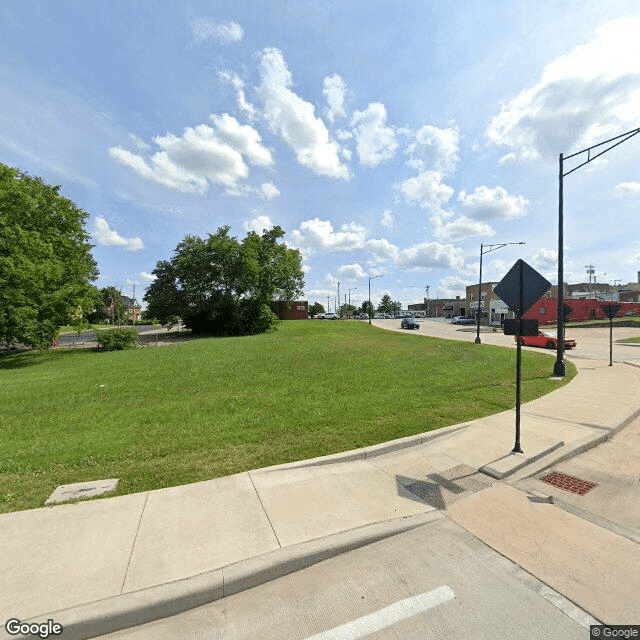
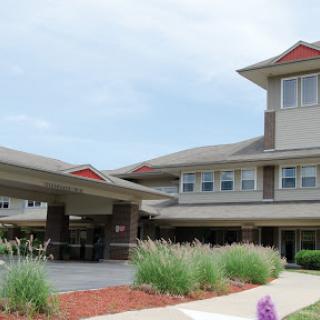
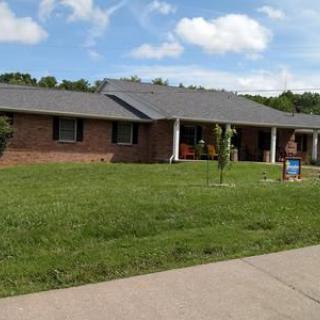
Monticello House in Jackson, MO

Save
Monticello House Monticello House

Monticello House in Jackson, MO

1115 K Land Drivepo Box 740, Jackson, MO 63755

For more information about senior living options: (844) 490-3973

3.3 from 22 reviews
5 stars
9
4 stars
0
3 stars
5
2 stars
4
1 stars
4

Assisted Living Board and Care Home Memory Care Respite Care Skilled Nursing Facility

Overall Review of Monticello House

Pros

  • pro Residents seem happier under the new management.
  • pro The facility is cleaner and undergoing renovations.
  • pro There is excitement about the new company's plans for the home.
  • pro The nursing home is wonderful with great staff.
  • pro The daytime staff are kind and attentive.
  • pro The staff were amazing and interactive with family members.
  • pro The food was very good.
  • pro The facility is well maintained and clean.

Cons

  • pro The memory care unit is horrible.
  • pro Nurses are hard to find, and staff answers to questions are often inconsistent or "I don't know."
  • pro The physician rarely sees patients, and staff were told not to contact her for updates.
  • pro The night shift is neglectful and unprofessional toward patients.
  • pro A CNA named Josh has exhibited cruelty and neglect, including forcing patients in bed and removing call buttons.
  • pro An elderly patient was left without assistance to use the restroom in the dining room, leading to incontinence; this neglect is unacceptable and abusive.
  • pro Short-staffing and turnover have reduced the quality of care; the reviewer would not recommend the place.
  • pro There is not enough staff and staff education, especially for dementia patients; communication among staff is poor.
  • pro The original Monticello House is associated with dark incidents that still haunt the reviewer.

Review

Monticello House in Jackson, MO is best suited for families seeking a reasonably approachable, mid-market option with solid daytime engagement, good meals, and a path to improvement under new management. It fits seniors who value proximity, affordability, and active family involvement, and who are prepared to supervise care closely and advocate for consistent standards. It is less suitable for those whose loved one relies heavily on robust memory-care expertise, unwavering physician access, and consistently reliable night-time supervision. In short, this community can deliver meaningful daily warmth and practical care, but it bets on ongoing stabilization rather than guaranteed, uniform quality across all wings.

Alternatives should be strongly considered for anyone whose loved one has advanced dementia, complex medical needs, or a history of requiring highly consistent, hands-on oversight. The memory-care experience described by multiple families is the clearest signal to look elsewhere for dementia-specific programming, specialized staff training, and dependable physician responsiveness. Prospective residents who require rigorous on-call medical coordination, or who fear inconsistent answers from staff, will likely find safer peace of mind in facilities with established dementia care teams and steadier administrative leadership.

The bright-side notes about Monticello House are meaningful enough to offset several weaknesses - when they apply. The improvements under new management - cleaner appearance, ongoing renovations, and a sense that residents are happier - signal a corrective trajectory that families can reasonably factor into a decision. Daytime staff are widely praised for kindness and attentiveness, and the social atmosphere is enhanced by strong family interaction, good meal quality, and even pet-friendly policies. These practical strengths matter: a well-fed, engaged resident with accessible caregivers during the day reduces anxiety for families and supports overall well-being, especially for those needing rehab or routine nursing care.

However, the core risks associated with memory care and staffing persist and should not be underestimated. The memory-care unit is consistently described as problematic, with aides carrying most of the responsibility, limited nursing presence, and doctor access described as unreliable. Communication gaps - multiple staff giving different answers or deflecting questions - create a persistent uncertainty about care plans and medical oversight. For families with a loved one who has dementia, these gaps translate into heightened risk and stress, eroding trust in the facility's ability to manage progressive cognitive needs.

Staffing stability remains a central concern. Reports of turnover, under-staffing, and uneven education in dementia care point to a culture that can drift from one administrative regime to another. The most troubling anecdotes - night-shift neglect, allegations of cruel treatment, and instances where a resident's comfort and dignity appeared compromised - underscore what can happen when supervision lapses or when staffing ratios fail to meet resident needs. While some reviews speak to moments of excellence, the mixed trajectory suggests that ongoing, proactive oversight by families and a strong internal quality-control effort are non-negotiable for anyone considering this community.

Decision-making hinges on a clear covenant between family expectations and institutional capability. For families pursuing rehabilitation or general nursing care with an emphasis on daytime engagement and nutritional quality, Monticello House can deliver tangible value, especially if recent trends hold and staff coaching continues. Yet for those whose priority is dementia care with uncompromising medical accessibility and consistent guardrails against neglect, the prudent move is to keep exploring alternatives that demonstrate steadier performance across memory care, physician contact, and night-time safety. If choosing Monticello House, arrange comprehensive, up-front conversations about care plans, request current staffing figures, observe a night shift, and verify the latest physician availability. Maintain an exit strategy and monitor the culture closely; problems in care consistency can escalate quickly, and moving sooner rather than later may protect overall well-being.

Features

Housing

  • 32 resident community capacity 32 resident community capacity

Types of Care

  • Assisted Living Assisted LivingAssisted living facilities provide crucial support and care for seniors who may need help with daily tasks such as medication management, bathing, and meal preparation. These communities offer a safe and comfortable environment where seniors can maintain their independence while receiving the assistance they need to thrive in their golden years.
  • Board and Care Home Board and Care HomeBoard and care homes provide a smaller, more intimate setting for seniors who require assistance with daily tasks but do not need the level of care offered by a nursing home. They offer personalized care, meals, and social activities in a homelike environment, ensuring that seniors receive individualized attention and support in their golden years.
  • Memory Care Memory CareMemory care is crucial for seniors as it provides specialized support and services for individuals with dementia or Alzheimer's disease. These programs offer a safe and secure environment where residents receive personalized care, cognitive stimulation, and help with daily activities. Memory care helps seniors maintain their independence, quality of life, and dignity while also providing peace of mind for their families.
  • Respite Care Respite CareRespite care provides temporary relief for caregivers, allowing them to recharge and attend to their own needs. It also gives seniors the opportunity to socialize, receive professional care, and experience a change of scenery, promoting overall well-being and reducing feelings of isolation.
  • Skilled Nursing Facility Skilled Nursing FacilitySkilled Nursing Facilities are crucial for seniors as they provide round-the-clock medical care, rehabilitation services, and assistance with daily activities. These facilities ensure that seniors receive the specialized care they need to maintain their health and well-being as they age.

Amenities

  • Beauty salon Beauty salonBeauty salons are important for seniors because they provide a space for them to feel pampered, socialize, and maintain their personal grooming and hygiene. Regular visits to a beauty salon can help boost seniors' self-esteem and overall well-being.
  • Cable or satellite TV Cable or satellite TVCable or satellite TV is important for seniors because it provides entertainment, news, and companionship, helping to combat loneliness and boredom. It also offers a wide range of programming options tailored to different interests and preferences.
  • Dining room Dining roomDining rooms are important for seniors as they provide a space for socialization, connection, and nutritious meals. They offer opportunities for residents to bond over shared meals, foster a sense of community, and promote healthy eating habits. Dining rooms also ensure that seniors have access to well-balanced meals tailored to their dietary needs and preferences.
  • Fully furnished Fully furnishedFully furnished senior living communities are important for seniors because they provide convenience, comfort, and a hassle-free moving experience. Seniors can easily settle into their new living space without the stress of having to buy and move furniture. This allows them to focus on enjoying their new home and community.
  • Garden GardenGardens are important for seniors as they provide a peaceful and therapeutic environment for relaxation, physical activity, and socialization. Being in nature has been shown to reduce stress, improve mood, and promote overall well-being. Gardens also offer opportunities for seniors to engage in gardening activities, which can improve mobility, flexibility, and cognitive function. Additionally, gardens create a sense of community and connection with others who share a passion for plants and outdoor spaces.
  • Housekeeping services Housekeeping servicesHousekeeping services are important for seniors because they help maintain a clean and safe living environment, promote independence, and reduce the risk of accidents or illnesses. Additionally, having assistance with household chores can alleviate physical strain and allow seniors to focus on other aspects of their well-being.
  • Kitchenette KitchenetteKitchenettes are important for seniors living in senior living communities because they provide the convenience and independence of being able to prepare simple meals and snacks in the comfort of their own living space. This can help promote a sense of autonomy and well-being for seniors, allowing them to maintain some level of control over their dietary choices and daily routines.
  • Move-in coordination Move-in coordinationMove-in coordination is important for seniors because it helps ease the transition into their new living environment. It ensures that all logistics, such as packing, organizing movers, and setting up utilities are taken care of, allowing seniors to focus on settling in and adjusting to their new home. Having a smooth move-in process can alleviate stress and anxiety, making the transition smoother and more enjoyable for seniors.
  • Outdoor space Outdoor spaceOutdoor spaces are important for seniors as they provide opportunities for physical activity, social interaction, exposure to natural light and fresh air, and a sense of connection to nature. Having access to outdoor spaces can improve overall well-being and quality of life for older adults living in senior communities.
  • Restaurant-style dining Restaurant-style diningRestaurant-style dining is important for seniors because it allows them to enjoy delicious, nutritious meals in a social and upscale setting. This enhances their dining experience, promotes healthy eating habits, and fosters socialization with fellow residents, ultimately contributing to their overall well-being and quality of life.
  • Small library Small librarySmall libraries are important for seniors as they provide access to a variety of reading materials, including books, newspapers, and magazines. This can help stimulate their minds, keep them engaged, and provide a sense of community through book clubs and other social activities. Additionally, reading has been shown to improve cognitive function and overall mental well-being in older adults.
  • Telephone TelephoneTelephones are important for seniors as they provide a lifeline for communication with loved ones, emergency services, and healthcare providers. They offer a sense of security and independence, enabling seniors to stay connected and access assistance when needed.
  • Wi-Fi/high-speed internet available Wi-Fi/high-speed internet availableWi-Fi/high-speed internet is important for seniors to stay connected with loved ones, access online resources, and participate in virtual activities to combat feelings of loneliness and isolation. It also allows them to easily manage healthcare needs, access entertainment, and engage in lifelong learning opportunities.

Care Services

  • 24-hour call system 24-hour call system24-hour call systems are important for seniors because they provide peace of mind and immediate assistance in case of emergencies. This technology ensures that help is always available, promoting safety and security for elderly individuals living alone or in assisted living facilities.
  • 24-hour supervision 24-hour supervision24-hour supervision is important for seniors to ensure their safety, well-being, and access to immediate assistance in case of emergencies or health issues. This constant support provides peace of mind for both seniors and their loved ones, allowing them to age in place with dignity and security.
  • Activities of daily living assistance Activities of daily living assistanceActivities of daily living assistance are important for seniors because they provide essential support with tasks such as eating, bathing, dressing, and mobility. This assistance helps seniors maintain their independence, dignity, and overall quality of life as they age.
  • Assistance with bathing Assistance with bathingAssistance with bathing is crucial for seniors as it helps maintain personal hygiene, prevents infections, and ensures their overall well-being and comfort. It also provides a sense of dignity and independence for seniors who may struggle with this task on their own.
  • Assistance with dressing Assistance with dressingAssistance with dressing is important for seniors because it helps maintain their independence, promotes personal hygiene, prevents accidents and injuries, and improves overall quality of life. This service ensures that seniors can continue to dress comfortably and confidently, despite any physical limitations they may have.
  • Assistance with transfers Assistance with transfersAssistance with transfers is crucial for seniors as it helps prevent falls and injuries, maintains their independence, and ensures they can safely navigate their living environment. It also provides peace of mind for both seniors and their loved ones.
  • Diabetes diet Diabetes dietA diabetes diet is crucial for seniors as it helps manage blood sugar levels, reduce risks of complications, and improve overall health and well-being. By following a balanced and nutritious diet tailored to their specific needs, seniors can better control their diabetes and enhance their quality of life.
  • Meal preparation and service Meal preparation and serviceMeal preparation and service are crucial for seniors as they may have limited mobility or energy to cook nutritious meals. Having access to healthy and convenient food options can ensure they are getting the proper nutrition needed to maintain their overall health and well-being.
  • Medication management Medication managementMedication management is crucial for seniors to ensure they are taking the right medications at the correct dosages and times. This helps prevent adverse drug interactions, reduces the risk of medication errors, and promotes overall health and well-being. Proactive management also allows for adjustments as needed based on changing health conditions or new prescriptions.
  • Mental wellness program Mental wellness programMental wellness programs are essential for seniors as they promote cognitive stimulation, emotional support, and social engagement. These programs help prevent isolation, depression, and cognitive decline, ultimately enhancing the overall quality of life for older adults.
  • Mild cognitive impairment Mild cognitive impairment"Mild cognitive impairment" is important for seniors because it is an early stage of cognitive decline that can potentially progress to more severe conditions such as dementia. Recognizing and addressing mild cognitive impairment can help seniors receive appropriate care and support to maintain their quality of life and independence for as long as possible.
  • Special dietary restrictions Special dietary restrictionsSpecial dietary restrictions are important for seniors because age-related changes in metabolism and health conditions can make it difficult for their bodies to process certain foods. By following a diet tailored to their specific needs, seniors can maintain their overall health and well-being, manage chronic conditions, and reduce the risk of complications such as malnutrition or food interactions with medications.

  • Specialized memory care programming Specialized memory care programmingSpecialized memory care programming is crucial for seniors with cognitive impairments such as dementia or Alzheimer's disease. These programs provide a safe and supportive environment tailored to the unique needs of individuals with memory loss, helping them maintain their independence, dignity, and quality of life.

Dining

  • Diabetes diet Diabetes dietA diabetes diet is crucial for seniors as it helps manage blood sugar levels, reduce risks of complications, and improve overall health and well-being. By following a balanced and nutritious diet tailored to their specific needs, seniors can better control their diabetes and enhance their quality of life.
  • Special dietary restrictions Special dietary restrictionsSpecial dietary restrictions are important for seniors because age-related changes in metabolism and health conditions can make it difficult for their bodies to process certain foods. By following a diet tailored to their specific needs, seniors can maintain their overall health and well-being, manage chronic conditions, and reduce the risk of complications such as malnutrition or food interactions with medications.

Activities

  • Community-sponsored activities Community-sponsored activitiesCommunity-sponsored activities are important for seniors as they provide opportunities for social interaction, mental stimulation, and physical activity. These activities can help improve overall well-being, combat loneliness and isolation, and promote a sense of belonging and purpose among older adults.
  • Resident-run activities Resident-run activitiesResident-run activities are important for seniors as they encourage social interaction, creativity, and a sense of autonomy. These activities empower seniors to stay engaged and active in their community while fostering meaningful connections with their peers.
  • Scheduled daily activities Scheduled daily activitiesScheduled daily activities are important for seniors because they provide structure, socialization, mental stimulation, and physical activity. Engaging in regular activities can improve overall well-being and quality of life for seniors living in a community setting.

Description

The Monticello House in Jackson, MO is an assisted living community that offers a variety of care options including board and care home, memory care, respite care, and skilled nursing facility. The community provides a comfortable and supportive environment for seniors who may need assistance with their daily activities or require specialized memory care programming.

Residents at Monticello House can enjoy a range of amenities to enhance their quality of life. These include access to cable or satellite TV, a dining room for communal meals, fully furnished accommodations, a beautiful garden for relaxation, housekeeping services to maintain cleanliness, a kitchenette for convenience, and move-in coordination to make the transition smooth. Outdoor space is also available for residents to enjoy nature.

Mealtime is an important aspect of daily life at Monticello House. Residents can indulge in restaurant-style dining with specially prepared meals to meet any dietary restrictions they may have. The community takes pride in providing nutritious and delicious options that cater to individual needs.

Engaging activities are offered to keep residents active and stimulated throughout the day. These activities are both resident-run and scheduled daily activities organized by the staff. This ensures that there is always something fun and fulfilling for everyone.

Monticello House also prioritizes the health and well-being of its residents. With 24-hour supervision, assistance with daily living tasks such as bathing and dressing is readily available. The staff also provides assistance with transfers when needed. Medication management services help ensure that medications are taken correctly and on time. Additionally, there is a mental wellness program aimed at promoting cognitive function and addressing mild cognitive impairments.

The surrounding area offers convenient access to various essential services. There are three pharmacies nearby to fulfill medication needs promptly. Five physicians can provide medical attention within close proximity, ensuring quick response times in case of emergencies or routine consultations. For dining options beyond what the community offers, there are five nearby restaurants available. In case of medical emergencies or specialized care, residents have the convenience of a hospital located nearby.

Overall, Monticello House provides a safe and nurturing environment where seniors can receive personalized care, enjoy a range of amenities, benefit from engaging activities, and have convenient access to essential services.

Nearby Places of Interest

This part of Jackson, Missouri offers a variety of amenities and services that may be attractive to seniors looking for a convenient and comfortable living environment. With several pharmacies nearby such as Jones Drug Store and MediCenter Pharmacy, access to prescription medications and health supplies is readily available. Additionally, there are reputable physicians in the area such as Heartland Family Physicians and Advanced Dermatology of Southeast Missouri for medical care. In terms of hospitals, Southeast Hospital Rehabilitation and Landmark Hospital provide accessible healthcare options. For dining options, establishments like Fuel and Gordonville Grill offer a range of choices to suit different tastes. There are also places of worship, cafes, theaters like Cape West Cinema, parks like Arena Park for outdoor activities, and transportation services available at Showcase Taxidermy Studio for added convenience. Overall, this area provides a range of resources that can support a comfortable and fulfilling lifestyle for seniors looking to settle in Jackson, Missouri.

Pharmacies

  • Jones Drug Store (0.1 miles)
  • MediCenter Pharmacy (0.2 miles)
  • Horst Pharmacy (1.8 miles)
  • Walmart Pharmacy (7.1 miles)
  • Southeast Pharmacy (8.1 miles)
  • CVS Pharmacy (8.2 miles)
  • Schnucks Cape Girardeau (8.2 miles)

Physicians

  • Miracle-Ear Hearing Aid Center (0.2 miles)
  • Cape Radiology Group (1 miles)
  • Heartland Family Physicians (1.5 miles)
  • Jackson Medical Center (1.9 miles)
  • Charles S Pewitt (1.9 miles)
  • Advanced Dermatology of Southeast Missouri (5.2 miles)
  • Keser Kimberly RN, DNP, FNP-BC (6.2 miles)

Hospitals

  • Southeast Hospital Rehabilitation (0.3 miles)
  • Semo Hospital (6.3 miles)
  • Landmark Hospital (7.1 miles)
  • Landmark Hospital of Cape Girardeau (7.1 miles)
  • Cunningham Carson, MD (7.5 miles)
  • Saint Francis Medical Center (7.6 miles)
  • Southeast Hospital (8.2 miles)

Restaurants

  • Fuel (0.5 miles)
  • Wings Etc (1.4 miles)
  • McDonald's (1.6 miles)
  • Arby's (2.1 miles)
  • Gordonville Grill (5 miles)
  • Little Ole Opry Co. (7.1 miles)
  • McDonald's (7.1 miles)

Places of Worship

  • Immanuel Lutheran Parish Hall (5.3 miles)
  • Zion United Methodist Church (5.9 miles)
  • The Apostolic Promise Church (6.8 miles)
  • Burfordville Baptist Church (7.9 miles)
  • Southern Baptist Convention (7.9 miles)
  • Southern Baptist Convention (8.2 miles)

Cafes

  • Starbucks (7.3 miles)
  • Panera Bread (7.5 miles)
  • Bubble Crush Tea (8.3 miles)

Theaters

  • Cape West Cinema Cape Girardeau, Mo (7.4 miles)

Parks

  • Arena Park (7.6 miles)

Transportation

  • Showcase Taxidermy Studio (8.6 miles)

Frequently Asked Questions

Where is Monticello House?
Does Monticello House provide care for residents with dementia or Alzheimer's disease?

Nearby Communities

  • Jackson Villa

    Jackson Villa

    Jackson, MO


    pro Close-knit community with social activities and devotional programming; diabetes care and meals provided.

  • Villas of Jackson

    Villas of Jackson

    Jackson, MO

    5 from 5 reviews
     

    pro Caring staff with engaging activities and restaurant-style dining.

  • Country Gardens RCF II

    Country Gardens RCF II

    Cape Girardeau, MO


    pro Diabetes-focused care with on-site activities.

  • Barnabas Assisted Living Barnabas Acres

    Barnabas Assisted Living Barnabas Acres

    Cape Girardeau, MO


    pro Extensive on-site amenities and comprehensive care (dining, transportation, wellness, beauty).

  • Missouri Veteran's Home

    Missouri Veteran's Home

    Cape Girardeau, MO

    4.7 from 12 reviews
     

    pro Extensive nearby amenities and medical services.

  • Capetown Senior Living

    Capetown Senior Living

    Cape Girardeau, MO

    4.3 from 27 reviews
     

    pro Warm, homey atmosphere with attentive staff and responsive dining accommodations.

  • Auburn Creek & Arbors at Auburn Creek

    Auburn Creek & Arbors at Auburn Creek

    Cape Girardeau, MO

    4.7 from 13 reviews
    $3,131 to $4,836 / month

    pro Caring staff, clean and welcoming environment with engaging activities.

  • Lindenwood Apartments

    Lindenwood Apartments

    Cape Girardeau, MO


    pro Prime location with easy access to cafes, parks, pharmacies, doctors, dining, transportation, worship, and entertainment.

  • Prairie Living at Chautauqua

    Prairie Living at Chautauqua

    Carbondale, IL

    4.3 from 63 reviews
    $2,795 to $4,225 / month

    pro Beautiful location with friendly, trustworthy staff and engaging activities.

Assisted Living in Nearby Cities

Related Resources

  • assisted living vs memory careAssisted Living and Memory Care: Understanding Their Core Differences

    Assisted living provides moderate support for seniors seeking independence, while memory care offers specialized support for individuals with dementia or cognitive impairments through structured routines and trained staff. Key differences include care approaches, environment security measures, staff training levels, activity types, and cost considerations.

  • assisted living vs nursing homeChoosing the Right Senior Care: A Detailed Exploration of Assisted Living and Nursing Homes

    Choosing between assisted living and nursing homes involves evaluating emotional and financial factors, with assisted living offering independence and support for daily activities at a lower cost, while nursing homes provide intensive medical care for individuals with significant health needs. The decision is influenced by personal preferences, health status, cognitive function, and varying Medicaid coverage across states.

  • how to prevent memory loss in old ageSafeguarding Your Memory Through the Golden Years: Eight Ways to Preserve Cognitive Health

    The article presents eight strategies for preserving cognitive health and memory in older adults, emphasizing a nutrient-rich diet, regular exercise, intellectually stimulating activities, adequate sleep, social connections, stress management techniques, limiting harmful substances, and regular medical checkups to mitigate age-related memory decline.