
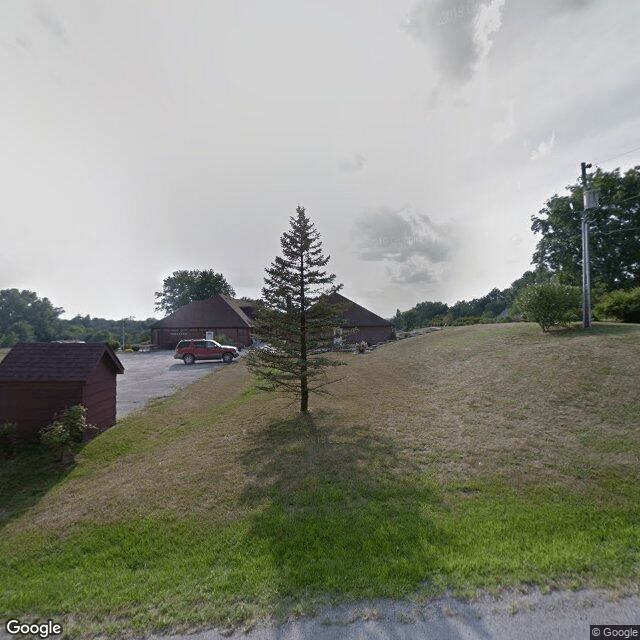
1209 South High Stpo Box 56, Grant City, MO 64456
For more information about senior living options: (866) 208-4318
Orilla's Way Costs & Pricing
At Orilla's Way, the cost for a studio apartment is set at $2,650 per month, which aligns with the pricing in Worth County. This is notably more economical compared to the state average in Missouri, where similar accommodations are priced at approximately $3,418. Such competitive pricing not only highlights Orilla's Way as an appealing option within the local market but also represents significant savings for residents when compared to broader state trends. This strategic pricing underscores Orilla's commitment to providing affordable and high-quality living spaces while catering to the needs of its community.
| Floor plans | Orilla's Way | Worth County | Missouri |
|---|---|---|---|
| Studio | $2,650 | $2,650 | $3,418 |
Overall Review of Orilla's Way
Pros
 Orilla's Way is highly recommended for those seeking a care facility for loved ones.
- The facility is very clean and friendly.
- It seems like a great alternative to a traditional nursing home.
- It is a place to consider for elderly family members.
Review
Orilla's Way in Grant City, MO is best suited for seniors who want a clean, home-like care setting that feels less institutional and more like a comfortable residence, with dependable daily assistance. The community earns top marks from its four reviews, consistently described as bright, orderly, and welcoming. Families prioritizing dignity, clear routines, and straightforward care will find the environment conducive to peaceful aging in place. The 5-star consensus across multiple observers suggests a level of consistency in presentation and service that translates into less stress for relatives when a loved one moves in. This is not a hospital corridor; it is a setting designed to support everyday life with supportive staff nearby.
However, the best fit is not universal. Those requiring extensive, around-the-clock medical oversight, skilled nursing, or specialized therapies on site may want alternatives. Facilities with larger medical staffs, broader memory-care programs, and transportation networks spanning a wider area typically deliver the assurances needed for complex conditions. For families balancing independence with frequent clinical needs, it is wise to compare Orilla's Way against larger campuses that promise on-site physicians and a wider menu of on-site services. If the priority is highly structured clinical care rather than a homelike atmosphere, better options exist elsewhere.
On the upside, cleanliness and approachability emerge as the core strengths. Tour impressions highlight a spotless, well-kept campus and staff that come across as genuinely friendly. That combination fosters comfort, reduces anxiety about transitions, and supports a sense of security for residents and their families. The facility is spoken of as a strong alternative to traditional nursing homes, offering a lighter footprint without sacrificing essential daily supports. For many seniors, the day-to-day rhythm, assistance with dressing, reminders, and companionship, arrives within a setting that feels more personal than a standard medical campus.
What remains uncertain from the available feedback is the depth and breadth of medical care actually provided on site. Details about Skilled Nursing, therapists, or flexible care plans are not spelled out in the public notes, which means potential residents should verify staffing levels and on-call availability. Activities, transportation, meal variety, and family communication practices are similarly under-documented. Yet the most compelling counterbalance is that the pros, cleanliness, warmth, and a homey ambiance, often reduce the perceived need for constant clinical overhead. For many seniors, a well-run, low-key setting can deliver meaningful quality of life with fewer disruptions than larger campuses.
Orilla's Way appears best for seniors who value a boutique, home-like atmosphere and predictable routines over campus-size amenities. It suits individuals who want straightforward, attentive assistance in a quieter, more intimate environment and who do not require intensive on-site medical care. Couples who wish to remain together in the same community will likely appreciate the setting’s compact, manageable footprint. Families should still pursue direct conversations about on-site nursing hours, care plans, meal programs, activity calendars, and any transportation or appointment support to ensure alignment with the loved one’s medical and social needs. If medical complexity is a reality, this is a cue to widen the search.
Bottom line: Orilla's Way represents a strong, practical option for the right resident, someone who prizes a clean, friendly, home-oriented environment with reliable daily support over clinical scale. For decision-making families, the next steps are clear: tour the community with a list of questions about care depth, staffing, and on-site services; verify licensing and safety standards; review meal options and activity schedules; and confirm transportation arrangements. With those checks, Orilla's Way can be a trustworthy foundation for aging in place that minimizes disruption while maximizing everyday comfort.
 37 resident community capacity
 Assisted Living
 Memory Care
 Activities on-site
 Beauty salon
 Cable or satellite TV
 Devotional services off-site
 Dining room
 Fully furnished
 Garden
 Housekeeping services
 Indoor common areas
 Kitchenette
 Move-in coordination
 Outdoor space
 Restaurant-style dining
 Small library
 Telephone
 Wi-Fi/high-speed internet available
 24-hour call system
 Assistance with bathing
 Assistance with dressing
 Assistance with transfers
 Diabetes diet
 Diabetic care
 Incontinence care
 Medication management
 Mental wellness program
 Special dietary restrictions
 Understanding Dementia Through Its Seven Stages: A Comprehensive Look at Progression and Expectations
 Safeguarding Your Memory Through the Golden Years: Eight Ways to Preserve Cognitive Health
 Comprehensive Insights into Activities of Daily Living (ADLs) and Their Assessment